
Executive Overview
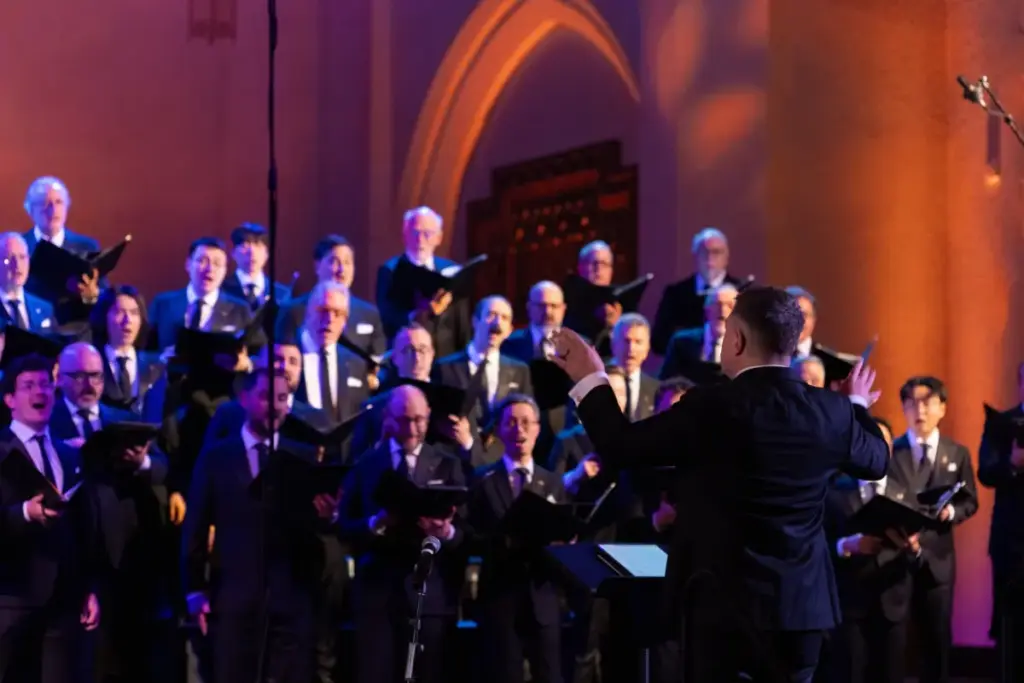
As the academic year hits its stride and the horizon brings the undeniable pressure of spring music festivals, adjudicators’ score sheets often reveal a distinct dividing line between ensembles: the ability to sight-read. When placed in front of a brand-new piece of music with only a few precious moments to study it, some ensembles freeze, while others interpret the phrasing, dynamics, and tonality with striking fluency.
The transition from anxious hesitation to absolute confidence does not happen by accident; it is the direct result of deliberate, consistent habits forged over a winter of steady practice. Transforming sight-reading from an intimidating hurdle into second nature requires more than last-minute cramming before contest season. It demands a pedagogical shift toward micro-dosing unfamiliar material into daily rehearsals.
Fortunately, contemporary digital music education platforms—most notably MakeMusic Cloud and its robust suite of tools like Sight Reading Studio—have revolutionized how directors approach this challenge. By leveraging automated generation, state standards-aligned templates, and curriculum-correlated exercises, music educators now have unprecedented capacity to instill lifelong sight-reading fluency. This report examines five foundational habits that educators can implement immediately, backed by technological integrations designed to maximize rehearsal efficiency, elevate student confidence, and secure superior ratings at spring contests.
Detailed Chronology: The Winter-to-Spring Sight-Reading Roadmap
Preparing an ensemble for spring adjudication requires a strategic, chronological roadmap that begins long before the contest packets arrive in the mail. Directors who wait until February or March to introduce systematic sight-reading routines invariably find themselves battling deeply ingrained student anxieties and tight rehearsal schedules.
[Late Fall: Foundation]
       │
       ▼ (Daily 5-minute warm-up reps via automated tools)
[Mid-Winter: Integration & Standards]
       │
       ▼ (Curriculum alignment & state contest parameters)
[Early Spring: Independent Assessment]
       │
       ▼ (Home practice assignments & diagnostic analytics)
[Spring Contest Day: Mastery & Confidence]
Phase 1: Late Fall – Establishing the Daily Five-Minute Habit
The roadmap begins in the late fall. This is the critical window where frequency must outweigh duration. Directors should integrate a dedicated five-minute sight-reading segment directly into the warm-up routine of every rehearsal.
During this phase, the objective is to lower the affective filter. Because the stakes are zero during a daily warm-up, students feel safe making mistakes, analyzing awkward intervals, and learning how to recover gracefully when they lose their place. Utilizing digital tools during this phase eliminates administrative drag; teachers can project or launch a fresh exercise in seconds from the podium, setting a tempo and establishing a starting pitch without fumbling through physical octavos or wasting precious instructional minutes.
Phase 2: Mid-Winter – Scaling Complexity and State Alignment
As winter deepens, the chronological focus shifts from general fluency to targeted contest preparation. Students must be exposed to the exact parameters they will encounter on adjudication day: specific key signatures, meter changes, rhythmic vocabulary, and historical performance styles.
This is the time to systematize the study-period routine. Educators train students to execute a standardized visual scan of every new score before a single note is played. By automating this cognitive scan—looking first at the key signature, time signature, tempo markings, and potential problem areas—students develop muscle memory for problem-solving. Mid-winter is also when directors begin pairing these exercises with popular method books, ensuring that new theoretical concepts are immediately reinforced in an unfamiliar context.
Phase 3: Early Spring – Bridging the Gap to Independent Practice
In the weeks leading up to spring contests, the roadmap expands beyond the rehearsal hall and into the students’ homes. Group sight-reading in class reveals ensemble tendencies, but true mastery is individual.
By assigning digital sight-reading modules for home practice, directors can capture granular performance data on individual students. This diagnostic insight allows educators to identify whether a student’s struggle is rooted in pitch reading, rhythmic accuracy, or an overall lack of preparation. Armed with this data, directors can fine-tune their final rehearsal blocks to target specific vulnerabilities before the ensemble steps onto the adjudication stage.
Supporting Context & Metrics: Why Frequency and Technology Matter
To understand why traditional sight-reading instruction often falls short, one must examine the cognitive load placed on student musicians. Sight-reading requires the simultaneous processing of multiple sensory inputs: visual decoding of symbols, translation into motor memory (fingering, bowing, embouchure), internal aural conceptualization, and real-time execution. When practiced sporadically—such as once every two weeks using a faded photocopy from a filing cabinet—cognitive friction is exceptionally high.
The Power of Low-Stakes Repetition
Educational metrics consistently show that micro-learning and spaced repetition yield superior long-term retention compared to massed practice sessions. Allocating just five minutes of a rehearsal to sight-reading yields roughly 25 repetitions over a five-day school week. Over the course of a 12-week winter semester, that equates to 300 distinct exposures to unfamiliar musical patterns.
This high-frequency approach accelerates pattern recognition. Just as a fluent reader does not sound out every individual letter of a familiar word, an advanced sight-reader recognizes whole chord structures, scalular passages, and rhythmic motives instantaneously.
Overcoming the Material Bottleneck
Historically, one of the greatest barriers to effective sight-reading instruction was the sheer scarcity of appropriate material. Finding leveled, unplayed music for an ensemble was time-consuming and expensive. If students had already seen a piece, the cognitive exercise was compromised; they were merely recalling the music from memory rather than actively reading it.
Platforms like MakeMusic’s Sight Reading Studio solve this bottleneck by functioning as infinite generators of leveled musical content. Because the software generates a completely unique exercise every single time, teachers never run out of material, and students are permanently barred from relying on rote memorization.
Furthermore, the integration of State Standards-Based Sight Reading Studio Templates ensures that the generated content mirrors official adjudication criteria. Whether an ensemble requires exercises tailored to strict regional contest rubrics or sequential lessons synchronized with standard educational methods like Habits of a Successful Musician (Book 1), Sound Innovations (Book 1), or Andy Beck’s Sing at First Sight, educators can seamlessly align their daily warm-ups with their overarching curricular goals.
Official Guidelines: The 5 Essential Habits for Ensemble Directors
To operationalize these insights, music educators should institutionalize five core habits within their instructional design. These habits transform sight-reading from an ad-hoc activity into a predictable, highly effective pipeline for student success.
Habit 1: Prioritize Frequency Over Duration in Every Rehearsal
The Strategy: Never skip sight-reading, even when concert literature demands intense attention. Dedicate the first five minutes of rehearsal to fresh material.
The Execution: Utilize digital podium controls to instantly generate, adjust tempo, play starting pitches, and toggle accompaniments without interrupting the flow of the rehearsal. Regular, low-stakes reps build the neurological pathways required for high-pressure contest environments.
Habit 2: Eliminate Stale Material Through Automated Rotation
The Strategy: Ensure students never read the same exercise twice. Unfamiliarity is the engine of sight-reading growth.
The Execution: Rely on dynamic generation tools that provide an unlimited supply of leveled material. This keeps students actively scanning the page rather than coasting on memory, while simultaneously freeing up valuable teacher planning time.
Habit 3: Standardize the Pre-Read Study Period
The Strategy: Teach students a methodical, repeatable protocol to analyze a score during the statutory study period allotted at contests.
The Execution: Train ensembles to scan for key signatures, meters, accidentals, rhythmic traps, and dynamic shifts in a fixed sequence every single time. Pairing this with State Standards-Based templates ensures familiarity with official contest parameters, making the analytical process entirely automatic.
Habit 4: Correlate Sight-Reading with Current Methodological Concepts
The Strategy: Anchor sight-reading exercises to the specific musical concepts currently being taught in your foundational method books.
The Execution: Use correlated templates that match your ensemble’s core text. When a class learns a new syncopated rhythm or accidental in their method book, immediately reinforce that exact concept using targeted sight-reading exercises. This bridges theoretical knowledge with real-time application.
Habit 5: Extend Practice Beyond the Podium with Home Assignments
The Strategy: Monitor individual reading ability through independent practice and data-driven assignments.
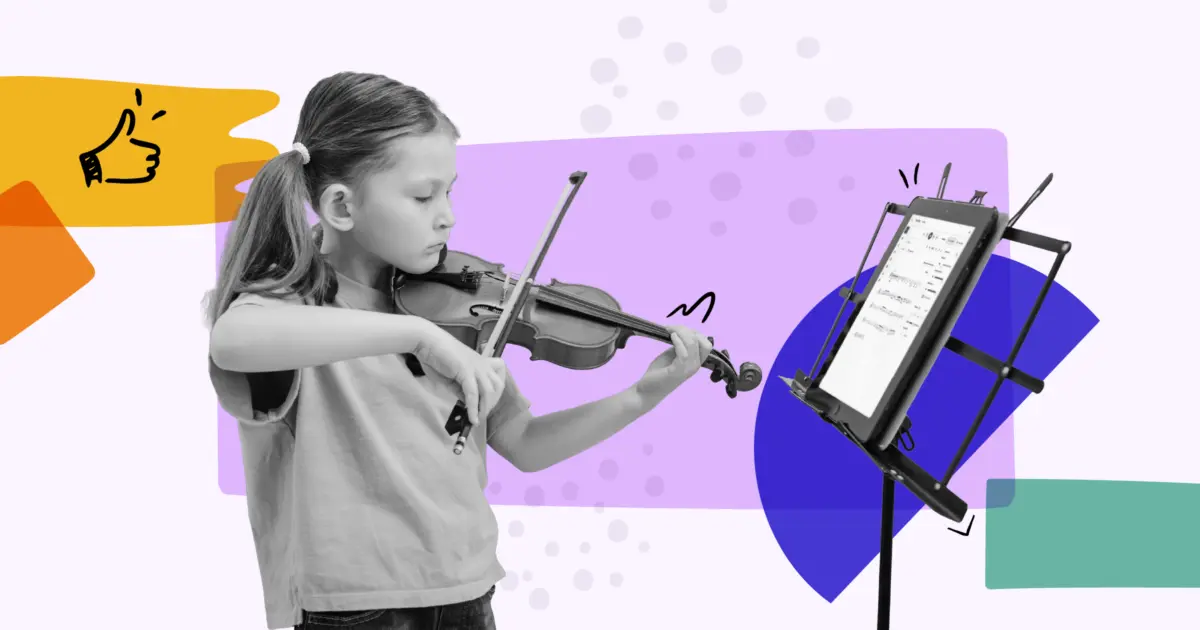
The Execution: Assign Sight Reading Studio modules as homework. When students record their performances through digital platforms, they receive automated feedback on pitch and rhythm accuracy, while teachers gain comprehensive analytics to guide subsequent rehearsal planning.
Future Outlook: The Evolution of Digital Literacy in Music Education
As music education continues to intersect with advanced educational technology, the landscape of ensemble preparation is undergoing a profound paradigm shift. The reliance on static print media and manual exercise composition is steadily giving way to adaptive, data-driven learning ecosystems.
Looking ahead, the integration of automated assessment and artificial intelligence in platforms like MakeMusic Cloud points toward hyper-personalized instruction. In the near future, diagnostic sight-reading analytics will not only inform directors where an entire ensemble is struggling, but will automatically generate customized remedial exercises tailored to the specific weak points of individual desk stands.
For the modern music educator, embracing these tools does not diminish the art of teaching; rather, it amplifies it. By automating the mechanical aspects of exercise generation, leveling, and assessment, directors are liberated to focus on what matters most: artistic interpretation, expressive phrasing, and inspiring a lifelong passion for music in their students.
By embedding these five foundational habits into your winter curriculum today, your ensemble will not merely survive the spring contest season—they will step onto the stage with the unshakeable confidence of musicians who are truly fluent in the universal language of the score.