
Executive Overview
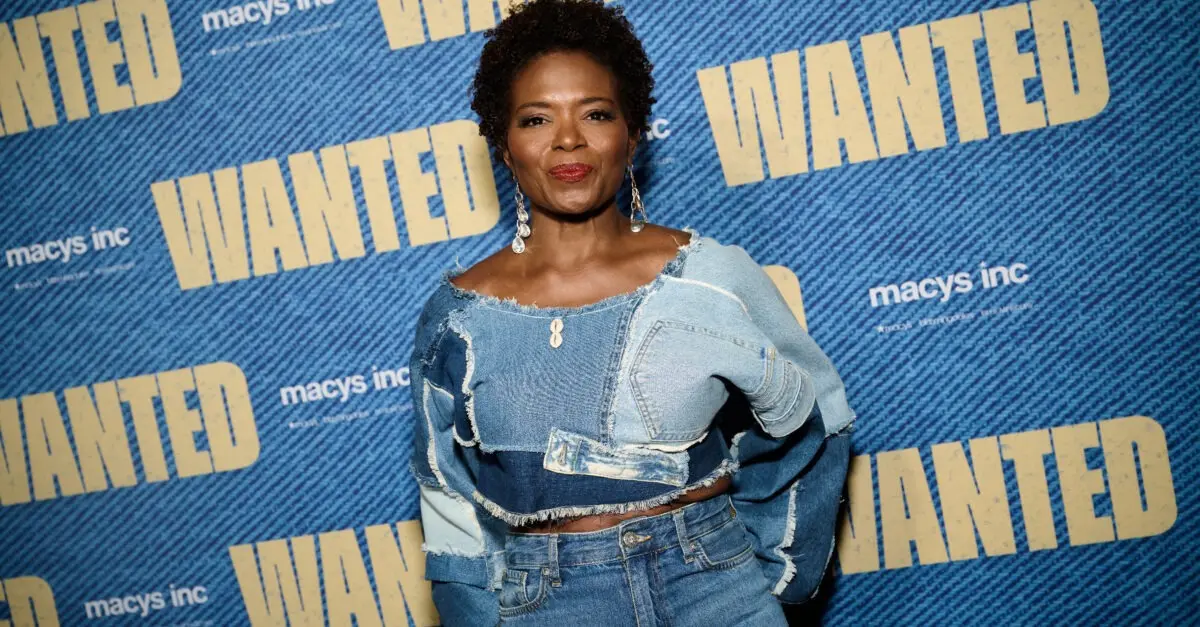
In a pivotal moment for the American theatrical landscape, Tony Award-winning actor, producer, and cultural luminary LaChanze has announced her departure from her role as President and Co-Founder of Black Theatre United (BTU). Her exit marks the conclusion of a foundational four-year tenure at the helm of the organization—a period defined by structural advocacy, institutional accountability, and the systematic dismantling of long-standing barriers for Black artists and professionals across the commercial and non-profit sectors of live performance.
Since its inception in the turbulent summer of 2020, BTU has evolved from an emergency response coalition into a permanent, highly influential institutional force. Under LaChanze’s visionary leadership, the organization successfully bridged the gap between idealistic calls for racial justice and tangible administrative reform. While a successor has not yet been named by the organization’s executive board, the departure of its inaugural president initiates a critical transitional phase for BTU.
This retrospective report examines the profound legacy left by LaChanze, chronicling the chronological growth of BTU, detailing the extensive programming established under her watch, analyzing the systemic impact of her tenure through industry metrics, and looking forward to the future of equity advocacy within American theatre.
Detailed Chronology: The Genesis and Evolution of Black Theatre United
The Summer of 2020: A Call to Action
The genesis of Black Theatre United is inextricably linked to the global racial reckoning of 2020. Following the murder of George Floyd and the subsequent widespread civil unrest, American institutions—long insulated by homogenous leadership and exclusionary practices—faced unprecedented pressure to reckon with systemic racism. Broadway and regional theatres, already shuttered by the COVID-19 pandemic, were forced to confront internal cultures plagued by tokenism, a lack of backstage diversity, and deep economic disparities.
Recognizing that the moment demanded more than performative solidarity or temporary working groups, a coalition of the industry’s most revered Black artists came together. Spearheaded by LaChanze alongside a formidable roster of co-founders—including Audra McDonald, Brian Stokes Mitchell, Billy Porter, and Kenny Leon—BTU was officially incorporated to protect,-build, and advocate for the systemic inclusion of Black voices in the theatrical ecosystem.
2021: Institutional Foundation and Legislative Advocacy
During its inaugural year, BTU moved swiftly from conceptualization to operational reality. Moving beyond internal community support, the organization launched groundbreaking legislative initiatives. Under LaChanze’s leadership, BTU introduced The New Deal for Broadway, a comprehensive, policy-driven blueprint presented to theatre owners, producers, and union heads. This initiative sought to implement zero-tolerance policies for discrimination, mandate diversity hiring practices across all creative and administrative departments, and reshape the operational ethics of Broadway boardrooms.
2022–2023: Scaling Programs and Cultivating Infrastructure
As live theatre painfully limped back to post-lockdown operations, BTU institutionalized its commitment to emerging talent through targeted educational and professional pipelines. This period saw the rollout of the BTU Rise Marketing and Press Internship, designed to inject diverse administrative talent into the commercial press and marketing firms that dictate audience acquisition. Concurrently, the organization launched the BTU Designer Initiative, directly combating the historical underrepresentation of Black costume, lighting, set, and sound designers in major productions.
2024: Maturation and the Transition of Power
Entering its fourth year, BTU solidified its position as an indispensable stakeholder in American theatre policy. The organization expanded its intellectual footprint through the Business of Show discussion series and fostered grassroots community resilience via frequent Town Halls. By late 2024, having built a robust administrative apparatus—bolstered by Executive Director Kettia Ming—LaChanze determined that the organization had successfully transitioned from an emergency coalition into a self-sustaining institution, clearing the path for her departure.
Supporting Context & Metrics: The Architecture of Impact
To fully appreciate the weight of LaChanze’s departure, one must examine the sprawling constellation of programs built during her tenure. These initiatives were not merely symbolic; they were engineered to address specific structural failures within the theatrical pipeline.
The BTU Programmatic Ecosystem
- The BTU Rise Marketing and Press Internship: Aimed at solving the severe lack of diversity in theatrical marketing agencies, this program offers paid, high-level placements, mentorship, and networking opportunities for students and early-career professionals from historically marginalized backgrounds.
- The New Deal for Broadway: A landmark set of industry standards and commitments focused on anti-racism, accountability, equity, and inclusion, endorsed by numerous institutional and commercial theatre owners.
- The Business of Show Discussion Series: A public-facing and industry-internal educational forum exploring the financial, legal, and operational mechanics of commercial theatre, demystifying wealth-building and ownership structures for Black artists.
- Community Town Hall Events: Inclusive forums designed to give voice to the broader theatrical workforce, ensuring that grassroots workers, union members, and regional artists retained a direct line of communication with leadership.
- The BTU Designer Initiative: A specialized directory and mentorship program connecting regional and Broadway producers directly with world-class Black design talent, actively dismantling the "pool myth" often cited by hiring managers.
- The Marva Hicks Musical Theatre Scholarship: Established in honor of the late, beloved Broadway powerhouse Marva Hicks, this scholarship provides vital financial assistance to the next generation of Black musical theatre performers pursuing professional training.
- The Broadway Bound Educational Program: A youth-focused initiative designed to introduce students from under-resourced communities to the myriad technical, administrative, and artistic career pathways available within the performing arts.
Industry Metrics and the Changing Face of Broadway
While statistical parity across Broadway remains a work in progress, the institutional pressure applied by BTU under LaChanze’s stewardship catalyzed measurable shifts. Over the past four years, major commercial casting policies have undergone seismic shifts, moving away from tokenized casting toward culturally competent, multi-racial storytelling standards. Furthermore, the pipeline of Black stage managers, press representatives, and company managers has visibly widened, proving that intentional, resource-backed interventions yield structural results.
Official Statements and Industry Reflection
The announcement of LaChanze’s departure elicited a wave of profound gratitude, reflection, and solidarity from across the theatrical community.
In her official farewell statement, LaChanze reflected on the emotional and professional gravity of her tenure:
"Black Theatre United was born from a call to action to help create meaningful change, equity, and opportunity in our industry. As a founding member and president, this has been one of the most meaningful chapters of my career. I am immensely proud of what we have accomplished and the communities we have served. While my time as president has come to an end, my commitment to uplifting artists, expanding opportunities, and creating lasting change in American theatre remains unwavering."
Executive Director Kettia Ming, who worked in close daily partnership with LaChanze to execute the organization’s ambitious agenda, underscored the irreplaceable nature of her leadership:
"It has been a privilege to work alongside LaChanze over the past four years. Her passion, vision, and unwavering commitment to creating opportunities for Black theatre professionals have been central to BTU’s growth and impact. As a co-founder, she helped build an organization rooted in the belief that meaningful change requires both collective action and sustained commitment. I am deeply grateful for her leadership, partnership, and friendship, and proud of all we have accomplished together. Her contributions to Black Theatre United will remain an important part of its legacy."
The weight of LaChanze’s leadership is further amplified when considering the extraordinary roster of co-founders who stand alongside her—a veritable pantheon of theatrical royalty whose collective influence shapes the very soul of American performance:
- Lisa Dawn Cave
- Darius de Haas
- Carin Ford
- Capathia Jenkins
- Kenny Leon
- Norm Lewis
- Audra McDonald
- Michael McElroy
- Brian Stokes Mitchell
- Wendell Pierce
- Billy Porter
- Anna Deavere Smith
- Allyson Tucker
- Tamara Tunie
- Lillias White
- NaTasha Yvette Williams
- Schele Williams
- Vanessa Williams
This collective serves as a continuing anchor for the organization. While the presidency is changing hands, the foundational brain trust that launched BTU remains deeply invested in its ongoing mission.
Future Outlook: The Next Chapter for Black Theatre United
As Black Theatre United looks toward its fifth year and beyond, the organization stands at a critical crossroads. The departure of a charismatic, visionary founder naturally invites questions regarding organizational continuity and future direction. However, industry analysts note that BTU has successfully institutionalized its operations, moving past the phase of personality-driven advocacy into structured, programmatic execution managed by professional administrative staff like Executive Director Kettia Ming.
Challenges Ahead for the Next Administration
The incoming president will inherit a formidable mandate. The theatrical industry continues to grapple with post-pandemic economic contraction, rising production costs, and a tightening philanthropic sector. Ensuring the financial sustainability of initiatives like the BTU Rise Internship and the Marva Hicks Musical Theatre Scholarship will require aggressive fundraising, corporate partnerships, and deepened engagement with institutional theatre boards.
Furthermore, as political and legal backlashes against Diversity, Equity, and Inclusion (DEI) initiatives sweep across various American industries, advocacy groups like BTU must remain vigilant. The incoming leadership will need to navigate these external pressures while firmly defending the institutional gains made since 2020.
The Enduring Legacy of LaChanze
Regardless of who assumes the mantle of leadership, LaChanze’s imprint on American theatre is indelible. She took the righteous anger of a fractured moment and forged a permanent instrument of equity. She demonstrated that advocacy in the arts does not have to be fleeting; it can be codified, institutionalized, and sustained.
As LaChanze steps away from the daily rigors of the presidency, her legacy remains embedded in every young Black marketing intern finding their footing on Broadway, every designer whose portfolio is finally reviewed by major producers, and every artist who steps onto a stage knowing they stand on ground made firmer by her courage.
For more information on Black Theatre United, its ongoing programs, and ways to support its mission, visit BlackTheatreUnited.com.