
Executive Overview
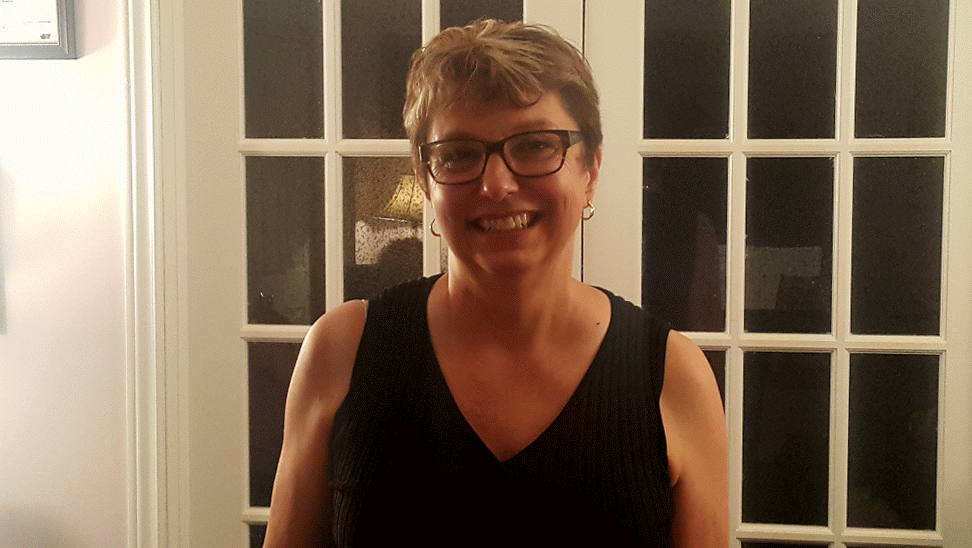
For individuals whose lives and identities are deeply intertwined with vocal expression—whether through professional speaking, performance art, or community engagement—the loss of vocal reliability is more than a physical inconvenience; it is a profound personal crisis. This comprehensive report details the remarkable vocal rehabilitation journey of Mary Ellen Stoll, a resident of the Ottawa-Kingston region in Ontario, Canada. After suffering from chronic vocal cord issues for more than three decades following corrective surgery for vocal cord nodules, Stoll reclaimed her voice through an intensive application of the proprietary Holistic Vochord-Mechanics / Non-Surgical Vocal Repair methodology developed by renowned specialist Diana Yampolsky.
This investigative feature examines Stoll’s multi-decade struggle with vocal fatigue, frequent bouts of laryngitis, and the psychological barriers of post-surgical vulnerability. It explores her intensive 20-hour immersion into Yampolsky’s specialized vocal science framework, analyzing the biomechanical shifts, herbal integrations, and pedagogical rigor required to restore vocal power, clarity, and stamina. Furthermore, this article places Stoll’s recovery into the broader context of modern vocal pedagogy, contrasting traditional clinical speech therapy with holistic, performance-oriented voice restructuring.
Through detailed chronology, expert context, and firsthand reflections, this report sheds light on the transformative potential of non-surgical voice repair for aging artists, retirees, and everyday speakers seeking to overcome chronic vocal injuries without invasive medical intervention.
Detailed Chronology: A Thirty-Year Battle for Vocal Resilience
The Genesis of Injury: Surgery and Silence
The narrative of Mary Ellen Stoll’s vocal struggles began more than thirty years prior to her breakthrough with Diana Yampolsky. Following a medical diagnosis of vocal cord nodules—benign growths typically caused by chronic vocal abuse, misuse, or strain—Stoll underwent surgical intervention to have the lesions removed. While surgery is frequently prescribed to clear obstructions and eliminate nodules, it is rarely a standalone solution for the underlying mechanical habits that caused the injury in the first place.
In the decades following her operation, Stoll largely stepped away from singing. Demands of family life and a rigorous career in the biological sciences took precedence. However, her vocal apparatus never fully regained its baseline stability. Without targeted retraining, her speaking and potential singing voice remained fragile. The delicate mucosal tissues of her vocal cords, altered by both the initial pathology and the surgical procedure, bore the brunt of daily professional communication without the necessary structural support from surrounding musculature.
The Everyday Toll: Fatigue, Instability, and Laryngitis
Over the next thirty years, Stoll’s vocal limitations manifested in persistent, discouraging symptoms. Her voice tired easily during routine conversations, making long meetings or social gatherings exhausting. Reliability became a constant concern; she could never fully predict whether her voice would hold up through an entire day of speaking.
Most debilitating, however, were the recurrent episodes of complete laryngitis. Several times a year, Stoll would experience total vocal shutdown, leaving her unable to communicate effectively. These episodes were physical manifestations of chronic inflammation, strain, and compensation. Because her vocal cords lacked efficient mechanical support, she was perpetually cycling through periods of overuse, acute inflammation, and forced silence. For a professional with a background in rigorous scientific analysis, the inability to understand or control her own physiological instrument was a source of ongoing frustration.
Retirement and the Spark of a New Aspiration
The turning point in Stoll’s vocal journey arrived with her retirement. Entering this new chapter of life, Stoll decided to pursue a long-held passion: joining a local ladies’ barbershop chorus. Barbershop harmony requires precise intonation, blend, vocal agility, and considerable projection, particularly when blending with a multi-voiced ensemble.
However, reentry into choral singing immediately exposed the unresolved vulnerabilities of her vocal instrument. The director of the barbershop chorus expressed deep apprehension regarding Stoll’s participation, openly worrying that the demanding rehearsals and public performances would cause permanent damage to her surgically altered vocal cords.
These fears were not unfounded. After participating standard two-hour chorus practices, Stoll experienced acute physical pain and soreness in her throat. The realization that her vocal cords could not endure a standard rehearsal without injury threatened to derail her retirement dreams before they truly began. Recognizing that conventional choir direction or standard vocal coaching could not resolve a complex, post-surgical injury, Stoll began searching for specialized intervention. Her search ultimately led her to the Vocal Science™ studio and Diana Yampolsky.
Supporting Context & Metrics: The Anatomy of Holistic Voice Repair
The 20-Hour Intensive: Deconstructing and Rebuilding Sound Production
Seeking an alternative to ongoing decline, Stoll traveled for an intensive 20-hour immersion program with Diana Yampolsky. Over the course of several weeks, she was introduced to a radically different paradigm of vocal production—one that integrates mechanics, posture, resonance placement, and natural supplementation.
Unlike traditional vocal lessons that focus primarily on musical interpretation or superficial tone production, Yampolsky’s methodology treats the human voice as an integrated biomechanical system. For Stoll, this meant unlearning decades of compensatory muscle habits.
The physical demands of this retraining were immediate and unconventional. As Stoll noted in her reflections, the primary fatigue she experienced during her intensive sessions shifted away from her vocal cords entirely. Instead of feeling a burning, raw sensation in her throat, her muscle fatigue localized in her facial structure—specifically her cheek muscles. This anatomical shift is a hallmark of proper vocal placement: sound production was successfully transferred away from the delicate laryngeal tissues and anchored into the resonant cavities of the face (the mask), utilizing optimal facial and respiratory support.
The Biological Scientist Meets Herbal Remedies
A particularly fascinating element of Stoll’s recovery involves her engagement with herbal treatments. Having spent her entire professional life immersed in the biological sciences, Stoll approached alternative and complementary therapies with a healthy dose of skepticism.
However, under Yampolsky’s guidance, Stoll integrated specific herbal regimens designed to reduce inflammation, soothe laryngeal mucosa, and support overall vocal health. To her own surprise, the biological scientist observed tangible, measurable improvements in her vocal tissue recovery. This integration of botanical therapeutics with mechanical vocal training highlights the multi-faceted nature of true vocal repair, where internal physiological environments must be optimized alongside external muscular coordination.
The Breakthrough: Power, Clarity, and Pitch Stability
The culmination of Stoll’s initial sessions with Yampolsky was a moment of profound revelation. For the first time in over thirty years, Stoll sang freely without pain or fear of injury.
The results defied her own expectations. She reported an unprecedented ability to produce rich sound, impressive volume, and crystalline clarity. Furthermore, she achieved new breath control capabilities, allowing her to hold notes for extended durations without any unwanted drift in pitch. The acoustic output was no longer the weak, fragile product of strained vocal cords, but the robust, resonant voice of a confident singer.
Official Statements & Testimonials
The firsthand account provided by Mary Ellen Stoll offers a transparent, detailed window into the realities of specialized vocal rehabilitation. Below is the complete text of her reference letter, capturing her unvarnished assessment of the process, the practitioner, and the financial and personal investment required:
“Rachel: I am happy to help. First my story – over 30 years ago I had surgery to remove nodules from my vocal cords. Since then I have not really gone back to singing as family plus heavy work obligations kept me very busy and my vocal cords were always a problem. My voice tired easily, could not 100 percent be relied upon, and I got complete laryngitis several times per year. Having retired recently I wanted to join a local ladies barbershop chorus. The director though was very worried about me damaging my vocal cords again, and I myself could feel my vocal cords being sore after our 2 hour practices.
So I sought out Diana as she seemed to be the only avenue out there to help. I spent 20 hours with her several weeks ago and was exposed to her unique technique for speaking and singing. I can tell you after several hours with her my vocal cords do not hurt or aren’t tired – just my cheek muscles! You can feel the difference in how you produce sound and volume. I am not saying its easy – it requires effort and dedication on your part and patience on Diana’s part. She has an amazing eye and ear and is observing you the whole time, and quick to tell you when something is wrong with your voice or your body.
Diana also suggested several herbal treatments for me and I can really see how they are helping me (and that’s for someone who spent her life in the biological sciences and have been a little skeptical of herbal treatments).
At the end of my first sessions with Diana I finally got to sing for the first time and I was TOTALLY amazed. I could not believe that I could produce that sound, that volume and clarity and length to hold a note without any change in pitch.
From what I have experienced I would say all the testimonials you read on the Vocal Science and Repair Your Voice website are accurate. Diana has spent over 30 years of her life creating and fine tuning her techniques and it shows. She is a dedicated to your improvement but in a taskmaster sort of way. You have to dedicate yourself as well.
As for the cost – it is not insignificant. You WILL get results and I would do it all again with Diana. I wish I had looked for and found her about 20 years ago. It would have saved me years of frustration with my voice.
Good luck, and let me know if you have any more questions.
— Mary Ellen Stoll
Analyzing the Pedagogical Approach
Stoll’s testimony underscores several critical components of Diana Yampolsky’s professional methodology:
- Uncompromising Rigor: Described as a "taskmaster sort of way," Yampolsky’s teaching style demands absolute focus and strict adherence to mechanical corrections. There is no room for passive learning.
- Acute Observational Acumen: The practitioner’s ability to instantaneously catch micro-adjustments in posture, tension, and sound production ensures that bad habits are intercepted before they can reinforce themselves.
- Value vs. Investment: Acknowledging that specialized vocal repair represents a significant financial commitment, Stoll’s evaluation emphasizes that the guaranteed, life-altering results far outweigh the initial cost.
Future Outlook: Implications for Aging Artists and Voice Repair
Redefining Possibilities for Post-Surgical Singers
Mary Ellen Stoll’s successful rehabilitation serves as a beacon of hope for a vast, underserved demographic: individuals who have undergone laryngeal surgery, trauma, or chronic vocal strain, and have subsequently resigned themselves to a diminished vocal life.
Too often, patients are told after nodule removal or other vocal surgeries that they must simply "be careful" with their voices, leading to a life of vocal self-censorship. Stoll’s journey proves that with proper, intensive biomechanical retraining, even decades of post-surgical atrophy and chronic fatigue can be successfully reversed.
The Growing Need for Holistic Vocal Science
As the global population ages, an increasing number of retirees—like Stoll—are seeking to re-engage with creative arts, community choirs, and public speaking engagements. Concurrently, professional voice users across corporate, educational, and entertainment sectors face unprecedented daily vocal demands.
The traditional medical model frequently isolates treatment to the surgical suite or basic speech-language pathology, which, while vital for clinical rehabilitation, rarely bridges the gap into high-level artistic performance and vocal endurance. This structural gap highlights the growing necessity of holistic, performance-integrated vocal science methodologies. Specialists who can bridge biomechanics, natural therapeutics, and rigorous vocal training will play an increasingly vital role in maintaining the vocal health of society.
Conclusion: A Voice Regained
For Mary Ellen Stoll, the twenty hours spent in the Vocal Science studio unlocked a future she thought was permanently closed to her. No longer plagued by chronic laryngitis, unpredictable fatigue, or post-rehearsal pain, she is now fully equipped to participate in her local barbershop chorus with confidence, power, and artistic freedom.
Reflecting on her multi-decade struggle, Stoll’s concluding sentiment serves as both a testament to her own dedication and an endorsement of specialized natural voice repair:
"I wish I had looked for and found her about 20 years ago. It would have saved me years of frustration with my voice."
Her story stands as a powerful reminder that with the right expertise, unyielding personal dedication, and a holistic approach to human biomechanics, the voice can be rescued, restored, and revitalized at any stage of life.