
Executive Overview
In the fast-paced ecosystem of digital journalism, few platforms manage to sustain a quarter-century of independent, high-culture commentary without institutional funding, paywalls, or corporate backing. Yet, Classical Source—the trailblazing digital arts review platform founded at the turn of the millennium—did precisely that.
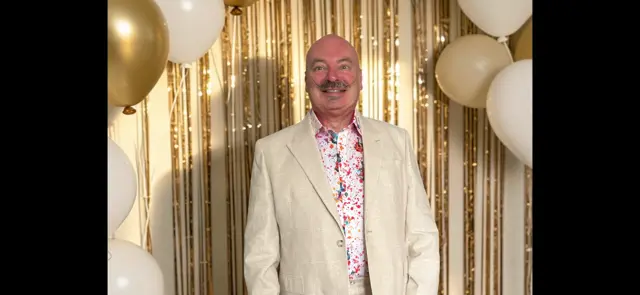
As its co-founder, Managing Director, and technical backbone, Chris Caspell has spent more than thirty years championing the classical music community, shepherding the publication through the volatile evolution of the internet. Marking his milestone 60th birthday, colleagues, reviewers, and classical music mainstays have come together to honor not only the man himself—a multi-talented musician, tango dancer, and unwavering digital advocate—but also the profound cultural footprint of the platform he helped build.
This feature explores Caspell’s journey, the birth and evolution of Classical Source, the systemic challenges facing arts journalism in the digital age, and the collaborative community that has rallied to ensure the publication’s vital archive and mission endure.
Detailed Chronology: From Dot-Com Optimism to Digital Stalwart
To understand the magnitude of Classical Source, one must cast their mind back to 1999—an era famously characterized by dot-com euphoria, the meteoric rise of Napster, the ubiquity of early BlackBerrys, and an internet that felt entirely boundless.
[1990s: Pre-Digital Era] ──> [1999: The Launch] ──> [2000s–2010s: Golden Age] ──> [2023: Transition] ──> [Present: Legacy & Relaunch]
 Print dominance &         Founded by Chris     Up to 3 daily reviews;     Passing of Kevin    Preserving the
 declining column inches   Caspell et al.       18K+ Twitter followers     Rogers; near-closure   archive & next phase
During this period, traditional print magazines were facing a painful contraction. Major daily newspapers and Sunday broadsheets were steadily trimming column inches for arts and classical music coverage. Editors were demanding punchier leads, and subeditors armed with blue pencils routinely slashed nuanced, long-form reviews to fit restrictive page budgets. The golden era of post-war daily criticism—where a debutant at the Wigmore Hall received the same critical gravity as international legends at the Festival Hall—seemed to be slipping away.
Anticipating a seismic shift in how media would be consumed, Chris Caspell, alongside two visionary co-founders, boldly conceptualized Classical Source. Launched independently and ahead of its time, the e-zine preceded subsequent UK digital arts pioneers like Bachtrack (2008) and The Arts Desk (2009).
While early web skeptics questioned whether digital platforms could ever possess the gravitas of print, Caspell answered with a definitive affirmative. He offered reviewers—both lay enthusiasts and seasoned professionals—something increasingly rare: absolute editorial freedom. There were no arbitrary word counts, no restrictions on the volume of concerts or CDs to be reviewed, and no paywalls gating access to high-culture discourse.
For performers, promoters, artist agents, and London’s premier concert venues—including the BBC Proms and major resident orchestras—Classical Source became an essential shot in the arm. It was a digital sanctuary that preserved the depth of traditional broadsheet criticism while embracing the immediacy of the World Wide Web.
Supporting Context & Metrics: Building a Digital Monument
Throughout its peak years, Classical Source evolved from an ambitious dot-com experiment into a comprehensive chronicle of London’s vibrant concert life and international classical recordings.
The Peak Years and Archival Wealth
At the zenith of its operational capacity, the site regularly published up to three reviews daily, amassing a monumental archive that serves as an irreplaceable historical record of classical music performance over two decades.
Data from March 2017 underscored the platform’s robust reach:
- Page Views: 59,492 impressions within a single month.
- Audience Loyalty: An impressive 46.3% returning visitor rate, demonstrating a deeply engaged, core readership of classical music aficionados.
- Social Reach: Over 18,000 dedicated followers on Twitter (now X), establishing the e-zine as a trusted curator in the digital cultural conversation.
The Anatomy of an Independent E-Zine
Operating without institutional safety nets, the site’s survival relied on the tireless, hands-on labor of its core leadership team. Alongside Caspell, seasoned critic Colin Anderson maintained rigorous editorial standards, while the late Kevin Rogers—who joined as Deputy Editor in 2007—brought crucial media-savvy acumen to the operation until his passing in 2023.
The site fostered a unique mentorship ecosystem. Veteran critics praised the non-invasive, supportive editorial environment nurtured by Anderson and backed by Caspell’s technical prowess. For writers accustomed to the pressures of freelance survival in declining print markets, Classical Source offered space to think, write, and articulate deep musical analysis without interference.
The Threat of Erasure and the Relaunch Resurgence
In February of last year, a wave of shock rippled through the classical music community when an announcement was made that the site was facing imminent closure. Caspell candidly noted that readership had naturally contracted over time, with monthly output dropping to a mere handful of pieces. "That is not a fitting end to something that achieved so much, with so little, for so long," he reflected.
However, the cultural capital Classical Source had accumulated over a quarter-century proved too valuable to lose. By April, collaborative plans to preserve its massive archive and plot a strategic relaunch galvanized reviewers, friends, and the wider public, ensuring the platform would enter a vibrant new phase rather than fade into obscurity.
Official Statements and Tributes
As Chris Caspell celebrates his 60th birthday, colleagues and collaborators from across the classical music landscape have shared personal reflections, highlighting his immense contributions behind the scenes:
"Congratulations to Chris on his 60th birthday. His personal and financial support of Classical Source has ensured that it has made a substantial contribution to the world of classical music and dance. I look forward to working with him over the coming years as the site develops and further improves the service it offers to the world’s classical music community."
— Rob Pennock"Chris, I send my warmest wishes to you on your sixtieth birthday. Your tireless efforts to maintain and sustain The Classical Source over the years are deeply appreciated, as is the guidance you have provided to me on numerous occasions. Happy Birthday!"
— David Rice"Wishing you a fabulous significant birthday. We may be living through an age of uncertainty in so many ways but now is not the time to underestimate the achievements, nor the joy and support you have given to others over the years. Take care and all the very best."
— David Gutman"Happy Birthday! Wishing you a truly wonderful day and every happiness in the year ahead. Your passion and commitment to sharing classical music with so many people is inspiring, and I hope this year brings you continued success, good health, and many reasons to celebrate."
— Lisa Stone-Ford"Very best wishes on your milestone, and for taking Classical Source through to its next phase."
— Curtis Rogers"Happy 60th Chris! I can well remember meeting you with Colin at the launch, and look back in amazement at the coverage Classical Source has amassed. What an archive of particularly London concert life. Thank you for your enthusiasm and your commitment. Long may it continue!"
— Nick Breckenfield"Thank you Chris for remaining at the wicket, despite some googlies along the way, and a very happy birthday to you."
— Colin Anderson"When print magazines were on the down and e-zines on the up, Chris Caspell co-founded Classical Source… Pragmatic and focussed, may he remain a guiding star. Happy Sixtieth Chris."
— Ates Orga
Future Outlook: Preserving a Legacy for Generations to Come
As Chris Caspell steps into his sixties, his multifaceted life away from the taxing digital operations of Classical Source remains deeply anchored in the arts. Whether performing as a violist, conducting, singing in church choirs, or executing a precise Tango with his signature, unmissable twirling moustache, Caspell’s dedication to artistic expression is boundless.
The immediate future of Classical Source focuses on safeguarding its formidable historical archive while modernizing its digital infrastructure. In an age dominated by algorithmic aggregation and fast-moving, superficial content, the resurgence of Classical Source serves as a powerful reminder of the value of independent, expert-led cultural criticism.
With a renewed community-backed framework, the platform is positioned to navigate its next chapter. For performers, readers, and critics alike, Caspell’s steadfast stewardship remains an inspiring testament to what can be achieved through unwavering passion, resilience, and a profound love for classical music.
Happy 60th Birthday, Chris—and long may you remain at the wicket.