
Executive Overview
To survive five decades in the unforgiving, mercurial ecosystem of American musical theatre requires more than just raw talent—it demands steel discipline, unyielding grace, and an evolutionary instinct. Brenda Braxton, a quintessential "triple threat" whose career spans from the golden age of 1970s revivals to the cutting-edge Off-Broadway stages of 2026, possesses all of these traits in abundance. Earning a Tony Award nomination for Best Featured Actress in a Musical over thirty years ago for the smash revue Smokey Joe’s Cafe, Braxton has spent a lifetime defying limitations, breaking down racial barriers backstage, and etching her name into the bedrock of Broadway history.
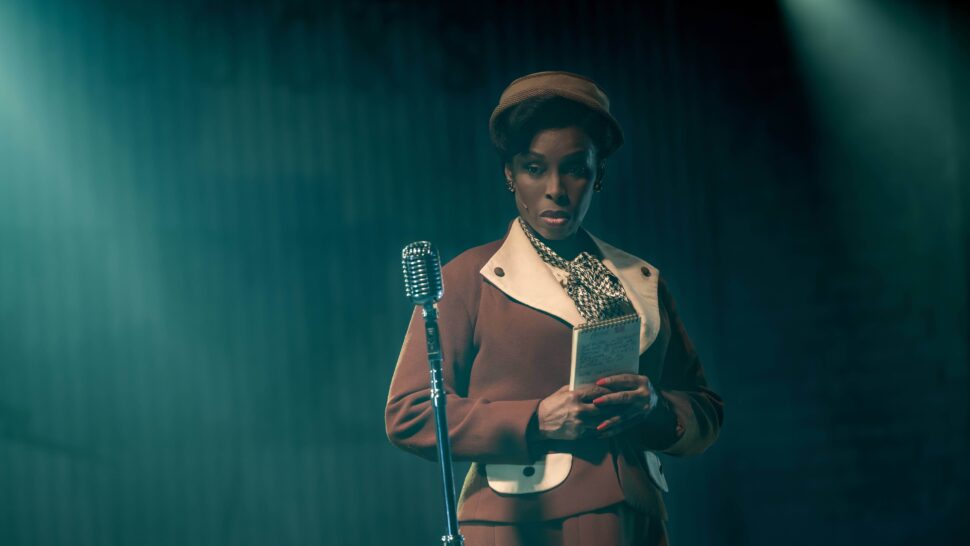
Currently starring as gossip columnist Rita Randolph in the world-premiere musical Truly, Howard Hughes at The Theater at St. Jean’s through October 4 as part of The York Theatre’s 2026–2027 season, Braxton remains as vital and dynamic as ever. Yet, her journey extends far beyond the footlights. As an entrepreneur, author, and the founder of PAUSE by BBRAXTON—a wellness brand championing midlife women navigating perimenopause and menopause—Braxton has mastered the ultimate theatrical art form: reinventing oneself without ever losing the core essence of who you are.
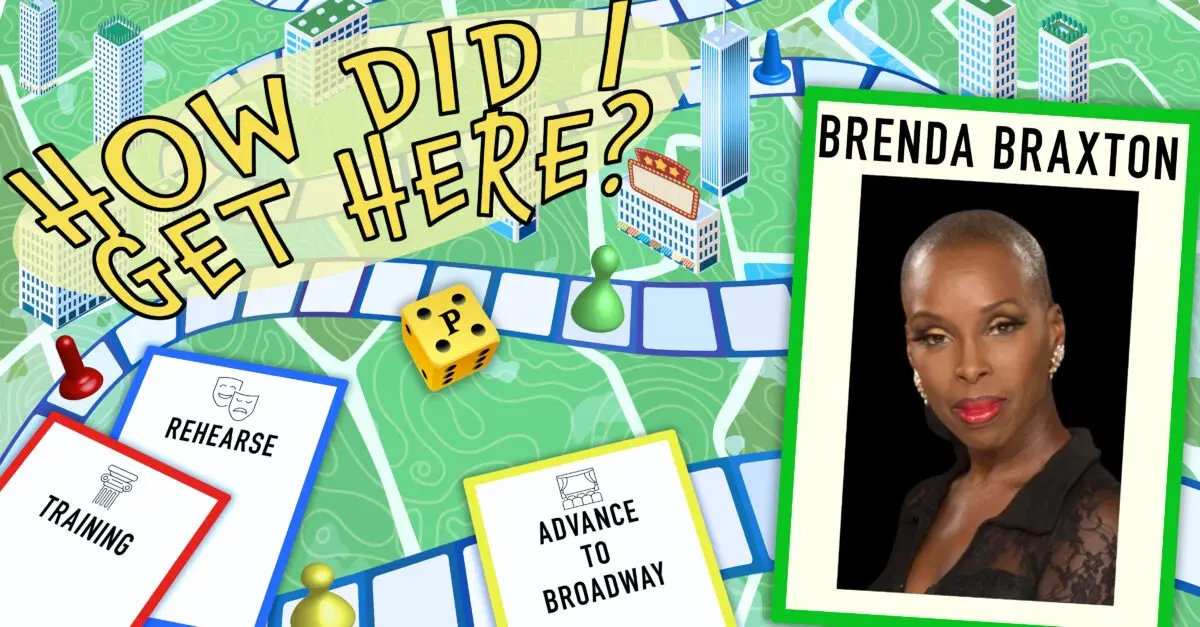
In an expansive interview as part of Playbill’s How Did I Get Here series, Braxton opens up about the shifting landscape of Broadway, the hard-nosed mentors who forged her resilience, the heartbreaking realities of historical industry exclusion, and her pointed critique of modern casting practices that bypass home-grown talent in favor of cross-medium pop-culture imports.
Detailed Chronology: From High School Halls to Off-Broadway Headliner
Braxton’s trajectory is a masterclass in seizing opportunity through relentless preparation and timing. Her theatrical journey began in the dance studios of New York City’s legendary Performing Arts High School. Just one year out of high school, the young performer landed her first major professional break: securing a spot as a swing in the historic 1976 all-Black Broadway revival of Guys and Dolls.
From that seminal starting point, Braxton’s resume reads like a checklist of Broadway milestones. She lent her talents to the original 1981 production of Dreamgirls at the Imperial Theatre, returned for its 1987 revival, and stepped into the fantastical feline world of Andrew Lloyd Webber’s Cats. Her extensive credits further include the short-lived 1988 mob musical Legs Diamond, the Tony-winning Jelly’s Last Jam, Reggae, and But Never Jam Today.
Perhaps no single production defined her mid-career ascent quite like Smokey Joe’s Cafe. In a serendipitous twist of fate, Braxton was rehearsing upstairs in a building while auditions for the Leiber and Stoller revue were taking place several floors below. When fellow actor Ken Ard burst into her rehearsal room to announce that the creative team was looking for a "Brenda Braxton type," she bolted downstairs to audition for Otis Sallid and the legendary songwriting duo. Not only did she land the job, but she helped mold the character—famously bearing her own first name in the script—earning a Tony nomination and a Grammy Award for her work on the cast album.
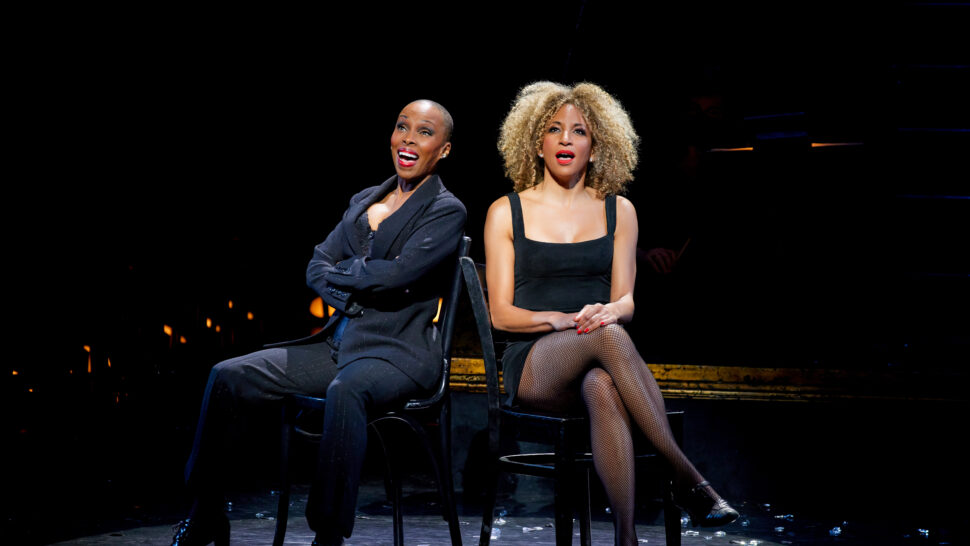
Her journey later brought her into the iconic prisoner block of the record-breaking revival of Kander and Ebb’s Chicago, where she made audiences swoon and command the stage as both the cunning Velma Kelly and the imposing prison matron, Matron "Mama" Morton.
Now, in the 2026–2027 theatrical season, Braxton steps into Truly, Howard Hughes, playing Rita Randolph alongside a stellar cast featuring Sean MacLaughlin, Matthew Eby, David Elder, Eric Michael Gillet, and Jill Paice, under the direction and choreography of Jennifer Paulson-Lee.
Supporting Context & Metrics: The Evolution of Diversity, Swings, and Industry Shifts
Surviving the System: The Institutional Challenges of the 1970s and 1980s
Reflecting on her early years in the industry, Braxton pulls no punches regarding the systemic hurdles faced by Black performers during the 1970s and ’80s. While contemporary discussions around diversity often focus on progressive casting metrics, Braxton remembers a time when the baseline mechanics of production completely ignored performers of color.
"My first Broadway show was in 1976, so the challenges back then almost seem ridiculous today," Braxton notes. "Things like not having adequate makeup, hair products, or flesh-colored tights or shoes. Not to mention, sometimes being the only African-American in the room. Having agents tell you they don’t know exactly where to put you because you look too ‘exotic.’"
Despite these obstacles, Braxton relied on a philosophy of radical self-reliance and emotional armor, forged by her foundational mentor, the legendary director-choreographer Vinnette Carroll. Carroll taught her the strict discipline of the business and instilled a psychological fortitude that kept her grounded. "She was honest, really down to earth, and she didn’t coddle you. She toughened my skin. She was no nonsense," Braxton recalls. Among Carroll’s aphorisms that Braxton still lives by is a guiding professional rule: "Do not be seduced or reduced by the audience."
The Chaos of the Backstage Machine
Before leading casts, Braxton paid her dues in the demanding trenches of swings and understudies. She recalls the dizzying theatrical gymnastics required during her tenure in Dreamgirls, where four swings (two female, two male) covered the entire ensemble—frequently crossing gender lines to plug gaps in real-time.
"A few times one of the female swings was covering a male performer, and one of the male swings was covering a female performer," Braxton laughs. "It became quite funny sometimes during the show because we would be running around backstage saying, ‘Who are you? No, that’s who I am? Then who’s that? Who is that?!’ It was funny at the time."
Official Statements & Industry Critique: Where Broadway Falls Short
Braxton’s perspective carries the weight of a historian who has lived through multiple cultural eras of the Great White Way. While she acknowledges that modern Broadway has made genuine strides in opening its doors to diverse storytelling—highlighting narratives from the African-American, Latino, and LGBTQ+ communities—she sounds a sharp alarm on a critical artistic deficit: the death of star-making vehicles.
The Crisis of Star-Making and the Hollywood Import Trend
According to Braxton, contemporary commercial producers have largely abandoned the practice of developing homegrown theatrical talent, choosing instead to import recognizable names from television and film to drive ticket sales.
"What still needs to improve is the fact that they’re not really creating stars like they used to—they’re plugging stars in from different creative outlets like television and movies," Braxton states critically. "An example is, a show like Dreamgirls created stars. Smokey Joe’s created stars in their own way. I hope we get a chance to go back to that with all of these new, diverse shows and talented people we already have now."
This critique hits at the heart of commercial musical theatre’s current anxieties. By relying on pre-packaged pop-culture cachet, Broadway risks short-circuiting the pipeline of powerhouse performers who command the stage purely through the kinetic, unmediated magic of live performance.
Future Outlook: Reinvention at Seventy and Beyond
As she enters her eighth decade, Braxton refuses to rest on her laurels or romanticize the past. Her current work in Truly, Howard Hughes proves that her artistic curiosity remains unquenched, even as she embraces new chapters outside of the theatre.
Her entrepreneurial venture, PAUSE by BBRAXTON, represents a natural extension of her lifelong mission to advocate for marginalized voices—this time focusing on women navigating midlife transitions. Rooted in ritual, rest, and shared experience, the platform tackles perimenopause and menopause with the same unapologetic authenticity she brings to the stage.
When asked about her proudest achievement, Braxton does not point to a specific Tony nomination, a Grammy win, or a landmark opening night. Instead, her pride lies in her sheer endurance:
"My proudest achievement as an actor is the fact that I’m still here at 70 and still relevant. Still moving forward and becoming an entrepreneur with my new company PAUSE by BBRAXTON, for women of a ‘seasoned age’ going through perimenopause and menopause, but still finding their joy."
For an industry constantly chasing the next trendy headline, Brenda Braxton stands as a masterclass in what it means to be a true Broadway immortal: adaptable, fierce, and utterly irreplaceable.