
Executive Overview
Very few musical acts, regardless of genre, manage to maintain cultural relevance, artistic integrity, and a dedicated fan base across five distinct decades. Yet, Petra—the pioneering powerhouse of Christian rock—has achieved precisely that. Through a relentless cycle of shifting personnel, musical reinventions, and cultural milestones, the band’s core identity has remained steadfast: a gifted collective driven by high-energy rock anthems, emotional depth, and an unwavering commitment to faith and evangelism.
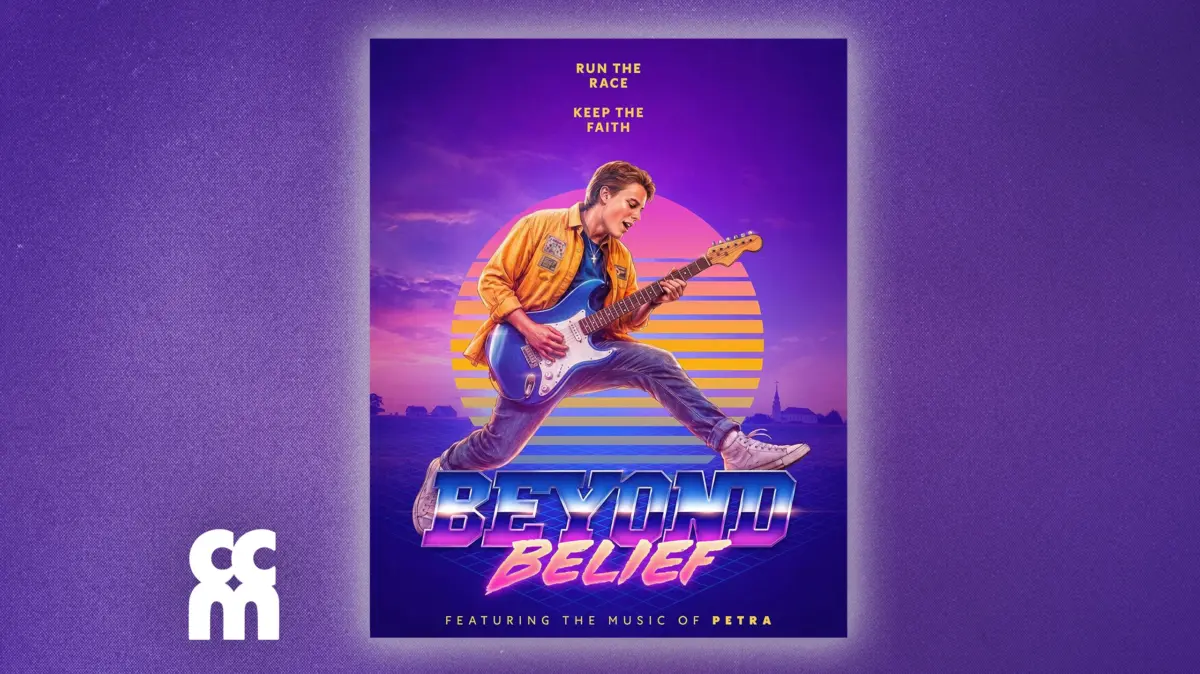
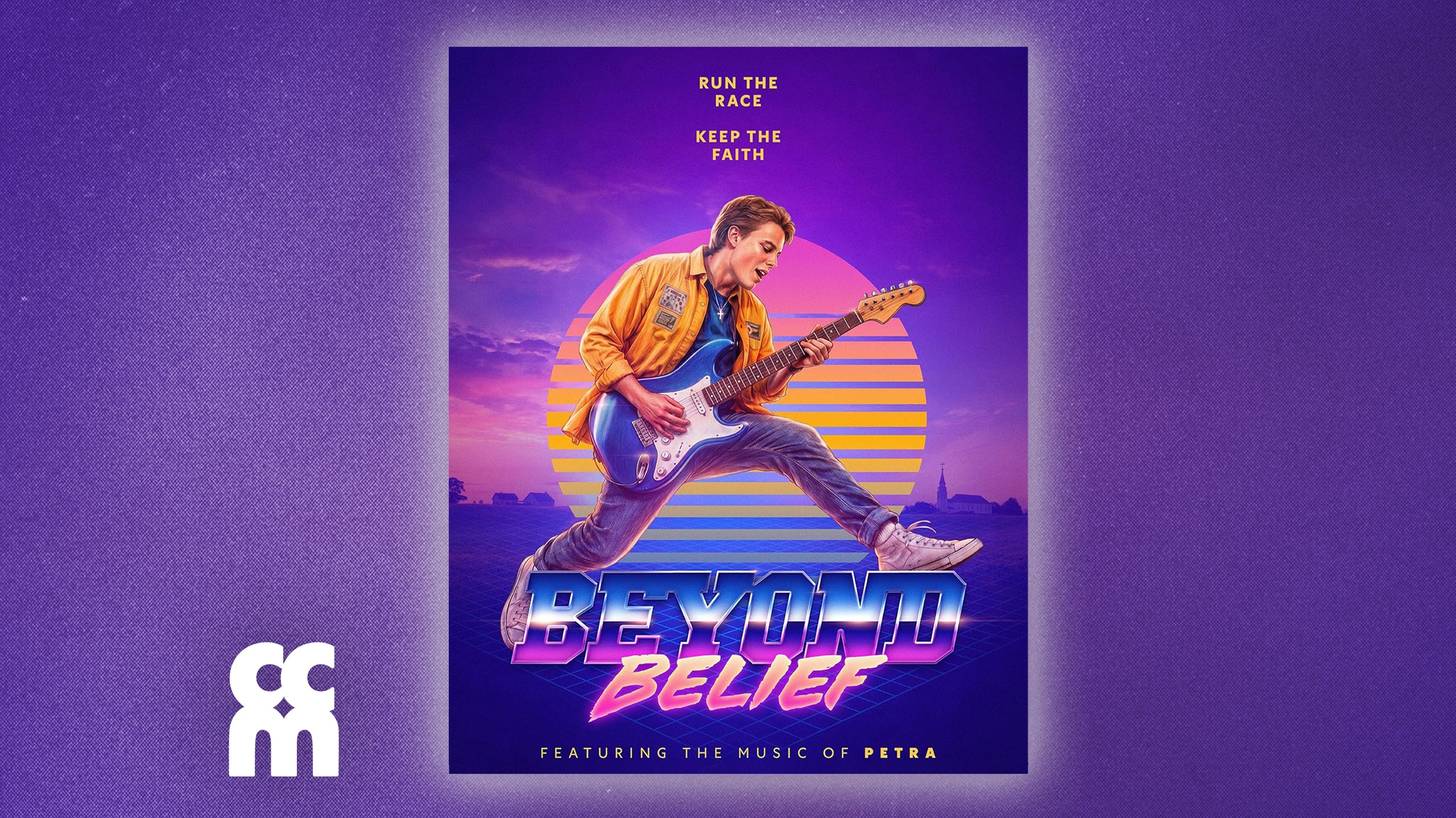
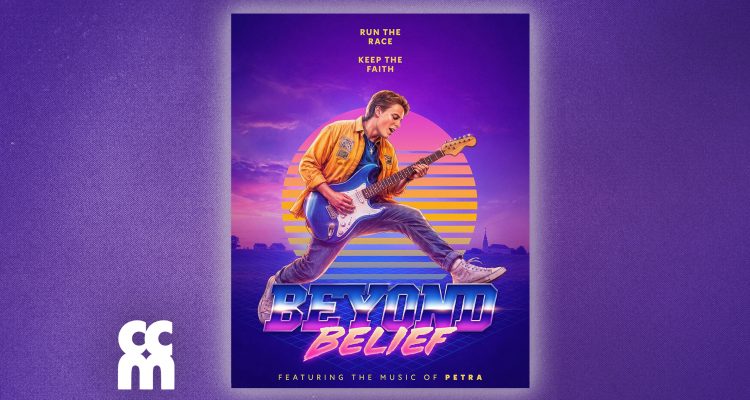
Now, more than fifty years after their inception, the group is breaking new ground once again. Rather than tracing its own historical trajectory through a conventional documentary, Petra has inspired something entirely unprecedented: Beyond Belief, an original narrative feature film set in the vibrant, neon-lit landscape of the 1980s and constructed around the band’s iconic musical catalog.
Directed by Johnny Meier and co-written by Meier alongside Darren Scott Jacobs and Joe Sanders, Beyond Belief is currently captivating audiences in theaters nationwide. It blends heartfelt coming-of-age drama, nostalgic 1980s aesthetics, and the timeless, guitar-driven soundscapes that defined a generation of believers. For longtime fans and newcomers alike, the film serves as both a cinematic time machine and a poignant exploration of grief, divine calling, and the pursuit of purpose.
Detailed Chronology: A 15-Year Journey from Concept to Screen
The path from an abstract idea to a completed feature film playing in commercial cinemas was neither short nor simple. According to Executive Producer Joe Sanders, Beyond Belief has been nearly fifteen years in the making.
The Inception (Late 2000s – Early 2010s)
The project began quietly, born out of a shared appreciation for the cultural impact of 1980s Christian contemporary music (CCM) and the profound role Petra played in shaping the genre. Sanders and his creative partners envisioned a narrative that did not merely exploit nostalgia, but instead utilized the emotional weight of Petra’s music to drive a fictional story of adolescent grief and spiritual awakening.
The Pitch and the Steak Dinner (Mid-2010s)
A pivotal moment in the film’s development occurred when the production team secured a meeting with Petra legends John Schlitt (lead vocalist) and Bob Hartman (founding guitarist and principal songwriter). Over what has affectionately become known in production lore as a crucial steak dinner, the filmmakers pitched their vision. They weren’t asking for permission to make a bio-pic; they were asking for the band’s blessing to weave their timeless tracks into an original 1980s narrative—and, ideally, to secure cameos from the founders themselves. Schlitt and Hartman agreed, setting the stage for a creative partnership that would bridge the gap between classic Christian rock history and modern filmmaking.
Principal Photography in Illinois (2020s)
Production officially ramped up with director Johnny Meier at the helm. Filming took place primarily in the historic suburbs of Chicago, including Woodstock, Illinois—a location famously recognized by cinema buffs as the stand-in for Punxsutawney, Pennsylvania, in the 1993 classic Groundhog Day. The sleepy, midwestern aesthetic of Woodstock provided an ideal, authentic backdrop for capturing the quintessential world of a teenage Christian rock fan navigating suburban life in the mid-1980s.
The Meta-Realities of Casting
Casting the fictionalized versions of Schlitt and Hartman presented a unique artistic hurdle. Actors Oscar Mansky and Jeremy Burchard stepped into the challenging roles of portraying young, energetic rock icons while the real-life Schlitt and Hartman watched from behind the monitors. According to the production team, the atmosphere on set was charged with a rare mix of pressure and mutual respect. For Schlitt and Hartman, watching actors in their twenties embody their younger selves was a profoundly surreal experience. Yet, their intentional efforts to make the young cast feel comfortable helped alleviate the tension, resulting in performances that brilliantly capture the kinetic energy of a 1980s Petra stage production.
Supporting Context & Metrics: The Cultural Footprint of Petra
To understand why Beyond Belief resonates so deeply, one must examine the monumental legacy of Petra within the broader landscape of popular music and Christian culture.
A Legacy of Innovation and Longevity
Formed in 1972 by guitarist Bob Hartman, Greg Hough, and Bill Glover, Petra (Greek for "rock") emerged during a time when Christian rock was largely viewed with suspicion by traditional church communities. Undeterred, the band pioneered a hard-rock and arena-pop sound heavily influenced by mainstream acts like Kansas, Styx, and Foreigner.
Over the decades, Petra achieved staggering milestones:
- Album Releases: More than 20 studio and live albums released over a span of five decades.
- Grammy Recognition: Four Grammy Awards won out of numerous nominations.
- Dove Awards: Ten Gospel Music Association Dove Awards, including multiple nods for Artist of the Year and Rock Album of the Year.
- The Hall of Fame: Induction into the Gospel Music Hall of Fame, cementing their status as true trailblazers.
The 1980s Golden Era
The film’s setting in the 1980s is no coincidence; it marks the commercial and spiritual peak of the band’s influence. Albums such as Not of This World (1983), Beat the System (1984), and the blockbuster, RIAA-certified Gold album Beyond Belief (1990) provided the soundtrack for millions of teenagers growing up in youth groups, Christian schools, and suburban neighborhoods across America.
For Generation X and older Millennials who grew up during this era, Petra was more than a band—they were a lifeline. They proved that faith and high-octane electric guitars could peacefully coexist, paving the way for contemporary giants like Switchfoot, Skillet, and TobyMac.
Official Statements and Behind-the-Scenes Insights
The thematic depth of Beyond Belief is captured in its official logline and promotional materials, which emphasize universal struggles of faith, identity, and divine guidance:
"Set in the 1980s, Beyond Belief follows Andy, a teenage rocker chasing his dream of making it big while struggling to cope with the loss of his father. When a mysterious voice urges him to ‘run,’ Andy is drawn into an unexpected journey that challenges his ambitions, tests his faith, and forces him to decide what kind of life he’s truly meant to live."
Executive Producer Joe Sanders notes that the long gestation period of the film allowed the creative team to refine the narrative until it balanced entertainment with genuine spiritual resonance:
"Filled with heart, humor, and the iconic music of Petra, Beyond Belief is an inspiring story about hearing God’s voice, trusting His plan, and discovering that His dreams for our lives are often bigger than our own."
For founding members John Schlitt and Hartman, participating in the project offered a rare chance at introspection. Watching actors recreate the intensity of their early touring days brought forth memories of relentless bus rides, stadium lights, and the countless fans whose lives were transformed by their lyrics. True to form, the rock veterans even managed to secure a few comedic moments in the film, reportedly delivering some of the biggest laughs in the feature.
Future Outlook: A Cinematic Blueprint for Faith-Based Storytelling
The release of Beyond Belief marks a potential turning point for how legacy musical catalogs are utilized in independent cinema. Rather than relying on the tired tropes of the standard biographical documentary, Beyond Belief demonstrates that classic music can be successfully repurposed as the emotional architecture for entirely new, fictional narratives.
As the film continues its theatrical run, early reactions suggest that its appeal extends far beyond aging nostalgic fans. While Gen-X moviegoers frequently describe the film as a literal time machine—complete with fist-pumping, head-nodding, and quiet sing-alongs during screenings—younger demographics are responding positively to its timeless themes of teenage angst, grief recovery, and the search for authentic identity.
The success of Beyond Belief begs a larger question for the Christian entertainment industry: Could this model inspire a new wave of narrative films built around the catalogs of other legendary 1980s and 90s CCM artists? If Beyond Belief is any indication, audiences are more than ready to embark on cinematic journeys powered by the soundtracks of their youth.
For now, Beyond Belief stands as a triumphant celebration of perseverance—both for the fictional character of Andy navigating the shadows of loss, and for Petra, a band that proved rock ‘n’ roll could be leveraged for a higher calling. Beyond Belief is currently playing in theaters nationwide, inviting a new generation to plug in, turn up the volume, and discover that faith can still rock.