
SEATTLE, WA — In the modern digital landscape of music education, platforms must continually evolve to meet the exacting standards of both developing students and seasoned professionals. Today, SightReadingMastery—a premier online resource dedicated to conquering one of the most notoriously difficult pillars of musicianship—announced a sweeping series of platform enhancements. Driven by years of rigorous curriculum development, expanding composer partnerships, and a deep understanding of pedagogical hurdles, these updates aim to revolutionize how musicians approach and master sight-reading.
Led by founder, software engineer, and professional musician Evan R. Murphy, the platform’s latest updates span four key pillars: the complete removal of practice caps for select tiers, the formal introduction of live one-on-one expert instruction, the rollout of expanded grade levels, and a streamlined restructuring of the site’s subscription architecture.
For an industry where technical fluency and spontaneous execution dictate professional opportunities, these structural shifts represent a monumental leap forward. This report provides an exhaustive, multi-faceted look at the innovations currently transforming the SightReadingMastery ecosystem.
Executive Overview
Sight-reading has long been regarded as the ultimate proving ground for instrumentalists. While technical proficiency on an instrument can be painstakingly drilled over months or years, the ability to interpret, process, and perform an unfamiliar score in real-time requires a distinct neurological and cognitive agility. Recognizing this challenge, SightReadingMastery was established in 2011 to bridge the gap between mechanical execution and absolute musical literacy.
Over the past decade, the platform has distinguished itself through a commitment to handcrafted, professionally composed music rather than algorithmic, computer-generated iterations. However, this dedication to artistic authenticity created a unique operational paradox: how to satisfy the insatiable appetite of dedicated musicians for fresh, high-quality repertoire without sacrificing the human element of composition.
The newly announced platform updates solve this logistical puzzle. By scaling up a talented global team of composers, SightReadingMastery has unlocked a sustainable pipeline of original music, enabling the complete abolition of monthly practice caps for higher-tier subscribers. Furthermore, recognizing that digital interfaces alone cannot completely replace human mentorship, the platform has institutionalized private video lessons with seasoned music instructors. Paired with newly minted grade levels and a clarified pricing structure, these updates signal a mature, user-centric evolution for a service that continues to redefine digital music pedagogy.
Detailed Chronology: The Evolution of SightReadingMastery
To truly understand the weight of these recent announcements, one must examine the developmental trajectory that brought SightReadingMastery to this juncture.
Phase One: The Solo Composition Era (2011–2015)
When Evan R. Murphy founded SightReadingMastery in Seattle, Washington, the operational model was intimate and manual. Armed with a formal background in composition, Murphy personally penned every single piece of music hosted on the platform. The objective was simple yet radical: provide musicians with clean, targeted exercises that progressed logically rather than jumping arbitrarily in difficulty.
During these formative years, the core challenge was sheer output. Writing hundreds of unique etudes across various keys, time signatures, and clefs demanded immense time. Consequently, usage tiers were heavily restricted to protect the proprietary library from being exhausted too quickly by eager students.
Phase Two: Building the Composer Collective (2015–2022)
As the platform gained traction among international conservatories, independent teachers, and self-taught instrumentalists, demand skyrocketed. Murphy recognized that a single composer could no longer sustain the expanding user base.
The platform transitioned into an inclusive collaborative model, vetting and recruiting a diverse team of talented composers. This strategic pivot exponentially accelerated the production rate of original music while meticulously maintaining—and arguably elevating—the artistic quality of the catalog. The library grew from a modest repository of foundational exercises into a vast, multi-genre, multi-instrument archive. Yet, despite this massive expansion, conservative usage caps remained a necessary operational safeguard—until now.
Phase Three: The Uncapped Horizon (Present Day)
The culmination of years of library expansion has finally rendered usage limits obsolete. By crossing a critical threshold in content volume, SightReadingMastery has eliminated all barriers to daily practice. Users on the newly minted Musician and Pro tiers can now engage in limitless sight-reading sessions.
Simultaneously, the platform has transitioned its experimental "Personal Workshops" into a fully integrated, streamlined service known simply as Private Lessons. Coupled with expansive new grade-level brackets and a simplified pricing architecture, this present era marks the most comprehensive overhaul in the company’s history.
Supporting Context & Metrics: The Mechanics of Musical Growth
Why do these updates matter in the grand scheme of musical pedagogy? To answer this, one must analyze the cognitive science behind sight-reading and the quantitative shift represented by SightReadingMastery’s new capabilities.
The Cognitive Bottleneck of Sight-Reading
Neuroscience reveals that sight-reading engages nearly every region of the human brain simultaneously. It requires visual decoding (interpreting notes on a staff), motor planning (mapping those notes to physical instrument mechanics), auditory feedback processing, and temporal regulation—all happening in fractions of a second.

When a musician encounters a piece of music they have played before, the brain relies on memory rather than true sight-reading faculties. True cognitive development occurs exclusively when the brain is forced to decode entirely unfamiliar patterns. This creates an insatiable demand for fresh material. Previously, when users hit their monthly limits on practice platforms, their developmental momentum stalled, forcing them into rote memorization or repetitive drills.
By lifting these restrictions, SightReadingMastery provides the volume of unique stimuli required to build enduring neural pathways. Musicians can now sight-read different pieces every single day of the year without ever exhausting the catalog’s depth.
Bridging the Digital-Human Divide
While software platforms excel at delivering infinite material, they historically struggled to provide real-time, nuanced feedback on physical posture, psychological performance anxiety, and subtle phrasing errors.
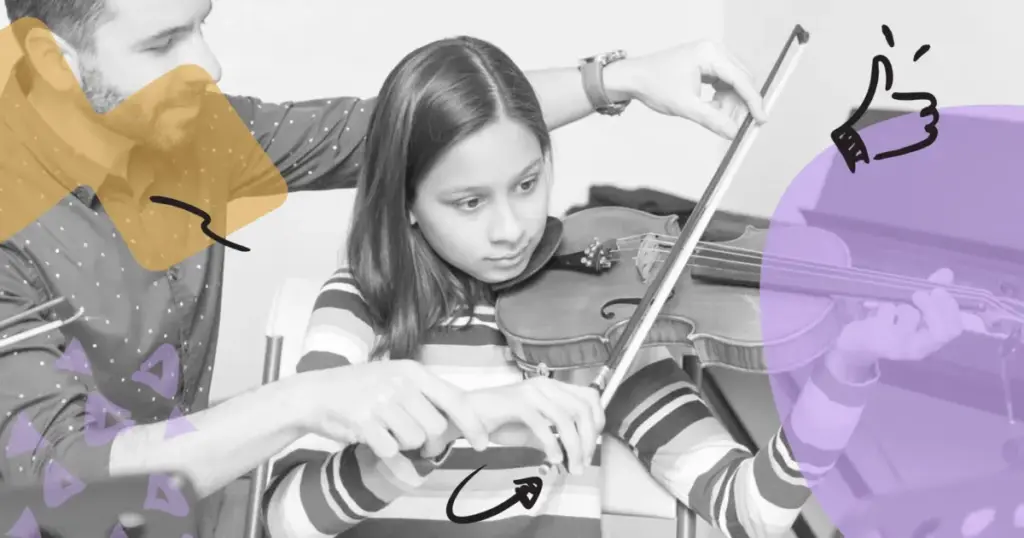
SightReadingMastery’s deployment of 30-minute, one-on-one video lessons addresses this exact vulnerability. Metrics from early pilot programs indicate that students who combine automated daily software practice with periodic live teacher interventions progress up to 40% faster than those relying solely on a singular medium. Teachers act as diagnostic auditors, helping students pinpoint "leverage points"—minor habits in eye movement, hand positioning, or rhythmic counting that, once corrected, unlock massive leaps in overall proficiency.
Official Statements and Architectural Restructuring
In conjunction with these operational milestones, SightReadingMastery has enacted structural updates to its user interface and subscription models to ensure maximum accessibility and clarity.
Renaming the Pricing Tiers
For years, subscribers navigated the platform via traditional solfège-inspired plan names: Do, Re, and Mi. While charming, these names occasionally created ambiguity for prospective users unfamiliar with foundational music theory terminology.
To eliminate confusion and better reflect the distinct demographics utilizing the service, the pricing plans have been formally rebranded:
- Student Plan: Tailored for casual learners and beginners taking their first structured steps into musical literacy.
- Musician Plan: Designed for dedicated instrumentalists seeking comprehensive access, unlimited sight-reading, and direct educator support.
- Pro Plan: Engineered for advanced students, professional musicians, and educators requiring the highest tier of comprehensive platform access.
Despite offering exponentially more value—including uncapped music generation and integrated private instruction options—the subscription price points remain locked at their historic lows, ensuring that elite-level sight-reading training remains economically viable for students worldwide.
Expanded Grade Levels and Instrument Support
To ensure inclusivity across all stages of musical development, SightReadingMastery has introduced several new grade levels. Whether an instrumentalist is operating at an absolute beginner level or challenging themselves with complex, conservatory-grade polyrhythms, the platform’s grading taxonomy ensures a seamless, frustration-free ramp-up in difficulty.
The platform continues to systematically broaden its instrument compatibility matrix. While piano and keyboard players have traditionally formed the bedrock of the user base, specialized arrangements for orchestral, band, and folk instruments are seeing continuous expansion. Users are encouraged to consult the official Instruments and Grade Levels portals for the most up-to-date deployment schedules.
Future Outlook: What Lies Ahead for SightReadingMastery
As SightReadingMastery looks toward the horizon, the roadmap ahead is defined by an aggressive commitment to technological refinement and pedagogical expansion.
According to founder Evan R. Murphy, the elimination of practice caps and the formalization of private lessons are merely stepping stones toward a broader vision of holistic musical fluency. Future updates will likely feature deeper interactive analytics, allowing users to track their visual processing speed, error frequency, and rhythmic precision through advanced data dashboards. Furthermore, the composer collective continues to scale, with plans to introduce multi-instrumental ensemble sight-reading challenges and stylistic deep-dives ranging from Baroque counterpoint to contemporary jazz improvisation.
For musicians who have long viewed sight-reading as an insurmountable obstacle or a tedious chore, the message from Seattle is clear: the barriers have been dismantled. With infinite professional repertoire at their fingertips and expert educators standing by to guide their journey, practitioners now possess every tool necessary to transform sight-reading from a source of anxiety into their greatest musical asset.
New users are invited to experience the upgraded platform firsthand. SightReadingMastery offers a risk-free entry point to test out core features. To begin your musical transformation, explore the subscription tiers or Start your free trial today.