
Executive Overview
The modern music educator’s job description is a paradox. On paper, it calls for a subject-matter expert capable of teaching theory, conducting ensembles, and shaping vocal or instrumental technique. In reality, the role demands an impossible hybrid of counselor, mediator, mentor, coach, scheduler, and occasional miracle worker. Day in and day out, music teachers pour immense emotional, creative, and physical capital into their students, their programs, and their broader school communities.
Yet, educators are frequently overburdened by administrative friction, fragmented resources, and legacy tools that add complexity rather than eliminate it. What the modern classroom requires is not another hurdle to clear, but an intelligent, reliable partner—a unified ecosystem designed to shoulder the administrative weight and elevate instructional impact from the first bell of the fall semester to the final curtain call of the spring concert season.
Enter MakeMusic, a comprehensive digital platform engineered to transform how music educators approach curriculum design, repertoire selection, daily practice, and long-term program development. By offering intuitive workflow tools, an expansive and diverse library of interactive sheet music, and robust supplemental supports, MakeMusic positions itself as an indispensable co-pilot for teachers navigating the academic year. This feature explores how leveraging an integrated digital toolkit can revolutionize curriculum planning, foster student engagement, and build the kind of thriving, sustainable programs that students choose year after year.
Detailed Chronology: Navigating the Academic Year with MakeMusic
Effective music education is rarely the result of improvised weekly lessons; it is born from intentional, strategic mapping that anticipates the entire academic arc. By integrating MakeMusic into a programmatic workflow, educators can establish a seamless seasonal roadmap that guides students from initial baseline assessments to peak performance readiness.
Phase 1: Fall Launch and Baseline Establishment (August – October)
The opening weeks of the academic year set the psychological and technical tone for everything that follows. During this foundational period, teachers face the dual challenge of assessing incoming skill levels while immediately establishing a culture of joyful, productive engagement.
- Backward Design Implementation: MakeMusic encourages educators to "begin with the end in mind." Whether the autumn goal is rebuilding post-pandemic ensemble morale, preparing for early-semester festivals, or simply sparking foundational joy, teachers can use the platform’s diagnostic tools to map a clear trajectory from current student capabilities to target proficiencies.
- Streamlined Onboarding: By deploying digital assignments and interactive practice tools early on, educators can quickly identify individual student needs without spending countless hours manually grading preliminary worksheets.
Phase 2: Winter Deep-Dive and Skill Development (November – February)
As the novelty of the new school year fades and the winter months set in, maintaining student momentum can prove challenging. This is the critical window for focused technical growth, section-specific intervention, and repertoire mastery.
- Targeted Repertoire Integration: Teachers can move beyond standard, checkbox-style literature, utilizing MakeMusic’s exclusive content catalogs to introduce pieces that genuinely resonate with modern student demographics.
- Differentiated Practice: Because no two students learn at the exact same pace, the platform allows educators to assign modified parts, adjust tempos, and provide instant, automated feedback on pitch and rhythm. This ensures that advanced section leaders remain challenged while students still finding their footing receive vital, low-stakes reinforcement.
Phase 3: Spring Evaluation and Concert Season (March – May)
Spring brings the high-stakes environment of contest season, festival ratings, and culmination concerts. The administrative demands during this stretch peak exponentially.
- Contest and Festival Preparation: MakeMusic features deep libraries of adjudicated contest literature, complete with accompaniment tracks and interactive assessment tools that simulate performance conditions. Students can practice independently at home, holding themselves accountable and arriving at rehearsals better prepared.
- Reducing Teacher Burnout: By automating routine progress checks and providing ready-to-use rehearsal tracks, the platform lightens the load during the most grueling weeks of the academic calendar, allowing educators to focus on expressive musicality rather than mechanical corrections.
Supporting Context & Metrics: The Intersection of Curriculum, Morale, and Retention
Curriculum planning in music education is fundamentally linked to student retention. Unlike many academic subjects, music is an elective path; students stay because of how a program makes them feel and what value they derive from belonging to the ensemble.
The Psychology of Program Retention
Educational research consistently demonstrates that student persistence in the arts relies heavily on three psychological pillars: competence, relatedness, and autonomy.

- Competence: Students need to feel that they are improving. When music is too difficult, they experience frustration; when it is too easy, they disengage. MakeMusic’s adaptive practice environment addresses this by allowing students to slow down complex passages, loop difficult measures, and build technical mastery incrementally.
- Relatedness: Ensemble culture relies on shared experiences. When a program is bogged down by administrative chaos or administrative burnout from the director, the vibrant energy of the room suffers. Streamlining workflow preserves the teacher’s emotional bandwidth for direct mentorship.
- Autonomy: Providing students with choices in supplemental repertoire and allowing them to track their own growth fosters a sense of ownership over their musical journey.
The Community Ripple Effect
Program recruitment and retention extend far beyond the classroom walls. Word-of-mouth advocacy is the single most powerful driver of enrollment growth in school music programs.
- Happy Students, Active Advocates: When students experience success, feel supported by their director, and enjoy the music they are playing, they become natural ambassadors for the program, encouraging their peers to enroll.
- Parental Buy-In: Parents observe the emotional resonance of music education at home. When they see their child engaged with interactive, modern practice tools rather than struggling in isolation with traditional paper scores, their confidence in the value of the music program solidifies. They, in turn, become vocal supporters within the broader school community and booster organizations.
As the industry insights emphasize, a student may eventually forget the exact adjudicator’s score received at a regional festival, but they will never forget the psychological safety, the rigor, and the deep sense of pride they felt walking into the rehearsal room every single day.
Official Perspectives and Educational Impact
Leading voices in music pedagogy and educational technology continue to stress the importance of moving away from administrative overload toward high-yield instructional strategies.
"The traditional music educator is expected to wear a dozen different hats while maintaining artistic excellence," notes curriculum development specialists within the arts education sector. "When technology is designed thoughtfully, it doesn’t replace the human element of teaching—it protects it. By automating the mechanical aspects of practice tracking, sight-reading generation, and repertoire sorting, platforms like MakeMusic give teachers back the most precious commodity in education: time to actually teach, connect, and inspire."
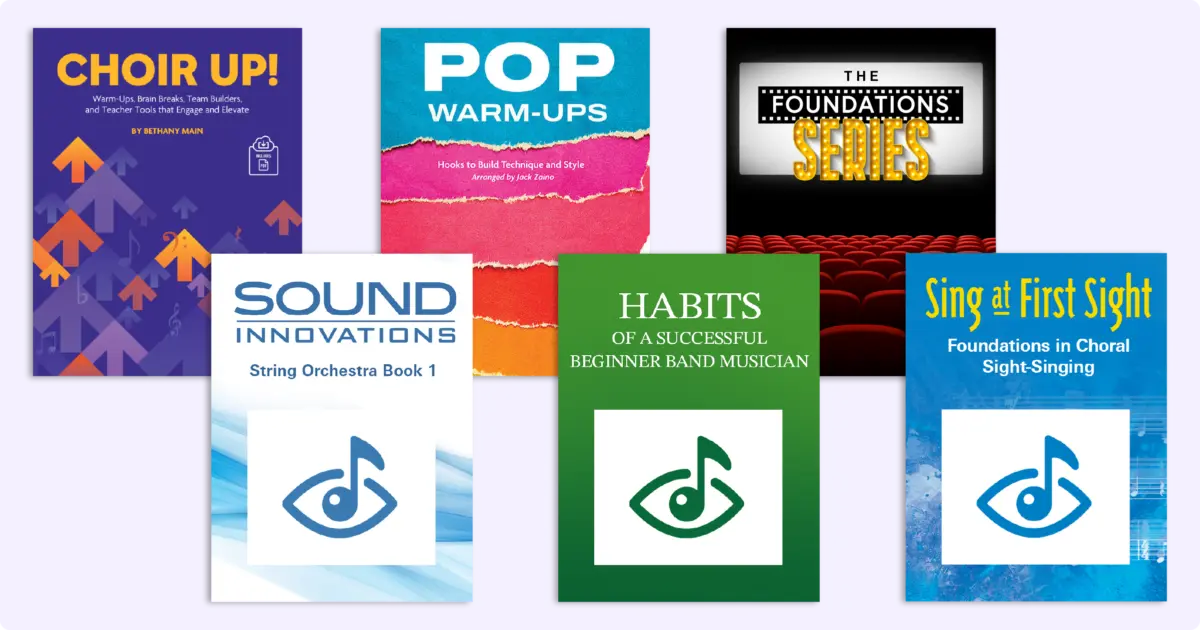
Furthermore, pedagogical experts highlight the importance of diverse, engaging repertoire in maintaining student interest across diverse learning styles. Exclusive content libraries—ranging from specialized sight-reading generators and pop warm-ups to dedicated vocal and instrumental foundations—ensure that educators are not bound by rigid, outdated canons. Instead, they can curate dynamic, flexible curricula that speak directly to the lived experiences of twenty-first-century learners.
Future Outlook: The Evolution of Digital-Assisted Music Education
Looking ahead, the landscape of music education will continue to be shaped by the thoughtful integration of digital tools. As schools face ongoing resource constraints and shifting demographic demands, the sustainability of music programs will depend heavily on operational efficiency and pedagogical innovation.
The future points toward hyper-personalized learning pathways where software assists educators in diagnosing technical bottlenecks in real-time, freeing the director to focus exclusively on interpretive nuance, ensemble blend, and emotional expression. MakeMusic’s ongoing development reflects this trajectory, bridging the gap between traditional conservatory rigor and modern digital accessibility.
For educators seeking to alleviate administrative fatigue, elevate their instructional design, and build resilient programs that stand the test of time, adopting a reliable curricular partner is no longer a luxury—it is an operational necessity.
Ready to make this your most organized, connected, and effective academic year yet? Start your free MakeMusic trial today to experience firsthand how streamlined curriculum planning transforms the classroom experience for both teachers and students.