
Executive Overview
As the autumn academic semester shifts from administrative startup phases—such as student roster finalization, instrument rental distribution, and early tone-setting—toward rigorous musical preparation, music educators face a perennial challenge. The transition from basic classroom management to evaluating individual student comprehension becomes paramount, particularly as the initial grading period closes and preparation for high-stakes fall and winter concerts accelerates.
Historically, digital music education platforms have relied heavily on automated performance assessments drawn directly from pre-existing music catalogs. While valuable for tracking pitch and rhythm accuracy against published repertoire, these traditional tools have often left a critical blind spot: the qualitative mechanics of how students practice away from the podium, and their cognitive understanding of music theory prior to physical execution.
Addressing this pedagogical gap, music technology platform MakeMusic has announced an expansion of its evaluation suite, introducing two flexible, highly adaptable assignment types: Audio/Video-Only Assignments and Multiple Choice Assessments. Designed specifically for middle school and high school band, orchestra, and choir ensembles, these features aim to provide directors with deeper insights into student technique, posture, and visual-literacy comprehension. By blending auditory performance tracking with self-reflection and written music theory checks, music educators can establish a balanced weekly routine that fosters self-correcting habits, streamlines grading workflows, and ultimately produces more musically independent performers.
Detailed Chronology: Navigating the Critical Transition Period in Ensemble Classrooms
The early months of any school year dictate the trajectory of a performing ensemble. The chronology of this foundational period typically follows a distinct, high-pressure timeline that requires strategic pedagogical interventions.
Phase One: Roster Stabilization and Instrument Distribution (Weeks 1–3)
The academic year opens with logistical hurdles. Directors must manage instrument fittings, secure proper equipment rentals, establish seating charts, and memorize dozens—sometimes hundreds—of new student names. During this window, instruction centers on basic classroom routines, foundational breathing and embouchure exercises, and initial ensemble blend. Assessment is largely informal, relying on quick visual and auditory checks across the full room.
Phase Two: The Diagnostic Turning Point (Weeks 4–6)
As the dust settles, the harsh reality of disparate skill levels within the ensemble surfaces. Some students excel with advanced home practice habits, while others struggle silently with mechanical posture, hand positions, or fundamental music reading. This juncture represents the critical window before the first formal grading period closes. Educators must quickly diagnose individual proficiencies to assign appropriate parts, address technical deficiencies, and avoid compounding errors that will later derail concert repertoire.
Phase Three: Integration of Flexible Digital Tools (Weeks 7 and Beyond)
Recognizing the limitations of blanket performance metrics, innovative educators are leveraging updated software capabilities to bridge the divide between rehearsal halls and home practice spaces. By integrating targeted Audio/Video assignments and Multiple Choice theory checks, directors can implement formative assessments that target cognitive comprehension and physical technique simultaneously, setting a sustainable routine for the remainder of the semester.

Supporting Context & Metrics: The Science of Self-Correction and Cognitive Pre-Assessment
To understand the value of MakeMusic’s expanded assessment types, one must examine the cognitive science behind independent music practice. Educational research consistently demonstrates that unguided home practice frequently reinforces bad habits. Without real-time feedback, students often repeat technical errors—such as collapsed hand structures, improper bow grips, or tensely locked embouchures—dozens of times before the next rehearsal.
The Mechanics of Audio/Video-Only Assignments
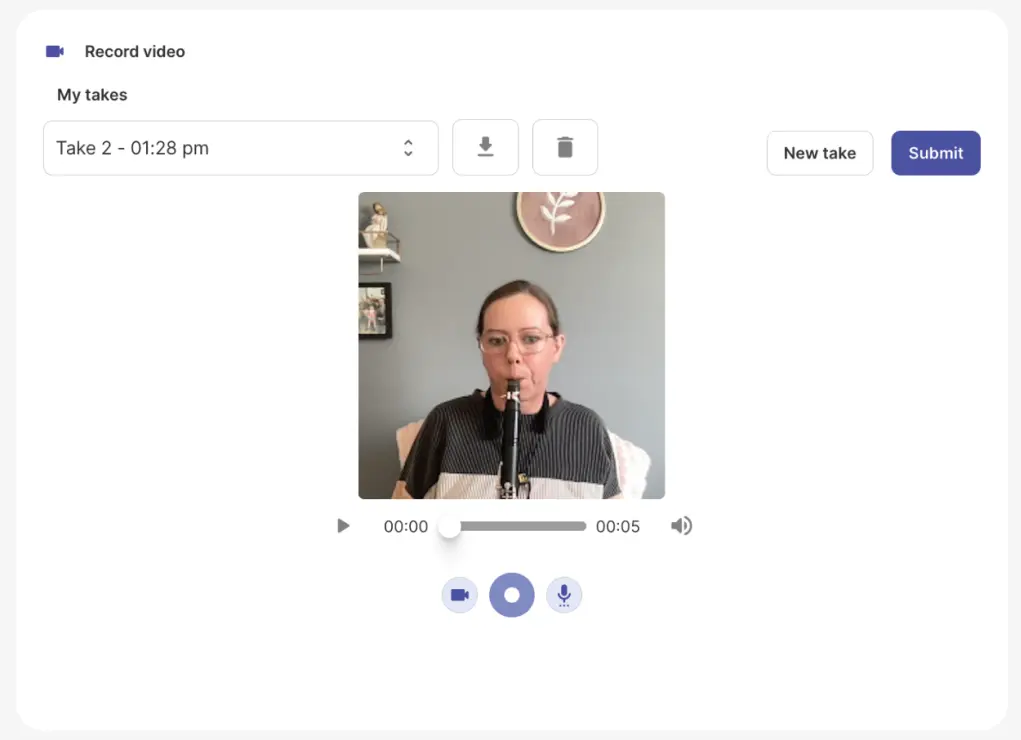
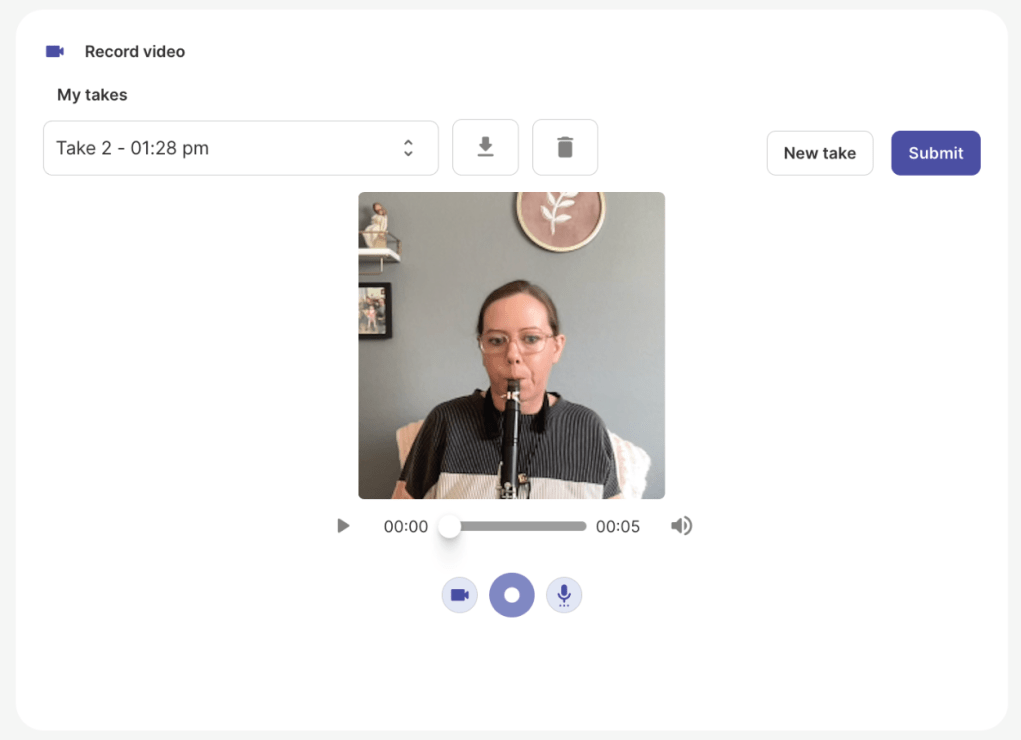
Audio/video-only assignments shift the digital paradigm from a pure "right-or-wrong" pitch detector to a comprehensive observational tool. When students record themselves via video, they are forced to confront their physical relationship with their instrument.
- Breaking the Isolation Barrier: In a traditional home practice scenario, students rarely hear or see themselves objectively. Recording a 15-minute practice session allows them to audit their physical habits.
- Fostering Autonomy: By reviewing their own footage, students transition from passive learners waiting for teacher correction to active diagnosticians capable of identifying posture slips, intonation drifts, and rhythmic inaccuracies.
- Actionable Teacher Oversight: For the director, reviewing these video submissions provides a direct window into home environments, revealing whether students are practicing in ergonomic conditions and executing warm-ups with proper physical mechanics.
The Power of Cognitive Pre-Assessment via Multiple Choice
Historically, written music theory has existed in a silo, separate from applied instrumental or vocal rehearsal. MakeMusic’s integration of customizable Multiple Choice assessments—incorporating text, uploaded musical scores, and graphical images—merges theory directly with performance preparation.
- Targeting Visual Literacy: Before a student picks up their instrument to sight-read a complex new concert piece, they must navigate key signatures, accidentals, dynamic markings, and unusual meter changes.
- The "Pre-Practice Check": By deploying a brief, 5-minute multiple-choice quiz prior to tackling a piece, educators ensure that students have cognitively parsed the score.
- Eradicating Sight-Reading Frustration: When students understand the theoretical landscape of a composition before executing it, their home practice sessions shift from frustrating stumbles to productive, confident skill-building.
Building a Balanced Weekly Routine in the Modern Ensemble
Integrating diverse assessment tools does not require rewriting an entire curriculum or adding hours to an already demanding lesson-planning schedule. Successful music educators utilize a rotating matrix of assignment types to ensure comprehensive student development without causing educator burnout.
┌─────────────────────────────────────────────────────────┐
│              BALANCED WEEKLY ENSEMBLE ROUTINE           │
├──────────────────────┬──────────────────────────────────┤
│ Assignment Type      │ Pedagogical Focus                │
├──────────────────────┼──────────────────────────────────┤
│ Multiple Choice      │ Theory, Key Signatures, Markings │
│ Audio/Video Review   │ Posture, Hand Position, Technique│
│ Catalog Performance  │ Pitch, Rhythm, Repertoire Mastery│
└──────────────────────┴──────────────────────────────────┘
By cycling through these modalities throughout the week, directors touch upon every pillar of comprehensive musicianship:
- The Theory Check (Day 1): A brief multiple-choice assessment ensures students recognize structural elements in upcoming repertoire.
- The Technique Audit (Mid-Week): An audio/video-only recording focuses purely on physical posture and ergonomic execution during warm-ups or technical exercises.
- The Repertoire Showcase (End of Week): A traditional catalog-based performance assessment evaluates notes, rhythms, and expressive phrasing within the context of the concert literature.
Furthermore, administrative friction is minimized through native integrations like Google Grade Passback. Scores generated across all assessment types sync directly to the Google Classroom gradebook, cutting down data-entry hours and giving directors more time to focus on student engagement.
Official Statements and Pedagogical Perspective
Industry analysts and music education advocates have praised the move toward multi-modal digital assessments, noting that the modern music classroom demands tools that reflect holistic learning theories rather than narrow, algorithm-driven evaluations.
"For decades, music technology focused heavily on whether a student played the correct pitch at the correct time," notes a prominent curriculum specialist in arts education. "While automated pitch-matching is an invaluable tool, it completely bypasses the human element of physical posture, visual literacy, and metacognition. Allowing educators to evaluate what students see, how they position their bodies, and what they understand conceptually before they play represents a massive leap forward for instrumental and vocal pedagogy."
Educators currently utilizing the platform report immediate shifts in student engagement. By removing the intimidation factor of traditional automated scoring and replacing it with formative, observation-based checkpoints, students exhibit lower anxiety levels and higher rates of constructive self-reflection.
Future Outlook: The Evolution of Digital Music Instruction
As school districts increasingly embrace hybrid learning models and data-driven instruction, the expectations placed on fine arts educators continue to evolve. Administrators increasingly demand objective data demonstrating student growth in creative disciplines, while directors fight to preserve the artistic, expressive soul of ensemble performance.
The convergence of audio/video analysis, customizable written assessments, and traditional performance tracking points toward a sophisticated future for music education technology. Platforms that successfully bridge the gap between cognitive understanding and physical execution will likely become indispensable infrastructure for modern middle and high school music programs.
For directors looking to refine their instructional strategies without overhauling their existing syllabi, the path forward is incremental. By introducing a single audio/video assignment or a targeted multiple-choice pre-practice check into next week’s lesson plan, educators can instantly unlock a clearer, more nuanced view of their students’ capabilities.
As the fall concert season approaches, leveraging these flexible assessment types ensures that when the house lights dim and the baton drops, the ensemble onstage is built on a foundation not just of memorized notes, but of deep, comprehensive musicianship.