
The journey to the Broadway stage is rarely a straight line. Behind every soaring high note, meticulously pinned costume, and perfectly timed lighting cue lies a labyrinth of rigorous academic conservatories, grueling graduate programs, informal apprenticeships, and pivotal mentorships. As part of Playbill’s comprehensive How Did I Get Here feature series—highlighted during its annual Back to School Week coverage—25 prominent theater professionals peeled back the curtain on their formative years.

Far from painting a monolithic picture of success, these artists demonstrate that the pathway to live theater is a mosaic of unconventional backgrounds, institutional training grounds, and defining moments of mentorship. Whether through the halls of prestigious institutions like NYU Tisch, the London College of Fashion, and the Boston Conservatory, or via the gritty trial-and-error of regional dinner theaters and high school drama clubs, these professionals credit their longevity to the educators and mentors who recognized their potential before they could see it themselves. This feature synthesizes the profound institutional journeys, pedagogical philosophies, and foundational encounters that shaped some of Broadway’s most celebrated actors, musicians, designers, and stage managers.

Detailed Chronology: Formative Foundations to Broadway Breakthroughs
The genesis of a theatrical career often begins far away from the bright lights of Times Square. Tracing the educational trajectories of these 25 industry leaders reveals how early exposure to the arts lays the groundwork for professional resilience.
Early sparks and high school incubators
For many future Broadway mainstays, the love for the stage was ignited during adolescence, frequently catalyzed by passionate high school educators who treated student productions with professional seriousness.
- Christina Grant (Makeup Artist and Designer) took her first stage makeup class at the Milwaukee High School of the Arts under the guidance of Mr. Valdes, who treated teenagers like young professionals and instilled a lifelong appetite for risk-taking.
- Christian Cowan (Costume Designer) noted that his formative years in London frameworked his creative development, teaching him the invaluable technical skills of garment construction at Central Saint Martins and the London College of Fashion.
- Teal Wicks (Actor) traces her theatrical roots back to the sixth grade under the tutelage of Mr. Thornton, who introduced her to Shakespeare, fostered critical thinking, and cast her as Calpurnia in Julius Caesar—a role that cemented her performance aspirations.
Conservatory and collegiate crossroads
As these artists transitioned to higher education, their paths diverged into specialized tracks, reflecting the diverse demands of the modern theatrical ecosystem.
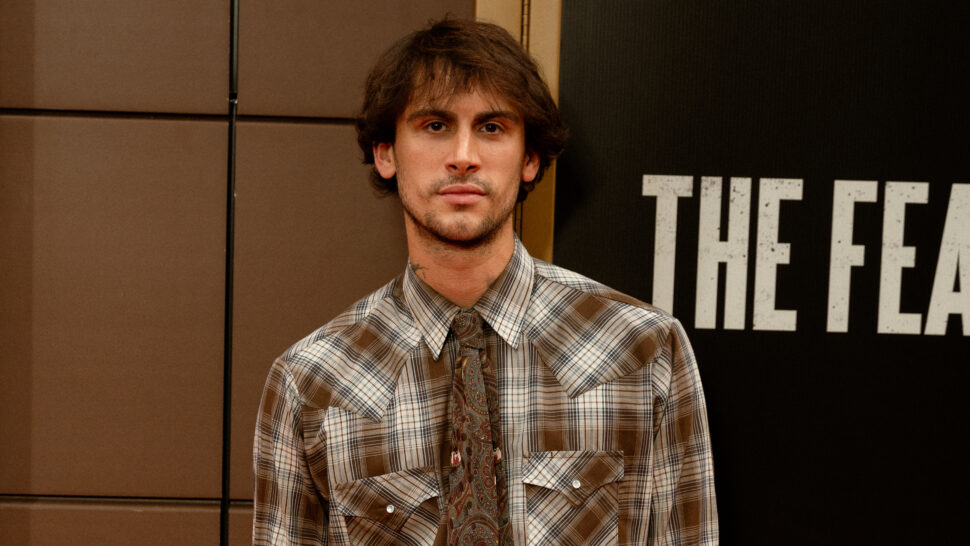
- Musical Theatre Training Grounds: Artists like Caleb A. Barnett (University of Central Oklahoma), Max Clayton (University of Cincinnati College-Conservatory of Music), Bradley Gibson (Boston Conservatory), Tam Mutu (Guildford School of Acting), and Nichelle Lewis (CAP21) immersed themselves in intensive BFA programs. These grueling environments demanded physical and vocal endurance, ultimately serving as crucibles that transformed raw talent into professional-grade artistry.
- Multidisciplinary and Non-Traditional Paths: Not everyone entered the industry through a traditional musical theater pipeline. Ethan Popp (Orchestrator) began studying performance piano at the University of New Hampshire before dropping out to move to New York City, choosing self-directed mentorship over institutional conformity. Similarly, Justin Ellington (Sound Designer) transitioned from an architecture major at Hampton University to Music Engineering Technology, leaning heavily on hands-on ensemble work with the Freddie Hendricks Youth Ensemble of Atlanta.
The pivot to the professional sphere
Bridging the gap between formal education and professional employment often required taking immense leaps of faith. Richard Hodge (Stage Manager), who lacked formal training, stumbled into stage managing Company during his junior year at Tarkio College. After pursuing acting in Los Angeles, he returned to stage management, eventually building a storied Broadway career through sheer persistence and on-the-job learning.
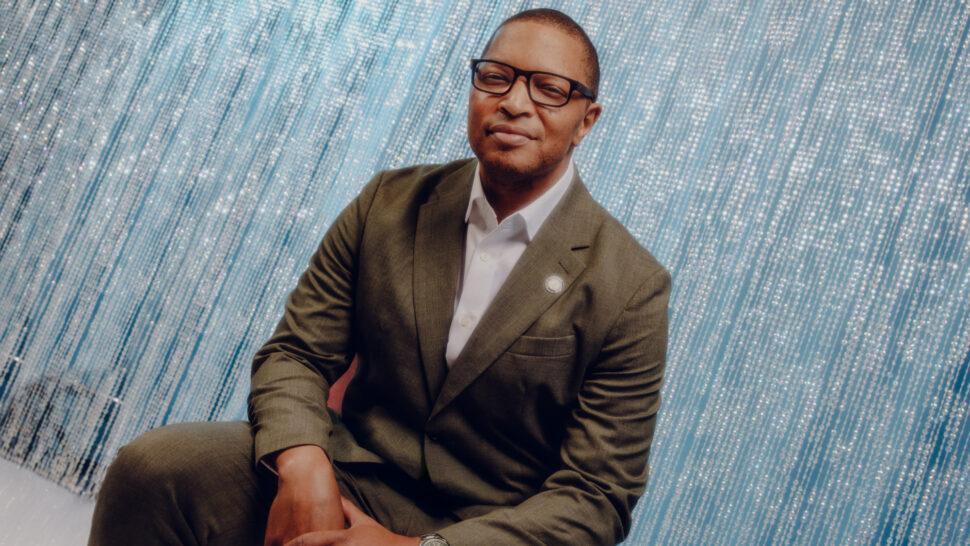
Meanwhile, multi-hyphenate Andy Karl (Actor) described his education as a "Frankenstein’s monster," combining lessons from his music-educator mother, early stints in dinner theaters surrounded by salad bar sneeze guards, and independent classes at the Broadway Dance Center before landing leading roles across the theatrical spectrum.

Supporting Context & Metrics: The Anatomy of a Broadway Career
Analyzing the educational backgrounds of these 25 theater professionals provides a fascinating statistical snapshot of how the industry sources its talent.

- The Power of the BFA: Approximately 60% of the profiled artists completed a Bachelor of Fine Arts (BFA) degree, with Musical Theatre and Acting concentrations dominating the pool. Institutions such as Boston Conservatory, NYU Tisch, Ithaca College, and the University of Cincinnati CCM appear multiple times as premier pipelines to professional stages.
- The Graduate School Advantage: For technical designers and classical actors, graduate education serves as a critical differentiator. Professionals like Christina Grant (MFA in Wig and Makeup Design from UNCSA), Clint Ramos (MFA from NYU Tisch), and Jin Ha (MFA in Acting from NYU Tisch) leveraged advanced degrees to master the high-level technical precision required for Broadway design and performance.
- The Mentorship Factor: Across every discipline—whether acting, stage management, lighting, or orchestration—100% of the artists highlighted at least one specific mentor whose intervention fundamentally altered their career trajectories. Crucially, these turning points were rarely about technical instruction alone; they were moments of psychological validation. Mentors challenged students to stop "making themselves small," encouraged them to embrace failure, and explicitly stated, "You could do this for a living."
Official Statements & Pedagogical Philosophies
The core of Playbill’s retrospective lies in the personal reflections of these artists regarding the teachers who left an indelible mark on their careers. Their statements underscore the profound psychological and emotional dynamics of theatrical training.

On pushing past self-doubt and finding one’s voice
- Max Clayton on Kimberly de Acha (CCM): "I came in without much technical training… I often hid behind [dance] while feeling less confident in my singing. Kimberly was the first person who truly told me my voice was special simply because it’s mine. It completely changed my mindset and helped me move beyond thinking of myself as ‘just a dancer.’"
- Samantha Pauly on her Viterbo University professor: "She said very plainly, ‘You could come into the music theatre lab every day and wipe the floor with everyone, why don’t you?’… I try to carry that with me still… It doesn’t pay to make yourself smaller for the sake of others."
On the necessity of rigor and safe spaces to fail
- Caleb A. Barnett on Dr. Sandra Thompson (University of Central Oklahoma): "She pushed and allowed me to fail so I could understand the mistakes I was making. Because of her persistence and tenacity to ensure I succeeded, I get to live my dream eight times a week."
- Nichelle Lewis on Azudi Onyejekwe (CAP21): "Azudi has this groundedness about him… He saw something even I couldn’t see at the time within me and believed in me from the start. To this day, Azudi mentors me and has made it his mission to teach and guide others, creating a safe space…"
On humanizing leadership in high-stress environments
- Christina Grant on Judy Chin: "She treats her crew like human beings. This is paramount in the entertainment industry, which sometimes feels like a meat grinder. Watching her manage a crew with humanity and kindness… has made a huge impact on how I approach any design or department head job."
- Cody Renard Richard on Peter Sargent (Webster University): "Peter quickly became my mentor and gave me numerous opportunities for me to grow and fail. He taught me the importance of learning by doing. He didn’t teach from a textbook, and I was so appreciative of that."
Future Outlook: The Evolving Landscape of Theatrical Education
As the theatrical industry continues to evolve in the post-pandemic era, the insights shared by these 25 professionals offer a vital roadmap for the next generation of theater-makers. The traditional boundaries separating formal academic institutions from real-world, hands-on training are increasingly porous.

As highlighted by veterans like Ethan Popp and Richard Hodge, the mechanics of Broadway are demanding new forms of adaptability. While prestigious conservatories like NIDA, the Guildford School of Acting, and Webster University remain gold standards for technical proficiency, the industry increasingly values soft skills: emotional intelligence, collaborative empathy, resilience in the face of rejection, and the courage to claim space in a crowded room.
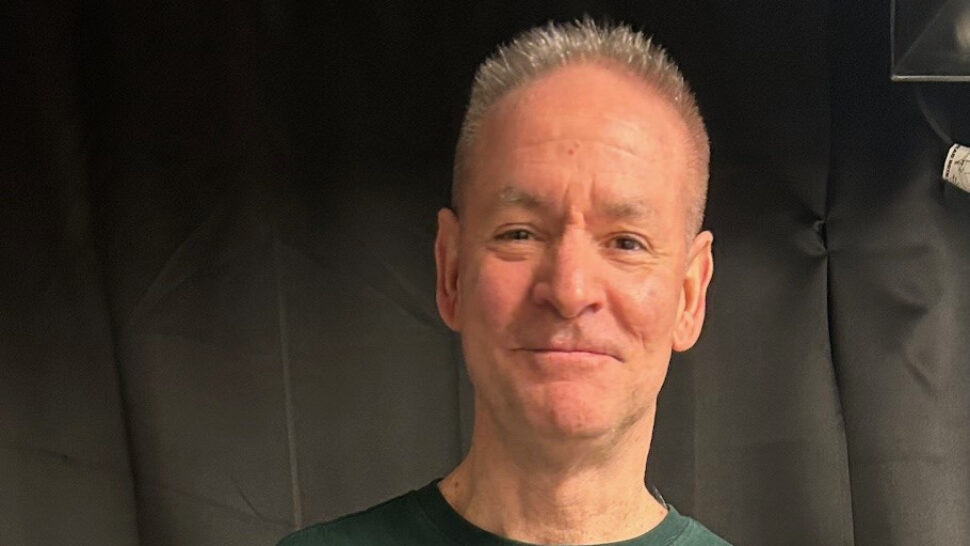
Ultimately, Playbill’s Back to School Week spotlight serves as a testament to the fact that while curricula, software, and training methods will inevitably modernize, the beating heart of theater education remains deeply human. It relies on a teacher pulling a student aside after a rehearsal to say, "John, you are home," or a mentor dropping off a pizza on opening night to make a newcomer feel like they belong. For the aspiring actors, designers, musicians, and stage managers reading these accounts, the message is clear: the journey to Broadway is arduous, but with the right community, the magic of live theater is well within reach.