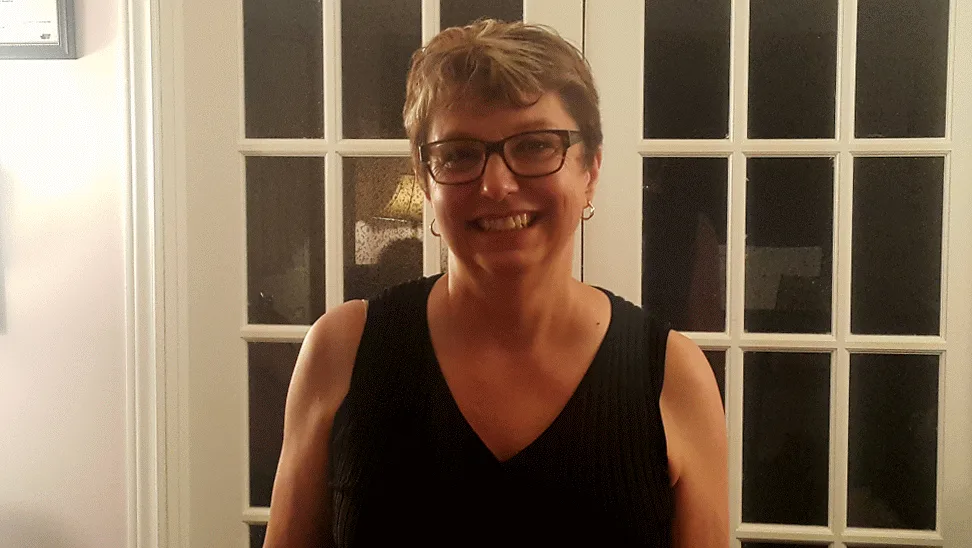

OTTAWA/KINGSTON, ONTARIO — For more than thirty years, Mary Ellen Stoll lived with the invisible aftermath of vocal cord surgery. Once a passionate singer silenced by medical intervention, heavy career demands, and family responsibilities, Stoll faced a reality familiar to countless vocal performance enthusiasts: a fragile, unreliable instrument that fatigued easily and frequently succumbed to bouts of complete laryngitis.
However, a recent retirement sparked a renewed ambition to return to the stage and join a local women’s barbershop chorus. That aspiration led her into an intensive, transformative rehabilitation program under the guidance of renowned vocal coach and alternative voice repair specialist Diana (founder of the Vocal Science™ technique).
This in-depth investigative report explores Stoll’s journey from chronic vocal instability to restored artistic expression, examining the mechanics of non-surgical voice repair, the intersection of holistic health and vocal science, and the broader implications of specialized voice coaching for individuals recovering from historical laryngeal trauma.
Executive Overview
Vocal cord nodules—benign growths typically caused by chronic vocal abuse or misuse—are a common occupational hazard for singers, teachers, public speakers, and avid vocalists. While surgical intervention can remove these lesions, surgery alone does not correct the underlying biomechanical habits that caused them in the first place. Without a complete restructuring of how sound is produced, patients frequently experience recurring strain, fatigue, and tissue inflammation.
Mary Ellen Stoll’s case offers a compelling look at the limitations of traditional recovery pathways and the potential efficacy of alternative, holistic voice mechanics. Following a 20-hour intensive regimen with Diana, Stoll reported an immediate cessation of vocal pain, a dramatic increase in projection and tonal clarity, and the successful return to choral singing without post-practice soreness.
Key Highlights of the Case:
- Historical Context: Over 30 years of chronic vocal fatigue, recurring laryngitis, and performance avoidance following nodule removal surgery.
- The Catalyst: Retirement and a subsequent desire to join a regional ladies’ barbershop chorus, which was met with hesitation from the chorus director due to health concerns.
- The Intervention: A 20-hour immersion in the Vocal Science™ technique, focusing on structural body-voice alignment, resonance shifting, and herbal supplementation.
- The Outcome: Total elimination of post-practice vocal soreness, expanded vocal volume and pitch stability, and validation of alternative rehabilitation methodologies.
Detailed Chronology: From Surgical Intervention to Artistic Revival
To fully understand the magnitude of Stoll’s recent breakthrough, it is necessary to examine the timeline of her vocal challenges, which spanned more than three decades.
Phase 1: The Post-Surgical Silence (Early 1990s)
Over thirty years ago, Stoll underwent surgery to excise vocal cord nodules. While the medical procedure successfully removed the physical growths, it left her vocal apparatus in a vulnerable state. Compounded by the relentless pressures of raising a family and maintaining a demanding career in the biological sciences, Stoll made the difficult decision to step away from singing entirely.
During this period, her voice remained a constant source of frustration. It lacked endurance, could not be relied upon under pressure, and routinely collapsed into complete laryngitis multiple times a year. The underlying physiological mechanics of her speech and breath support had never been properly retrained, leaving her vocal cords perpetually exposed to micro-trauma.
Phase 2: The Retirement Catalyst and the Barbershop Ambition
Decades later, retirement offered Stoll the time and space to revisit her lifelong passion for music. She set her sights on joining a local ladies’ barbershop chorus—a demanding vocal environment characterized by tight harmonic blends, sustained projection, and rigorous rehearsal schedules.
However, her initial reintegration into group singing was met with immediate physical warning signs. The chorus director expressed legitimate concern that Stoll would permanently damage her vocal cords if she continued without professional oversight. Furthermore, Stoll herself experienced acute laryngeal soreness following standard two-hour rehearsals.
Recognizing that conventional paths offered little hope for functional recovery, Stoll began searching for specialized, non-traditional interventions. Her search ultimately led her to Diana and the Vocal Science™ methodology.
Phase 3: The 20-Hour Intensive Immersion
Several weeks prior to her public testimony, Stoll embarked on a rigorous, 20-hour immersion program with Diana. Unlike traditional voice lessons focused primarily on repertoire or aesthetic styling, the Vocal Science™ approach treats the voice as an integrated physical system dependent on total-body mechanics.
During the intensive sessions, Stoll was introduced to radical realignments in how she produced both speech and song. She noted that the physical exertion shifted away from her delicate laryngeal tissues and into unexpected anatomical zones. "After several hours with her, my vocal cords do not hurt or aren’t tired—just my cheek muscles!" Stoll remarked.
This shift highlights a core principle of advanced voice mechanics: moving the burden of resonance and projection away from the vocal folds and into the facial mask, resonators, and optimal breath support systems.
Supporting Context & Metrics: The Science of Non-Surgical Voice Repair
Stoll’s background as a scientist trained in the biological disciplines makes her endorsement of alternative methodologies particularly noteworthy. Initially skeptical of non-traditional practices, Stoll found herself surprised by the physiological efficacy of both the physical techniques and the complementary herbal regimens recommended during her recovery.
The Biomechanical Shift
When vocal cords are compromised by past surgery or chronic misuse, the body often compensates by applying excessive muscular tension around the larynx (hyperfunction). This creates friction, prevents proper closure of the vocal folds, and leads rapidly to fatigue and inflammation.
By retraining the neural and muscular pathways associated with sound production, specialists like Diana aim to achieve Optimal Vocal Acoustics (OVA). Key elements of this process include:
- Resonance Redirection: Utilizing facial bones, the hard palate, and cranial cavities to amplify sound rather than forcing air through constricted vocal cords.
- Dynamic Breath Support: Engaging the core abdominal and diaphragmatic muscles to establish steady subglottic pressure, protecting the vocal folds from abrupt air blasts.
- Postural Alignment: Correcting spinal and cervical positioning to ensure unobstructed airflow and relaxed laryngeal suspension.
The Role of Holistic and Herbal Therapies
In addition to biomechanical restructuring, Stoll was introduced to targeted herbal treatments designed to reduce tissue inflammation, lubricate the mucosal lining of the vocal tract, and support immune resilience. For a retired scientist accustomed to double-blind pharmaceutical trials, observing the tangible, rapid benefits of these botanical remedies represented a paradigm shift in her understanding of vocal health maintenance.
Official Testimonial & Expert Observations
The core of Stoll’s account emphasizes the demanding nature of the work. Realizing lasting vocal recovery requires active collaboration, acute self-awareness, and relentless discipline.
Below is an excerpt from Stoll’s reference letter to prospective clients:
"You can feel the difference in how you produce sound and volume. I am not saying it is easy—it requires effort and dedication on your part and patience on Diana’s part. She has an amazing eye and ear and is observing you the whole time, and quick to tell you when something is wrong with your voice or your body… At the end of my first sessions with Diana, I finally got to sing for the first time, and I was TOTALLY amazed. I could not believe that I could produce that sound, that volume and clarity and length to hold a note without any change in pitch."
The "Taskmaster" Dynamic in Vocal Coaching
Stoll characterizes Diana’s coaching style as that of a dedicated "taskmaster." In specialized voice repair, this firm, uncompromising approach is often vital. When a client has spent thirty years reinforcing damaging muscular habits, gentle guidance is frequently insufficient to break deeply ingrained motor patterns. Immediate, unvarnished feedback ensures that the client does not slip back into injurious habits during moments of fatigue.
Furthermore, Stoll addresses the financial investment required for such specialized care:
"As for the cost—it is not insignificant. You WILL get results, and I would do it all again with Diana. I wish I had looked for and found her about 20 years ago. It would have saved me years of frustration with my voice."
Future Outlook: Reclaiming Artistry in Retirement
Mary Ellen Stoll’s successful rehabilitation serves as an encouraging beacon for aging vocalists, retired professionals, and individuals living with the long-term effects of laryngeal surgery. Too often, historical vocal trauma is accepted as a permanent sentence—an irreversible barrier that permanently bars individuals from participating in choirs, community theater, or professional speaking engagements.
Stoll’s experience demonstrates that with precise biomechanical intervention, rigorous personal dedication, and holistic care, the human voice possesses a remarkable capacity for renewal. As she steps forward into her new chapter with the local ladies’ barbershop chorus, Stoll leaves behind a legacy of resilience—and a roadmap for anyone seeking to reclaim their authentic voice from the silence of past injuries.
For further information regarding non-surgical voice repair, historical case studies, and specialized training programs, visit official registry resources and verified practitioner portals such as Vocal Science™.