
Executive Overview
The human voice is perhaps our most intimate and complex instrument. It is the primary vehicle of human connection, professional identity, and artistic expression. Yet, for millions of individuals, vocal capability is fragile, constantly threatened by occupational strain, medical anomalies, and structural trauma. When vocal cord damage occurs—ranging from nodules and polyps to chronic laryngitis—the path to recovery is frequently fraught with frustration, medical dead ends, and professional displacement.
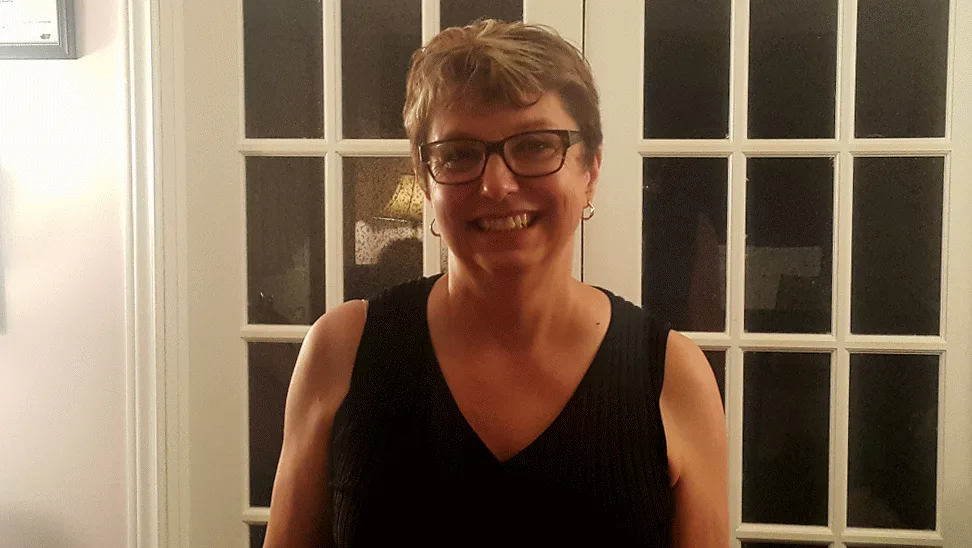
For Mary Ellen Stoll, a resident of the Ottawa-Kingston region in Ontario, Canada, this struggle lasted for more than three decades. Following surgical intervention to remove vocal cord nodules over thirty years ago, Stoll’s vocal health existed in a state of precarious compromise. Burdened by the demands of raising a family and maintaining a high-stress career in the biological sciences, Stoll placed her artistic aspirations—specifically, her love for singing—on the back burner. However, the physical toll on her vocal apparatus remained an inescapable reality. Her voice tired easily, proved unreliable under pressure, and regularly capitulated into complete bouts of laryngitis multiple times a year.
Upon reaching retirement age, Stoll sought to reclaim her passion by auditioning for a local ladies’ barbershop chorus. Instead of a triumphant return to music, she encountered familiar physical barriers. The chorus director expressed deep concerns about potential re-injury, and Stoll herself experienced sharp vocal cord soreness following routine two-hour rehearsals.
Desperate for a viable solution, Stoll turned to Diana Yekinny (known professionally as Diana) and the proprietary methodologies of the Vocal Science™ technique and the Non-Surgical Voice Repair framework. Over an intensive 20-hour program conducted over several weeks, Stoll underwent a radical transformation in how she produced sound. This investigative feature explores Stoll’s transformative journey, examining the physiological challenges of vocal recovery, the unique mechanics of the Vocal Science technique, and the broader implications of non-surgical voice repair for aging and traumatized voices.
Detailed Chronology: From Surgical Trauma to Vocal Rejuvenation
The Genesis of Injury and Decades of Compromise
To fully appreciate Mary Ellen Stoll’s breakthrough, one must examine the historical context of her vocal injury. Over thirty years ago, Stoll underwent delicate surgery to excise nodules from her vocal cords. Vocal cord nodules—benign, callus-like growths caused by chronic vocal abuse or misuse—are notoriously difficult to manage. While surgery can successfully remove the physical lesions, it rarely addresses the underlying biomechanical habits that caused them in the first place.
Consequently, patients often return to their old patterns of speaking and singing, leading to recurrent strain. For Stoll, the post-surgical landscape was marked by persistent vulnerability.
- Chronic Fatigue: Her speaking and singing voice exhausted itself with minimal usage.
- Unreliability: She could never fully trust that her voice would carry through a conversation or presentation without cracking, fading, or failing entirely.
- Seasonal and Stress-Induced Laryngitis: Stoll suffered from complete losses of voice several times a year, a symptom of chronic inflammation and compensatory muscle tension in the neck and throat.
As a professional deeply entrenched in the biological sciences, Stoll approached her condition analytically. However, decades of family obligations and demanding work schedules left little time for specialized rehabilitation. Her voice became something to be managed rather than celebrated—a tool utilized strictly for functional necessity rather than artistic fulfillment.
The Retirement Catalyst and the Barbershop Hurdle
The turning point arrived with retirement. Freed from the relentless pressures of her career, Stoll sought to channel her time into a long-held passion: joining a local ladies’ barbershop chorus. Barbershop singing demands a high degree of vocal agility, precise tuning, blending, and projection—all without the aid of amplification.
During early rehearsals, the reality of her vocal limitations crashed down upon her. Not only did the chorus director voice legitimate anxieties regarding the safety of Stoll’s vocal cords, but Stoll’s own physiological feedback loop signaled distress. After standard two-hour rehearsals, her vocal cords felt raw, sore, and inflamed. The dream of harmonious ensemble singing appeared to be slipping away, obstructed by the ghosts of a decades-old medical history.
The Discovery of Vocal Science™
Recognizing that traditional avenues had failed to provide a lasting remedy, Stoll cast a wide net in search of alternative methodologies. Her research led her to Diana, a veteran vocal coach and alternative voice repair specialist who has spent over three decades developing and fine-tuning the Vocal Science method.
Skeptical yet hopeful, Stoll committed to an intensive 20-hour regimen. As a scientist, Stoll admitted to initial reservations, particularly regarding some of the holistic and herbal protocols integrated into the program. Yet, the empirical results quickly dismantled her skepticism.
"I can tell you after several hours with her my vocal cords do not hurt or aren’t tired—just my cheek muscles! You can feel the difference in how you produce sound and volume," Stoll noted in her reflective reference letter.
The transformation was not merely comfortable; it was acoustically staggering. Upon reaching the culmination of her initial training blocks, Stoll sang publicly for the first time in decades. The result defied her own expectations: she produced unprecedented sound quality, dynamic volume, tonal clarity, and the ability to sustain a note over extended durations without pitch drift.
Supporting Context & Metrics: The Science of Non-Surgical Voice Repair
Understanding Vocal Cord Trauma and Compensation
To understand why Stoll’s rehabilitation was so profound, it is necessary to examine the mechanics of voice production. Voice is generated when exhaled air from the lungs passes through the vocal cords (folds) in the larynx, causing them to vibrate. When individuals experience trauma—such as the formation and surgical removal of nodules—the delicate mucosa of the vocal cords is compromised.
In response to pain or weakness, the body frequently employs compensatory mechanisms. Muscles in the jaw, neck, tongue, and throat tighten to force sound out. This phenomenon, known as muscle tension dysphonia (MTD), creates a vicious cycle:
- The Injury: Nodules or strain cause incomplete closure of the vocal cords.
- The Compensation: The speaker squeezes throat muscles to increase volume.
- The Damage: Increased friction and pressure inflame the vocal cords further, preventing healing and risking new lesions.
Traditional speech therapy often addresses breath support and pacing, but patients with long-standing trauma frequently relapse when returning to high-demand vocal activities like singing.
The Vocal Science™ Methodology: A Paradigm Shift
Diana’s Vocal Science approach diverges radically from conventional paradigms by focusing on total-body structural integration and acoustic placement. Rather than treating the vocal cords as an isolated instrument located in the throat, the technique treats the entire upper torso, facial structure, and skeletal frame as an interconnected resonance chamber.
Key pillars of this methodology include:
- Facial and Muscular Engagement: As Stoll observed, fatigue shifted away from the delicate laryngeal tissues and into the robust musculature of the face (such as the cheek muscles). By utilizing facial resonance, speakers and singers project sound outward using acoustic physics rather than muscular brute force.
- Immersive Intensity: Unlike weekly 30-minute therapy sessions that span months, Vocal Science often employs intensive, high-immersion blocks (such as Stoll’s 20-hour commitment). This rapid-repetition model allows neuro-muscular pathways to be rewritten efficiently.
- Holistic Support Systems: The integration of targeted herbal remedies supports tissue recovery, reducing micro-inflammation in the upper respiratory tract—a protocol that successfully won over a lifelong biological scientist.
- Uncompromising Oversight: Described by clients as a "taskmaster" approach, the training requires relentless self-awareness, rigorous discipline, and immediate correction of maladaptive habits.
Official Statements & Testimonial Insights
The qualitative data emerging from clients like Mary Ellen Stoll offer crucial insight into the efficacy of alternative voice repair modalities. While empirical clinical trials are standard in mainstream medicine, the subjective lived experiences of patients navigating chronic functional disorders provide an equally valuable metric of success.
In her direct correspondence intended for prospective clients, Stoll outlines several critical takeaways regarding her journey:
- On Effort and Rigor: Stoll makes no illusion that the process is effortless. "I am not saying its easy—it requires effort and dedication on your part and patience on Diana’s part. She has an amazing eye and ear and is observing you the whole time, and quick to tell you when something is wrong with your voice or your body."
- On Financial and Personal Investment: Acknowledging the fiscal reality of specialized private coaching, Stoll is transparent: "As for the cost—it is not insignificant. You WILL get results and I would do it all again with Diana."
- On Regret and Timelines: Reflecting on her three-decade struggle, Stoll expresses a common sentiment among successful rehabilitation clients: "I wish I had looked for and found her about 20 years ago. It would have saved me years of frustration with my voice."
- On Holistic Interventions: Addressing her scientific background, Stoll validates the inclusion of alternative treatments: "Diana also suggested several herbal treatments for me and I can really see how they are helping me (and that’s for someone who spent her life in the biological sciences and have been a little skeptical of herbal treatments)."
Future Outlook: Implications for Aging Voices and Vocal Longevity
Mary Ellen Stoll’s successful rehabilitation illuminates a broader conversation surrounding vocal health, aging, and alternative therapeutic interventions. As populations age, maintaining vocal integrity becomes vital not only for professional communication but for psychological well-being and social engagement. Loss of voice or chronic hoarseness in older adults frequently leads to social isolation, depression, and a diminished quality of life.
The Shift Toward Multidisciplinary Voice Care
Stoll’s case underscores the growing necessity of bridges between traditional allopathic medicine (such as ear, nose, and throat [ENT] surgery) and specialized, holistic vocal coaching. While surgery remains essential for removing structural abnormalities like persistent nodules or polyps, surgical intervention alone is frequently insufficient. The future of voice care lies in comprehensive rehabilitation pipelines that combine:
- Micro-surgical precision by qualified laryngologists.
- Post-operative vocal mechanics restructuring via specialized coaches like Diana.
- Holistic support encompassing nutrition, herbal anti-inflammatories, and stress reduction.
Empowering the Retiring Population
Furthermore, Stoll’s narrative challenges the notion that artistic hobbies must be abandoned due to historical injuries or advanced age. With the right combination of expert guidance, intense personal discipline, and biomechanical re-education, individuals can reactivate dormant talents. For Stoll, the ability to join her local ladies’ barbershop chorus is more than a recreational achievement—it is the reclamation of a voice that was silenced for over thirty years.
As awareness of non-surgical voice repair methodologies expands across regions like Ottawa, Kingston, and beyond, stories like Mary Ellen Stoll’s serve as both a beacon of hope for struggling vocalists and a testament to the remarkable adaptability of the human body when guided by expert hands.