
Executive Overview
By all conventional metrics of the modern music industry, Skillet should not exist. Rock bands rarely sustain a three-decade career, let alone one on a continuous upward trajectory. Yet, thirty years after their inception, the Grammy-nominated powerhouse continues to command massive cultural real estate. Their music anchors broadcasts like the Ultimate Fighting Championship (UFC Freedom 250), served as the thematic gateway for WWE’s Monday Night Raw with the track "Legendary," and boasts astronomical streaming milestones, including their genre-defining anthem "Monster" surpassing four billion streams.
Today, Skillet’s live audiences present a multigenerational tapestry: teenagers who were not yet born when the band released their breakthrough album Comatose scream lyrics side-by-side with their parents and, occasionally, their grandparents.
Yet, this endurance is accompanied by a profound sense of bewilderment from the band itself. Frontman John Cooper acknowledges the improbability of their longevity, attributing it to divine providence rather than industry calculation. As the band celebrates 30 years of music and the 20th anniversary of Comatose, they are concurrently carrying fresh, deeply personal wounds. Stemming unexpectedly from the church—specifically from trusted leaders—these trials have shaped After the Storm, arguably the most vulnerable, bruised, and uncompromising record of Skillet’s career. This is the story of how an unbreakable band weathered near-extinction, cultural shifting sands, and institutional betrayal, emerging not with a victory lap, but with a raw testament to survival.

Detailed Chronology: From the Brink of Collapse to Mainstream Titans
The Making of Comatose (2006): Hanging by a Thread
To understand Skillet’s resilience, one must look back at the creation of Comatose, an album turning 20 years old and holding a monolithic status in their catalog. Paradoxically, one of the defining records of their career was engineered while the entire enterprise was on the verge of financial and institutional collapse.
In 2006, John and Korey Cooper were raising very young children with financial resources too sparse to pause touring. The band operated on a grueling cycle: driving to Chicago during the week to work in the studio, then packing up gear and playing weekend tour dates just to stay afloat. John handled merchandise, loaded trailers, and eventually learned to drive the tour bus himself.
Simultaneously, their record label, Lava Records, was being dismantled, resulting in mass dismissals across its roster. Skillet narrowly survived the purge because a single A&R representative, newly positioned within the changing corporate structure, made keeping Skillet one of his sole demands. At the time, sales were modest, and the prevailing industry sentiment dictated that if the next record failed, the band was finished.

"I’ll be a youth minister," John recalled thinking. Broke and facing the end of the road, they decided to pour everything they had into the music. When Jen Ledger, living in Coventry, England, first heard "Rebirthing," she stood in front of a mirror pretending to play drums for a band she hadn’t yet joined. Yet, Comatose struck a nerve because it established Skillet’s signature formula: what keyboardist and producer Korey Cooper calls the "happy sads"—music that infuses lyrics with profound hope while acknowledging an unvarnished undercurrent of sorrow. It provided a sanctuary for listeners who felt invisible, misunderstood, or disenfranchised.
The Crossover Years and the "Jesus Freak" Stance
As tracks like "Monster" began breaking into mainstream rock radio, the band faced an inevitable line of questioning from secular media outlets: Were they really Christians? Was this a Christian band?
Rather than dodging the question or navigating it with corporate ambiguity, John made a deliberate choice. Drawing from his own perspective as a consumer of Christian music, he knew how unsatisfying evasive answers were. During an early mainstream interview, when pressed on the rumors of their faith, John responded plainly: "Oh, absolutely, we’re Christians. Being a Christian is so much more important to me than being a rock star. I play music to express my love for God."
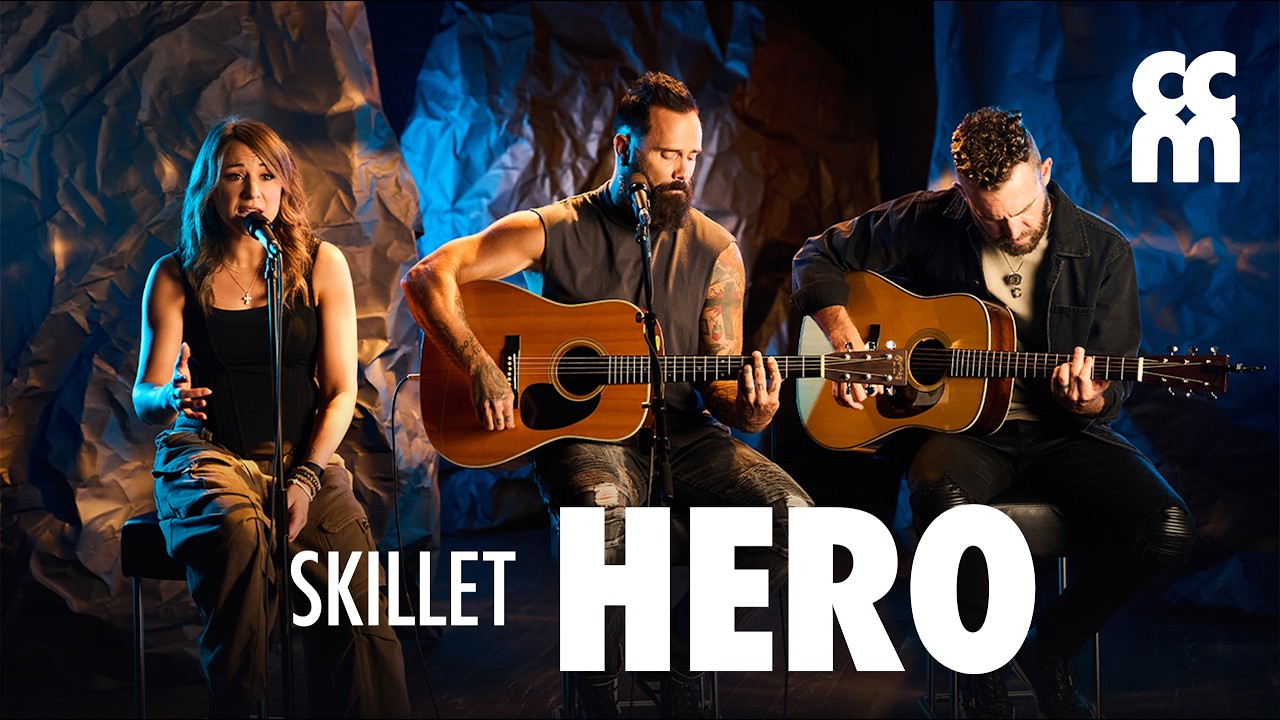
The interviewer was stunned—a reaction John likens to "smacking the bully on the first day of school." Guitarist Seth Morrison, who has spent nearly 16 years alongside the founders, notes that this radical transparency forms the bedrock of their longevity. "People sense authenticity," Morrison observes. "Even people who might be atheists sense the authenticity of who we are, and I think they respect it."
Supporting Context & Metrics: The Anatomy of a Touring Behemoth
Skillet’s enduring footprint is best understood through a combination of longevity, cross-demographic appeal, and production evolution.
- Streaming Dominance: "Monster" has transcended traditional rock radio limits, cementing itself as a streaming behemoth with over 4 billion streams across platforms.
- Media Integration: Tracks like "Legendary" served as the theme song for WWE’s flagship program Monday Night Raw, while their music routinely soundtracks high-impact sports broadcasts, including UFC Freedom 250.
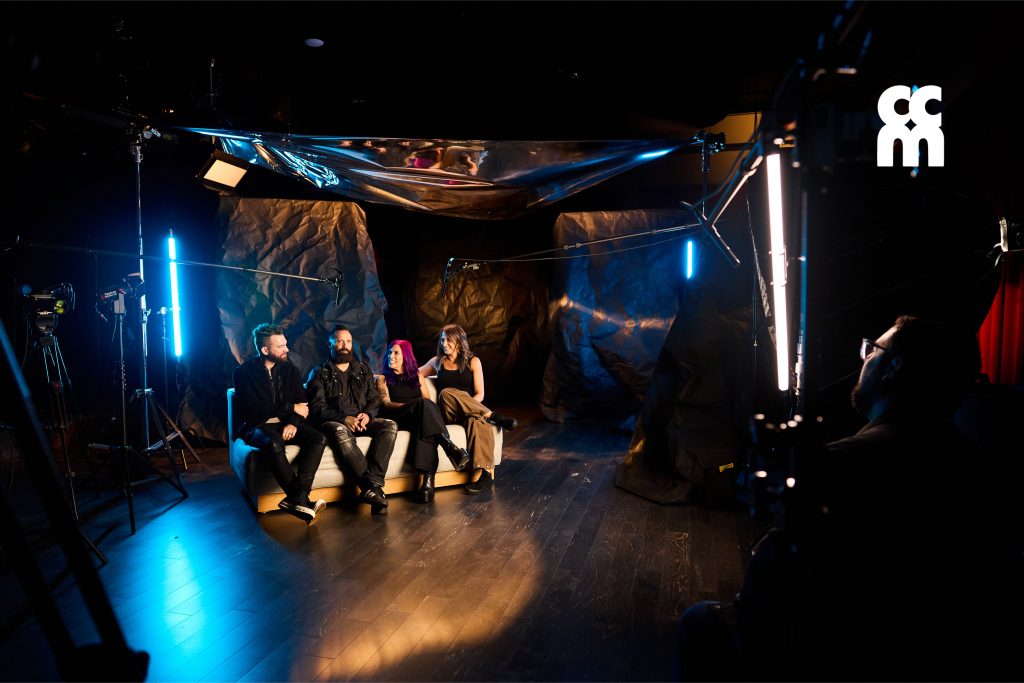
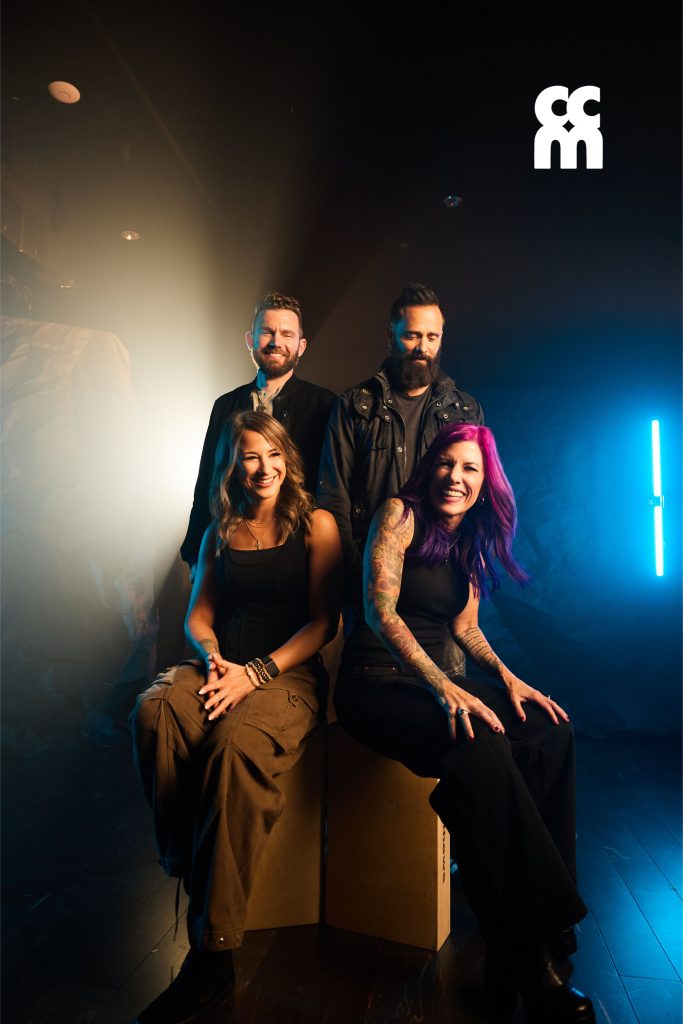
- The Core Lineup:
- John Cooper: Founder, bassist, lead vocalist, and primary lyricist.
- Korey Cooper: Keyboardist, rhythm guitarist, programmer, and increasingly vital producer—handling production duties on half of their latest EP, After the Storm.
- Jen Ledger: Drummer and co-vocalist, who joined the band at age 18 and grew from a hesitant newcomer into a commanding stage presence.
- Seth Morrison: Lead guitarist, instrumental in shaping the band’s modern hard rock execution for the past 16 years.
Korey’s role within the machine cannot be overstated. Described by John as the "rudder" to his "captain," she adapted as music technology evolved from basic keyboards to advanced programming and complex studio production. Jen Ledger, reflecting on her early years touring while Korey balanced motherhood, homeschooling, and grueling performance schedules, remains in awe: "I am so tired just playing the show… I cannot wrap my head around the capacity that Korey had."

Official Statements: The Wounds Behind After the Storm
While looking back at Comatose marks a milestone, Skillet’s newest release, After the Storm, is driven by a darker, more personal catalyst. The pain reflected in these tracks is not a distant memory; it is fresh, originating from a source they least expected: the church and its leadership.
"Part of what we have been through are things I never thought I would see," John Cooper reflects. "Church leadership, people that I’ve known for 30 years that I thought we were on the same page, end up treating people extremely abusively."
John describes leaders who proved unwilling to accept constructive challenges, resistant to addressing doctrinal questions, and demanding of uncritical conformity. Rather than hardening his stance against those who have questioned or deconstructed their faith, however, this institutional betrayal has fostered unexpected empathy.

"I think that gives a little bit of credibility to so many people we have seen completely deconstruct and leave the faith and say it’s the church’s fault," John states. "I wish they didn’t leave the faith. I wish they didn’t deconstruct, and I pray they come back. But their suffering more than likely was real. They probably saw something that was so gross that they never expected to see a pastor do that. And they went, well, this isn’t real, then maybe nothing is real. I do understand their suffering. And that’s an important thing to say."
Summarizing the depth of the betrayal, John adds starkly: "My pagan friends wouldn’t do this to me."
This sentiment forms the emotional core of After the Storm. The title track and the lead single, "Scream"—produced by Korey Cooper—confront isolation, toxic digital culture, condemnation, and the suffocating experience of being surrounded by noise while feeling utterly alone. The "scream" at the center of the track, John notes, is frequently silent: "People that feel that I have nothing left to live for."
Future Outlook: Faith, Pain, and the Road Ahead
As Skillet moves past their third decade as a band, they refuse to settle into a comfortable legacy act relying solely on past victories. After the Storm is not a victory lap; it is an exploration of the "already, not yet" tension that Korey Cooper identifies in Christian theology—the simultaneous reality of God’s kingdom and deep, pervasive human suffering.
"You can prosper in terrible suffering," Korey notes, pointing to biblical figures like Daniel, who experienced divine presence while still very much inside the lion’s den.
For Seth Morrison, the longevity of the band extends far beyond the charts or the stage design. It is found in the foundational relationships forged through decades of shared hardship. "Your first prayer should be who you get to do it with," Morrison says, "because that’s truly what’s life-changing. Our lives are forever different by being around the Coopers… I’m a different father. I’m a different husband. Beyond a career."
Skillet’s trajectory proves that rock music remains a vital medium for radical vulnerability. They are not pretending to be okay when they are not; rather, they are reaching out, mapping the darkness, and refusing to let go of the light that cuts through the pinholes. The story of Skillet was never that the storm failed to arrive. It is that they kept walking—and playing—long after it cleared.