
Executive Overview
The modern music educator’s job description is a paradox: it requires the administrative precision of a logistical planner, the emotional depth of a seasoned counselor, and the artistic vision of a master conductor. Yet, official contracts rarely account for the myriad hats teachers must wear—acting as coaches, mediators, mentors, cheerleaders, schedule jugglers, and occasional miracle workers. Day in and day out, these professionals pour their energy into their students, their ensembles, and their wider school communities.
Unfortunately, the administrative burdens and fragmented workflows of the profession frequently lead to burnout. Educators do not need complex, bloated software systems that demand a steep learning curve; rather, they require reliable, intuitive digital partners designed to simplify their operational load. They need tools that streamline the entire academic year—from the chaotic energy of the first week of school to the high-stakes adjudication season in the spring, and onward into summer planning.
Enter MakeMusic, a comprehensive digital platform engineered specifically to alleviate these structural pressures. By serving as an all-in-one ecosystem for repertoire discovery, curriculum mapping, and differentiated instruction, MakeMusic helps educators work smarter, not harder. This report examines how music educators can leverage MakeMusic at every stage of the academic calendar to foster sustainable, thriving, and joyful music programs.
Detailed Chronology: Navigating the Academic Year with MakeMusic
Effective music education is not reactive; it is meticulously choreographed. To build a resilient, high-performing program, educators must approach curriculum planning through a structured, chronological lens.
Phase 1: Late Summer / Early Fall — Begin with the End in Mind
Great teaching begins with backward design. Before a single note is played in rehearsal, educators must define their long-term vision. Are you targeting a superior rating at the state contest? Do you have an ambitious, aspirational centerpiece planned for the spring concert? Or are you stepping into a rebuilding program where the primary objective is cultivating a joyful classroom culture and boosting student morale?
- Mapping Goals to Repertoire: Once priorities are clear, MakeMusic’s extensive catalog allows directors to align their curricular goals with exact skill levels. Whether addressing specific technical deficiencies or exploring culturally responsive literature, the platform helps map a realistic path from current ensemble capabilities to end-of-year goals.
- Establishing Baselines: Early-season diagnostic assessments using integrated sight-reading tools give directors immediate insight into section strengths and weaknesses, enabling data-driven seating placements and targeted sectional planning.
Phase 2: Late Fall / Winter — Sustaining Momentum and Technical Growth
As the initial excitement of the school year settles into routine, maintaining student engagement becomes paramount. This is the period when technical drills can feel monotonous and motivation frequently dips.
- Dynamic Practice Tools: MakeMusic’s interactive feedback loops allow students to practice independently with immediate assessment on pitch and rhythm. This shifts the dynamic of the classroom: instead of spending entire rehearsals fixing individual notes, directors can focus on musicality, phrasing, and ensemble balance.
- Holiday and Seasonal Repertoire: Integrating high-interest seasonal pieces keeps rehearsals fresh while reinforcing the core foundational skills introduced earlier in the term.
Phase 3: Early Spring — Festival and Contest Preparation
Spring brings the crucible of the academic calendar: regional festivals, state evaluations, and major concerts. This is where meticulous early-season planning pays dividends.
- Targeted Rehearsal Strategies: Directors can isolate difficult measures within contest pieces, utilizing looping and tempo-scaling features to bring developing sections up to speed.
- Mock Adjudication: By leveraging digital recording and assessment features, educators can simulate festival conditions, giving students critical practice in performing under pressure and self-evaluating their execution against standard rubrics.
Phase 4: Late Spring / Summer — Reflection, Recruitment, and Retention
The final weeks of the school year often determine the health of the program for the following term. Recruitment and retention are directly tied to the student experience over the past nine months.
- Celebrating Growth: Culminating concerts serve as public showcases of student achievement, validating the hard work invested throughout the year.
- Curriculum Review: Using analytics and feedback gathered through the platform, directors can evaluate which instructional strategies worked best, refining their curriculum maps for the upcoming cycle before stepping away for summer break.
Supporting Context & Metrics: Repertoire, Supplemental Supports, and Retention
A curriculum is only as strong as the materials that populate it. MakeMusic transcends the traditional role of a digital sheet music library by offering a curated ecosystem designed to capture student interest and drive retention.
Repertoire That Transcends the Checklist
Too often, curriculum planning devolves into checking boxes to meet state standards. MakeMusic offers exclusive, high-engagement content designed to keep students returning to their instruments outside of class hours:

- Diverse Genres: From contemporary pop arrangements and jazz standards to underrepresented historical masterworks, the library ensures students see themselves reflected in the music they play.
- Scalable Arrangements: Multi-level arrangements of core pieces allow mixed-ability ensembles to perform together successfully, ensuring that every student—from the advanced section leader to the novice—feels challenged yet supported.
Comprehensive Supplemental Supports
Beyond interactive sheet music, MakeMusic subscriptions include a robust array of embedded resources frequently overlooked by casual users:
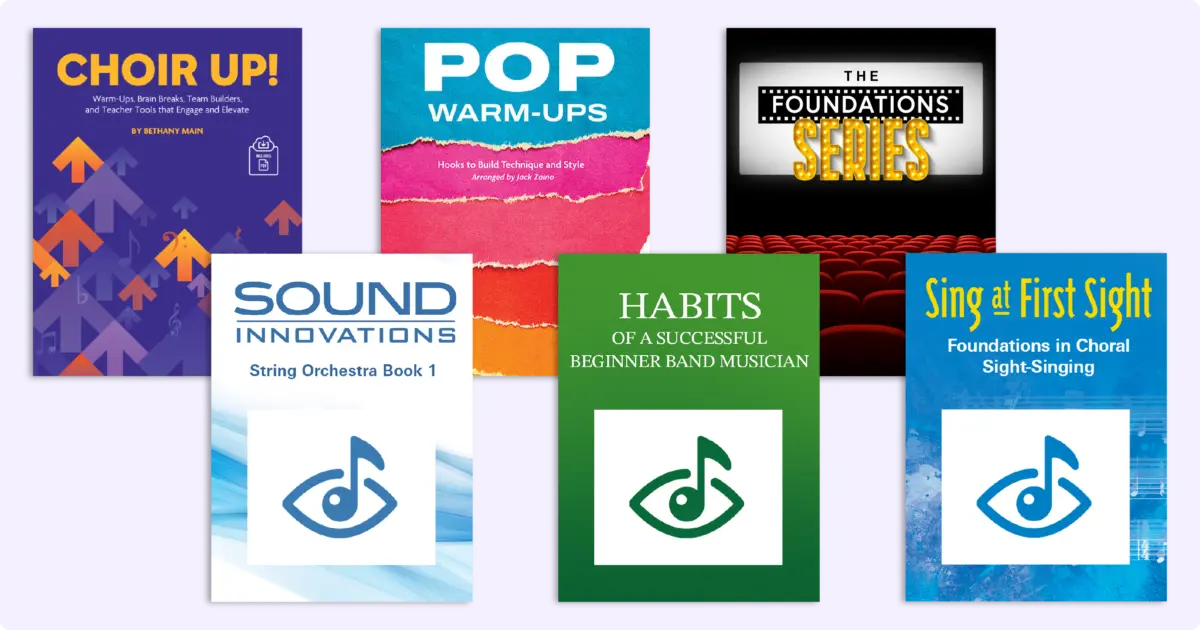
- Sight-Reading Generators: Automated, limitless sight-reading exercises tailored to specific grade levels and skill rubrics, eliminating the time-consuming chore of gathering daily sight-reading examples.
- Method Book Integration: Seamless digital access to industry-standard method books, unifying home practice and in-class instruction into a single, cohesive workflow.
- Warm-Up and Technical Modules: Specialized digital packets focusing on intonation, breath support, tone production, and finger dexterity.
The Metrics of Belonging: Recruitment and Retention
Educational research consistently demonstrates that student retention in elective arts programs is less about the prestige of festival trophies and more about the psychological safety and emotional resonance of the classroom environment.
- The Word-of-Mouth Engine: Happy students talk to their peers; happy parents advocate for the program at school board meetings and community gatherings.
- Differentiated Success: By using digital tools to reach students at their individual skill levels, educators eliminate the frustration that often leads to dropouts. When every student experiences measurable, supported growth, the program organic scales through student advocacy alone.
Official Perspectives and Expert Insights
Industry leaders and veteran educators emphasize that the integration of digital infrastructure in the fine arts is not about replacing the human element of teaching—it is about protecting it.
"We didn’t enter this profession to spend our weekends formatting rehearsal schedules, copying sight-reading handouts, or hunting down out-of-print octavos," notes a veteran high school band director and curriculum consultant. "We became educators because we believe in the transformative power of music. When a platform like MakeMusic shoulders the administrative and logistical weight, it returns our most valuable asset to us: time to actually teach and connect with our kids."
Pedagogical experts further stress the importance of affective outcomes in music education. Students may eventually forget the exact adjudicated score they received at a regional festival, but they will never forget how they felt walking into the band room, choir rehearsal, or orchestra pit each day.
- Did they feel challenged?
- Did they feel seen and supported?
- Did they feel proud to belong to something greater than themselves?
Digital instructional tools, when deployed intentionally, bridge the gap between large ensemble management and individualized mentorship. They ensure that no student falls through the cracks simply because a director is stretched too thin across a roster of 150+ musicians.
Future Outlook: The Evolution of Digital Music Pedagogy
As K-12 education continues to navigate shifting technological landscapes, budget constraints, and evolving student needs, the tools supporting fine arts programs must also adapt. The future of music education points toward hyper-personalized learning pathways, seamless cross-platform integration, and data-informed pedagogical design.
Platforms like MakeMusic are leading this evolution by continuously refining their libraries, diagnostic capabilities, and user interfaces. By bridging the gap between traditional conservatory rigor and modern digital accessibility, these tools empower educators to future-proof their programs.
Investing in the right instructional partner does more than organize a syllabus—it safeguards teacher well-being, enhances student engagement, and lays the groundwork for sustainable, thriving music programs for decades to come.
Ready to make this your most organized, connected, and effective academic year yet? Start your free MakeMusic trial today to experience firsthand how streamlined curriculum planning can revolutionize your classroom.