
Executive Overview
The human voice is perhaps our most intimate instrument. It serves as our primary mode of communication, a vehicle for artistic expression, and a cornerstone of personal identity. Yet, vocal health remains chronically misunderstood. For decades, performers, public speakers, and individuals suffering from debilitating voice disorders have been told that chronic hoarseness, vocal nodules, cysts, and functional dysphonia are permanent conditions requiring invasive surgeries, or long-term, incremental speech therapy spanning years.
Enter the proprietary Vocal Science Method, developed under the overarching philosophy: "Work Smart, Not Hard — And with minimum effort… bring out maximum results!" Operating on the bold premise that the quality of a singing or speaking voice can be radically transformed and repaired in a matter of hours rather than years, this unique methodology challenges traditional paradigms in vocal pedagogy and otolaryngology.
This investigative report examines the efficacy, client outcomes, and underlying principles of the Vocal Science technique. Through a close examination of clinical case studies—ranging from severe Muscle Tension Dysphonia (MTD) and vocal fold cysts to professional singer rehabilitation—we explore how targeted non-surgical interventions are reshaping the future of vocal health.
Detailed Chronology: Case Studies in Rapid Transformation
To truly understand the impact of the Vocal Science Method, one must examine the documented trajectories of individuals whose careers—and in some cases, daily lives—were rescued by the program. Below is a chronological and thematic review of notable client recoveries and artistic breakthroughs.
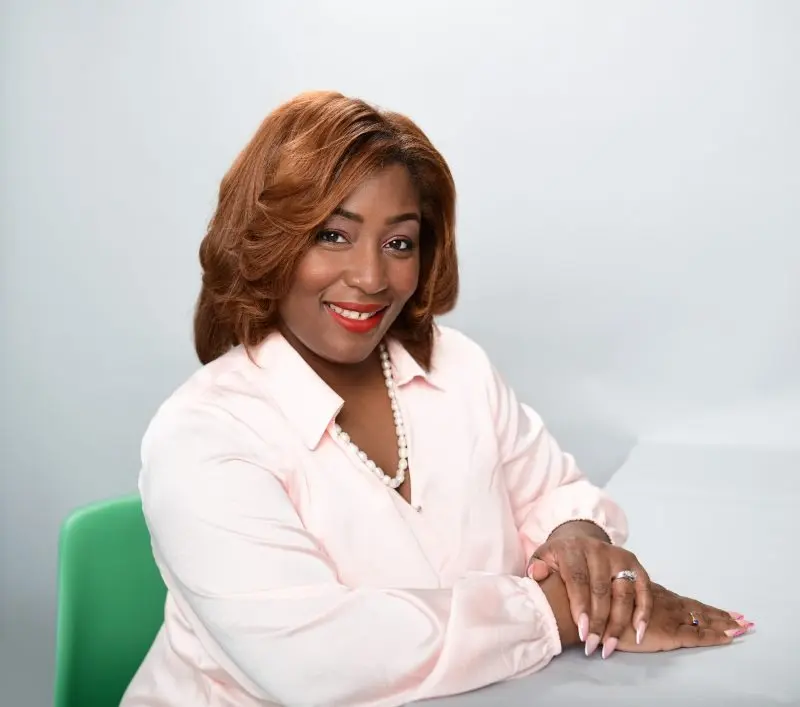
1. Dr. Vera C. (Detroit, USA): Overcoming MTD and Complete Voice Loss
On August 19, Dr. Vera C. completed a rigorous 40-hour Super Accelerated Voice Repair Course. Prior to entering the program, Vera was suffering from severe voice loss compounded by Muscle Tension Dysphonia (MTD). Her condition was rooted in a combination of enormous emotional stress and chronically strained vocal cords, which caused her laryngeal muscles to lock up, rendering normal phonation nearly impossible.
Rather than submitting to passive treatments or invasive procedures, Vera underwent the intensive multi-day regimen designed to realign her vocal mechanics. By learning to release extraneous muscular tension around the throat and redirecting her airflow, she successfully recovered and substantially enhanced the quality and endurance of her voice. Her transformation serves as a striking testament to how psychological stress can manifest physically in the vocal apparatus, and how targeted systemic intervention can reverse it.
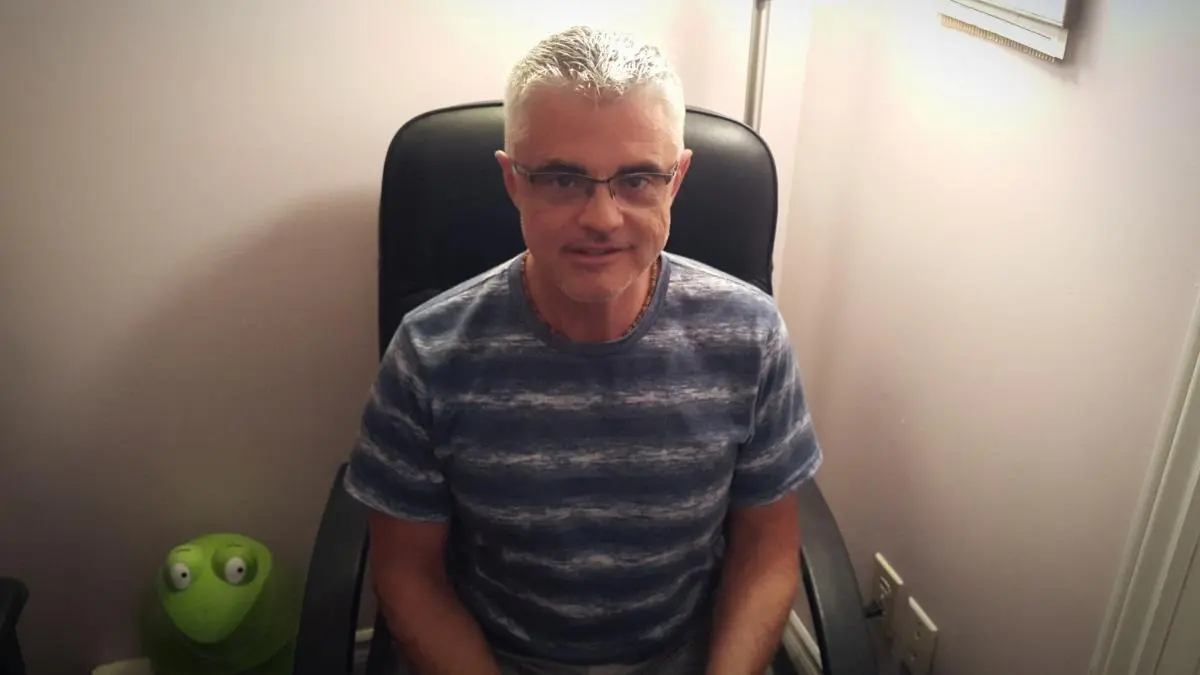
2. Rich "GC Boy" Wallen (Chicago, Illinois): Defying Vocal Cysts
Professional singer-songwriter Rich Wallen faced a career-threatening diagnosis: two cysts underneath his right vocal fold. Standard medical advice often points toward delicate micro-surgery, which carries inherent risks of permanent vocal scarring and tone alteration. Told by conventional practitioners to simply "live with it," Wallen refused to accept the end of his musical journey.
Seeking out alternative, non-surgical remediation, Wallen engaged with the Vocal Science program. After fewer than 15 hours of specialized instruction and treatment, the transformation in his vocal clarity and power was palpable.
Reflecting on his progress, Wallen noted:
"Just another quick thank you. Sang twice over the weekend, backup mostly, but I was singing stronger and clearer. All thanks to you… and Jamie, of course. I ran a couple of our videos on Instagram this past weekend, encouraging people to contact you."
Audio comparisons before and after instruction underscore this milestone. In exploratory recordings of his 70s-vibed track "Late Saturday Night" prior to treatment, vocal strain and instability are evident. Contrastingly, performances of his original tracks "Exposed" and "Thinking About You"—recorded after less than 15 hours under the method—showcase a profound restoration of pitch control, resonance, and breath support, proving that functional mechanics can compensate for and manage structural anomalies without going under the knife.
3. Noreitta Ramocan (Kitchener, Ontario): Alleviating Throat Compression
An up-and-coming singer-songwriter navigating the early stages of her career, Noreitta Ramocan attended a specialized group workshop in July facing acute vocal distress.
"When I first went to Diana’s Vocal Science, my voice was chipping out and it hurt my throat to sing pitches," Ramocan shares. "Now that I have attended her class I’ve learned different ways to sing alleviating the compression on my throat. I have now gained insight on how to sing correctly."
Describing the practitioner as an "amazing miracle worker," Ramocan praised the methodology as unique, ingenious, and overwhelmingly successful, expressing an eagerness for continued mentorship.
4. Ethelrida Zabala-laxa and Adam Riley: Group Explorations and Solo Breakthroughs
Further expanding the demographic of those helped by the curriculum, Toronto-based singer-songwriters Ethelrida Zabala-laxa and Adam Riley participated in milestone sessions, including the 32nd Anniversary Vocal Science Exploratory Group Session.
Riley, whose before-and-after demonstration recordings highlight a marked stabilization of tone and projection, encapsulated his sentiments in a heartfelt reflection:
"I hope you know that our time together and my experience with you is very dear to me. I have complete faith in your method and technique and really do hope to come back and finish what we started when the time is right."
5. Zelda A.: Conquering Spasmodic Dysphonia
Among the most challenging neurological and muscular voice disorders is Spasmodic Dysphonia (SD), which causes involuntary spasms in the muscles of the larynx. Zelda A., a former sufferer of this debilitating condition, achieved a landmark recovery through the institute’s protocols. Her extensive documented testimony provides hope for individuals wrestling with voice disorders long categorized by traditional medicine as chronic and incurable.
Supporting Context & Metrics: The Mechanics of "Smart" Work
To evaluate claims of hours-long turnarounds rather than multi-year developments, one must analyze the core philosophy driving the Vocal Science Method. Traditional vocal training often focuses heavily on isolated aesthetic outcomes—such as achieving a high note or a certain timbre—while treating the vocal cords as a standalone muscle group.
The Vocal Science approach, however, treats the voice as an integrated output of the entire mind-body system. Key architectural pillars of the method include:
- Holistic Postural Alignment: Recognizing that physical tension in the neck, shoulders, jaw, and torso directly compromises laryngeal freedom.
- Aero-Dynamic Optimization: Teaching clients how to harness natural breath pressure so that sound is propelled by air rather than muscular brute force, instantly eliminating "throat compression" and vocal chipping.
- Psychosomatic Awareness: Acknowledging the deep link between emotional stress (as observed in Dr. Vera C.’s case of MTD) and physical muscle locking in the vocal tract.
- Accelerated Neuromuscular Reprogramming: Replacing ingrained, injurious vocal habits with healthy phonation reflexes through intensive, highly concentrated immersion blocks (ranging from 15-hour tune-ups to 40-hour super-accelerated repair courses).
Quantitative Impact Metrics
| Client Case | Primary Complaint / Diagnosis | Intervention Timeframe | Reported Outcome / Metric |
|---|---|---|---|
| Dr. Vera C. | Voice Loss / Muscle Tension Dysphonia (MTD) | 40 Hours (Super Accelerated) | Full functional recovery; restored voice quality and endurance. |
| Rich "GC Boy" Wallen | Dual Vocal Fold Cysts | < 15 Hours | Substantial clarity, strength, and pitch control; avoided surgery. |
| Noreitta Ramocan | Strained pitches / Vocal chipping | Exploratory Group Session | Eliminated throat compression; learned correct pitch generation. |
| Zelda A. | Spasmodic Dysphonia (SD) | Specialized Repair Protocol | Remission of involuntary spasms and restored normal speech patterns. |
Official Statements and Client Testimonials
The collective sentiment echoing from artists, professionals, and clinical clients points to a profound paradigm shift in how people view their own vocal anatomy.
- On Technique Innovation: "Diana is an amazing miracle worker, her techniques that she uses are unique, ingenious, and a success!!" — Noreitta Ramocan
- On Artistic Longevity: "Sang twice over the weekend, backup mostly, but I was singing stronger and clearer. All thanks to you… and Jamie, of course." — Rich "GC Boy" Wallen
- On Method Reliability: "I have complete faith in your method and technique…" — Adam Riley
These statements underscore a vital realization: many vocal maladies are not permanent structural failures, but rather the result of systemic functional misuse. By correcting the mechanical misuse, the body is often empowered to heal itself organically.
Future Outlook: The Paradigm Shift in Vocal Health
As the modern landscape of performance, digital broadcasting, podcasting, and public speaking places unprecedented demands on the human voice, the need for rapid, reliable, and non-invasive vocal preservation has never been higher.
The success stories emerging from institutions utilizing the Vocal Science Method—from professional touring songwriters like Rich Wallen to clinical cases like Dr. Vera C. and Zelda A.—signal a growing appetite for alternative medical and pedagogical solutions. By prioritizing efficiency, systemic mind-body alignment, and natural aerodynamics over invasive procedures and protracted therapy timelines, this methodology points toward a future where vocal injury is met not with resignation, but with rapid, empowered restoration.
For artists and professionals told that their careers are over due to nodes, cysts, or muscular spasms, the message from the Vocal Science Institute is clear: recovery may be much closer—and faster—than you ever imagined.
For further details, updates, and educational resources regarding non-surgical voice repair and the Vocal Science Method, follow official channels through the Royans Institute and Vocal Science on major digital platforms including Facebook, Twitter, and YouTube.