
Executive Overview
As The Chosen enters its sixth season, the groundbreaking, crowd-funded historical drama shifts its foundational artistic lens. For five seasons, creator Dallas Jenkins and his ensemble cast successfully grounded the ministry of Jesus of Nazareth in a gritty, hyper-realistic ancient world. Viewers watched miracles unfold not amidst sweeping theatrical fog and golden halos, but against a backdrop of sun-baked dust, political friction, socioeconomic strain, and deeply human interpersonal drama.
However, as the narrative inevitably marches toward the shadow of the cross, the show’s aesthetic parameters must expand. Season 6 opens with a bold, uncompromising dive into the supernatural, introducing audiences to an army of angels that actively subverts centuries of soft, Renaissance-era religious iconography.
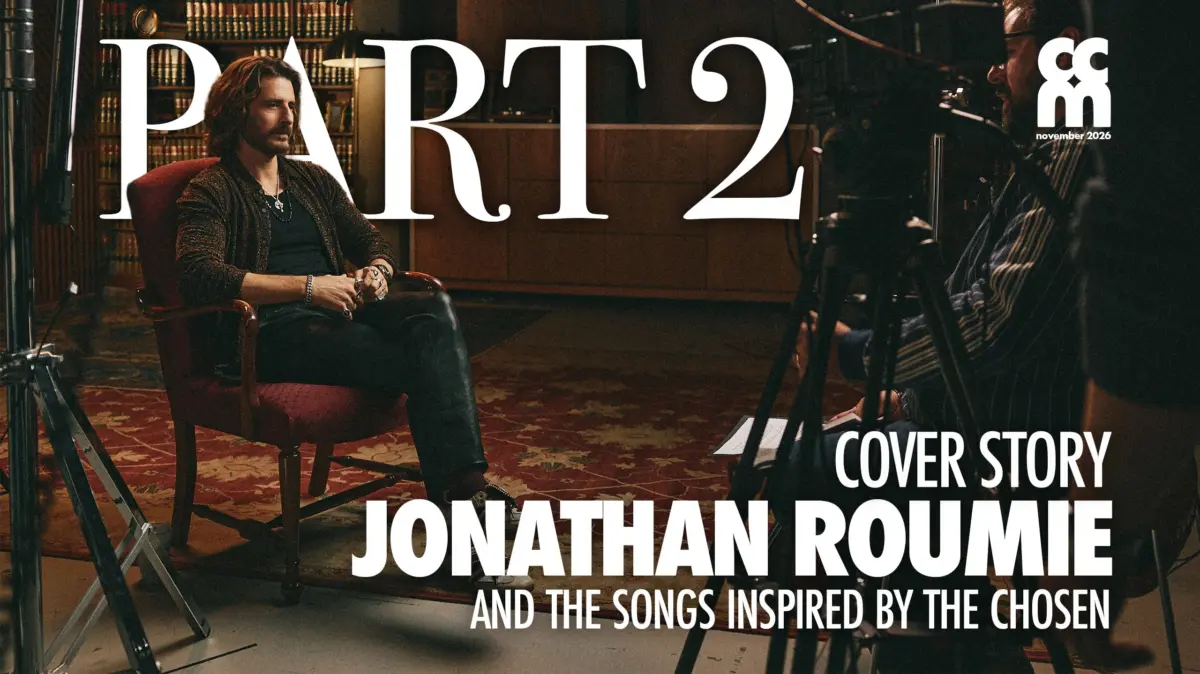
In an exclusive interview with CCM Magazine, series lead Jonathan Roumie—who portrays Jesus—unpacked the creative decisions, initial anxieties, and heavy emotional toll that defined the production of the show’s first three episodes. Confronting the aftermath of Judas’ betrayal, the chaotic arrest in Gethsemane, the harrowing trials, and the deeply human failures of the disciples, Roumie offers a masterclass in interpreting divine authority under duress.
This report examines the narrative pivot of The Chosen Season 6, exploring how Roumie navigated a quieter performance style, the terrifying reality of biblical angelic manifestations, the psychological nuance behind Peter’s denial, and the theological distinction separating Peter’s reclamation from Judas’ tragic end.
Detailed Chronology: The Opening Acts of Season 6
The transition from Season 5—which heavily emphasized the sprawling, dialogue-dense theological debates of the Last Supper—to the kinetic, high-stakes trauma of Season 6 is sharp and deliberate.
Episodes 1–3: The Descent into the Passion Narrative
The opening three episodes cover a compressed, breathless timeline:
- The Aftermath of Betrayal: The psychological shockwave of Judas Iscariot’s conspiracy shatters the inner circle of disciples.
- The Arrest in the Garden: Armed Roman guards and temple authorities arrive to seize Jesus. Rather than portraying Jesus as a helpless victim of circumstance, the series frames the arrest as an exercise in calculated divine restraint.
- The Trials and Denials: As Jesus is shuttled between authorities, the narrative tracks the simultaneous fracturing of Peter’s resolve in the courtyard and the psychological breakdown of Judas.
The Angelic Reveal: Unsettling Visuals and Biblical Accuracy
One of the most polarizing and talked-about elements of the Season 6 premiere is the introduction of an angelic host. Eschewing the comforting, winged human figures historically popularized by Western art, The Chosen presents an imposing, otherworldly force.
Roumie admitted that even he harbored reservations when he first encountered the script pages detailing the scene. "When I first read it, I thought to myself… ‘How’s this gonna play?’" Roumie shared with CCM Magazine.
The creative team rooted the design not in contemporary Christian culture, but in the recurring textual reality of Scripture. Roumie pointed to a foundational biblical truth: "Whenever they showed up, the first thing they said is, ‘Do not be afraid.’ So they must have been terrifying or something."
Any lingering production anxiety evaporated the moment Roumie experienced the sequence with a live audience. "They just went nuts. I was like, ‘This is great.’ It was great. I was so happy."
This supernatural intrusion signals to the audience that the narrative has crossed a threshold. The era of localized Galilean ministry is over. The cosmic stakes of the Passion require a visual language that matches the existential gravity of the Cross. As Roumie succinctly put it regarding the unavoidable momentum of the plot: "You can’t avoid it."
Supporting Context & Metrics: Shifting Performance and Artistic Choices
Bringing the Passion narrative to life requires a dramatic shift in acting methodology. In earlier seasons, Roumie often played Jesus as a figure who shared quiet, knowing moments of joy with those witnessing miracles—such as the miraculous catch of fish, where his performance was defined by observing the awe of his followers.
Asserting Divine Authority
Season 6 strips away the pastoral warmth in favor of an intimidating, unshakeable sovereignty. When the authorities close in, Roumie’s objective shifts entirely.
- "The agenda is to assert a certain divine authority and to let the guys who are coming for Jesus know that he’s in charge," Roumie explained.
While the religious and political powers believe they are executing a successful sting operation, Roumie’s interpretation is clear: Jesus is orchestrating every second. "They don’t have control… but he’s giving them the control intentionally."
The Burden of Silence
Ironically, the scripts for Season 6 brought a stark reduction in spoken dialogue for the central character compared to the heavy conversational demands of the Last Supper in Season 5. While Roumie initially felt a sense of professional relief, he quickly realized that silence carried a much heavier physical and emotional cost.
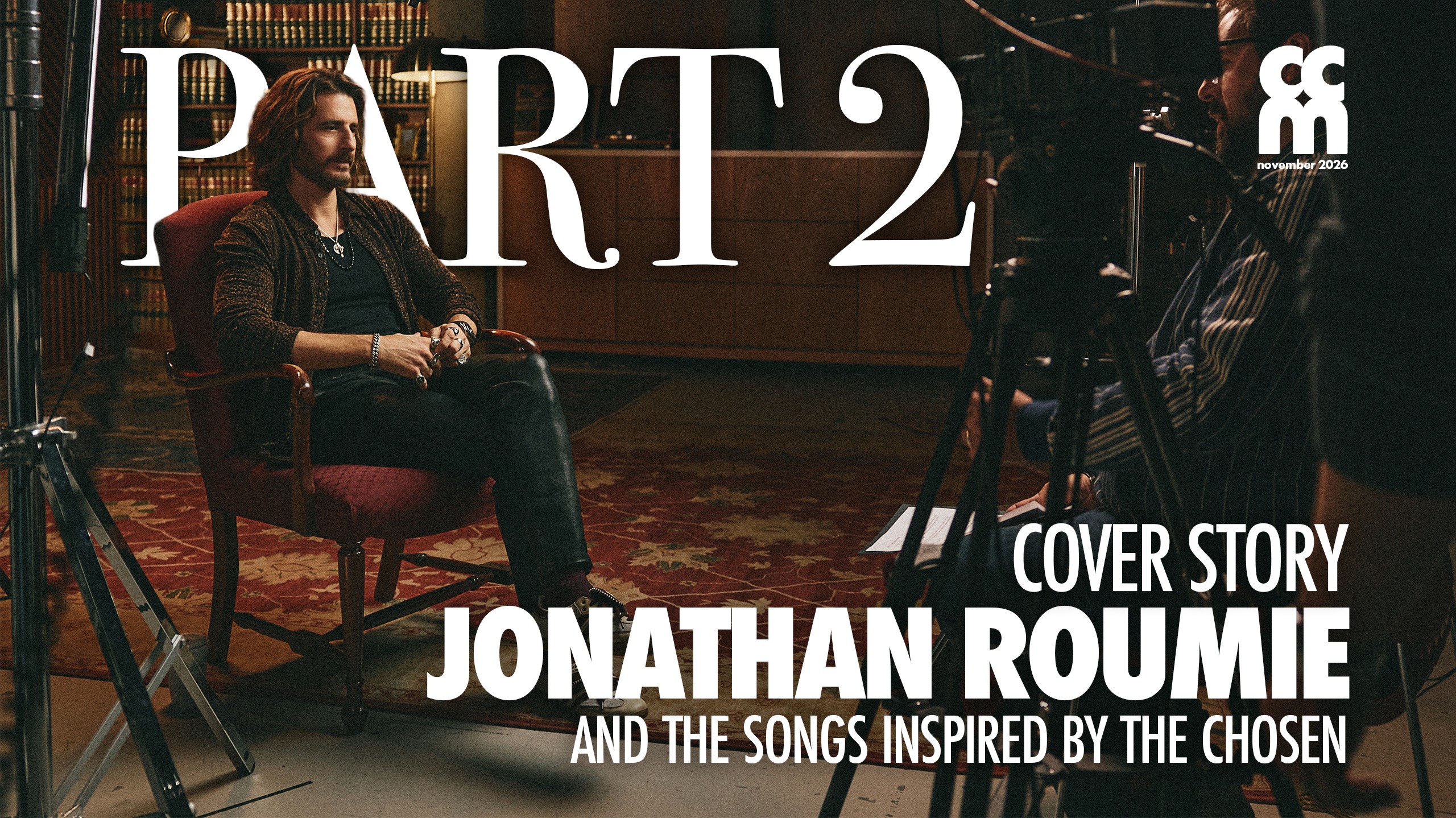
- "There was part of me that was relieved by the lack of dialogue in Season 6, given the amount of dialogue I had in Season 5. But the trade-off was what it was going to cost for the physicality and the emotional content."
Stripped of words, every micro-expression had to carry theological and psychological weight. "Anytime the camera was on me, I had to be saying something even if I wasn’t saying anything."
The Quiet Agony of Peter’s Denial
This philosophy of silent performance culminates in the depiction of Simon Peter’s first denial. Rather than treating the biblical milestone as an operatic theatrical set piece, the series opts for quiet realism. Peter attempts to blend into the shadows, desperately trying to avoid notice.
As Jesus is led past, their eyes lock. There are no grand speeches, no thunderous proclamations—just a devastating visual exchange. Roumie broke down the internal landscape of Jesus in that precise split second:
- "It’s just sorrow. It’s, ‘I knew this was going to happen. I told him it was going to happen.’ And it still hurts when it happens."
This approach underscores why The Chosen continues to resonate globally: it translates familiar, heavily rehearsed scripture into raw, interpersonal human encounters.
Official Statements & Character Analysis: Grace vs. Despair
A major thematic pillar of Season 6 involves a parallel examination of two disciples who ultimate fail their master: Peter and Judas. Both men commit profound betrayals, yet their trajectories diverge drastically. Roumie offered a sharp theological distinction between the two figures:
- "Peter was willing to accept God’s grace and Judas wasn’t."
- "Peter was ashamed, but deep down he was still willing to accept God’s grace."
In Roumie’s read, both disciples stand on the exact same precipice of spiritual despair. The sole differentiating factor is how each man responds to the reality of grace following his respective fall.
Matthew as the Audience Surrogate
Another quietly powerful thread running through the opening episodes involves Matthew, the former tax collector. Before Jesus is dragged away, He imparts words to Matthew that serve to steady him against the rising panic of the rest of the disciples. In the ensuing chaos, Matthew steps up as a stabilizing voice, desperately reminding the others of Jesus’ actual teachings.
Roumie views Matthew’s narrative function as vital to the viewer experience:
- "Matthew is us. Matthew needs to be the audience."
Throughout the series, Matthew has functioned as the analytic outsider processing the miraculous and the impossible alongside the viewer. As the narrative plunges into its darkest chapter, Matthew becomes the anchor, reminding the audience how to listen and remember when the physical presence of Christ is stripped away.
Future Outlook: Embracing the Cross and the Promise of Resurrection
As viewers brace themselves for the remaining episodes of Season 6, apprehension within the fanbase is palpable. Anticipating the brutality and emotional devastation of the Crucifixion causes many to hesitate.
However, Roumie urges audiences not to look away from the unfolding narrative arc. Reflecting on a piece of wisdom he recently encountered—"We’re all called to pick up our cross, but we don’t get to pick out our cross"—Roumie contextualized the spiritual necessity of the suffering on screen.
He offered a final, reassuring message to fans preparing to journey through the darkest hours of the series:
"There’s no resurrection without the crucifixion. And as difficult as it’s going to be to watch that happen, trust me, it will be worth it. Go through it, pray through it, and know that there’s light on the other side."
As The Chosen pushes past its historical comfort zone into terrifying supernatural territory and devastating human heartbreak, Season 6 promises to test the emotional resilience of its audience—while delivering the definitive, high-stakes storytelling that has made the series a global cultural phenomenon.