
Executive Overview
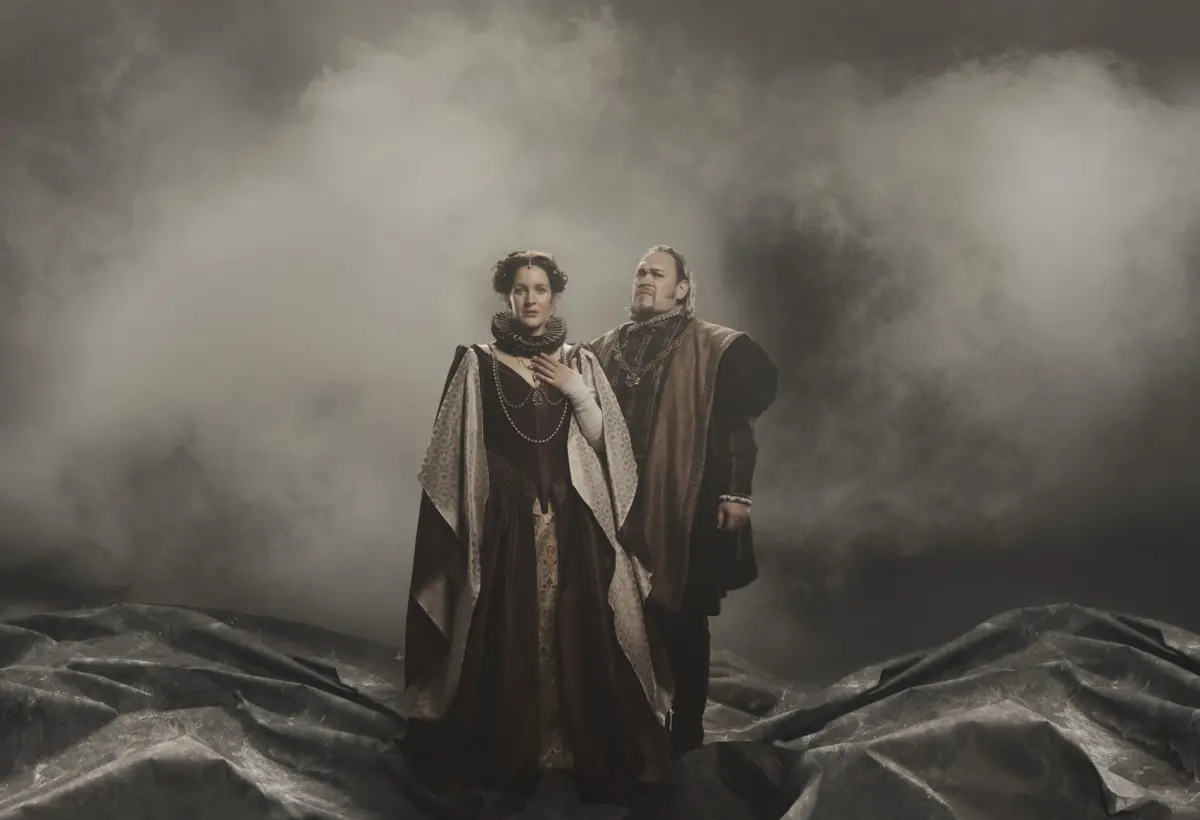
The Metropolitan Opera is preparing to hoist the curtain on its monumental 141st season with a high-stakes artistic statement: the company’s first new production of Giuseppe Verdi’s psychological masterpiece, Macbeth, in nearly two decades. Opening on September 22, this much-anticipated mounting promises to redefine one of the Italian master’s most gripping operatic adaptations of Shakespeare. For a generation of opera enthusiasts, the last significant production at the Met was a distant memory, making this revival not merely a seasonal highlight, but a milestone event in the institution’s ongoing post-pandemic cultural resurgence.
At the helm of this ambitious undertaking is a formidable quartet of operatic heavyweights. Star soprano Lise Davidsen steps into the blood-soaked shoes of Lady Macbeth—a role that represents a thrilling expansion of her soaring dramatic repertoire. Opposite her stands powerhouse baritone Quinn Kelsey, whose commanding stage presence and vocal agility make him uniquely suited for the psychological disintegration of the Scottish tyrant. They are joined by the electrifying tenor Freddie De Tommaso as Macduff and the resonant bass-baritone Ryan Speedo Green as the ill-fated Banquo.
Guiding the sonic landscape is Yannick Nézet-Séguin, the Met’s Jeanette Lerman-Neubauer Music Director, who will draw out the dark, subterranean textures of Verdi’s orchestration from the pit. Meanwhile, stage director Louisa Proske makes her eagerly awaited company debut, bringing a fresh, contemporary theatrical vision to a score renowned for its supernatural dread, psychological claustrophobia, and sweeping choral power.
Running for ten performances through October 20, the production is designed to capture the global spotlight. Beyond the physical confines of the Lincoln Center auditorium, the company has orchestrated a multi-platform distribution strategy. This includes a live global transmission via The Met: Live in HD, live SiriusXM radio broadcasts, and an international radio syndication. As the classical music world fixes its eyes on New York City this autumn, the opening night of Macbeth serves as both a testament to the enduring vitality of grand opera and a bold declaration of the Met’s artistic ambitions for its 141st season.
Detailed Chronology & Production Roadmap
The journey to the opening night of this new Macbeth has been meticulously choreographed by the Met’s artistic administration. Transforming a theatrical vision into a reality on the sprawling stage of the Metropolitan Opera House requires months of intensive technical rehearsals, orchestral run-throughs, and dramatic coaching.
The Rehearsal Phase and Early Previews
As summer transitions into autumn, the backstage corridors of Lincoln Center buzz with activity. The production process officially shifts into high gear weeks before the September 22 premiere. Director Louisa Proske, known for her visceral, emotionally intense theatrical storytelling, begins staging sessions with the principal cast in rehearsal studios before moving the action onto the massive main stage.
For Lise Davidsen and Quinn Kelsey, these weeks involve navigating not only the immense vocal demands of Verdi’s middle-period masterpiece but also the complex physical staging required by Proske’s concept. Verdi’s score demands rapid emotional shifts—from the chilling ambition of the opening prophecies to the fracturing sanity of the banquet scene and the haunting remorse of the sleepwalking aria. Concurrently, Yannick Nézet-Séguin leads the Metropolitan Opera Orchestra through intensive sitzproben and orchestral rehearsals, ensuring that the blistering brass, eerie woodwinds, and thunderous percussion sections achieve the razor-sharp precision that Verdi’s score mandates.
The Opening Night Gala and Fall Run
The season officially commences on September 22 with a high-profile opening night gala performance that draws cultural leaders, philanthropists, and international critics to the Upper West Side. This opening performance kicks off a tightly packed fall run consisting of ten total performances spread across four weeks, culminating on October 20.
Throughout this run, the production undergoes the rigorous quality control typical of a world-class repertory house, with understudy rehearsals and musical touch-ups maintaining the high standard set on opening night. The performance schedule is strategically structured to build momentum toward the middle of October, when the production is captured for posterity and broadcast to millions worldwide.
Global Broadcast and Media Milestones
The operational crown jewel of the autumn schedule occurs on Friday, October 17. On this date, the afternoon or evening performance will be transmitted live in high-definition to movie theaters across the globe as part of the flagship The Met: Live in HD series. This broadcast brings the visceral intensity of Proske’s staging and the vocal fireworks of Davidsen and Kelsey to audiences in hundreds of cinemas across North America, Europe, Asia, and beyond.
The media footprint extends further into the audio realm. SiriusXM listeners will have live access to the performances on September 22 and October 14, bringing the acoustic splendor of the Met directly into homes and automobiles. Finally, the audio record of the season will be cemented on January 16, when a professionally mastered recording of the October 17 performance is broadcast internationally via The Robert K. Johnson Foundation–Metropolitan Opera International Radio Network, ensuring that the legacy of this production echoes long after the physical set pieces have been struck from the stage.
Supporting Context & Metrics: The Anatomy of a Modern Opera Blockbuster
To fully appreciate the significance of this new Macbeth production, one must examine the broader financial, logistical, and artistic metrics that govern the contemporary Metropolitan Opera. Mounting a brand-new production of a grand opera in the 21st century is a multimillion-dollar enterprise involving hundreds of skilled artisans, technicians, and administrators.
The Evolution of Macbeth at the Met
Verdi’s Macbeth, premiered originally in Florence in 1847 and heavily revised for Paris in 1865, occupies a unique place in the operatic canon. Unlike traditional Italian romantic melodramas, it focuses heavily on psychological horror, supernatural elements—the witches’ prophecies—and a married couple driven to madness by guilt and unchecked ambition.
Historically, the Met has approached the work with reverence, but new productions are rare. The company’s previous major mounting, directed by Adrian Noble and conducted by James Levine, opened in 2007 and starred Sylvia Valayre and Lado Ataneli. For nearly twenty years, that staging defined the opera’s presence at Lincoln Center. By commissioning a brand-new production for the 141st season, the Met is acknowledging that contemporary audiences demand a fresh theatrical vocabulary—one that speaks to modern psychological anxieties while honoring Verdi’s revolutionary musical idioms.
Star Power and Vocal Demographics
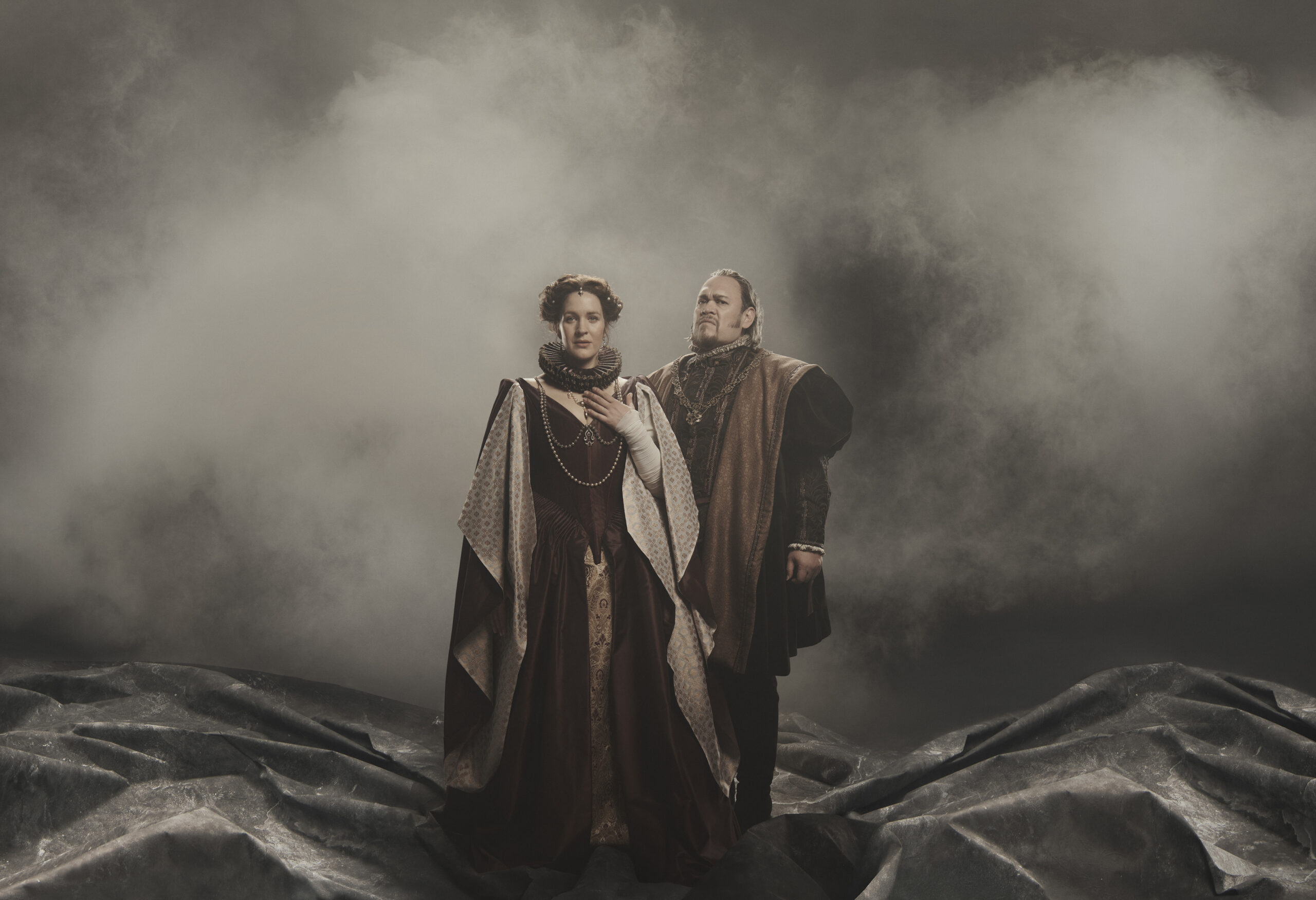
The casting of Lise Davidsen as Lady Macbeth is a watershed moment in the Norwegian soprano’s meteoric career. Known primarily for her towering interpretations of high-dramatic Wagnerian and Strauss roles (such as Ariadne auf Naxos, Die Walküre, and Tannhäuser), Davidsen’s foray into the Italian repertoire represents a deliberate and calculated expansion of her vocal portfolio. Lady Macbeth requires a chameleon-like vocal technique: it demands the cutting power of a dramatic soprano to ride over a heavy orchestra, yet it also requires the agility to negotiate coloratura passages and the breath control to sustain the ethereal, gossamer pianissimos of the sleepwalking scene ("Una macchia è qui tuttora").
Pairing Davidsen with Quinn Kelsey provides a formidable dramatic counterweight. Kelsey, a seasoned Verdian baritone beloved by Met audiences for his searing portrayals of Rigoletto, Il Trovatore, and Simon Boccanegra, brings a bruised nobility and rich vocal timbre to the title role. His interpretation of Macbeth’s moral collapse is expected to anchor the emotional core of the production.
Technological and Logistical Reach
The metrics behind the Met’s transmission initiatives underscore its position as a pioneer in arts broadcasting:
- Theatrical Reach: The Met: Live in HD series reaches millions of viewers annually across more than 70 countries, making it the most successful alternative content program in cinema history.
- Radio Syndication: The historic Metropolitan Opera International Radio Network remains one of the longest-running cultural broadcast syndications in the world, preserving the tradition of Saturday afternoon opera broadcasts while expanding into modern streaming apps like SiriusXM.
- Ensemble Scale: The production utilizes the full might of the Metropolitan Opera Chorus, prepared by Chorus Master Donald Palumbo, alongside dozens of supernumeraries, dancers, and stunt coordinators to bring the battles, banquets, and supernatural interludes of medieval Scotland to vivid life.
Official Statements & Artistic Vision
The public statements released by the creative team and company leadership shed light on the conceptual underpinnings of this new staging. Moving away from literal historical realism, director Louisa Proske and music director Yannick Nézet-Séguin have focused on the internal landscapes of the characters.
Yannick Nézet-Séguin on Verdi’s Sonic World
In discussions regarding the musical preparation of the season, Maestro Nézet-Séguin has frequently emphasized the revolutionary nature of Verdi’s score. Unlike the sun-drenched bel canto operas that preceded it, Macbeth showcases Verdi experimenting with dark, brooding orchestrations that prefigure his later masterpieces like Otello and Falstaff.
"Verdi was obsessed with the psychological truth of Shakespeare," Nézet-Séguin noted during early preview sessions. "In Macbeth, he strips away the conventional conventions of Italian opera to expose the raw, bleeding nerves of human ambition and guilt. The orchestra is not merely an accompaniment; it is the subconscious of the characters. Every heartbeat, every stroke of paranoia, every ghostly apparition is mirrored in the woodwinds, the low strings, and the biting brass. Working with an orchestra of this caliber on a score this rich is one of the supreme privileges of my musical life."
Louisa Proske on Directing the Scottish Play
For Louisa Proske, making her Met debut with a property as texturally dense and psychologically fraught as Macbeth is both a daunting challenge and an extraordinary canvas. Known for her work in theater and opera that explores the dark corners of the human psyche, Proske approaches the opera not as a history play about medieval kings, but as a timeless exploration of corruption, tyranny, and the fracturing of the soul.
"At its core, Macbeth is a nightmare," Proske stated in promotional interviews detailing her directorial vision. "The supernatural elements—the witches, the floating daggers, Banquo’s ghost—are external manifestations of internal rot. Our production seeks to trap the characters in a world where the boundaries between reality and hallucination dissolve completely. Lady Macbeth and Macbeth are not simply villains; they are tragic figures who unleash forces they cannot control. With artists of the caliber of Lise Davidsen and Quinn Kelsey, we are able to explore these dark psychological depths with astonishing emotional authenticity."
Future Outlook: Setting the Tone for the Met’s 141st Season
As the house lights dim on September 22, the implications of opening the 141st season with Macbeth will extend far beyond a single triumphant evening. For the Metropolitan Opera, this production serves as a bellwether for the institution’s artistic direction in a rapidly evolving cultural landscape.
A Blueprint for Repertory Renewal
The decision to invest in a brand-new production of a core repertory work signals a strategic pivot by Met management. While beloved, traditional stagings remain the bedrock of the company’s financial stability, modern audiences—and younger demographic cohorts cultivated by digital initiatives like Live in HD and the SiriusXM broadcasts—expect theatrical interpretations that engage critically with the dramatic text. By entrusting a major property to a visionary director like Proske and pairing her with powerhouse vocalists who are expanding their artistic boundaries, the Met is establishing a blueprint for how standard repertoire can be revitalized for the 21st-century stage.
Financial and Cultural Sustainability
The sprawling operational footprint of this production—spanning live theater, global cinema screens, satellite radio, and international syndication—highlights the sophisticated hybrid business model required to sustain grand opera today. Ticket sales alone, even for a high-demand run featuring superstars like Davidsen and Kelsey, cannot fully shoulder the immense costs of mounting world-class opera. The ability to monetize the production across multiple digital and broadcast windows ensures that the artistic investment yields both cultural capital and vital revenue streams.
Looking Ahead to the Rest of the Season
As the final curtain falls on Macbeth in late October, the momentum generated by this opening gambit will propel the Met through the remainder of its ambitious 141st season. New productions and major revivals will follow, but the haunting melodies of Verdi’s Scottish tragedy, the searing vocalism of its stellar cast, and the stark imagery of Proske’s staging will linger in the institutional memory.
Ultimately, the opening of this new Macbeth is more than just the start of another opera season; it is a reaffirmation of the power of live performance to articulate the deepest, darkest truths of the human condition. As the witches prophesy and the crown changes hands on the stage of the Metropolitan Opera House, the institution demonstrates once again that grand opera remains a vital, electrifying, and deeply modern art form.