
Executive Overview
Since its dazzling arrival on the Great White Way in the summer of 2019, Moulin Rouge! The Musical has served as a beacon of high-octane theatricality, sensory overload, and unbridled romance. Transforming the Al Hirschfeld Theatre into a decadent Parisian bohemian paradise, the production captured the hearts of millions and cemented itself as a modern Broadway landmark. Yet, while the dazzling choreography, iconic pop-mashup scores, and Tony Award-winning performances lived in the spotlight, another vital artistic narrative was unfolding concurrently from a vastly different vantage point.
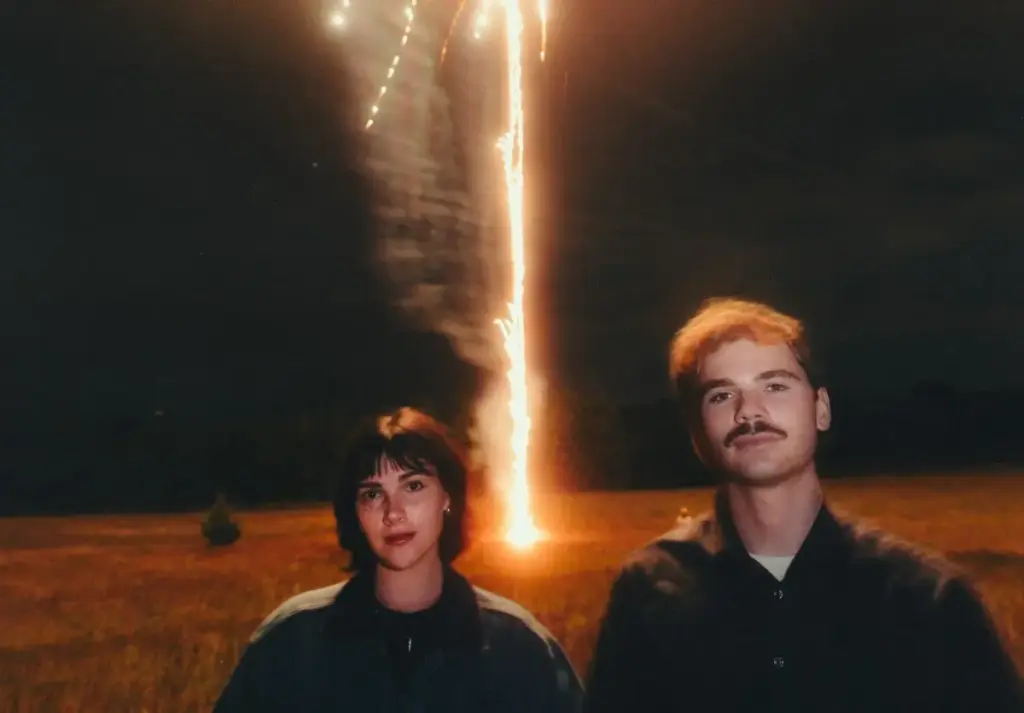
For the entirety of the show’s historic Broadway run—which reaches its triumphant final curtain on August 30—photographer and RPM creative director Avery Brunkus has been the visual chronicler of the production’s soul. Armed with her camera, Brunkus has captured the elusive ethos of "truth, beauty, freedom, and love" from backstage wings, dressing rooms, and the frantic edges of the house right aisle.
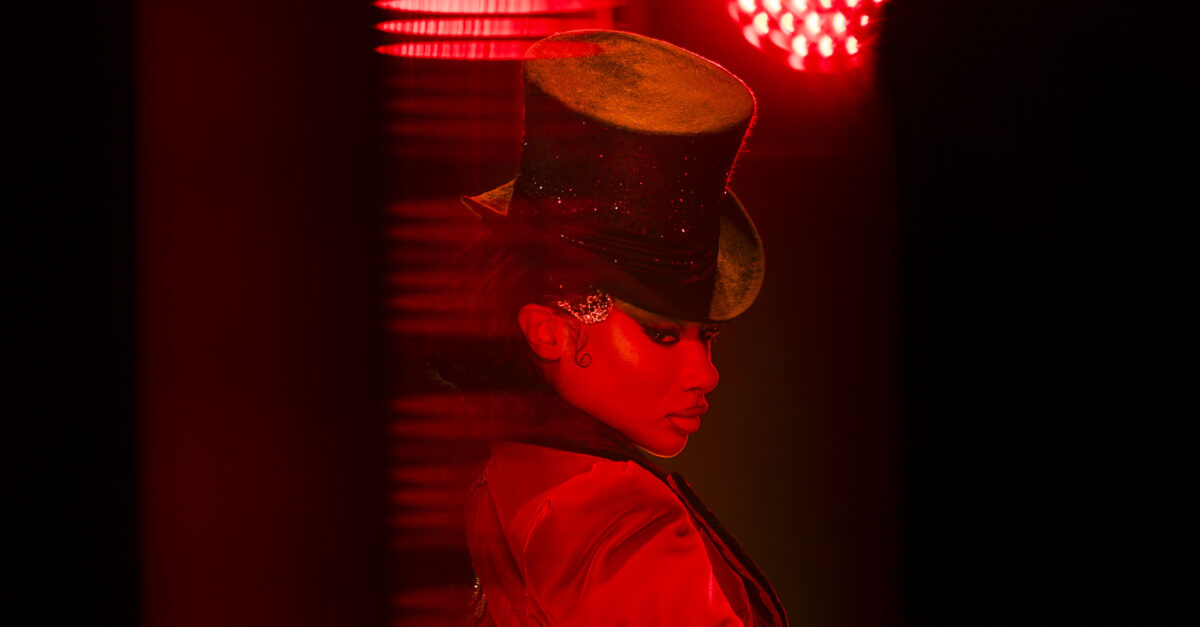
In a newly revealed retrospective of never-before-seen photographs and intimate reflections, Brunkus offers a rare masterclass in theatrical photojournalism. Summarizing her visceral approach to capturing live performance, Brunkus shares her guiding creative maxim: "Stakes have to be high, it has to be uncomfortable, and something has to be in my way." This comprehensive report explores Brunkus’ indelible visual archive, tracing the chronological milestones of the production, examining the rigorous methodology of Broadway advertising artistry, and evaluating the enduring cultural footprint of Moulin Rouge! The Musical as it prepares to dim its marquee lights.
Detailed Chronology: From First Previews to the Final Curtain
The Firsts: June 2019 and the Genesis of a Spectacle
Avery Brunkus’ journey with the bohemian revolution began on June 28, 2019, during the high-stakes whirlwind of the production’s first preview. The performance was completely sold out, and Brunkus was handed a multifaceted assignment: capture the electric anticipation of the arriving crowd, absorb the immersive staging from within the house, and rush to the stage door to document an unannounced post-show surprise.
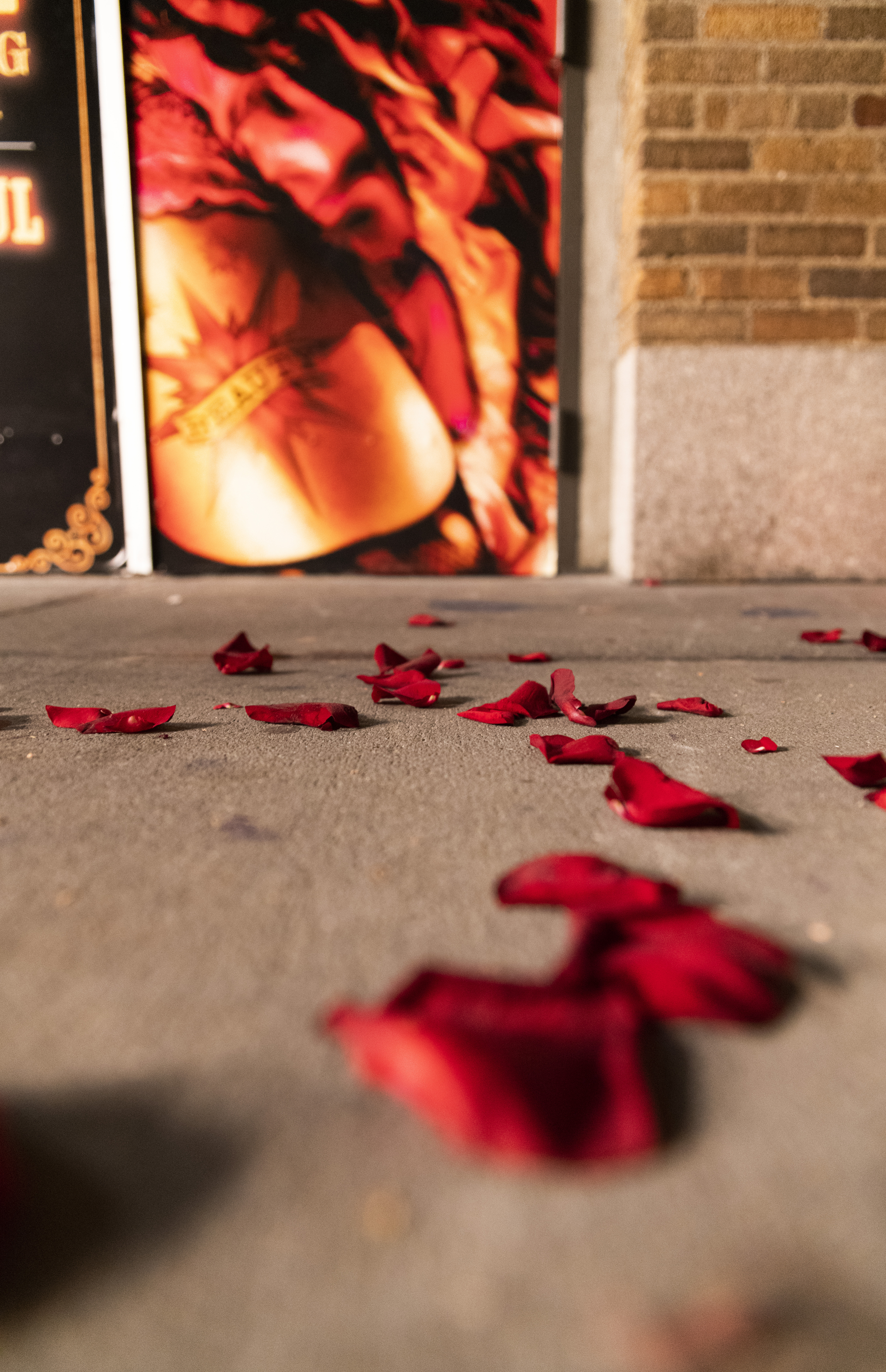
"Make it feel big," producers instructed her. The resulting surprise saw the entire theatrical company leaning over the balcony to shower the crowds outside with a cascade of red rose petals. While the physical action was meticulously photographed, Brunkus notes that the true emotional resonance of the evening resides in a quiet, mundane artifact: the scattered petals left behind on the concrete sidewalk.
"Those little petals on the sidewalk are evidence of something big," Brunkus reflects. "Something big and raucous and romantic and sexy and spectacular happened here. It’s like when you see New Year’s confetti on the streets of Times Square in June, or when Harry Styles plays at MSG for a bazillion days in a row and all of Manhattan is covered in boa feathers."
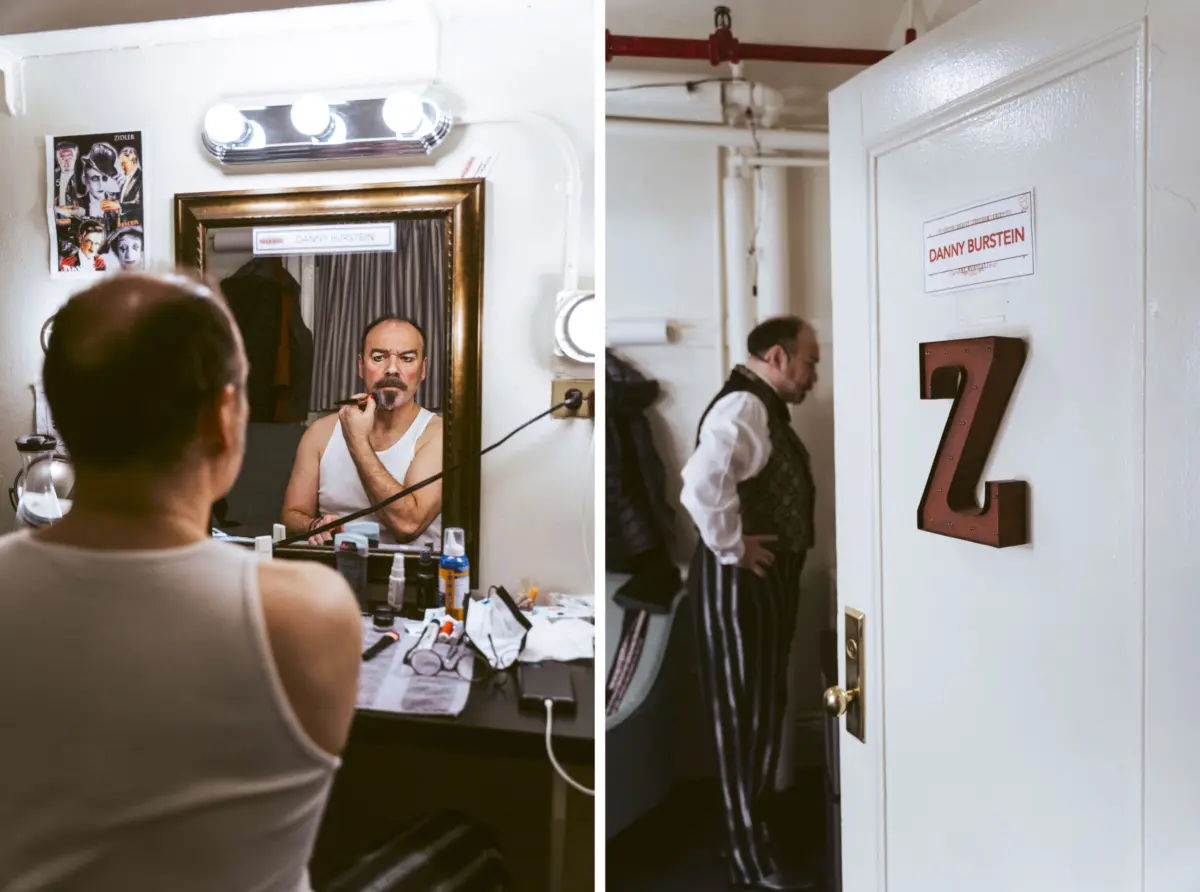
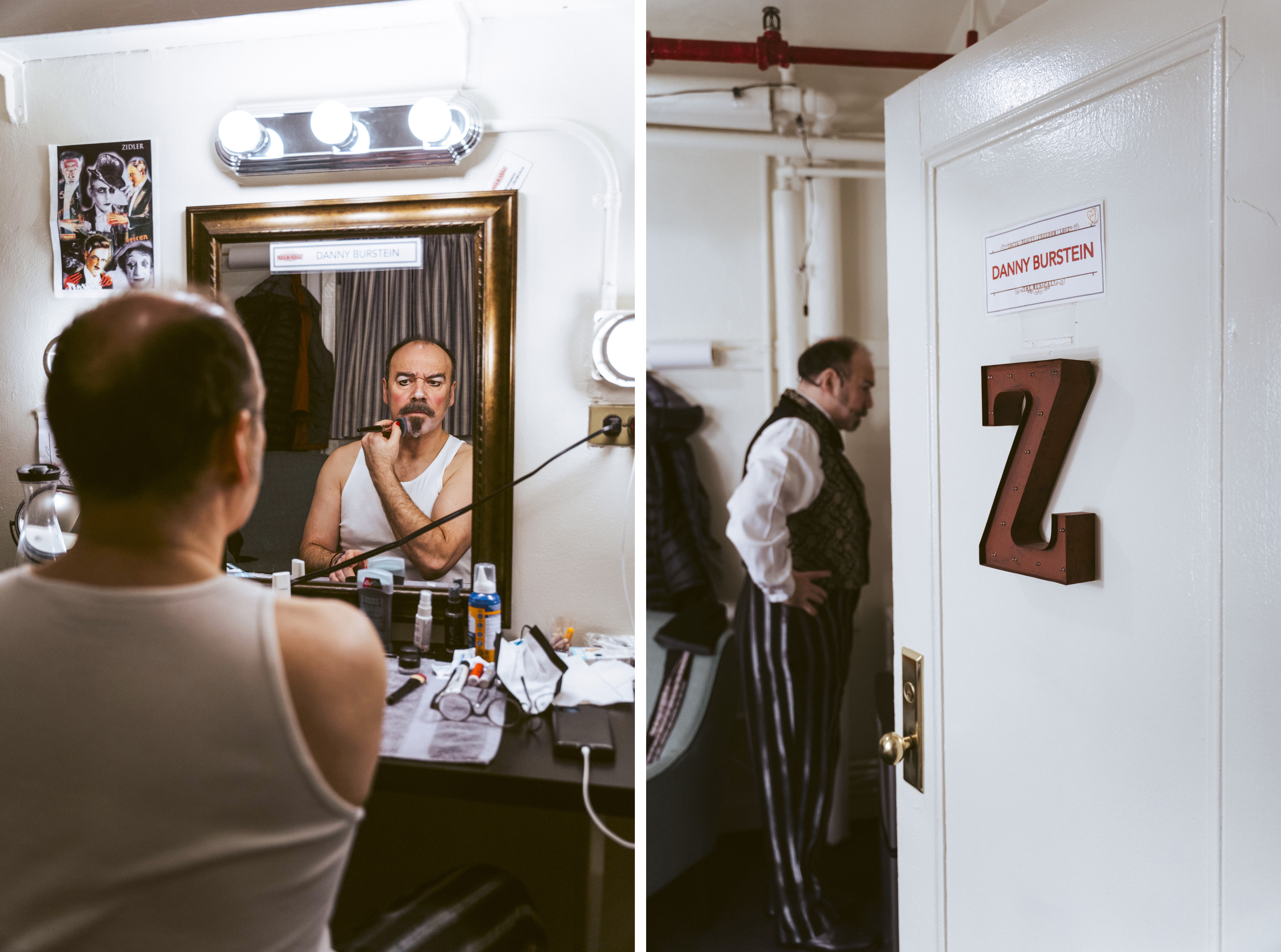
This foundational phase also included intimate, behind-the-scenes glimpses into actor preparation. Working alongside original Broadway Zidler and Tony Award winner Danny Burstein during a half-hour photo call, Brunkus captured the quiet, agonizingly detailed rituals of transformation. Ink-stained tags reading "BURSTEIN" bleeding into script margins, red and black painted fingers lacing up boots marked with Z-emblazoned heels, and a solitary moment at a dressing room sink—a deep, centering inhalation before stepping into the blinding lights—formed the ultimate portrait of "an actor prepares."
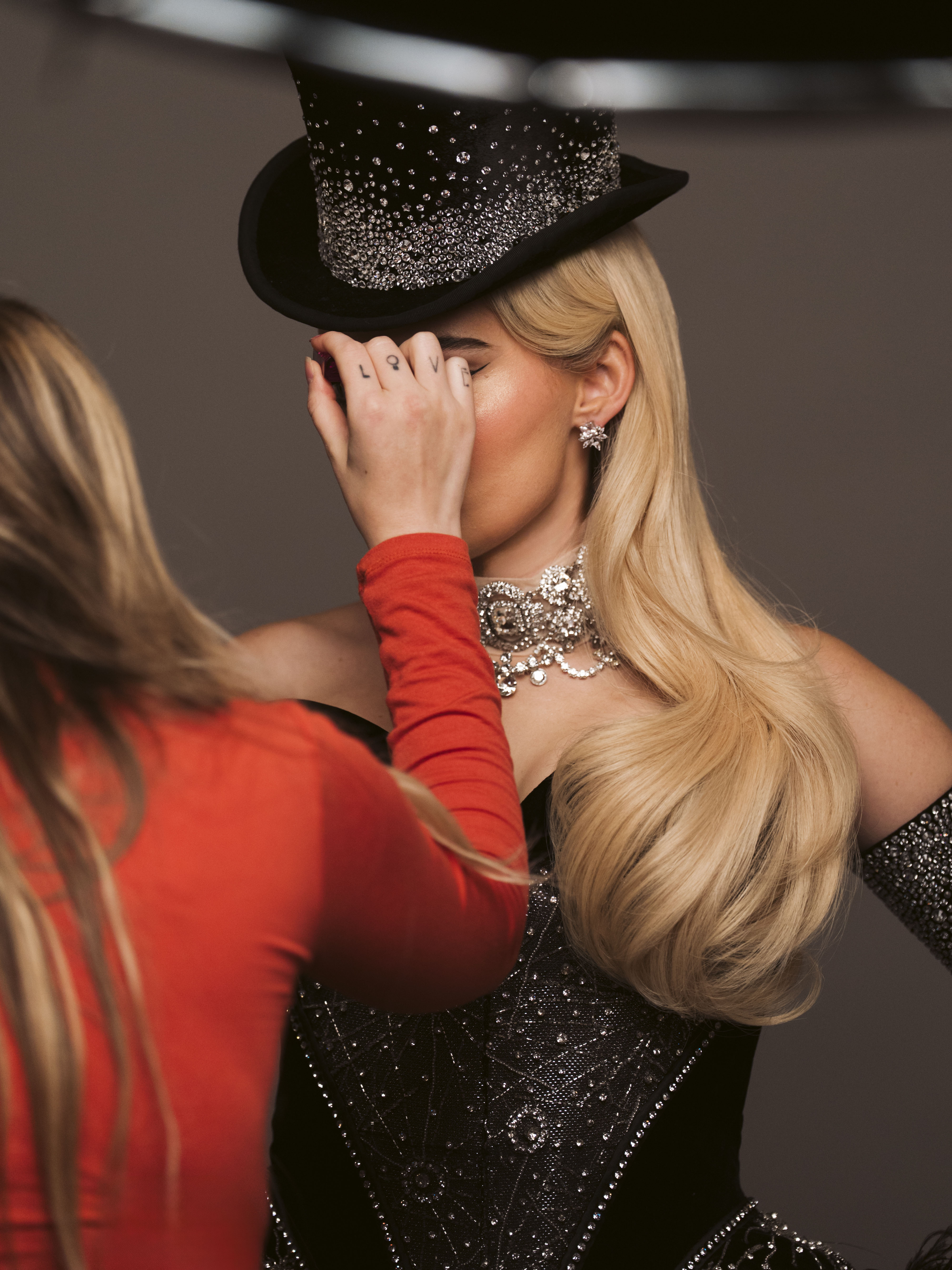
The archive also preserves moments of unexpected creative serendipity, such as the sudden casting transition of Meg Donnelly stepping into the role of Satine as the show’s first blonde iteration. Capturing makeup artist Rachel Roberts—whose right hand proudly bears a tattoo of the word "L-O-V-E"—working on Donnelly, Brunkus recalls her instant reaction upon hearing the casting news: "SHE HAS TO BE BLONDE." That single, unmuted burst of backstage enthusiasm helped steer the visual marketing campaign toward a striking, fresh aesthetic.
The Wings: Navigating Chaos and Spatial Constraints
To understand the kinetic energy of Moulin Rouge! The Musical, one must look beyond the pristine proscenium arch and into the chaotic, claustrophobic ecosystem of the wings. It is here, operating within inches of active stage machinery and racing performers, that Brunkus’ signature maxim—high stakes, physical discomfort, obstructions in the frame—finds its truest expression.
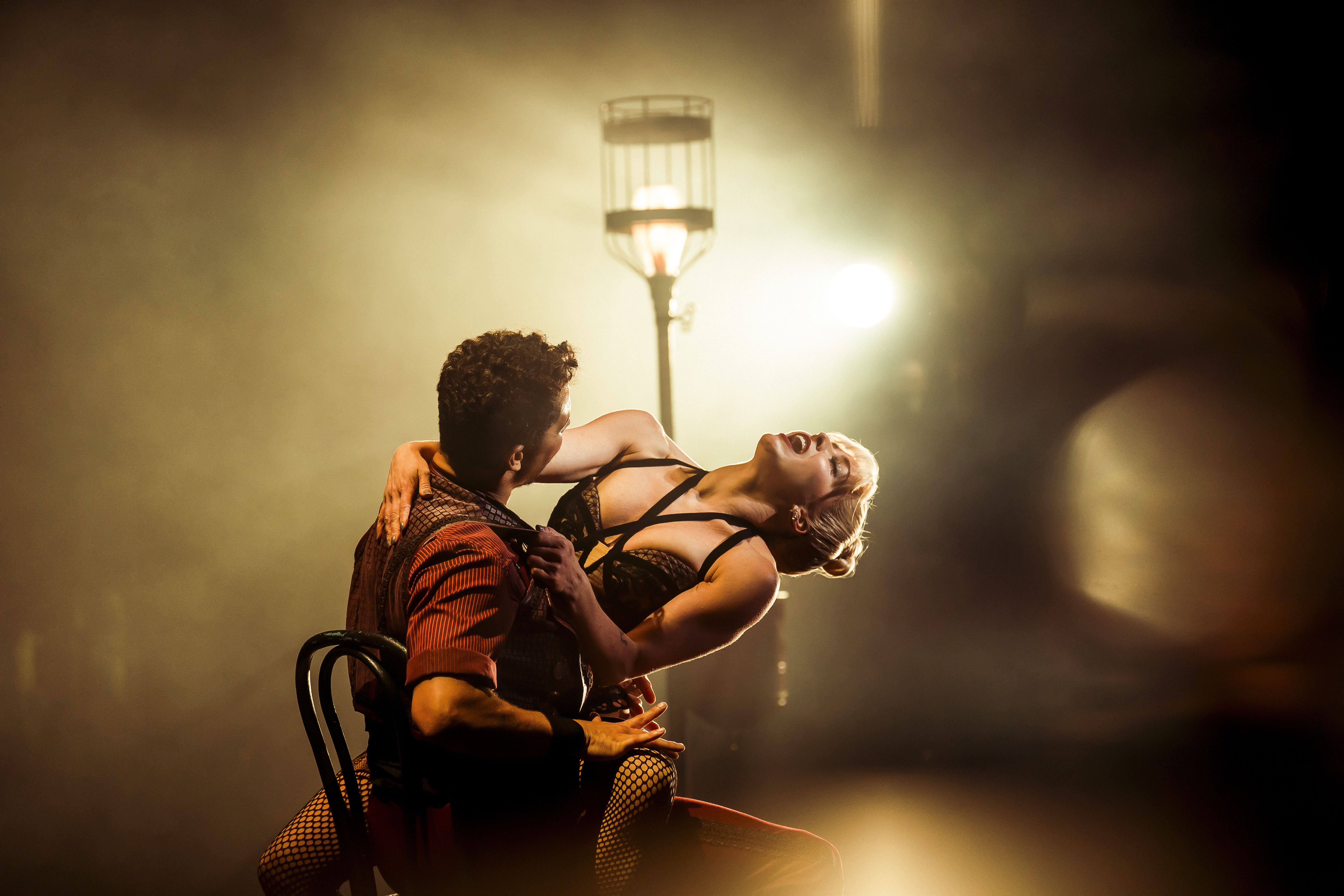
One such iconic image features ensemble members Kaitlin Mesh and Alex Gil Cruz caught mid-performance, with Mesh executing a gravity-defying backbend directly across Cruz’s lap. Stationed off stage right inside the meticulously detailed recreation of Toulouse-Lautrec’s bohemian studio, Brunkus faced immense spatial limitations.
"I whispered ‘no way’ when Kaitlin whipped into this backbend," Brunkus recalls. "Tucked in Lautrec’s studio off stage right, I only had enough room to shoot through a small space between lighting rigs. It was HOT and I was balancing on a bench for the full number. These are the perfect conditions: stakes have to be high, it has to be uncomfortable, and something has to be in my way."
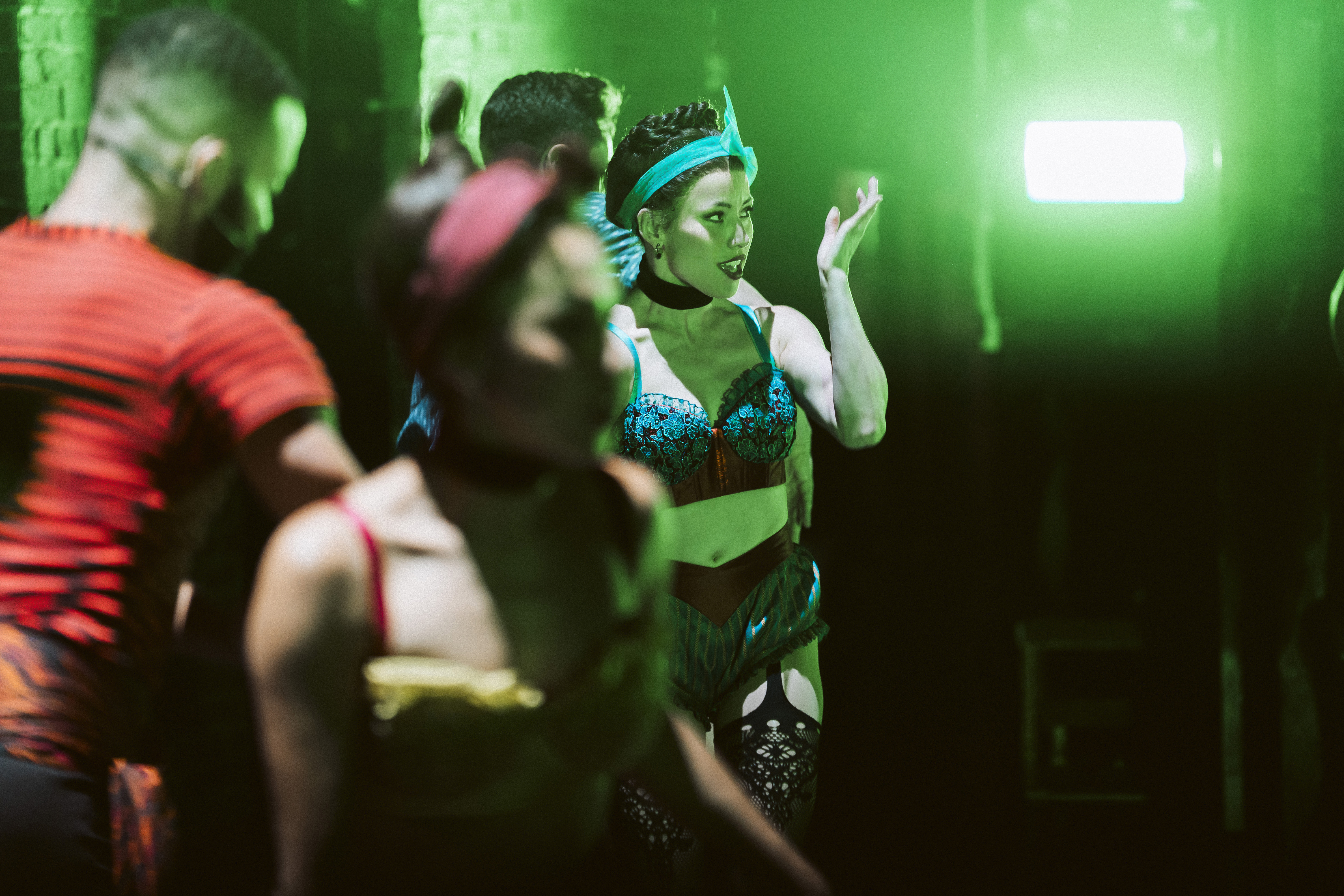
Equally striking is Brunkus’ portrait of ensemble member Jenn Stafford Yip. Bathed in an eerie, saturated green wash of stage lighting, the image radiates palpable tension, power, and theatrical sass. "I always come back to this photo because I can hear it," Brunkus notes. "It feels like Jenn Stafford Yip is saying ‘duh’ whenever I scroll by, as if she’s about to steal my lunch money."
The Curtain Call: Capturing the Ephemeral Aftermath
As the narrative resolution gives way to the bombastic, euphoric chaos of the show’s closing megamix, Brunkus shifts her focus to the curtain call—a ritualistic celebration where the boundary between character and actor dissolves entirely.
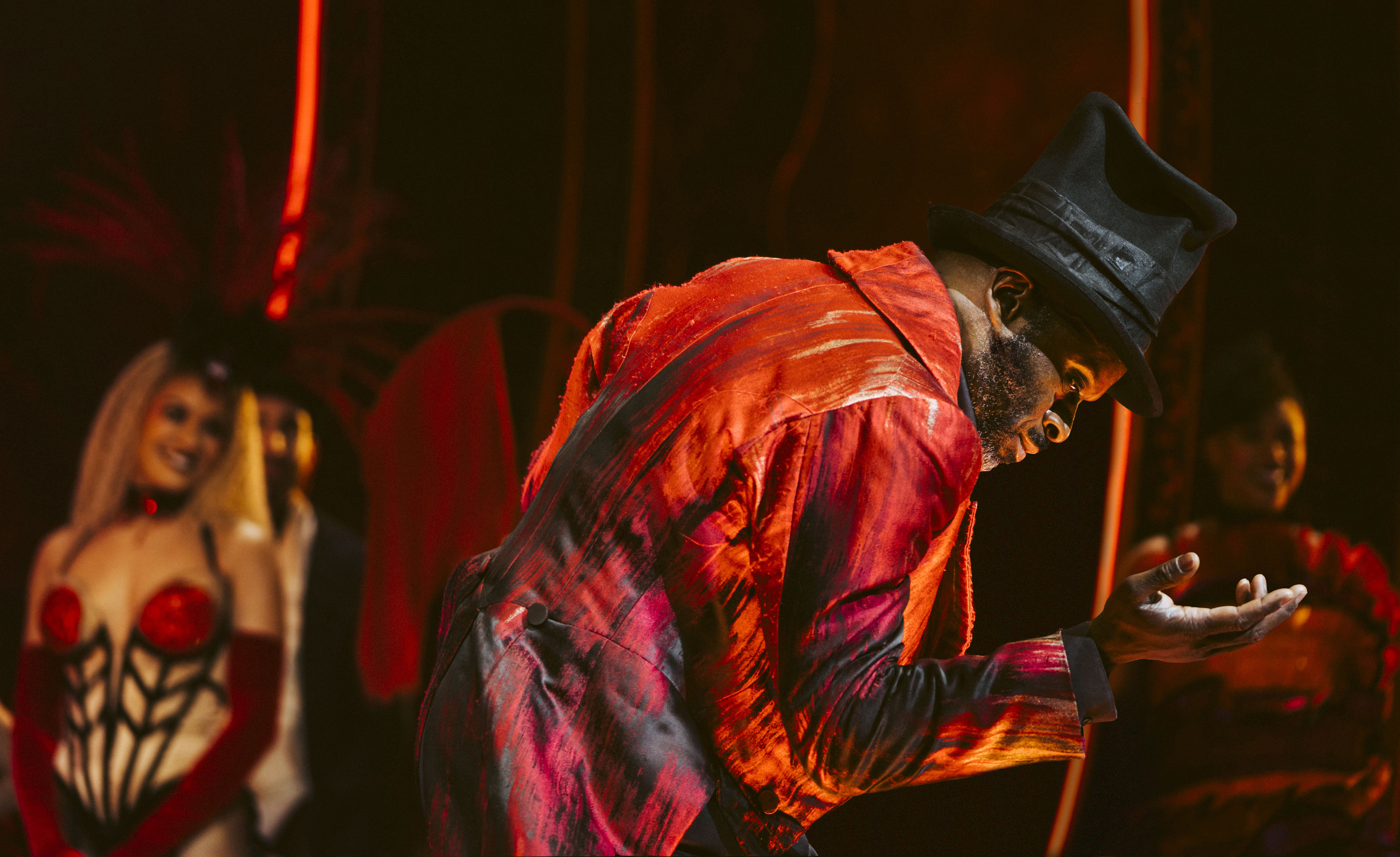
Among the crown jewels of this series is a poignant portrait documenting Sahr Ngaujah’s final performance as the tortured visionary Henri de Toulouse-Lautrec. The frame captures a rare alchemy of elements: Ngaujah’s profoundly expressive visage, legendary costume designer Catherine Zuber’s fiery, hand-painted jacket and weathered hat, and the radiant, supportive faces of the cast beaming directly behind him. Despite the deafening applause echoing through the Al Hirschfeld Theatre, the photograph achieves a transcendent, profound stillness.
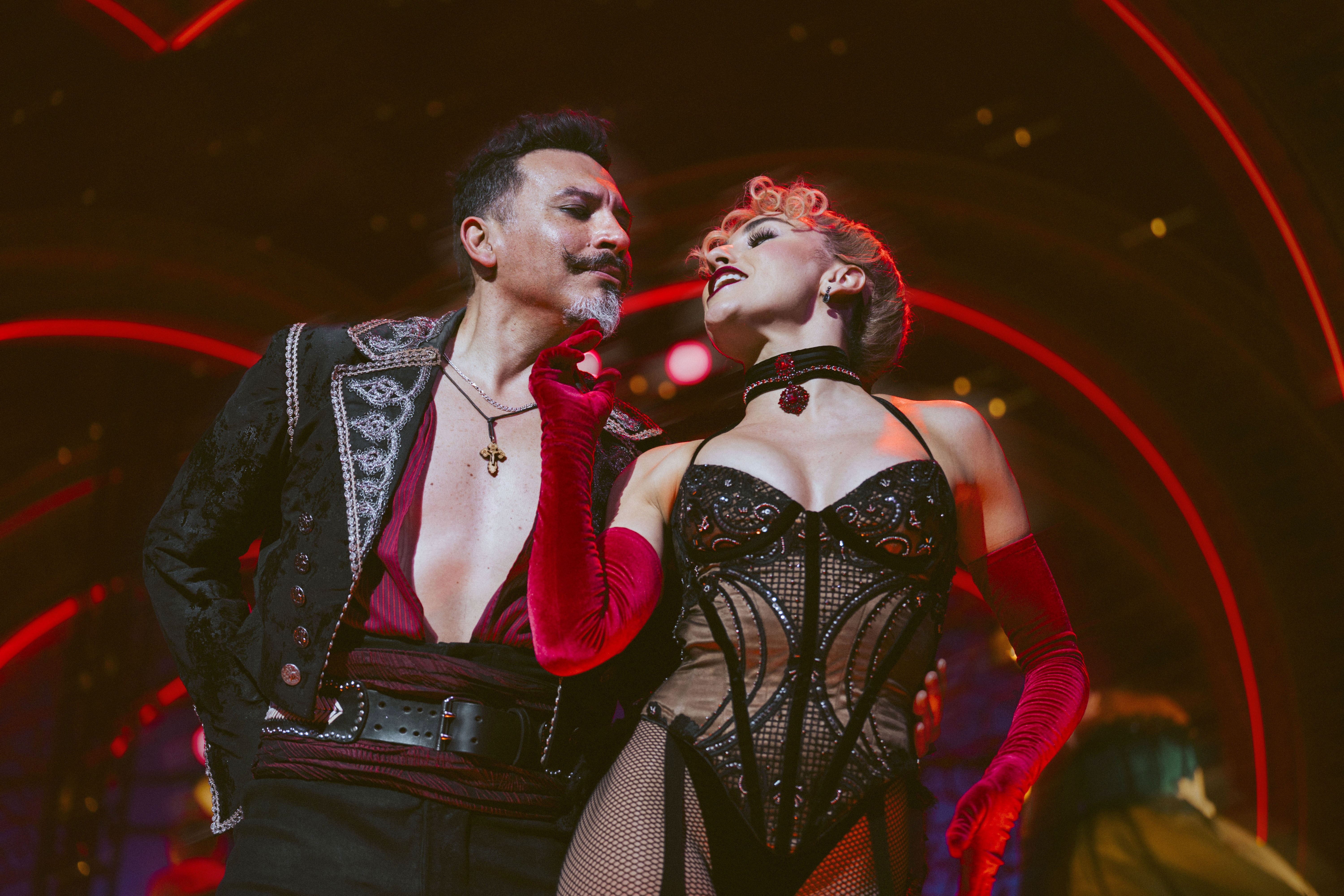
Further down the house right aisle—a vantage point Brunkus deliberately favors because it allows her to position herself "right up under people"—the photographer freezes moments of pure kinetic joy. Featuring performers Ricky Rojas and Sophie Carmen-Jones, alongside a sharply defined Nini wig punctuated by a crisp curly bang, these images celebrate the unbridled athleticism and sex appeal that defined the production’s choreography.
Perhaps the most narratively complex image in the curtain call collection centers on Eric Anderson’s definitive portrayal of Harold Zidler. Brunkus managed to capture Anderson like a bolt of lightning just moments before he dashes toward the physical light switch to cue the finale. The frame is a masterclass in layered composition: Anderson’s vibrant coat and fresh red wig converse seamlessly with Robyn Hurder positioned sharply in the foreground, while Aaron Tveit can be glimpsed descending from the emotional stratosphere of "Come What May" in the background.
"You have this deeply moving, emotional chorus with the entire company, and it’s Zidler’s job to record-scratch your brain and start up the megamix out of nowhere," Brunkus reflects on the fleeting, unrepeatable moment. "I haven’t caught this moment since."
Supporting Context & Metrics: The Economics and Artistry of Broadway Imagery
The visual documentation of Moulin Rouge! The Musical is not merely an artistic endeavor; it represents a critical pillar of modern Broadway’s multi-million-dollar marketing apparatus. As a creative director for RPM—the premier advertising agency steering the show’s promotional strategy—Avery Brunkus sits at the intersection of commercial viability and high art.
| Production Metric / Detail | Fact / Figure |
|---|---|
| Opening Date (Previews) | June 28, 2019 |
| Official Opening Night | July 25, 2019 |
| Closing Date | August 30 |
| Venue | Al Hirschfeld Theatre, New York City |
| Primary Photographer | Avery Brunkus (RPM Creative Director) |
| Major Accolades | 10 Tony Awards (including Best Musical) |
In an era where theatrical marketing relies heavily on digital saturation, social media engagement, and immediate visual storytelling, Brunkus’ work has played an indispensable role in maintaining the production’s cultural relevance. By bypassing sanitized, static press-release photography in favor of raw, visceral, behind-the-scenes journalism, Brunkus has provided audiences with an authentic portal into the sweat, dedication, and camaraderie required to sustain a Broadway behemoth through shifting cultural landscapes, industry-wide disruptions, and half a decade of continuous performance.
Official Statements and Reflections
The impending closure of Moulin Rouge! The Musical marks the end of an era for the Al Hirschfeld Theatre and the broader Broadway community. As producers, cast members, and creative teams prepare to archive costumes, strike sets, and bid farewell to the Bohemian kingdom, statements from the creative core emphasize the deep emotional weight of the transition.
While the producers have lauded the production for redefining immersive theatrical design, it is the artisanal contributors—artisans, dressers, makeup artists, and embedded media creators like Brunkus—who have most eloquently articulated what the space meant to the New York theater scene.
"When you work in a space as charged as Moulin Rouge!, complacency is the enemy of art," Brunkus notes in her retrospective commentary. By deliberately placing herself in physical discomfort—balancing on benches, shooting through narrow apertures between lighting trusses, and rushing backstage corridors—Brunkus ensured that her visual record mirrored the frantic, beautiful chaos of the musical itself. Her photographs stand as a testament to the fact that while theatrical productions are inherently ephemeral—designed to live only in the present moment—the dedication of those who capture them can anchor that magic in history permanently.
Future Outlook: Preserving the Bohemian Legacy
As Moulin Rouge! The Musical prepares for its final performance on August 30, questions naturally arise concerning the future life of the property and the preservation of its extensive artistic archives. With national tours currently traversing the globe and international iterations maintaining the show’s global footprint, the DNA established on Broadway will continue to proliferate.
However, the specific alchemy of the Al Hirschfeld Theatre production—the unique synergy between original cast members like Danny Burstein, Aaron Tveit, Robyn Hurder, and Sahr Ngaujah, coupled with the sharp, reactive eye of Avery Brunkus—will soon transition from a living, breathing nightly event into archival history.
Plans are currently underway within various theatrical institutions and private collections to curate comprehensive exhibitions featuring Brunkus’ behind-the-scenes photography, ensuring that future generations of theatermakers, scholars, and fans can study the raw mechanics of a modern Broadway masterpiece. As the neon windmill slows to a halt and the last rose petals are swept from the sidewalks of West 45th Street, Brunkus’ images will endure as the definitive visual epitaph for a show that taught Broadway once again how to dream in truth, beauty, freedom, and love.