
Executive Overview
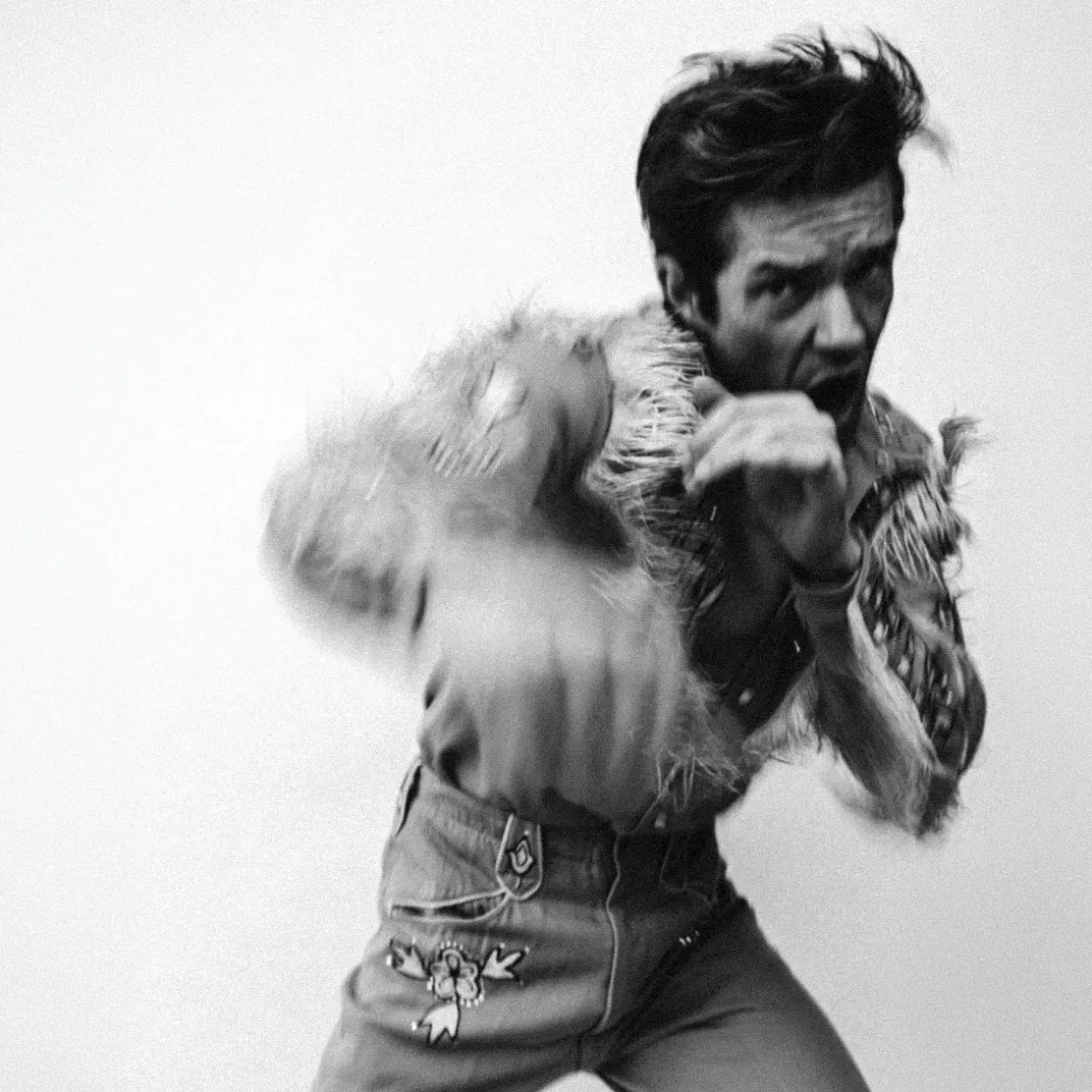
In the sprawling landscape of modern rock and roll, few frontmen have maintained the theatrical grandeur and lyrical earnestness of Brandon Flowers. For over two decades, the Las Vegas native has anchored The Killers, steering them from the jagged, synthesizer-heavy post-punk of 2004’s Hot Fuss to the stadium-sized anthems of the present day. Yet, for all of the neon signifiers, glittering Vegas backdrops, and existential wanderings that have defined his career, Flowers’ latest artistic pivot is his most revealing yet.
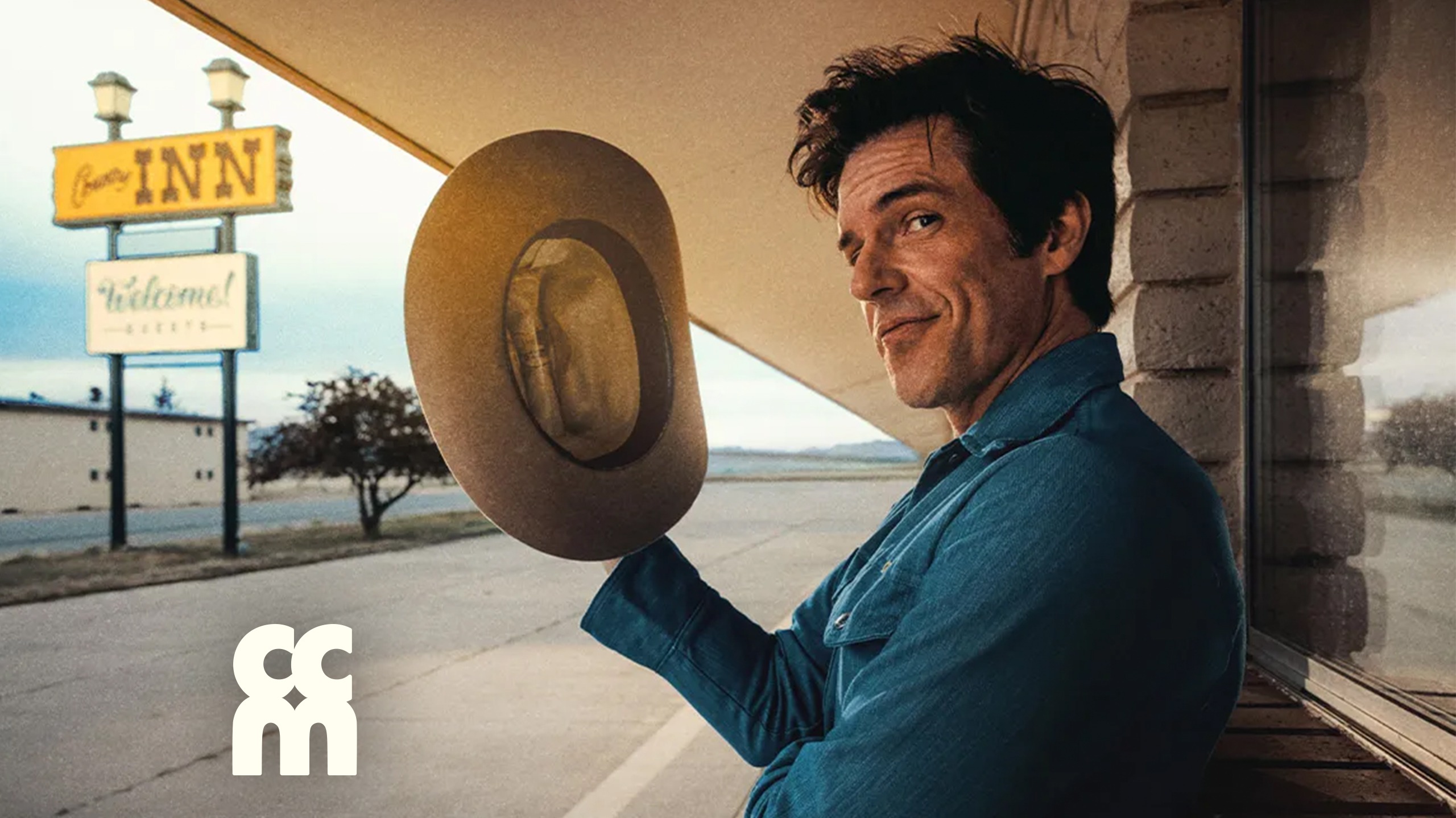
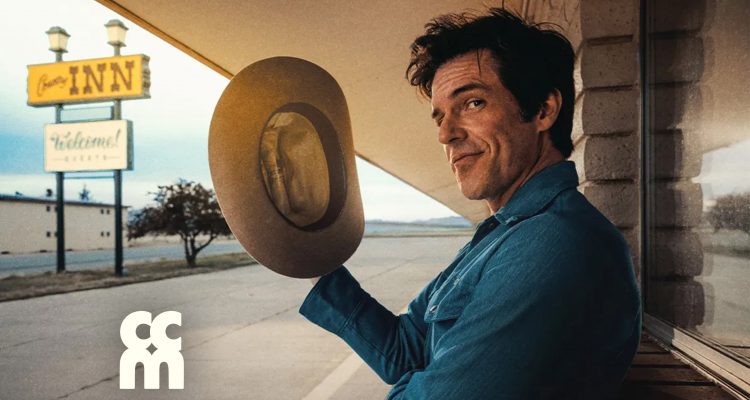
With his new Nashville-recorded solo album, Thrasher, Flowers steps away from the stadium synth-pop architecture of his primary band to plunge deep into what he describes as his "father’s music." Imbued with the sights, sounds, and spiritual inquiries of his Latter-day Saint upbringing, Thrasher is a country-western-infused meditation on redemption, generational trauma, small-town melancholy, and the enduring pull of the divine.
Recorded live off the floor at the historic RCA Studio A, the album bridges the gap between rock theatricality and country-western storytelling. It offers listeners a visceral experience marked by sawdust, rhinestones, stark biblical imagery, and an unexpected, surreal encounter with the King of Rock and Roll himself.
For publications like Contemporary Christian Music (CCM) Magazine, Thrasher presents a fascinating cultural and theological touchpoint. Though emerging entirely from the secular mainstream, the record features more direct references to Jesus Christ, redemption, and spiritual warfare than many releases marketed explicitly to Christian audiences. This release also marks a pivotal moment for CCM Magazine as it revives a historical tradition: thoughtfully engaging with select mainstream releases whose spiritual and moral themes warrant the attention of discerning audiences.
Detailed Chronology: From the Strip to Studio A
The genesis of Thrasher can be traced through the evolution of Flowers’ songwriting over the past decade, bridging his past solo efforts (Flamingo and The Desired Effect) with the dusty, small-town Americana of The Killers’ critically acclaimed 2021 album, Pressure Machine. Where Pressure Machine examined the quiet desperation of Nephi, Utah—the town where Flowers spent his adolescent years—Thrasher expands the scope outward into the broader mythology of the American West.
The Nashville Sessions
To capture the authentic, weathered spirit of traditional country and western music, Flowers relocated his creative process to Nashville, Tennessee. Eschewing the digital perfection, multi-tracking, and over-production typical of modern pop and rock records, Flowers opted for an organic approach.
He gathered an ensemble of elite Music City session players inside the legendary RCA Studio A. Crucially, the band played live together in the same room—a recording philosophy Flowers had not utilized since tracking The Killers’ sophomore masterpiece, Sam’s Town, in 2006. The result is a sound that is both refreshingly immediate and jarringly unpolished to ears accustomed to modern studio compression. Every acoustic strum, pedal-steel bend, and drum rim-shot carries the weight of a living, breathing room.
Tracklist Architecture and Narrative Arc
The album opens with "Does It Ever Cross Your Mind?", a track that swings with the easy, disarming familiarity of a classic standard performed at the Grand Ole Opry by an aging legend. Yet, beneath its comforting sonic surface lies a complex lyrical exploration of memory and regret.
From there, the album plunges into the gritty realities of working-class American life. "Paradise" bursts out of the speakers with high-octane energy, casting Flowers in the shoes of an aging Las Vegas casino valet dreaming of a better life.
Conversely, "Miss America" stands as one of the most emotionally devastating moments of Flowers’ recorded career. Inspired by his sister, the track confronts a harrowing cycle of abuse with unflinching directness. Against a dark sonic backdrop, Flowers imagines an alternative reality where a "Mormon boy" might finally treat his sister with the dignity and royalty she deserves. It is a song designed to leave listeners in near-total silence, displaying an emotional vulnerability rarely found in mainstream rock.
The album culminates with its breathtaking closing track, "An American Dream." A psychedelic meditation on mortality, the song finds Flowers imagining his own passing, leading to an extraordinary, surreal interaction with Elvis Presley. Rather than reducing Presley to a pop-culture punchline, Flowers frames the King as a spiritual and cultural predecessor—a fellow icon raised in the church, perpetually caught between the sacred and the spectacular. The record concludes in a blinding collision of "Gold and Silver, God and Glitter," with Elvis handing Flowers the keys and offering a final piece of advice: "Put it on Jesus."
Supporting Context & Metrics: Faith, Rock Culture, and the CCM Paradigm
Thrasher arrives at a time when discussions of faith within mainstream popular music are increasingly nuanced. Flowers has never concealed his identity as a member of The Church of Jesus Christ of Latter-day Saints, even when that affiliation positioned him as an outlier within the often cynical culture of 2000s indie rock.
The Evolution of Personal Faith
In recent interviews with prominent cultural publications, Flowers has opened up about the deliberate choices required to maintain an adult relationship with his childhood faith. Speaking with The Observer, he reflected on the journey:
"Well, I have discovered you can be Mormon and cool. But it’s been a real journey. I was so young when we started. I was indoctrinated into this church, I understand that. But at some point, you’ve got to decide if it’s going to be your faith or not. And that’s where the rubber meets the road. And I deepened my faith once I really committed to that road."
In a separate interview with The Times, Flowers elaborated on his spiritual foundation, stating plainly: "I really believe it. Faith has been a profound part of my life, and I’m drawn to Jesus Christ." He also shared memories of his father’s conversion when Flowers was six years old—a moment when the disappearance of alcohol and cigarettes from their home coincided with his father becoming "a better guy."
The CCM Engagement Dilemma
For publications rooted in the Christian Contemporary Music landscape, Thrasher poses an interesting challenge and opportunity. Theological differences between evangelical frameworks and Latter-day Saint doctrine are distinct and should not be flattened or ignored. Thrasher is not an evangelical worship record.
However, the album demonstrates that mainstream artists often engage with the person of Christ, biblical motifs, and moral imperatives with a level of literary depth that outpaces commercially packaged Christian radio singles. Flowers’ catalog is rich with spiritual architecture:
- "When You Were Young" (The Killers): Warned listeners about a devil who "doesn’t look like you and me," challenging simplistic notions of evil.
- "Dying Breed" (The Killers): Celebrated the rare, sustaining power of a lifelong, faithful marriage.
- "Fire in Bone" (The Killers): Retold the emotional and spiritual arc of the Prodigal Son.
By treating faith as a fundamental component of the human experience rather than a decorative marketing accessory, Flowers challenges both secular listeners and faith-based consumers to engage with spiritual questions more seriously.
Official Statements & Industry Shift
The release of Thrasher coincides with a broader editorial policy shift at CCM Magazine, which is formally expanding its coverage to include select mainstream releases that merit the attention of its readership.
According to editorial leadership, this move is not an attempt to dilute the magazine’s nearly 50-year history or chase fleeting secular trends. Instead, it is a deliberate return to the foundational ethos established by the publication’s founder, John Styll. Reflecting on the magazine’s early years, Styll noted:
"We did not make a distinction between mainstream releases and Christian-market releases. We only reviewed mainstream albums when we thought there was a reason our audience would be—or should be—interested."
This framework allows CCM to evaluate art on its merits—acknowledging where faith, doubt, and moral struggle shape an artist’s worldview—while remaining transparent about content that families may find challenging.
Content Transparency for Families
While Thrasher is a masterclass in songwriting and thematic depth, it comes with necessary editorial caveats. The album contains mild profanity, as well as raw, unvarnished references to domestic abuse, trauma, and violence. These elements are not deployed for shock value, but rather serve as narrative tools to depict broken human experiences in need of redemption. Consequently, parents are advised that certain tracks—particularly "Miss America"—confront dark realities that younger audiences may not yet be equipped to process.
Future Outlook
Brandon Flowers’ Thrasher represents a high-water mark in a career defined by fearless reinvention. By stripping away the massive synth-rock arrangements of his day job and leaning into the acoustic honesty of Nashville studio recording, Flowers has delivered a deeply resonant record that bridges the gap between secular art and spiritual longing.
As CCM Magazine broadens its cultural footprint to review works like Thrasher, it signals a maturing dialogue within the Christian music community—one that recognizes that profound spiritual questions do not stop at industry boundaries. Thrasher proves that grace, redemption, and the search for the divine can emerge just as powerfully from a dusty Nevada memory or a Nashville tracking room as they do from a Sunday morning pew.
Thrasher is available across all major streaming and physical platforms.