
Executive Overview
For the modern music educator, the official job description rarely scratches the surface of daily responsibilities. Beyond teaching rhythm, intonation, and technique, instructors operate as counselors, mediators, mentors, coaches, cheerleaders, and schedule-juggling administrators. Day in and day out, educators pour immense emotional and intellectual capital into their students, their ensembles, and the broader school community. Yet, the administrative and planning burdens associated with running a thriving music program can quickly lead to burnout if the right tools are not in place.
Enter MakeMusic—a comprehensive, digital ecosystem designed to alleviate these administrative pressures and serve as a reliable pedagogical partner. Far from being just another software suite, MakeMusic aims to transform how educators approach the academic year, streamlining everything from initial curriculum design and repertoire selection to daily rehearsal execution, contest preparation, and long-term program recruitment. By offering intelligent, differentiated tools that cater to every student—from advanced section leaders to beginners still finding their footing—MakeMusic is helping educators build resilient, highly engaging programs that students enthusiastically choose year after year.
Detailed Chronology: A Year-Round Roadmap for Music Educators
Effective curriculum planning is not a one-time event conducted during the dog days of August; it is a continuous, dynamic cycle that evolves from the first day of school through the final spring concert and into summer planning. MakeMusic has structured its platform to support educators through every distinct phase of this academic journey.
Phase 1: Pre-Season Strategy – Begin with the End in Mind
Master teachers understand the value of backward design. The most successful academic years begin with clear, targeted objectives established well before the first rehearsal.
- Defining Goals: Whether an ensemble is chasing a superior rating at a regional evaluation, tackling an ambitious, dream-grade piece of literature, or simply working to rebuild post-pandemic morale and spark joy, having a defined starting point is essential.
- Mapping the Path: MakeMusic assists educators in auditing their current ensemble capabilities against their ultimate performance goals. By leveraging the platform’s expansive database, directors can map out a logical, step-by-step curriculum that bridges the gap between where students are today and where they need to be by festival season.
Phase 2: Autumn Integration – Repertoire Selection and Skill Building
Once the school year is underway, the focus shifts to daily engagement and foundational skill development. Choosing the right repertoire is critical during this period. Music must do more than simply check a box on a contest list; it must resonate with students, challenge their technical limitations without causing frustration, and keep them coming back to their instruments during independent practice.
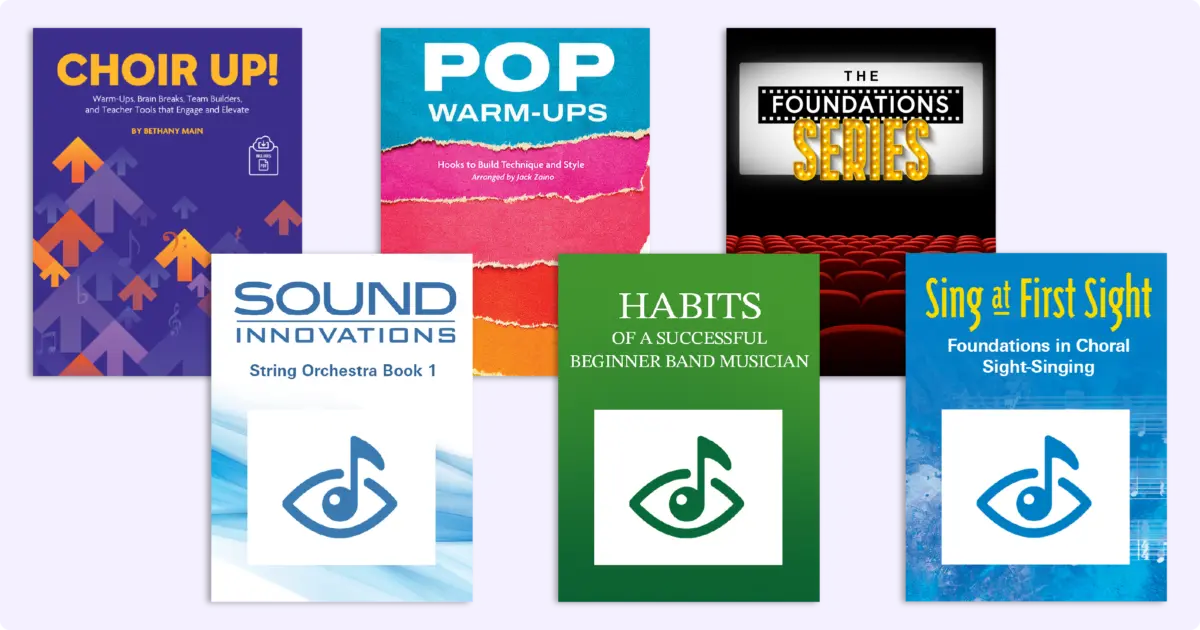
- Exclusive Content Exploration: Educators can tap into MakeMusic’s expansive library, which extends far beyond standard contest literature. The platform features exclusive, modern content designed specifically to capture student interest, ranging from contemporary pop warm-ups to specialized sight-reading generators and foundational method books.
- Habits and Foundations: During the autumn months, establishing solid technical habits is paramount. Supplemental modules within the platform allow teachers to assign targeted exercises that seamlessly integrate with core ensemble pieces, ensuring that foundational technique is never sidelined in favor of performance preparation.
Phase 3: Winter Refinement – Mid-Year Evaluations and Differentiated Support
As the academic calendar hits the winter stretch, the realities of individual student differences become glaringly apparent. Advanced players may be surging ahead, while struggling musicians may feel left behind.
- Targeted Intervention: MakeMusic provides granular tracking and assignment capabilities that allow educators to monitor individual practice habits and performance metrics. Teachers can instantly assign differentiated material to specific students or sections without disrupting the collective rehearsal workflow.
- Contest Preparation: With regional festivals and mid-year evaluations looming, directors utilize the platform’s interactive assessment tools to help students self-correct pitch, rhythm, and phrasing during at-home practice sessions, making subsequent in-class rehearsals vastly more efficient.
Phase 4: Spring Culmination – Concert Season and Program Assessment
The culmination of the academic year arrives with spring concerts, final evaluations, and year-end celebrations.
- Polishing Repertoire: During this final stretch, time is of the essence. MakeMusic’s playback and accompaniment features allow students to rehearse at home alongside professional audio tracks, ensuring that ensemble rehearsals are spent refining artistic expression, blend, and balance rather than hammering out basic notes.
- Reflecting and Planning: As the final notes of the spring concert fade, educators utilize data gathered through the platform throughout the year to evaluate curriculum efficacy, informing adjustments for the subsequent academic cycle.
Supporting Context & Metrics: The Science of Student Retention and Program Growth
While festival ratings and concert attendance are traditionally viewed as the primary metrics of a successful music program, educational research and industry insights point toward a far more fundamental indicator of long-term program health: student retention.
The Psychology of Belonging
A program’s growth is inextricably linked to the emotional climate cultivated within the classroom. According to educational specialists, the way students feel in a music program directly dictates whether they will re-enroll the following year and whether they will advocate for the program to their peers.
- Word-of-Mouth Marketing: Happy, engaged students talk to their friends. Satisfied parents talk to their neighbors—many of whom have younger children preparing to enter the school district.
- Lasting Impressions: Long after students graduate, they rarely remember the exact measure where they missed a note at a spring festival. However, they vividly remember the emotional environment of the rehearsal room: whether they felt challenged yet supported, whether they recognized their own musical growth, and whether they felt an authentic sense of belonging to a community larger than themselves.
Driving Efficiency Through Technology
Differentiated instruction has long been the gold standard in general education, but it is exceptionally difficult to execute in an ensemble setting where a single director might be managing seventy to over one hundred students simultaneously.

- Closing the Gap: MakeMusic acts as a digital force multiplier. By automating routine assessment tasks and providing immediate, visual feedback to practicing students, the platform bridges the gap between individual student needs and collective ensemble demands.
- Measurable Engagement: Programs utilizing integrated digital learning tools report higher independent practice consistency and improved student morale, directly translating into lower attrition rates between middle and high school transitions.
Official Statements and Industry Insights
Educational technology leaders and veteran music educators alike emphasize the critical shift toward streamlined, purposeful curriculum planning in the post-pandemic educational landscape.
"The modern music educator is asked to do the impossible on a daily basis," notes an executive spokesperson for MakeMusic. "Our core mission is to remove the friction points in music education. When teachers spend less time wrestling with administrative logistics, sheet music distribution, and tracking down practice records, they can reclaim their energy for what truly matters: making music and connecting deeply with their students."
Pedagogical experts echo this sentiment, pointing out that technology should never replace the human element of music-making; rather, it should protect and enhance it.
"Tools like MakeMusic do not automate the art of teaching—they amplify it," shares a veteran high school band director and curriculum consultant. "When I can assign customized sight-reading or targeted technical exercises that meet my first-chair players and my struggling beginners right where they are, I am no longer teaching to an imaginary ‘average’ student. I am reaching every single child in the room. That kind of intentional support transforms a standard elective into the class that students look forward to all day."
Furthermore, industry analysts highlight that software integration in the arts is no longer a luxury, but a necessity for program survival. As school districts face tightening budgets and shifting curricular priorities, music programs that can demonstrate measurable student engagement, rigorous standards-based learning, and strong retention metrics are best positioned to thrive.
Future Outlook: The Evolution of Digital Integration in Music Education
Looking ahead, the landscape of music education is poised for even deeper technological integration, driven by the need for greater pedagogical efficiency, accessibility, and inclusivity.
The Next Frontier in Curriculum Design
As artificial intelligence and adaptive learning algorithms continue to mature, platforms like MakeMusic are expected to offer increasingly sophisticated diagnostic tools. Future iterations will likely feature predictive analytics that help educators identify students at risk of falling behind or dropping out of the program months before they make their final course selection decisions. Furthermore, expanded digital libraries will continue to diversify, offering culturally responsive repertoire that reflects the rich tapestry of the modern student body.
Empowering the Next Generation of Educators
Ultimately, the future of music education hinges on sustainability. By alleviating the administrative fatigue that drives so many talented educators out of the profession, comprehensive digital partners are helping to secure the longevity of school music programs nationwide.
For directors looking to transform their workflows and elevate their instructional impact, the path forward is clear. By leveraging robust, all-in-one platforms designed specifically for the realities of the modern classroom, educators can reclaim their time, deepen student engagement, and ensure that their programs remain vibrant, thriving cornerstones of their school communities for years to come.
Ready to make this your most organized, connected, and effective academic year yet? Educators can explore the platform firsthand by visiting the MakeMusic portal to start a free trial and experience how streamlined curriculum planning can revolutionize their daily teaching practice.