
Executive Overview
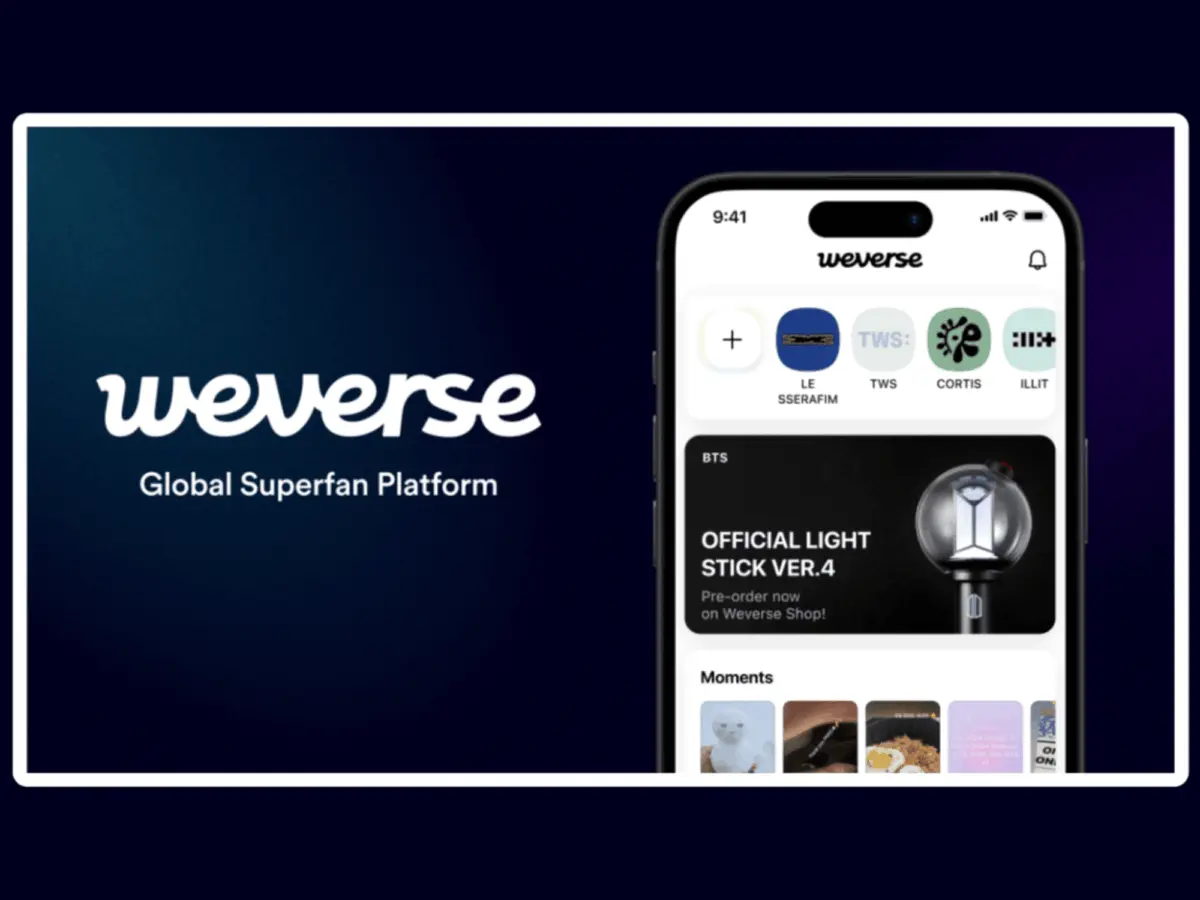
In an incident that has sent shockwaves through the global K-pop fandom and the broader music tech sector, Weverse—the premier superfan platform operated by entertainment titan Hybe—has confirmed a significant security breach. The cyber-incident, officially reported to regulatory authorities earlier this month, has impacted over 420,000 user accounts, exposing critical transaction and identification markers.
For a platform that prides itself on creating a secure, direct-to-consumer ecosystem bridging global music icons and their hyper-engaged fanbases, this data leak represents a severe reputational blow. As Weverse continues its explosive international expansion, hosting hundreds of artists and millions of monthly active users, the incident underscores the escalating cybersecurity vulnerabilities facing modern digital entertainment companies.
While leadership has scrambled to contain the fallout, issue public apologies, and reassure users regarding financial safety, the breach invites broader industry-wide scrutiny over how superfan data is collected, stored, and protected in an era of increasingly sophisticated cyber threats.
Detailed Chronology of the Incident
The sequence of events leading up to the public disclosure of the Weverse breach reveals a swift, if reactive, response by corporate stakeholders and South Korean regulators.
The Breach and Discovery
While the exact vector and initial timeline of the unauthorized access remain under rigorous internal and external investigation, the operational breach culminated in late August and early September. Weverse’s internal security monitoring systems flagged suspicious activity, prompting an immediate forensic audit. The investigation confirmed that malicious actors had successfully accessed backend infrastructure, compromising specific database segments tied to user accounts and transactional histories.
Regulatory Notification
Acting in strict compliance with South Korean data protection laws, Hybe and Weverse management formally reported the security lapse to the Korea Internet & Security Agency (KISA) on September 3. Swift reporting to KISA is a mandatory protocol under South Korean cybersecurity frameworks, ensuring that state-backed investigators can collaborate with corporate tech teams to trace the origin of the breach and evaluate the extent of the data compromise.
Public Disclosure and Damage Control
Following the notification to KISA, Weverse published a formal advisory notice on its official channels, detailing the scope of the incident to its user base. Simultaneously, high-level executives—including Weverse President Zooil Yang—issued statements taking full accountability for the oversight, pledging total transparency and proactive support for affected members.
Scope of the Compromise: What Data Was Exposed?
In the immediate aftermath of any major data breach, the primary concern for users and security experts alike centers on the nature of the compromised data. Weverse has released specific details to delineate what was lost—and, crucially, what remained secure.
Affected Data Points
According to official disclosures, the breach impacted 422,584 individual user accounts. The leaked data sets primarily comprise:
- User Account IDs: Unique system identifiers used to log into and recognize individual profiles within the platform.
- Payment-Transaction Details: Specific metadata and transactional records associated with purchases made within the Weverse ecosystem (such as merchandise, digital content, and fan-club memberships).
Uncompromised Data Points
To mitigate panic and quell rampant speculation across social media, Weverse explicitly clarified that core, highly sensitive personal identifiable information (PII) remained uncompromised. Specifically, the company confirmed that the breach did not expose:
- Real user names
- Direct contact details (phone numbers, email addresses)
- Full credit-card numbers or sensitive banking credentials
Financial Risk Assessment
Addressing the exposure of payment-transaction details, Weverse President Zooil Yang explicitly noted in his public address that “it is unlikely that payment forgery or unauthorised fund transfers could occur based on these data items alone.” Because full credit card numbers and primary security codes (CVVs) were isolated from the breach zone, the immediate risk of direct financial theft via unauthorized card usage is deemed low. However, cybersecurity analysts warn that exposed account IDs and transaction metadata can still be leveraged by malicious actors for sophisticated phishing attacks, credential-stuffing campaigns, and targeted social engineering schemes directed at vulnerable fans.
Supporting Context & Metrics: The Scale of Weverse
To fully understand the gravity of the Weverse data breach, one must examine the staggering scale at which the platform operates. Far from a niche fan forum, Weverse has evolved into a multi-billion-dollar digital infrastructure underpinning the global music economy.
User Growth and Engagement
In Hybe’s most recent financial results released prior to the incident, the company reported extraordinary growth metrics for the superfan platform:
- Monthly Active Users (MAUs): Weverse surpassed 14.4 million monthly active users by the end of June. This vast, globally distributed user base interacts with the app daily, streaming content, purchasing official merchandise, and participating in exclusive fan communities.
- Artist Ecosystem: More than 200 global music acts currently run official communities on Weverse. While anchored by Hybe’s powerhouse K-pop roster—including BTS, Tomorrow X Together (TXT), Enhypen, SEVENTEEN, and Le Sserafim—the platform has aggressively diversified, onboarding prominent Western and Asian pop, rock, and indie artists to broaden its international footprint.
The Music Industry’s Growing Cybersecurity Crisis
The Weverse incident does not occur in a vacuum. Over the past several years, the music and entertainment sectors have emerged prime targets for sophisticated cybercriminal syndicates. Entertainment companies hold vast repositories of high-value intellectual property, unreleased audio files, proprietary contracts, and millions of consumer profiles containing lucrative behavioral and transactional data.
The Weverse breach, while concerning for its 422,000-plus victims, pales in scale when compared to other recent high-profile music tech hacks. Most notably, the November 2025 cyberattack on AI music platform Suno compromised the personal information of a staggering 55.3 million users. Similarly, various ticketing agencies, streaming platforms, and merchandise distributors have faced continuous ransomware and data-exfiltration campaigns.
These successive incidents highlight a systemic vulnerability across the entertainment tech landscape: as companies pivot toward direct-to-consumer digital models to maximize monetization, their cybersecurity architectures have frequently failed to scale at the same pace as their user acquisitions.
Official Statements and Corporate Accountability
In the wake of the KISA filing, Weverse leadership moved swiftly to project accountability and outline remediation strategies designed to restore consumer trust.
Apology from Leadership
In an official corporate statement, Weverse President Zooil Yang addressed the user community directly, expressing profound regret over the security lapse:
“We deeply apologise to all the fans who trust and support Weverse for causing great concern and worry through this incident. The company takes full responsibility for this matter and will take all appropriate measures to address our customers’ concerns and worries.”
Yang’s prompt personal ownership of the crisis was interpreted by industry watchers as an intentional effort to stoke confidence and prevent the PR fallout from damaging Hybe’s broader corporate reputation—a crucial consideration given the company’s publicly traded status and global market ambitions.
Corrective and Preventive Measures
Beyond issuing public apologies, Weverse outlined a series of technical steps currently being implemented in collaboration with cybersecurity consultants and regulatory bodies:
- Infrastructure Isolation: Immediate quarantine and patching of the compromised server vulnerabilities that allowed unauthorized entry.
- Enhanced Encryption Audits: A comprehensive, third-party audit of all database encryption standards, particularly concerning transactional metadata and user identification tags.
- User Support Channels: The establishment of dedicated customer service hotlines and specialized support portals to assist the 422,584 affected users with personalized security advice.
- Enhanced Monitoring: Deployment of advanced anomaly-detection algorithms to monitor account access patterns and prevent credential abuse.
Future Outlook: Rebuilding Trust in the Superfan Economy
As the dust settles on the immediate crisis, the Weverse data breach serves as a watershed moment for the burgeoning "superfan economy." The incident forces a critical reckoning for entertainment conglomerates that rely heavily on proprietary digital platforms to monetize fan loyalty.
Regulatory Fallout and Compliance
South Korea maintains some of the strictest data privacy and cybersecurity regulations in the world, anchored by the Personal Information Protection Act (PIPA). While Weverse’s proactive self-reporting to KISA will weigh in its favor, the agency’s ongoing investigation could still result in regulatory sanctions, financial penalties, or mandated systemic overhauls depending on whether investigators find evidence of gross negligence in how user data was stored.
The Imperative of Zero-Trust Architecture
For technology teams operating within the entertainment sector, the lesson of the Weverse breach is unmistakable: perimeter defense is no longer sufficient. Moving forward, platforms managing millions of high-engagement fan accounts must adopt a zero-trust architecture, ensuring that even if external perimeters are breached, sensitive transactional and identification data remains heavily tokenized, fragmented, and cryptographically locked.
Safeguarding the Fan-Artist Connection
At its core, Weverse’s value proposition is built upon trust—an intimate digital bridge connecting beloved artists with the fans who fund their careers. When that trust is breached via compromised data, the emotional cost to fans can be just as damaging as the technical implications.
As Weverse works to put this incident behind it, the platform’s long-term success will depend not merely on technical patches, but on its demonstrated commitment to safeguarding the digital welfare of its millions of users. For the broader music industry, the incident stands as a stark reminder that as digital monetization deepens, cybersecurity must remain priority number one.