
Executive Overview
For a veteran Christian metal band accustomed to celebrating milestones like Dove Award nominations, the path to a major news cycle usually involves album releases, festival slots, or theological debates within the subgenre. However, the Pacific Northwest metalcore heavyweights Demon Hunter have found themselves in an unexpectedly surreal legal battlefield—not against a rival heavy metal act or a conservative watchdog group, but against one of the most powerful entertainment conglomerates on the planet: Netflix.
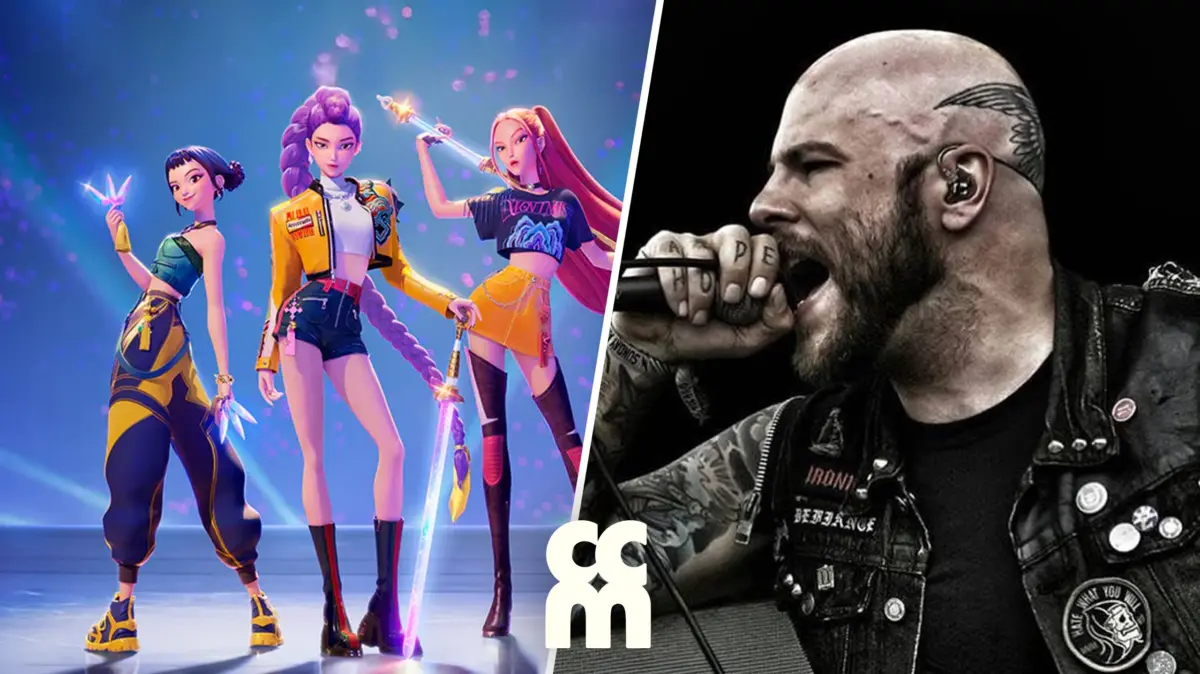
Through Hyde Lane, the corporate entity representing the band, Demon Hunter has filed a federal lawsuit targeting Netflix, Netflix Studios, and concert promotion giant AEG Presents. The core of the legal challenge centers on trademark infringement, unfair competition, and false designation of origin surrounding the massive multimedia franchise KPop Demon Hunters.
At first glance, the headline reads like a bizarre piece of internet satire: a gritty, 25-year-old underground metal band taking on a shiny, brightly colored animated property designed to appeal to families and pop music enthusiasts. Yet, beneath the comedic absurdity of the matchup lies a very real, high-stakes intellectual property dispute. Demon Hunter argues that Netflix’s aggressive commercial expansion—spanning soundtracks, extensive merchandise lines, and a massive 150-city global concert tour—creates an "almost complete overlap" with goods and services long offered under the band’s established moniker.
As the lines between digital streaming properties and physical music merchandise blur, this case transcends its humorous premise. It serves as a fascinating test case for senior trademark rights in the modern digital economy, raising critical questions about how independent legacy acts protect their brand identity when colliding with multi-billion-dollar corporate ecosystems.
Detailed Chronology: From Underground Metal Pioneers to Federal Court
To understand the gravity of the legal complaint, one must examine the timeline of both entities involved. The roots of the dispute trace back over two decades, contrasting the organic, grassroots brand-building of an independent heavy music act against the hyper-accelerated rollout of a modern corporate franchise.
Phase 1: Building the Demon Hunter Brand (2000–2024)
Formed in Seattle, Washington, in 2000 by brothers Ryan and Don Clark, Demon Hunter established themselves as a foundational pillar of modern Christian metalcore. Over the course of nearly a quarter-century, the band cultivated a fiercely loyal global fanbase, releasing numerous critically acclaimed studio albums, touring internationally, and maintaining a robust merchandise operation.
Throughout this 24-year history, the "Demon Hunter" name became intrinsically tied to a specific set of commercial offerings: heavy metal music, vinyl records, apparel, specialized accessories, and live concert experiences. The band secured and actively utilized their intellectual property in the marketplace, spending decades investing time, capital, and creative energy into establishing the distinct commercial value of the brand.
Phase 2: The Arrival of KPop Demon Hunters
Enter Netflix and its animated property, KPop Demon Hunters. Initially introduced as a streaming film project, the franchise quickly exploded into a cross-platform pop-culture phenomenon. The IP soon transcended the screen, bleeding heavily into the music sector via dedicated soundtracks, digital singles, and high-profile consumer products.
What began as a localized streaming concern escalated rapidly when Netflix partnered with AEG Presents to plan an ambitious, global live concert tour spanning roughly 150 cities. By stepping aggressively into the live touring, merchandise, and music sales space, the franchise began operating in the exact commercial sectors that Demon Hunter had occupied for decades.
Phase 3: Real-World Consumer Confusion and the Filing
According to the federal complaint, the theoretical risks of brand confusion quickly manifested in the physical world. In one notable incident detailed in legal filings, a consumer mistakenly spent approximately $500 on premium VIP tickets to a live Demon Hunter concert in Albany, New York. The buyer had intended to purchase tickets to take their 5- and 6-year-old children to a KPop Demon Hunters live experience, only to later contact the band’s management for a refund upon realizing the heavy metal reality of the event.
Faced with mounting commercial overlap, potential reputational dilution, and genuine consumer confusion, Hyde Lane officially initiated legal action. The lawsuit asks the federal court to intervene, citing the irreversible damage of a multi-billion-dollar enterprise dominating search engine optimization, consumer mindshare, and marketplace real estate under a nearly identical name.
Supporting Context & Metrics: The Mechanics of Trademark Law
To evaluate the merits of Demon Hunter’s lawsuit, legal analysts must look past the superficial irony and examine core trademark principles: priority of use and likelihood of confusion.
Senior vs. Junior Users in Trademark Law
In United States trademark jurisprudence, rights are generally granted to the "senior user"—the party that first adopts and uses a mark in commerce to identify its goods or services.
- Demon Hunter: Operating continuously under the name since the year 2000, holding established commercial priority in the realms of recorded music, apparel, and live performance.
- Netflix / AEG Presents: Operating as a "junior user" regarding the specific application of the phrase within the music, merchandise, and live touring sectors, having launched KPop Demon Hunters years later.
While trademark law often allows for the co-existence of similar names if the underlying industries are entirely distinct (e.g., Delta Air Lines and Delta Faucet), the doctrine of expansion protects senior users when a junior user enters adjacent markets. By expanding KPop Demon Hunters into physical music releases, apparel, and global concert tours, Netflix directly entered Demon Hunter’s established commercial territory.
The Metrics of Impact
The lawsuit details specific categories of alleged infringement and damages:
- Marketplace Real Estate: The overwhelming digital footprint of a Netflix-backed global franchise threatens to effectively shadow or drown out a niche independent metal band in search engine results, streaming algorithms, and social media discovery.
- Merchandise and Revenue Overlap: Direct competition in apparel and physical media sales creates financial friction.
- Relief Sought: Demon Hunter is pursuing a formal injunction to halt infringing activities, statutory damages, the disgorgement of profits associated with the disputed branding, coverage of legal fees, and a jury trial to adjudicate the claims.
Official Statements and Industry Perspectives
As the case makes its way through the federal court system, representatives for both sides—alongside independent legal observers—have weighed in on the implications of the dispute.
While formal public commentary from Netflix and AEG Presents has remained measured as legal teams prepare their defenses, industry insiders note that major media corporations frequently rely on clearance checks and artistic distinction arguments. From a corporate defense standpoint, Netflix will likely argue that KPop Demon Hunters functions as a distinct title targeting an entirely different demographic, making consumer confusion negligible outside of isolated incidents.
Conversely, intellectual property attorneys representing independent creators have expressed sympathy for Demon Hunter’s plight. Speaking anonymously regarding the dynamics of corporate IP encroachment, one entertainment attorney noted:
"When an independent entity spends 25 years building equity in a specific name, and a multi-trillion-dollar studio deploys a massive marketing apparatus that effectively swallows that exact phrasing in the public consciousness, the harm is very real. It’s not just about a joke on the internet; it’s about brand equity, consumer reach, and the right to exist in the marketplace without being overshadowed by a corporate goliath."
The band’s supporters and Christian metalcore fans have similarly rallied around the lawsuit, viewing it as a David-versus-Goliath struggle where an underground staple is forced to defend its foundational identity against corporate homogenization.
Future Outlook: Implications for Independent Artists
No matter how the federal court ultimately rules, the Demon Hunter v. Netflix litigation serves as a cautionary tale for the modern entertainment landscape. As streaming giants increasingly convert digital viewing properties into 360-degree commercial franchises—incorporating live tours, physical merchandise, and interactive music events—the friction points with legacy independent creators will only multiply.
Potential Outcomes
- Settlement and Rebranding: Netflix and its partners may opt for an out-of-court financial settlement, potentially introducing minor modifiers to the franchise’s live-tour branding to eliminate further marketplace overlap.
- Litigation to Trial: If the case proceeds to a jury trial, it will test how contemporary juries view consumer confusion in an era where digital content consumption spans multiple demographics simultaneously.
- Precedent for Legacy Acts: A favorable ruling or substantial settlement for Demon Hunter could empower other independent bands and small businesses to more aggressively defend their senior trademark rights against incursions by major streaming platforms.
Until a judge or jury issues a formal verdict, the heavy metal outfit from Seattle remains locked in a surreal standoff with the world of animated K-pop heroes. And while internet commentators will undoubtedly continue to spin the story for comedic effect, the legal reality underscores a sober truth: in the modern attention economy, protecting the name on your record is just as important as the music recorded within it.