
Executive Overview
In an aggressive move to solidify its standing within the global electronic and dance music communities, Amazon Music has announced the launch of a high-profile Amazon Music Original series titled “Classics Remixed.” The project enlists some of the most dynamic contemporary DJs, producers, and electronic artists to reimagine foundational dance anthems of the past three decades.
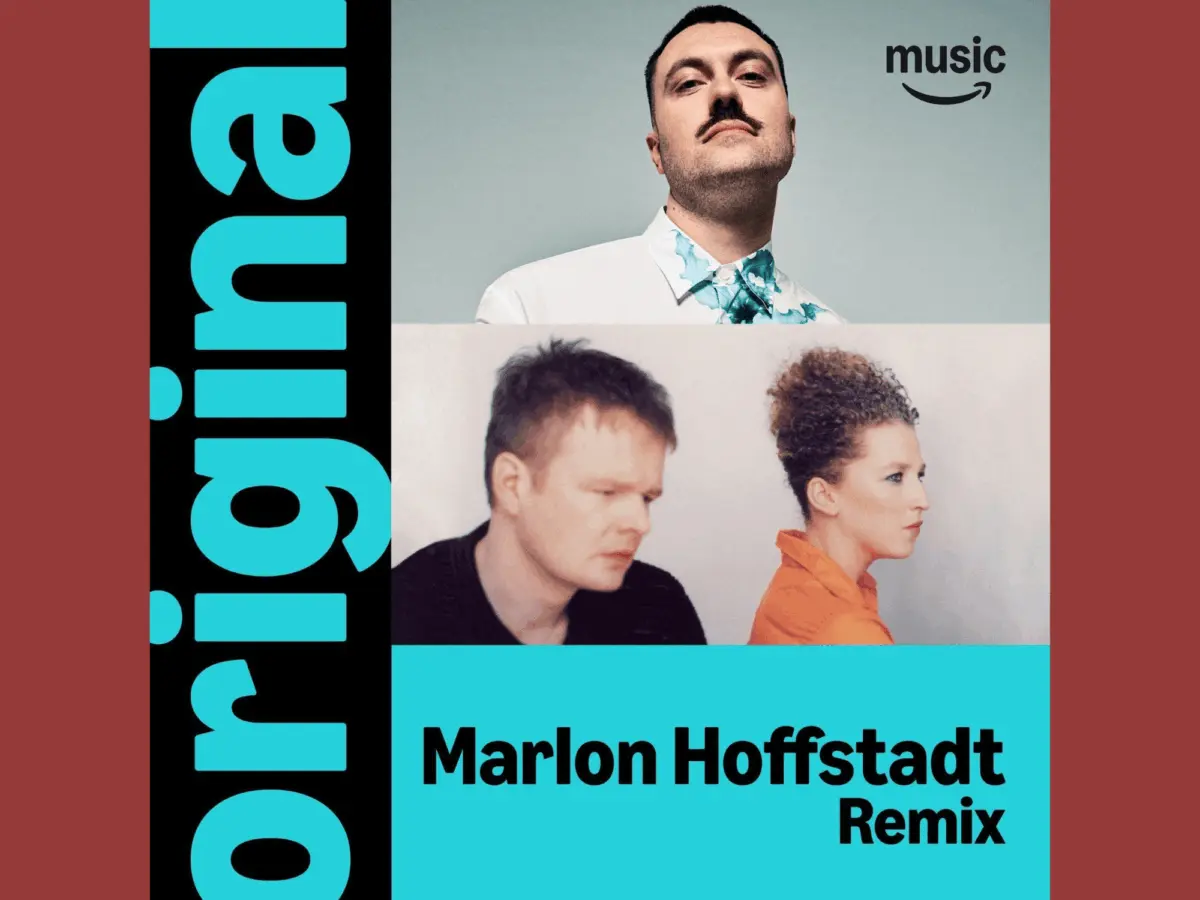
Kicking off the campaign is German DJ and producer Marlon Hoffstadt, who has delivered a fresh, high-energy interpretation of Olive’s 1996 trip-hop and dance classic, "You’re Not Alone." Following Hoffstadt’s release, Dutch producer Jengi is slated to drop a contemporary reworking of Marshall Jefferson’s seminal 1986 Chicago house masterpiece, "Move Your Body."
While music streaming platforms frequently dabble in exclusive content, this initiative represents a calculated strategic maneuver by Amazon Music. For years, competitors like Apple Music have aggressively courted electronic music aficionados through dedicated acquisitions—such as Boiler Room and the integration of specialized DJ mix technology via Shazam—as well as bespoke radio programming. With “Classics Remixed,” Amazon is signaling that it is ready to compete toe-to-toe for the hearts, minds, and ears of late-night clubbers and dance music purists alike. By timing these releases to coincide with monumental track anniversaries—such as the 30th anniversary of Olive’s breakthrough and the 40th anniversary of Jefferson’s house blueprint—Amazon is marrying deep musical nostalgia with modern club culture.
Detailed Chronology: From Underground Anthems to Global Streaming Exclusives
To understand the cultural weight of the “Classics Remixed” series, one must examine the lineage of the tracks selected for this inaugural phase. The project relies heavily on heritage records that helped shape the modern electronic landscape, bridging the gap between generations of club-goers.
The Genesis of "You’re Not Alone" (1996)
Released in 1996 by the British trip-hop and electronic group Olive—comprising Tim Norfolk, Steve Robson, and vocalist Ruth Ann Boyle—"You’re Not Alone" began as a moody, atmospheric piece before morphing into an inescapable dancefloor phenomenon. The track achieved massive commercial success, eventually topping the UK Singles Chart in 1997. Its haunting vocal delivery combined with a driving breakbeat rhythm made it an emotional touchstone of the late-90s dance explosion.
Fast forward nearly three decades, and the track remains a staple of nostalgic dance playlists. Enter Marlon Hoffstadt, also known as DJ Daddy Trance, who injected the track with his signature high-tempo, euphoric modern groove. Hoffstadt’s remix was road-tested in front of tens of thousands of fans, receiving its explosive live debut during his prime-time set at the legendary Tomorrowland festival.
The House Music Blueprint: Marshall Jefferson’s "Move Your Body" (1986)
The second installment in Amazon’s series shifts focus to the roots of house music. Marshall Jefferson’s 1986 track "Move Your Body" (often subtitled "The House Music Anthem") is widely credited with establishing the piano-driven, soulful sound of Chicago house that subsequently ignited the UK and European rave scenes. Released on Trax Records, it utilized synthetic strings and a driving piano hook that defined an entire era of liberation and dancefloor culture.
Scheduled for release next month, Dutch DJ Jengi’s upcoming reworking of Jefferson’s classic aims to translate the raw, analog energy of 1980s Chicago into a contemporary, festival-ready format. By pairing heritage pillars like Jefferson with forward-thinking modern talents like Jengi, Amazon Music is constructing a historical bridge across generations of electronic music production.
Supporting Context & Metrics: The Streaming Wars and the Electronic Music Sector
The timing of Amazon Music’s “Classics Remixed” campaign is far from accidental. The global electronic music market has experienced a massive resurgence post-pandemic, characterized by surging festival attendance, viral TikTok-driven club edits, and intense competition among streaming platforms to capture high-engagement demographics.
The Streaming Landscape and the Battle for Electronic Music Credibility
Historically, Amazon Music has enjoyed massive subscription numbers driven by its integration with Prime memberships, smart speaker dominance (via Alexa), and broad mainstream appeal. However, within the niche yet highly influential electronic music community, platforms like Apple Music and SoundCloud have frequently captured higher cultural cachet.
- Apple Music’s Strategic Pushes: Apple Music has made deliberate investments in the electronic space. Beyond its human-curated global radio stations (such as Apple Music 1), the company acquired the iconic underground music platform and broadcasting giant Boiler Room (via its parent company, overseen through broader media investments) and integrated advanced DJ mix identification technology following its acquisition of Shazam. Furthermore, Apple’s continuous rollout of spatial audio mixes tailored for club tracks has positioned it as an audiophile-friendly destination for dance music.
- SoundCloud’s Underground Monopoly: Meanwhile, SoundCloud remains the native habitat for underground DJs, SoundCloud-exclusive edits, and grassroots electronic movements.
To cut through this competitive noise, Amazon Music recognized that simply offering a massive catalog of tracks is no longer sufficient. Listeners—particularly Gen Z and Millennials who consume dance music across festivals, TikTok, and streaming—crave exclusive, culturally resonant moments. "Classics Remixed" serves as Amazon’s direct answer: a high-production-value initiative that transforms catalog listening into a live, dynamic event.
The Economics of Heritage Remixes
From a catalog monetization perspective, heritage dance tracks are goldmines. As copyright holders and independent labels seek new ways to extract value from aging master recordings, authorized contemporary remixes offer a dual benefit:
- Catalog Revitalization: They introduce classic compositions to younger demographics who discover the music via modern DJ sets or streaming algorithmic recommendations.
- Platform Differentiation: They provide streaming services with exclusive windows of availability that cannot be streamed anywhere else, driving user acquisition and retention.
Official Statements & Industry Reception
While Amazon Music has rolled out the initiative with a focus on fan engagement, the broader music industry has taken note of the platform’s strategic pivot toward underground and festival-adjacent culture.
Industry analysts suggest that the success of "Classics Remixed" will hinge on how effectively Amazon can market these tracks outside of its own app ecosystem. By utilizing high-profile live platforms like Tomorrowland—where Marlon Hoffstadt premiered his Olive remix—Amazon is bypassing traditional digital marketing channels and taking its product directly to the physical epicenters of dance music culture.
“Electronic music is uniquely communal,” notes a London-based digital music strategist. “You cannot market a dance track purely through static banner ads on a home screen. By getting DJs like Marlon Hoffstadt and Jengi to road-test these Amazon Originals in front of massive festival crowds, Amazon is using the oldest and most effective marketing tool in dance music history: the sweaty, packed festival stage.”
Furthermore, representatives for Amazon Music have hinted that the "Classics Remixed" series will not be a one-off stunt. The streaming giant plans to roll out subsequent installments throughout the coming year, aligning each release with significant milestone anniversaries of foundational electronic records. This structured rollout ensures a steady drumbeat of culturally relevant PR moments, positioning Amazon Music as an active participant in dance music history rather than a passive distributor.
Future Outlook: What "Classics Remixed" Means for the Future of Music Streaming
As the dust settles on the initial announcements of Marlon Hoffstadt’s Olive rework and Jengi’s upcoming Marshall Jefferson tribute, the broader implications for the streaming industry are becoming clear.
1. The Rise of Experiential Content Integration
Streaming platforms are no longer fighting solely over catalog size; they are competing over cultural relevance. Expect to see a continued convergence between live event curation (festivals, pop-up raves, boiler-room-style broadcasts) and platform-exclusive studio recordings. Amazon’s strategy of debuting tracks at major festivals proves that online streaming and live events must operate as a unified ecosystem.
2. Deepening Ties with the Independent Electronic Sector
While major labels control vast pop catalogs, electronic music relies heavily on a complex web of independent labels, boutique distributors, and self-releasing underground artists. For Amazon Music to sustain a project like "Classics Remixed," it must collaborate closely with heritage electronic labels, publishing houses, and management firms. This paves the way for deeper, more collaborative partnerships between tech giants and independent electronic music stakeholders.
3. Expanding Demographics Through Nostalgia
By coupling 90s trip-hop and 80s house with contemporary high-tempo techno and modern dance production, Amazon is successfully bridging generational divides. Parents who danced to Olive in 1997 and their college-aged children who discover Marlon Hoffstadt on TikTok can find common ground within the same playlist.
In conclusion, "Classics Remixed" is much more than a collection of fresh dance tracks. It is a calculated statement of intent. Amazon Music has thrown down the gauntlet in the streaming wars, proving that it understands the pulse of the dancefloor just as well as any of its competitors. As Jengi’s reworking of Marshall Jefferson prepares to drop next month, all eyes will be on Amazon to see which dance music icons will receive the modern treatment next—and whether the platform can successfully cement its reputation as a heavyweight champion of electronic music culture.