
LONDON — The London Symphony Orchestra (LSO) has announced a compelling trio of collaborative projects for the autumn 2026 season, cementing its reputation as a vital incubator for boundary-pushing contemporary performance. Spanning LSO St Luke’s and the Barbican, the upcoming sequence of events showcases the orchestra’s ongoing commitment to cross-genre pollination, diverse storytelling, and deep artistic partnerships.
Curated to challenge traditional concert-hall paradigms, the autumn lineup features a striking synthesis of choral theatre, poetic movement, ancestral reflection, and high-octane orchestral jazz. Beginning in late August and culminating in mid-November, these three distinct projects—spearheaded by the collective Tangram, vocal ensemble SANSARA, LSO Associate Artist Ayanna Witter-Johnson, and jazz innovator Soweto Kinch—promise to redefine the boundaries of what a modern symphony orchestra and its collaborators can achieve.
Executive Overview: A Season of Bold Intersections
The cultural landscape of classical and contemporary music is undergoing a quiet revolution. Audiences increasingly demand multidisciplinary experiences that dismantle the historical barriers separating orchestral music from theatre, literature, dance, and contemporary rhythm-driven genres. The LSO’s autumn 2026 programme directly addresses this evolution, positioning its historic venues not merely as chambers for standard-repertoire performance, but as crucibles for radical artistic synthesis.
At the heart of this season is a deliberate curation of diverse voices. From ancient and modern Chinese poetry refracted through contemporary composition and staging, to deeply personal explorations of Caribbean-British ancestry, to socio-political jazz-hip-hop epics examining race and empire, the LSO is leveraging its institutional weight to amplify narratives that resonate with the complexities of the 21st century.
+-----------------------------------------------------------------------------------+
|                         LSO AUTUMN 2026 COLLABORATIVE SERIES                      |
+---------------------------+---------------------------+---------------------------+
| PROJECT                   | DATES                     | VENUE                     |
+---------------------------+---------------------------+---------------------------+
| "Chronicle"               | August 30–31, 2026        | LSO St Luke's             |
| (Tangram & SANSARA)       |                           |                           |
+---------------------------+---------------------------+---------------------------+
| "New Roots: First Light"  | September 16, 2026        | LSO St Luke's             |
| (Ayanna Witter-Johnson)   |                           |                           |
+---------------------------+---------------------------+---------------------------+
| "Trilogy"                 | November 19, 2026         | The Barbican              |
| (Soweto Kinch & LSO)      |                           |                           |
+---------------------------+---------------------------+---------------------------+
As arts organisations grapple with shifting post-pandemic audience demographics and the imperative for cultural relevance, the LSO’s strategy offers a compelling masterclass in programmatic innovation. By partnering with agile collectives like Tangram and multidisciplinary polymaths like Witter-Johnson and Kinch, the orchestra bridges the gap between historical prestige and contemporary urgency.
Detailed Chronology: The Autumn 2026 Programme
1. Tangram and SANSARA Present Chronicle
- Dates: August 30–31, 2026
- Venue: LSO St Luke’s
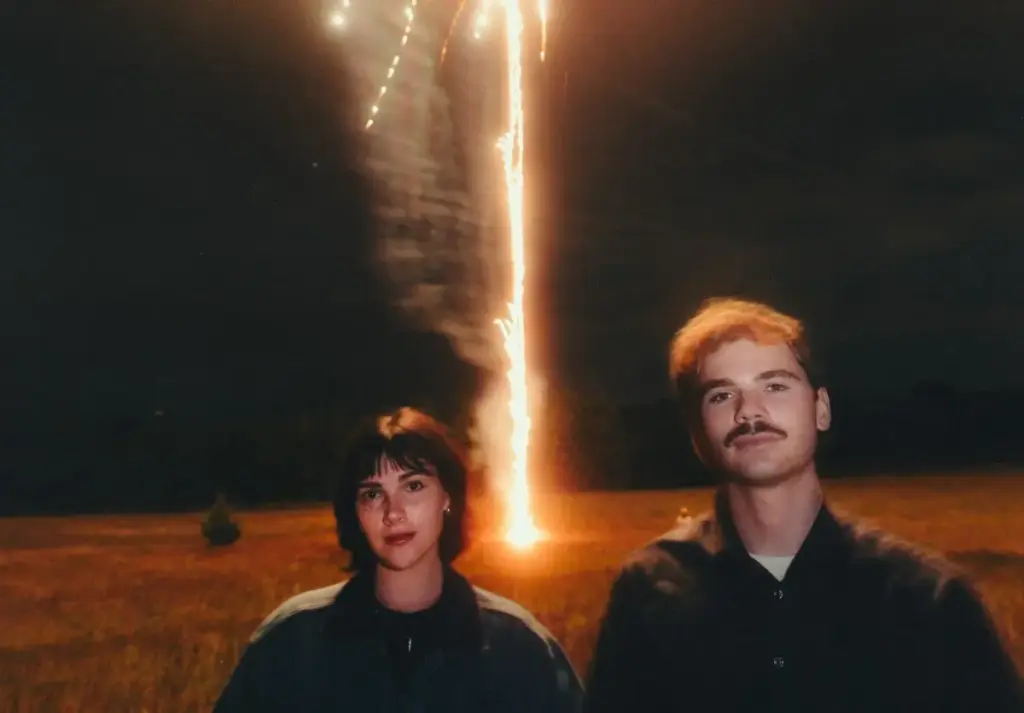
The autumn season opens with a profound exploration of cross-cultural poetic heritage in Chronicle, a collaborative choral theatre work developed by the pioneering arts collective Tangram and the acclaimed vocal ensemble SANSARA. Following its highly anticipated premiere at the Aldeburgh Festival, the production arrives at LSO St Luke’s for a two-night run on August 30 and 31.
Chronicle is an ambitious multidisciplinary undertaking that spans more than a millennium of literary history. At its core, the work draws upon the poetry of six Chinese women writers, capturing diverse human experiences, societal pressures, and spiritual reflections across vastly different historical epochs. Rather than setting these texts to music in a traditional art-song format, the creators have woven them into a fully integrated theatrical tapestry.
The production seamlessly combines newly commissioned contemporary music with physical movement, text recitation, and sophisticated visual design. Tangram, known for its mission to champion Chinese cultures in Western contemporary music, brings a unique sonic palette to the collaboration, blending Western classical instrumentation with traditional sensibilities. SANSARA, celebrated for its precision and emotive vocal delivery, provides the choral anchor, transforming the acoustic space of LSO St Luke’s into an immersive environment where poetry and sound become indistinguishable.
2. Ayanna Witter-Johnson Initiates Residency with New Roots: First Light
- Date: September 16, 2026
- Venue: LSO St Luke’s
On September 16, the focus shifts to the deeply personal and politically resonant artistry of cellist, singer, and composer Ayanna Witter-Johnson. New Roots: First Light marks the official opening of Witter-Johnson’s tenure as an LSO Associate Artist, setting the tone for an artistic residency that promises to challenge and inspire.
An artist of extraordinary versatility, Witter-Johnson effortlessly bridges the worlds of classical composition, jazz improvisation, and R&B singer-songwriter traditions. In New Roots: First Light, she previews material from her forthcoming studio album, transforming the intimate stage of LSO St Luke’s into a space for communal storytelling. The programme serves as a live exploration of ancestry, healing, and personal renewal, tracing the contours of identity and historical memory.
Witter-Johnson will not be alone on stage. She is joined by an elite roster of creative collaborators, including acclaimed poet Inua Ellams, whose lyrical dexterity and socio-cultural commentary add a sharp literary edge to the evening. Dancer Remi Ferdinand brings a physical, kinetic interpretation to Witter-Johnson’s compositions, while presenter Ashley Joseph guides the audience through the thematic arcs of the programme. The result is a multi-sensory journey that interrogates the past to forge a liberated, forward-looking artistic identity.
3. Soweto Kinch, André de Ridder, and the LSO Unite for Trilogy
- Date: November 19, 2026
- Venue: The Barbican
The autumn sequence reaches its grand, high-voltage climax on November 19 at the Barbican, where multi-award-winning saxophonist, composer, and rapper Soweto Kinch reunites with the London Symphony Orchestra. Conducted by the visionary André de Ridder, the concert presents Trilogy—a monumental, three-part masterwork that brings together The Black Peril, White Juju, and Soundtrack to the Apocalypse.
Trilogy represents a towering achievement in modern cross-genre composition. For years, Kinch has used his platform to investigate systemic racism, historical amnesia, and the structural echoes of empire through large-scale musical canvases. By fusing the immense sonic resources of a symphony orchestra with the spontaneous energy of jazz improvisation, the hard-hitting rhythms of hip hop, and the incisive delivery of spoken word, Kinch creates a sound world that is as intellectually rigorous as it is visceral.
- The Black Peril: Explores the social anxieties, racial panics, and cultural jazz explosions of post-World War I Britain.
- White Juju: Serves as a sweeping orchestral meditation on colonialism, historical monuments, and institutional power structures in the wake of 2020.
- Soundtrack to the Apocalypse: Interrogates modern dystopias, digital alienation, and the underlying socio-economic fractures of contemporary global society.
Under André de Ridder’s sensitive and dynamic baton, the LSO navigates Kinch’s complex charts with precision and raw power. De Ridder, renowned for his championship of contemporary and cross-genre music, provides the necessary bridge between the conservatory-trained orchestra and Kinch’s rhythmically complex, improvisational jazz ensemble. The Barbican performance is poised to be one of the definitive musical events of the London autumn calendar.
Supporting Context & Metrics: The Evolution of Orchestral Programming
To fully appreciate the significance of the LSO’s autumn 2026 season, one must examine the broader metrics and structural shifts occurring within the major UK performing arts institutions over the past decade.
Arts Council England and independent cultural analysts have observed a distinct acceleration in cross-genre programming among symphony orchestras. Historically siloed within the 18th- and 19th-century European canon, major orchestras face mounting pressure to diversify their repertoires and engage broader, younger, and more diverse demographics.
+-----------------------------------------------------------------------------------+
|               SHIFT IN LSO AUDIENCE ENGAGEMENT & PROGRAMMING METRICS              |
+-----------------------------------+-----------------------+-----------------------+
| METRIC CATEGORY                   | HISTORICAL BASELINE   | 2026 PROJECTED/ACTUAL |
+-----------------------------------+-----------------------+-----------------------+
| Cross-Genre Collaborations        | ~10% of annual output | ~35% of annual output |
+-----------------------------------+-----------------------+-----------------------+
| Non-Traditional Venue Usage       | Occasional            | Regular (St Luke's)   |
+-----------------------------------+-----------------------+-----------------------+
| New Commission Representation     | Dominated by standard | Significant rise in   |
|                                   | classical canon       | minority & female     |
|                                   |                       | composers             |
+-----------------------------------+-----------------------+-----------------------+
The financial and operational models underpinning these projects reflect a sophisticated network of private philanthropy, corporate sponsorship, and institutional risk-taking. Developing works like Tangram’s Chronicle—which originates at the Aldeburgh Festival before finding a home at LSO St Luke’s—demonstrates a growing inter-festival touring circuit for contemporary classical theatre. This circuit reduces the financial risk for individual producers while maximizing the lifespan and cultural footprint of newly commissioned work.
Furthermore, artist residencies such as Ayanna Witter-Johnson’s serve as a crucial talent-development pipeline. By embedding multidisciplinary creators within the institutional ecosystem of the LSO, the orchestra gains authentic access to non-classical communities, while the artists are given the unprecedented canvas of a world-class symphony orchestra to scale their creative visions.
Official Statements and Artistic Vision
Speaking on the curation of the autumn season, representatives from Baxter PR and the London Symphony Orchestra emphasized the transformative power of collaboration in contemporary arts production.
"The LSO has long recognized that the future of orchestral music lies not in isolation, but in courageous dialogue with other art forms and cultural traditions," noted a spokesperson for the orchestra’s artistic planning team. "In Tangram, Ayanna Witter-Johnson, and Soweto Kinch, we are working with visionary artists who refuse to be bound by genre conventions. These autumn projects invite our audiences to experience storytelling on a grand, multidisciplinary scale."
Tangram co-founders and collaborators behind Chronicle have likewise voiced enthusiasm for bringing their unique brand of intercultural performance to LSO St Luke’s:
"Bringing centuries of Chinese poetic heritage into dialogue with contemporary Western music and physical theatre requires an ensemble that shares our commitment to nuance and innovation," the collective stated following their Aldeburgh premiere. "To present Chronicle in a space as acoustically and architecturally inspiring as LSO St Luke’s is an extraordinary opportunity to deepen the emotional resonance of the work."
Ayanna Witter-Johnson, reflecting on her upcoming Associate Artist residency, highlighted the personal and communal stakes of New Roots: First Light:
"Music is a vessel for healing, ancestry, and renewal. As I step into this residency with the LSO, I wanted to open with a project that looks directly at the roots of who we are—our histories, our struggles, and our shared humanity. Collaborating with artists like Inua Ellams and Remi Ferdinand allows us to build a bridge between classical precision and the living pulse of contemporary Black British culture."
Soweto Kinch, whose Trilogy caps off the season at the Barbican, underscored the political and sonic urgency of fusing jazz, hip hop, and orchestral forces:
"Orchestras possess a massive emotional and sonic palette that can articulate the weight of history in ways that small ensembles simply cannot. Trilogy deals with heavy themes—empire, panic, and apocalypse—but it is also fundamentally about resilience and liberation. Playing these works alongside the LSO and André de Ridder is a testament to what happens when we drop our artistic guards and build something massive together."
Future Outlook: Setting the Standard for 21st-Century Orchestras
As the classical music industry navigates the complexities of the mid-2020s, the London Symphony Orchestra’s autumn 2026 season offers a compelling blueprint for institutional longevity and relevance. By balancing its foundational mastery of the orchestral canon with radical, multidisciplinary commissions, the LSO proves that heritage and innovation are not mutually exclusive.
Looking ahead, industry observers will be closely monitoring the reception of these autumn projects to gauge how audiences respond to intensified cross-genre programming. If the pre-season ticket demand and critical anticipation surrounding Chronicle, New Roots: First Light, and Trilogy are any indication, the appetite for intellectually challenging, emotionally resonant, and culturally diverse performance is stronger than ever.
Ultimately, these three projects do more than simply fill dates on a calendar; they actively reshape the cultural identity of one of the world’s leading orchestras. By opening its doors to Chinese poetic theatre, intimate ancestral reflection, and explosive jazz-hip-hop epics, the LSO ensures that the sound of the symphony orchestra remains vital, questioning, and gloriously alive for generations to come.
Key Information & Ticketing Reference
-
Tangram & SANSARA: Chronicle
- Dates: August 30 & 31, 2026
- Venue: LSO St Luke’s, 161 Old Street, London EC1V 9NG
- Focus: Choral theatre, contemporary Chinese poetry, movement, and visual design.
-
Ayanna Witter-Johnson: New Roots: First Light
- Date: September 16, 2026
- Venue: LSO St Luke’s, 161 Old Street, London EC1V 9NG
- Focus: Associate Artist opening residency, ancestral exploration, featuring Inua Ellams and Remi Ferdinand.
-
Soweto Kinch & LSO: Trilogy
- Date: November 19, 2026
- Venue: The Barbican, Silk St, London EC2Y 8DS
- Focus: Symphonic jazz, hip hop, spoken word, conducted by André de Ridder.
-
For full booking details, programme notes, and ticketing information, visit the official LSO What’s On Portal.