
Executive Overview
As the crisp autumn winds sweep across the Great Lakes and give way to the deep chill of December, the global instrumental music education community turns its collective gaze toward the Windy City. Scheduled for December 16–18, 2026, The 80th Midwest Clinic at McCormick Place West stands as the premier international band and orchestra conference. Drawing thousands of music directors, supervisors, professional performers, composers, and industry vendors from every corner of the globe, the event is an unparalleled crucible of artistic excellence, pedagogical innovation, and networking.
Yet, alongside the inspiring concerts, cutting-edge reading sessions, and sprawling exhibit halls comes a formidable challenge that catches many first-time and veteran attendees alike off guard: the brutal, uncompromising reality of a Chicago winter.
For the uninitiated, the transition from a climate-controlled convention center to the freezing, concrete urban canyons surrounding McCormick Place can be jarring. The infamous Chicago wind-chill factor does not merely lower the temperature; it tests one’s resolve. Beyond weatherproofing, navigating a massive multi-day professional conference demands strategic logistical planning. From surviving miles of hard concrete walking surfaces to preparing for performance emergencies and travel mishaps, packing for the Midwest Clinic is an art form.
This comprehensive guide moves beyond basic travel checklists to offer an authoritative, journalistically rigorous packing manual designed specifically for music educators and performers attending the 80th Midwest Clinic. Drawing from seasoned conference veterans’ hard-earned lessons, this report details the essential gear, proactive strategies, and expert insider tips required to ensure your conference experience remains focused on music, pedagogy, and community rather than discomfort and inconvenience.
Detailed Chronology: Preparing for the 3-Day Marathon
Navigating the Midwest Clinic is a high-intensity endurance test. To understand why specific packing strategies are vital, one must examine the operational timeline of an attendee’s typical conference day, from the pre-dawn wake-up call to the late-night networking receptions.
[07:00 AM - Layering & Thermal Prep]
       │
       ▼
[09:00 AM - Convention Center Arrival & Marathon Walking]
       │
       ▼
[01:00 PM - Exhibit Hall Exploration & Performance Emergencies]
       │
       ▼
[06:00 PM - Evening Concerts & Social Networking]
       │
       ▼
[10:00 PM - Hotel Room Recovery & Wardrobe Maintenance]
Phase 1: Morning Departure and the Elements (7:00 AM – 9:00 AM)
The day begins well before the first session gavel falls. Attendees often brave a brisk walk from nearby hotels to McCormick Place West, or navigate public transit systems exposed to open-air platforms. During mid-December in Chicago, temperatures frequently hover well below freezing, accompanied by biting lake winds.
- The Challenge: Transitioning rapidly from freezing outdoor corridors to overheated indoor convention halls.
- The Strategy: Meticulous thermal layering. Without the correct base layers, morning commutes induce immediate physical shock, while improper indoor shedding leads to overheating and fatigue during intensive clinics.
Phase 2: The Daytime Marathon (9:00 AM – 5:00 PM)
Once inside McCormick Place West, the environmental stressors shift. Attendees face miles of concrete flooring, traversing cavernous exhibit halls, clinic rooms, and concert stages.
- The Challenge: Severe lower-limb fatigue, joint strain, dehydration from dry indoor heating, and the sudden emergence of minor performance or wardrobe malfunctions.
- The Strategy: Implementing physical support systems—such as medical-grade compression socks—and maintaining a mobile emergency kit equipped with repair essentials, hydration tools, and personal care items.
Phase 3: Evening Receptions and Recovery (5:00 PM – 10:00 PM+)
Evenings at the Midwest Clinic rarely mean early nights. They feature high-profile feature concerts, alumni receptions, and industry showcases.
- The Challenge: Maintaining a professional, polished appearance across multiple days of travel while managing inevitable wardrobe stains, tired feet, and accumulating laundry.
- The Strategy: Advanced clothing management, including dedicated dirty/clean separation bags, multipurpose stain-fighting tools, and optimized suitcase space architecture to accommodate newly acquired scores, instructional materials, and commemorative merchandise.
Supporting Context & Metrics: Why Preparation Matters
To appreciate the scale of the packing challenge, one must examine the operational footprint of the Midwest Clinic. Spanning decades of musical history, the conference welcomes thousands of attendees who engage with hundreds of exhibiting companies, performing ensembles, and clinicians.
The Environmental Impact of Chicago in December
Meteorological data for Chicago in mid-December outlines a demanding climate profile:
- Average Temperatures: Highs near 35°F (1.6°C) and lows dipping into the mid-20s°F (-4°C).
- Wind Chill Factors: Wind speeds off Lake Michigan frequently generate wind chills that make ambient temperatures feel well into the teens or single digits.
- Indoor/Outdoor Discrepancy: McCormick Place West boasts over a million square feet of flexible meeting and exhibit space, heavily climate-controlled to combat the cold, resulting in indoor humidity drops that accelerate skin dehydration and vocal fatigue.
The Physical Toll on Music Educators
Music directors and educators are unaccustomed to sedentary workdays; however, convention environments amplify physical strain in unique ways:
- Step Counts: Conference tracking data from past Midwest attendees reveals average daily step counts ranging from 12,000 to over 20,000 steps—primarily executed on unyielding concrete floors rather than carpeted turf.
- Gear Weight: Traveling musicians frequently carry personal instrument cases, scores, notebooks, and electronic devices, translating to an estimated continuous shoulder and back load of 10 to 25 pounds throughout the day.
Essential Packing Breakdown: The Expert’s Inventory
To mitigate these environmental and physical pressures, experienced conference-goers swear by a specialized inventory list. The following categories represent the definitive packing standard for the 80th Midwest Clinic.
1. Advanced Layering Systems (Thermal Base Layers & Outer Shells)
Standard winter wear—a basic coat and trousers—is entirely insufficient for navigating Chicago’s microclimates.
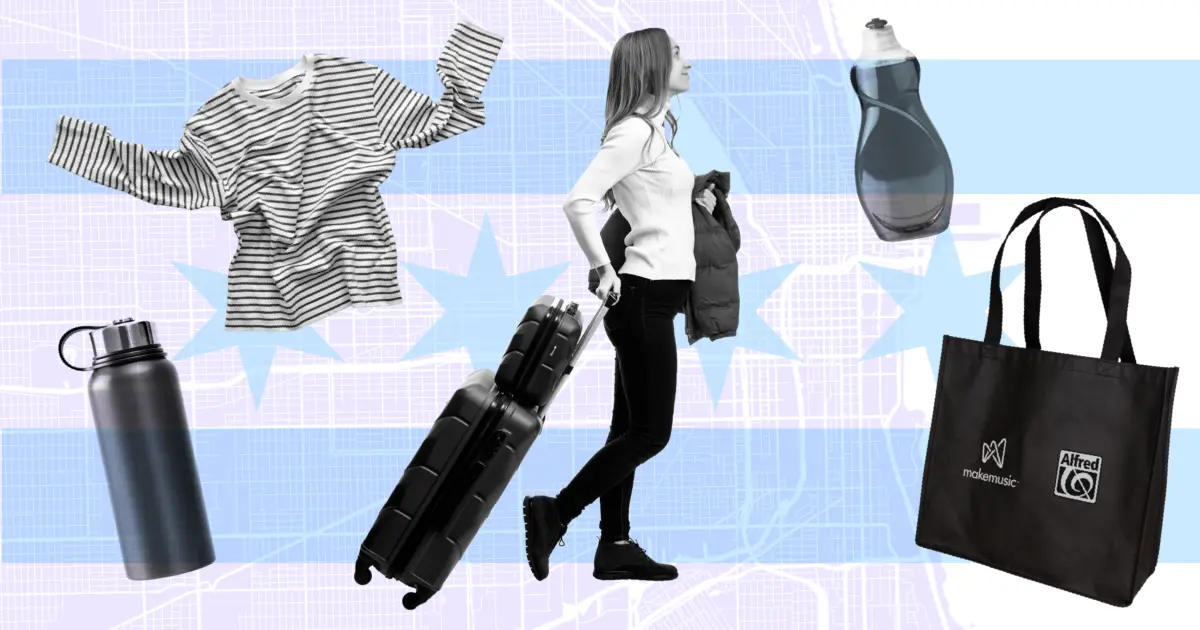
- Thermals and Long-Sleeve Undershirts: Invest in moisture-wicking thermal base layers. They trap body heat outdoors without causing excessive perspiration when entering heated buildings.
- Windproof Outerwear: Ensure your coat features a wind-resistant or windproof membrane.
- Extremity Protection: High-quality insulated gloves (preferably touchscreen-compatible), a heavy-duty scarf or neck gaiter, and fleece-lined ear protection or a windproof hat are mandatory.
- Electronic Hand Warmers: Rechargeable or chemical hand warmers provide immense comfort during extended outdoor transit between venues or hotels.
2. Compression Socks: The Musician’s Secret Weapon
While often associated with medical recovery or long-haul aviation, compression socks are experiencing a massive surge in popularity among seasoned educators and performers.
- The Science: Graduated compression applies gentle pressure to the lower legs, maintaining blood flow and reducing swelling and discomfort associated with prolonged standing and walking on concrete.
- Professional Integration: Modern athletic and therapeutic compression socks are available in sleek, matte black finishes that blend seamlessly with formal concert black attire, offering relief without compromising professional presentation.
3. The Performance and Wardrobe Emergency Kit
Murphy’s Law applies with full force at music conventions. Reeds crack, dress shoe heels scuff, and buttons fail minutes before a high-stakes performance or presentation.
- Kit Contents: Assemble a compact, TSA-approved pouch containing spare musical instrument reeds, extra professional-grade socks, heavy-duty hair ties and bobby pins, safety pins, a mini sewing kit, and collar stays.
- Efficiency: Having these items on hand eliminates panic-driven dashes to local pharmacies, preserving precious schedule time for clinic attendance and networking.
4. Hydration and Personal Care Infrastructure
Dry winter air—exacerbated by indoor heating systems—wreaks havoc on skin integrity, particularly for wind and brass players whose embouchures depend on healthy, supple lip tissue.
- High-Grade Lip Balm and Travel Lotion: Hotel-provided toiletries rarely suffice against Chicago’s dry winter climate. Keep a high-emulsification, travel-sized hand lotion and intensive lip balm on your person at all times to prevent painful skin cracking on knuckles and fingertips.
- Reusable Water Bottle: The Midwest Clinic provides ample, easily accessible water bottle refilling stations across McCormick Place West. Bringing a durable, insulated reusable bottle safeguards your hydration while liberating you from overpriced convention center beverage vendors.
5. Tactical Stain Management (The Dish Soap Hack)
Traveling with formal wear, blazers, and concert attire carries an inherent risk of accidental spills—whether from a hurried morning coffee or convention center catering.
- The Solution: Pack a small, travel-sized container of concentrated dish soap.
- Application: Dish soap remains the gold standard for breaking down stubborn oil- and food-based garments stains (such as coffee, dressings, or food oils) far more effectively than standard hotel bar soap. Combined with a hotel room hair dryer for rapid spot-drying, this simple item rescues expensive professional wardrobes on the road.
6. Specialized Luggage Organization: Dirty/Clean Separation and Space Architecture
Packing for a winter trip requires thick garments that quickly consume luggage capacity. Furthermore, managing worn clothing over three intensive days requires systematic separation.
- The Dirty/Clean Bag Strategy: Pack a lightweight canvas tote or specialized laundry bag. Outbound, use it to separate alternate footwear (such as plane shoes) from clean garments. On-site, hang it in the hotel bathroom as a discrete laundry hamper. Homeward bound, drop the entire bag into your suitcase for effortless unpacking.
- Expansion Space for Scores and Souvenirs: The exhibit hall at the Midwest Clinic is legendary for its vast array of new publications, publisher samples, pedagogical texts, and commemorative merchandise. Because winter garments leave minimal empty luggage space, pack a collapsible duffel bag or space compression bags in your checked luggage. This ensures you can comfortably transport your new library acquisitions home without incurring overweight baggage penalties.
Official Statements and Industry Insights
Organizers and veteran clinicians continually emphasize that preparation directly correlates with professional engagement.
"The Midwest Clinic is designed to stretch your mind, inspire your artistry, and connect you with peers from around the globe," notes a veteran conference coordinator. "However, physical distraction is the enemy of professional development. When directors are cold, exhausted from walking on concrete, or worried about wardrobe malfunctions, they miss the nuanced pedagogical breakthroughs happening on stage. Proper logistical preparation is not an afterthought; it is an investment in your professional growth."
Furthermore, exhibitors highlight the evolving nature of conference shopping. With thousands of new titles premiering annually, educational resource acquisition has become a cornerstone of the attendee experience.
Industry partners emphasize the importance of leveraging hybrid purchasing options. For instance, major exhibitors like MakeMusic (exhibiting at Booth 1139) offer robust digital ecosystems and direct-to-door shipping solutions via the MakeMusic Shop. This allows educators to explore physical scores, examine method books, and secure exclusive conference discounts without feeling burdened by the physical weight of hauling extensive library purchases back through airline check-in counters.
Future Outlook: The Evolution of Music Education Conferences
As the Midwest Clinic approaches its landmark 80th installment in December 2026, the intersection of live performance, digital pedagogy, and sustainable travel continues to evolve. Conferences are no longer merely passive listening events; they are hyper-active hubs of professional exchange where educators curate resources, test emerging music technology, and evaluate physical wellness strategies for themselves and their students.
The emphasis on holistic attendee wellness—ranging from ergonomic footwear choices to climate adaptation and hydration infrastructure—reflects a maturing profession. Music educators are increasingly recognizing that sustainable teaching careers require deliberate self-care, starting with the very logistics of professional travel.
Key Takeaways for Attendees of the 80th Midwest Clinic:
- Embrace Modular Layering: Protect yourself against extreme thermal shifts between Chicago’s outdoor elements and McCormick Place’s climate-controlled interiors.
- Prioritize Physical Endurance: Utilize compression socks and ergonomic planning to combat concrete-induced fatigue over the three-day marathon.
- Pack Smart, Not Heavy: Leverage tactical items like concentrated dish soap, performance emergency kits, and collapsible luggage extensions to maintain your wardrobe and accommodate expanding library acquisitions.
- Engage the Exhibit Hall Seamlessly: Take advantage of direct-to-door shipping options from premier exhibitors to keep your travel load manageable.
By combining meticulous logistical preparation with an open, eager artistic mindset, attendees at the 80th Midwest Clinic can transcend the physical demands of winter travel in Chicago, ensuring that their commemorative milestone experience remains focused entirely on the transformative power of instrumental music education.