
Executive Overview
For over a decade, the Indian non-profit Anahad Foundation has quietly shouldered one of the most monumental cultural preservation efforts in modern South Asia. Traversing 23 states and documenting the musical heritage of more than 10,000 traditional folk artists, the organization has long served as a digital archivist for sounds that might otherwise have been lost to the relentless tide of modernization, globalization, and commercial pop culture.
However, archiving melodies and recording voices is only half the battle. In an era where traditional music is frequently packaged as a static, nostalgic commodity—trapped behind glass cases of academic theory or relegated to brief novelty performances—the Anahad Foundation has recognized a critical cultural disconnect. Society routinely consumes the art, but routinely forgets the artist.
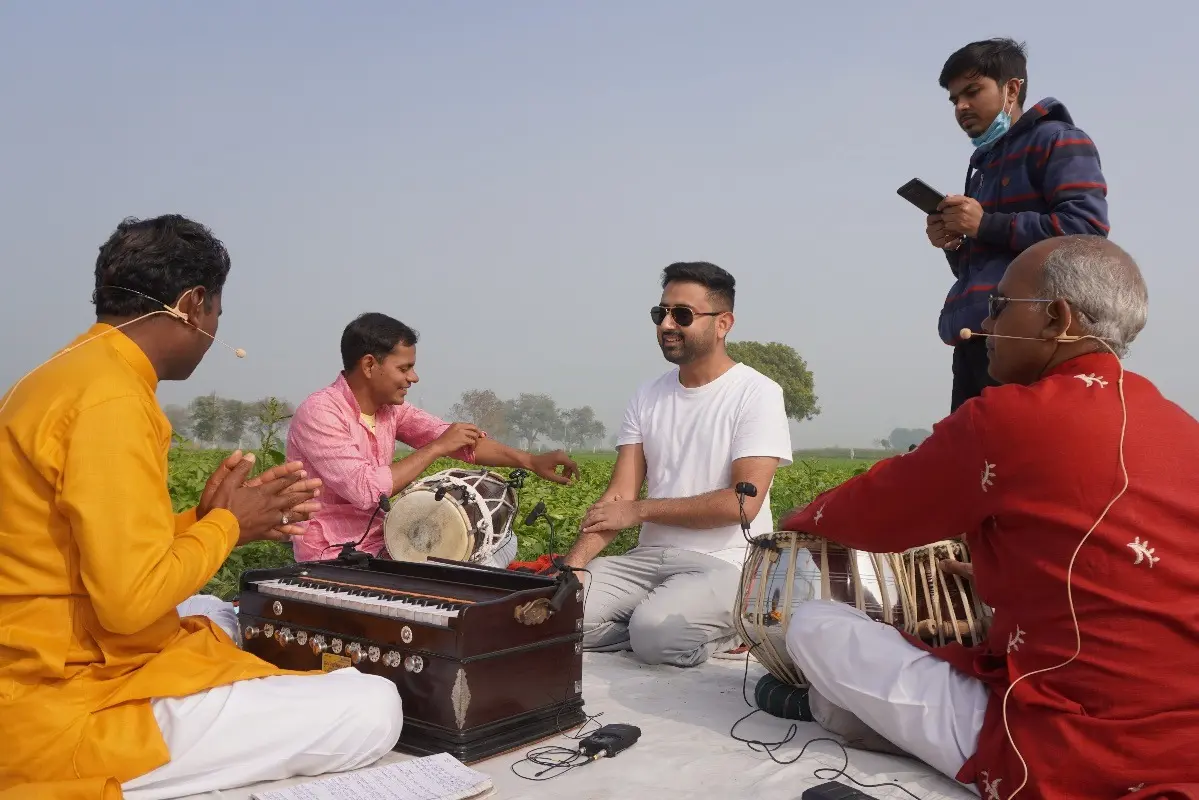
To bridge this empathy gap, the foundation has launched Folktales, an ambitious and immersive video series designed to upend traditional perceptions of folk music. Consisting of substantial 90-minute documentary-style episodes released bi-weekly on Tuesdays and Saturdays across the foundation’s digital channels, Folktales pivots away from mere audio preservation. Instead, it places the spotlight squarely on the human element: the trials, triumphs, philosophies, and societal impact of the custodians of India’s oral traditions.
This initiative is not happening in a vacuum; it is the direct by-product of rigorous academic and sociological inquiry. The launch of Folktales coincides with the publication of a landmark research paper titled “Co-designing culture: A grounded theory of participatory practice in Indian folk music,” authored by Anahad’s founder-director Abhinav Agrawal alongside team members Mudit Chaturvedi and Gaurang Agrawal. Together, the video series and the research paper mount a fierce philosophical defense of folk musicians, arguing that labeling these creators as mere "heritage vessels" strips them of their agency, intellectual rigor, and active societal roles.
By profiling iconic practitioners—ranging from Bhojpuri epic storytellers to pioneering female martial artists in Kerala—the Anahad Foundation is rewriting the narrative of Indian folk music, demanding that these traditional creators be recognized not as relics of the past, but as vital, thinking architects of contemporary culture.
Detailed Chronology: From Grassroots Recordings to Global Discourse
To understand the weight and trajectory of the Folktales series, one must examine the 13-year evolution of the Anahad Foundation and the systematic steps that led to this cultural intervention.
Phase 1: The Grassroots Odyssey (2013–2020)
When Abhinav Agrawal and his contemporaries established the Anahad Foundation, the initial mandate was clear yet daunting: locate, record, and digitize traditional folk music across India’s vastly diverse geographical landscape. Over the first seven years, the foundation’s mobile recording units traveled deep into rural interiors, tribal belts, and remote villages across 23 states.
During this phase, the focus was primarily archival. The team captured rare instruments, endangered dialects, and vanishing vocal styles. They built a digital repository meant to safeguard musical forms that existed entirely through oral transmission. Yet, as Agrawal and his team spent countless hours sitting with musicians in courtyards, village squares, and modest homes, a profound realization began to take root. The songs were mesmerizing, but the lived experiences of the people singing them were harrowing. Poverty, societal neglect, lack of institutional support, and the erosion of traditional patron-client ecosystems meant that these artists were making immense personal sacrifices to keep their arts alive.
Phase 2: The Academic Pivot and Theoretical Framework (2021–2025)
Recognizing that field recordings alone could not solve the socio-economic precarity faced by folk artists, the Anahad team began analyzing the systemic roots of marginalization. They observed how mainstream culture and policy frameworks frequently categorized folk acts under the passive umbrella of "heritage" or "folklore."
This terminology, the foundation argued, had an insidious side effect: it framed the artists as conduits of a dead or dying past rather than active agents of social commentary in the present. This realization birthed a period of deep qualitative research, culminating in the drafting of their DRS (Design Research Society) conference paper, “Co-designing culture: A grounded theory of participatory practice in Indian folk music.”
The paper mapped out how folk music in India is not merely performed; it is co-designed dynamically between the artist and the community in response to socio-political realities. It laid down the intellectual scaffolding necessary to transition from a preservationist model to an empowerment model.
Phase 3: The Launch of Folktales (2026 and Beyond)
Armed with over a decade of empirical field data and a revolutionary theoretical framework, the Anahad Foundation translated its research into an accessible, narrative-driven medium. In late 2026, the foundation rolled out Folktales.
Moving away from the short-form, attention-economy traps of modern social media, the series commits to deep-dive, 90-minute episodes. Released every Tuesday and Saturday on Instagram and associated platforms, the series offers audiences the time and space to immerse themselves in the genuine textures of rural Indian life. By weaving together musical performances, intimate interviews, and atmospheric documentary footage, Folktales marks a new chapter in how digital media can be harnessed for cultural justice.
Supporting Context & Metrics: Challenging the "Heritage" Paradigm
The core argument driving the Anahad Foundation’s recent work hinges on a critical re-evaluation of semantics and sociology. Why is labeling folk musicians as "heritage artists" dangerous? According to Anahad’s research, the word "heritage" implies something inherited, static, and safely preserved behind institutional glass—much like artifacts in a museum.
When society views folk musicians this way, it subconsciously strips them of three essential qualities:
- Agency: The capacity to make conscious creative choices.
- Intellect: The ability to critically analyze and comment on contemporary societal structures.
- Economic Urgency: The right to fair compensation and livelihood security as working professionals.
The Scale of Anahad’s Impact
To contextualize the depth of the foundation’s research, the numbers speak for themselves:

- 13 Years of continuous operational fieldwork.
- 10,000+ Folk Artists documented across multiple generations.
- 23 Indian States surveyed, mapping a staggering diversity of linguistic, religious, and cultural traditions.
- 90-Minute Runtime per episode for the Folktales series, bucking the trend of micro-content to prioritize authentic storytelling.
The foundation’s research paper demonstrates that folk musicians are, in fact, community journalists, moral compasses, and radical thinkers. They observe the trials and tribulations of their villages—droughts, caste oppression, political corruption, shifting gender dynamics, and familial grief—and craft lyrics that serve as immediate calls to action. They do not merely sing about gods and ancient kings; they sing about the price of grain, the pain of migration, and the resilience of the human spirit in real-time.
Official Statements and Perspectives
The philosophical heart of the Folktales project is captured in the reflections of its creators and the lived realities of the artists featured within its frames.
Abhinav Agrawal, Founder-Director of the Anahad Foundation, elaborates on the human disconnect:
"We often understand the art, but rarely the artists and their role in society. Why do they carry this art when it doesn’t support them financially? What do they hold that they believe is more precious than money?"
Agrawal challenges the romanticized notion of the starving artist who sings purely out of some mystical, effortless calling. Instead, he highlights the deliberate choices these individuals make every day to prioritize cultural continuity and communal healing over financial stability.
"We want people to realise that folk musicians are not just performers, but creators," Agrawal emphasizes. "They intentionally observe their communities, decide what needs to be said, and craft songs as a call for action, rather than as passive vessels of inheritance."
Spotlight on the Subjects of Folktales
The series brings this philosophy to life through vivid, intimate profiles of extraordinary practitioners who have reshaped their respective cultural landscapes.
-
Sukhnandan Yadav (Bhojpuri Epic Singer):
A master of traditional vocal delivery from the Bhojpuri-speaking belt, Yadav’s significance extends far beyond entertainment. Historically, sacred and epic texts such as the Ramayana were codified in Sanskrit, locking out vast segments of the rural population who lacked formal literacy or access to classical education. Yadav took monumental epics and translated, adapted, and narrated them through accessible Bhojpuri musical forms. In doing so, he democratized spiritual and philosophical literature, making cultural narratives accessible to everyday laborers, farmers, and homemakers. Through Folktales, viewers witness the intellectual rigor and linguistic dexterity required to perform such feats of oral literature. -
Ramachandra Pullavar (Tholpavakoothu Master, Kerala):
A recipient of the prestigious Padma Shri award, Pullavar is a tireless guardian of tholpavakoothu, the ancient temple-based shadow puppet theatre tradition of Kerala. While lesser purists might treat the art form as a frozen museum piece, Pullavar has boldly pushed its boundaries. Recognizing that art must speak to contemporary audiences to survive, he has adapted numerous modern stories, social awareness campaigns, and contemporary global narratives into the traditional shadow-puppet medium. His inclusion in Folktales underscores the dynamic adaptability of folk artists who refuse to let their traditions become obsolete. -
Athira (Kanyarkali Practitioner, Kerala):
Breaking deeply entrenched patriarchal boundaries, Athira practices kanyarkali, a high-energy, ritualistic martial folk dance native to Kerala. Traditionally, this complex art form was exclusively reserved for men, passed down through male lineages within specific communities. Athira’s mastery and active participation represent a radical reshaping of gender roles within traditional spaces. Her story in Folktales highlights how folk practices are not immune to social evolution, but can serve as battlegrounds for gender equality and bodily autonomy.
Future Outlook: The Road Ahead for Indigenous Artistry
As the Folktales series continues its bi-weekly rollout, the Anahad Foundation hopes to ignite a broader cultural and policy-level conversation across India and the global music community.
1. Shift from Charity to Economic Sustainability
A recurring theme in Anahad’s long-term vision is moving the needle away from viewing folk artists through a lens of charity. Cultural preservation cannot rely solely on sympathetic donations or government handouts. The future requires building sustainable ecosystems—fair-trade digital streaming models, direct-to-consumer patronage platforms, and intellectual property frameworks that ensure rural creators receive royalties for samples and adaptations used by mainstream commercial artists.
2. Educational Integration
By leveraging the findings of their DRS research paper alongside the visual testimony of Folktales, the foundation aims to introduce these narratives into academic curricula. Educating the younger, urban generation of Indians about the true socio-political weight of folk music is essential to dismantling urban-rural cultural divides. When students begin to see folk artists as intellectual peers rather than rustic novelties, the societal status of these musicians shifts fundamentally.
3. Global Cross-Pollination
The oral traditions of India share striking structural and thematic parallels with indigenous folk forms across the globe—from the griots of West Africa to the blues musicians of the American South. The Anahad Foundation’s exhaustive documentation opens the door for international collaborations, global musicology research, and cross-cultural exchanges that place Indian folk artists on international festival stages not as exotic curiosities, but as master artists and contemporary intellectuals.
Conclusion
The Anahad Foundation’s Folktales series is a timely and necessary corrective to how we consume culture in the digital age. By refusing to let folk musicians be reduced to background noise in the grand theater of modern development, the foundation restores dignity, depth, and agency to the people who hold the collective memory of a nation. As Sukhnandan Yadav sings, as Ramachandra Pullavar cuts shadows against lit cloth, and as Athira reclaims sacred martial rhythms, Folktales ensures that their voices are heard not just as echoes of the past, but as urgent, breathing demands for a more empathetic future.