
Executive Overview
In a landmark development for the United Kingdom’s performing arts sector, the Royal Northern College of Music (RNCM) has secured a transformative £404,000 philanthropic investment from Purposeful Ventures. Spanning a three-year implementation window, this vital funding stream is dedicated entirely to establishing and scaling a comprehensive Early Career Development and Opportunities Program. Designed specifically for emerging classical musicians who have encountered socioeconomic barriers to entering the profession, the initiative aims to dismantle the entrenched financial and social obstacles that have historically restricted access to elite classical music careers.
The classical music industry has long wrestled with a paradox: while public-facing institutions espouse a meritocratic ideal, the backstage reality is increasingly shaped by privilege. High costs associated with private instrumental tuition, advanced conservatory training, unpaid internships, and the initial expenses of self-producing performances routinely weed out talented individuals from lower-income families. The RNCM and Purposeful Ventures partnership represents a direct, systemic intervention to alter this trajectory. By infusing significant capital into targeted career pathways, the initiative seeks to ensure that a young musician’s potential is determined by their artistic merit and dedication rather than their socioeconomic background.
This extensive financial injection will significantly expand two of the conservatory’s most successful career development initiatives: the Creative Innovators Award and the Junior Fellowship. Furthermore, it introduces a vital new stratum of support aimed explicitly at classical musicians from disadvantaged backgrounds as they navigate the notoriously precarious transition from student life to the professional sphere. Set to launch in autumn 2026, the program will welcome applicants from across the North West of England and beyond, serving as a blueprint for how modern conservatories can foster equity, diversity, and innovation within a traditional art form.
Detailed Chronology & Initiative Architecture
To understand the scope and ambition of this £404,000 investment, it is necessary to examine how the funding will be structurally deployed across the institution’s existing frameworks and newly minted programs. The strategic deployment is divided into distinct, interlocking components designed to support artists at multiple inflection points in their development.
Expanding the Creative Innovators Award
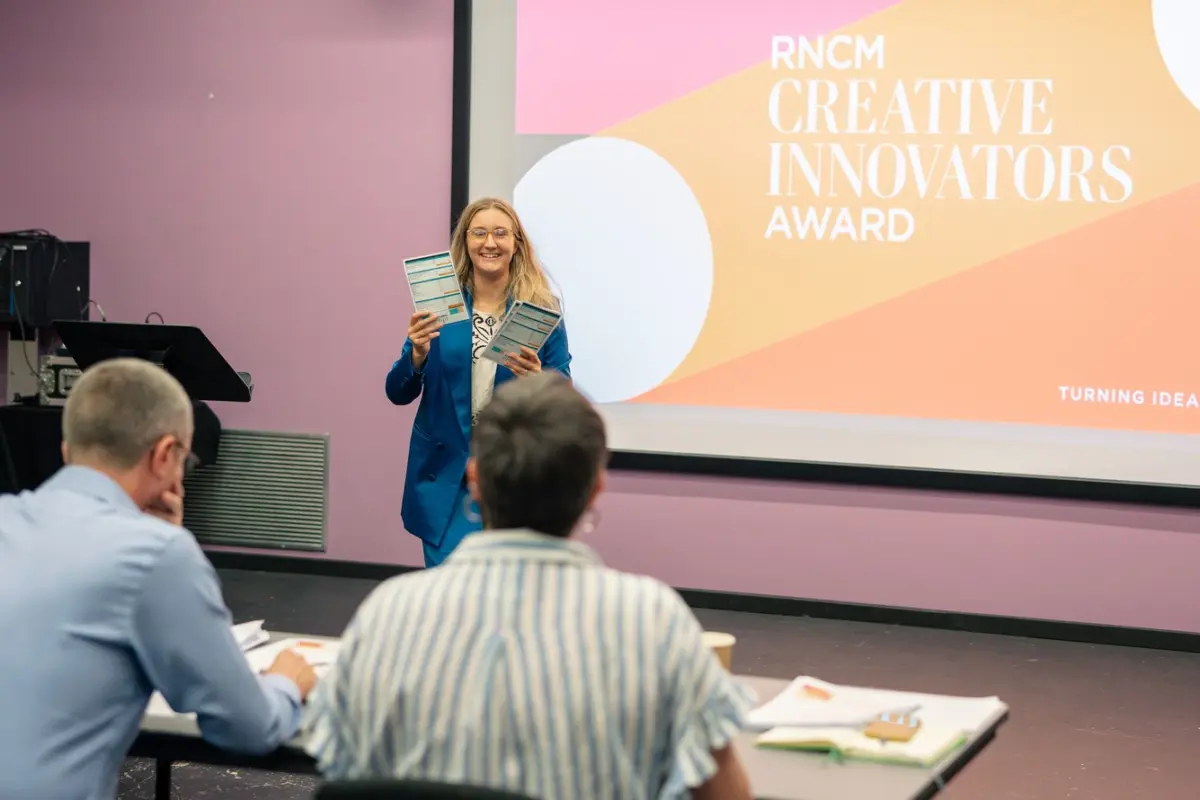
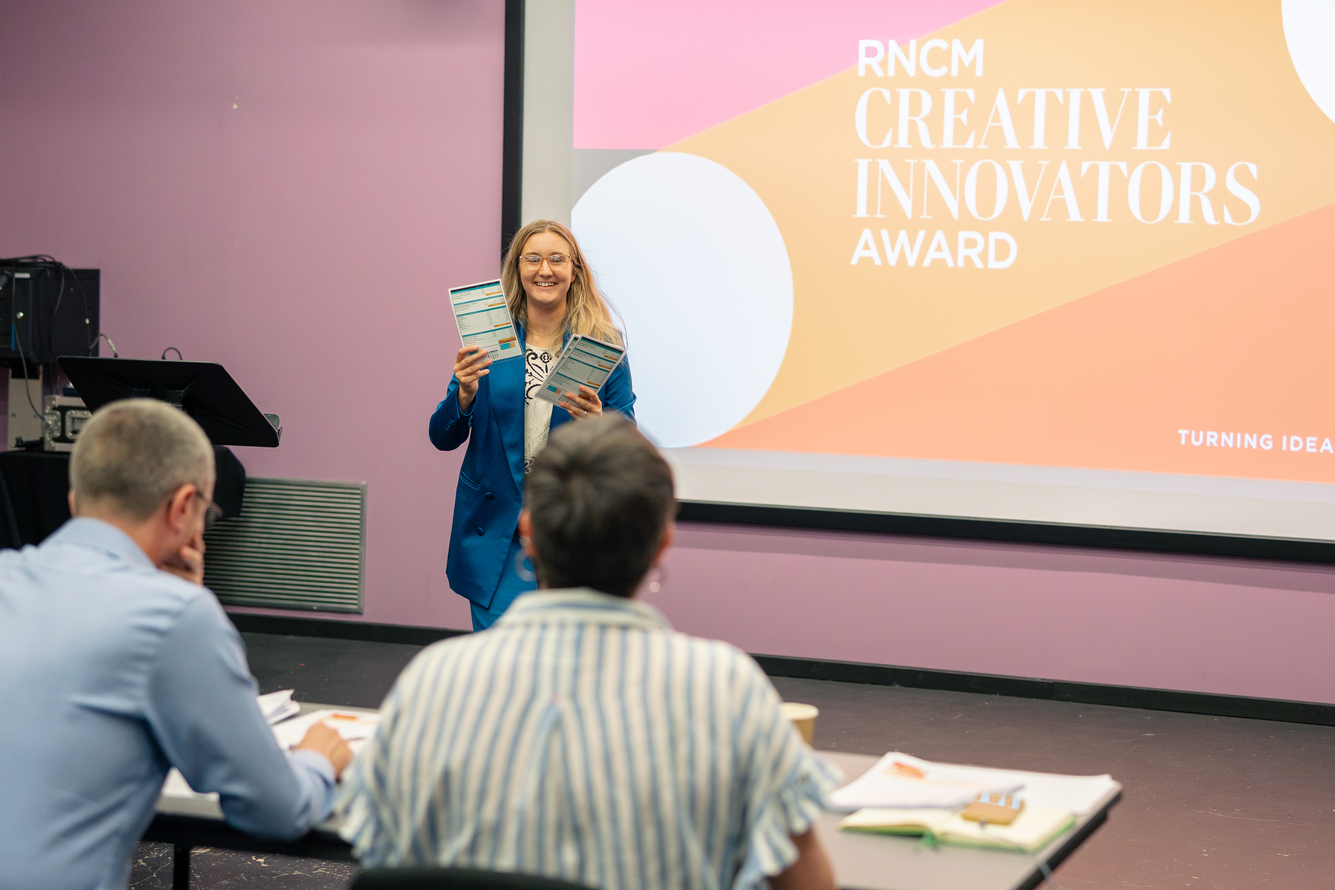
For a decade, the Creative Innovators Awards have served as a vital incubator for entrepreneurial musicians at the RNCM, providing crucial seed funding and bespoke mentoring. Alumni of this program have gone on to form groundbreaking ensembles and community organizations that have fundamentally enriched the UK’s cultural landscape—including the Olympias Music Foundation, the UnTold Orchestra, Vulva Voce, Empower: Women Changing Music, and the Kantos Chamber Choir.
Under the new funding arrangement, the impact of these awards will be dramatically scaled:
- Doubling Output: The number of Creative Innovators Awards granted annually will double, expanding opportunities for a larger cohort of inventive artists.
- Classical Pathways Integration: Dedicated funding streams and specialized mentoring will be embedded specifically for students pursuing classical music pathways, ensuring that traditional instrumentalists and vocalists receive the same entrepreneurial backing as contemporary creators.
- The Graduate Edition: Recognizing that the vulnerability of an artist’s career often peaks immediately after graduation, the initiative introduces the Creative Innovators Award Graduate Edition. This brand-new tier offers recent alumni substantial investment and ongoing mentoring specifically designed to scale and sustain projects that might otherwise collapse due to a lack of early-stage capital.
Enhancing the Junior Fellowship Program
The RNCM’s Junior Fellowship has long provided recent graduates with invaluable transitional experience, bridging the gap between academic study and professional execution through roles in performance, teaching, creative engagement, and leadership.
The injection from Purposeful Ventures will supercharge this offering by funding 13 supported fellowships over a three-year period, specifically reserved for graduates from lower socioeconomic backgrounds. Crucially, this component includes enhanced bursary support delivered on top of the existing stipend. By alleviating the immediate cost-of-living pressures that force many talented young artists to abandon music for more financially stable, non-arts employment, these fellowships offer recipients the financial runway needed to hone their craft, build professional networks, and secure sustainable employment in the orchestral, chamber, or solo arenas.
Timeline to Launch
- Spring–Summer 2025: Program architecture finalization, establishment of the advisory panels, and drafting of transparent application criteria designed to identify socioeconomic need without compromising artistic standards.
- Autumn 2025: Introductory outreach campaigns targeting regional music services, hubs, and community networks across the North West of England to raise awareness among prospective applicants.
- Spring 2026: Opening of the application window for the inaugural cohort of the expanded Creative Innovators Awards and the new Graduate Edition.
- Autumn 2026: Official launch of the enhanced Junior Fellowship program, welcoming the first wave of supported fellows to the RNCM campus in Manchester.
Supporting Context & Metrics: The Crisis of Access in Classical Music
The necessity of the RNCM and Purposeful Ventures initiative cannot be overstated when viewed against the backdrop of systemic inequality within the broader British creative industries. For decades, classical music has faced mounting scrutiny regarding its demographic makeup. Data from various cultural sector reports, including studies by the Creative Industries Policy and Evidence Centre (PEC) and arts equity watchdogs, consistently paint a sobering picture.
The Socioeconomic Divide in the Arts
Individuals from working-class or lower-income backgrounds are vastly underrepresented across the classical music sector. This exclusion begins long before conservatory auditions. The steep cost of high-quality instruments, private lessons, exam fees, and travel to regional youth orchestras creates an invisible filter that operates from early childhood. By the time students reach the audition stage for top-tier music conservatories, the pool of applicants has already been heavily filtered by socioeconomic status.
Furthermore, once inside conservatories, students from lower-income brackets face ongoing hurdles. Unlike academic university degrees that often allow for flexible part-time work, conservatory training demands rigorous, time-intensive practice regimes, mandatory ensemble participation, and attendance at external masterclasses. The expectation to undertake unpaid or low-paid internships, attend high-profile auditions across Europe, and purchase professional-grade performance attire adds layers of hidden financial stress.
The Precarious Transition Phase
The vulnerability peaks at graduation. The classical music market relies heavily on freelance labor, short-term orchestral contracts, and entrepreneurial self-starting. Without a financial safety net, graduates from low-income families frequently find themselves forced to abandon performance careers entirely in favor of secure, unrelated employment to pay off student debt or support themselves.
By targeting both the student-to-professional transition (via the enhanced Junior Fellowship) and entrepreneurial project creation (via the Creative Innovators Awards and Graduate Edition), the RNCM initiative addresses these exact pressure points. Providing not just a stipend, but enhanced bursary support and seed capital, directly attacks the attrition rate of working-class talent, ensuring that the future of classical music is shaped by a diverse cross-section of society rather than an exclusive demographic.
Official Statements and Industry Perspective
The announcement has drawn widespread praise from institutional leaders, cultural commentators, and philanthropic stakeholders alike, highlighting the paradigm shift required within higher arts education.
In an official press release detailing the partnership, RNCM Principal Professor Linda Merrick CBE articulated the core philosophy driving the initiative:
"At the RNCM, we believe talent should never be limited by background. By investing in their creativity, ambition, and potential, we hope to help shape a more inclusive and innovative future for classical music."
Professor Merrick’s statement underscores a vital philosophical evolution within elite conservatories. For generations, the prevailing institutional model assumed that artistic excellence existed in a vacuum, completely divorced from the material conditions of the artist’s life. By explicitly acknowledging that financial barriers stifle artistic potential, the RNCM is setting a progressive standard for how major music institutions operate in the 21st century.
Representatives from Purposeful Ventures echoed this sentiment, emphasizing the transformative power of targeted philanthropic capital:
"Philanthropy in the arts must go beyond mere patronage of elite performance; it must act as a lever for systemic equity. By partnering with the RNCM, we are targeting the structural bottlenecks that prevent brilliant, diverse voices from entering the classical canon. We are not just funding musicians; we are funding the future relevance and vitality of the art form itself."
Industry observers have also noted the regional significance of the program. Based in Manchester—a vibrant cultural hub with a rich musical heritage—the RNCM is uniquely positioned to draw talent from across the North West of England. By explicitly opening the program to applicants from the region and beyond, the initiative helps decentralize cultural opportunity away from London, fostering regional artistic leadership and ensuring that local talent can build sustainable careers without necessarily having to relocate to the capital’s hyper-competitive and expensive market.
Future Outlook: A Blueprint for Institutional Transformation
As the arts sector navigates post-pandemic economic realities, shifting public funding models, and ongoing debates over cultural representation, the RNCM and Purposeful Ventures partnership offers a compelling model for sustainable, impact-driven philanthropy.
Measuring Success Beyond the Concert Hall
The true test of the £404,000 investment will lie in its long-term outcomes. Moving forward, the RNCM will likely track several key performance indicators to measure the success of the Early Career Development and Opportunities Program:
- Retention Rates: Monitoring the percentage of fellowship recipients and awardees who successfully establish sustainable careers in the music profession three to five years post-graduation.
- Project Sustainability: Assessing the longevity and financial viability of enterprises launched through the Creative Innovators Awards and the new Graduate Edition.
- Demographic Shift: Evaluating the long-term diversification of the applicant pool and successful cohort entries, establishing baseline data that can inform future equity initiatives across UK conservatories.
Inspiring Sector-Wide Reform
Beyond its immediate institutional impact, this initiative holds the potential to catalyze broader change across the European and international conservatory landscape. As other prominent music institutions observe the structural success of the RNCM’s targeted fellowship and entrepreneurial funding models, pressure will mount on peer organizations to implement similar equity frameworks.
Classical music has always prided itself on its ability to evolve, absorb new influences, and reflect the deepest emotional truths of human experience. However, an art form can only truly reflect humanity if its practitioners represent the full spectrum of society. By systematically dismantling the financial walls that keep promising working-class musicians out of the profession, the Royal Northern College of Music and Purposeful Ventures are ensuring that the concert halls of tomorrow echo with a richer, more diverse, and profoundly authentic symphony of voices.