
By Francisco Salazar
Published in partnership with performing arts labor reporting desks
Executive Overview
The labor dispute between the musicians of the Dayton Philharmonic Orchestra (DPO) and the administrative leadership of the Dayton Performing Arts Alliance (DPAA) has escalated significantly. On Tuesday, October 13, musicians represented by the American Federation of Musicians (AFM) Local 101-473 officially filed an unfair labor practice (ULP) charge with the National Labor Relations Board (NLRB).
This decisive legal maneuver brings federal oversight to a fractured bargaining table, signaling that months of behind-the-scenes friction have boiled over into public and legal warfare. At the core of the complaint are severe allegations against DPAA management: bargaining in bad faith, deploying negotiators devoid of actual decision-making authority, intentionally withholding critical financial and operational information requested as early as April, and unilaterally slashing guaranteed services for musicians while active contract negotiations remained underway.
For an orchestra that forms a cultural cornerstone of the Dayton, Ohio, community, this crisis threatens the immediate stability of the upcoming concert season. The musicians, who have been working without a contract since their previous collective bargaining agreement expired on August 31, have already demonstrated their resolve by overwhelmingly authorizing a strike. As the two sides trade accusations regarding financial transparency, institutional authority, and artistic integrity, the future of the DPAA hangs in a delicate balance. This report provides a comprehensive examination of the chronology, grievances, systemic pressures, and potential outcomes of a labor standoff that has national implications for regional orchestras across the United States.
Detailed Chronology of the Dispute
To understand how the Dayton Philharmonic found itself on the precipice of a crippling work stoppage, one must trace the timeline of escalating tensions between the musicians and the DPAA administration. The friction is not merely the product of a summer bargaining cycle; rather, it is the culmination of long-standing structural grievances that crystallized over the spring and summer of this year.
Spring 2025: Information Requests and Early Friction
The roots of the current ULP charge stretch back to April. During the preliminary phases of operational review and fiscal assessment, AFM Local 101-473 submitted formal information requests to DPAA management. In collective bargaining, labor unions are legally entitled to financial records, budgetary forecasts, and organizational data necessary to evaluate employer proposals and formulate counter-offers.
According to the union’s subsequent NLRB filings, DPAA management allegedly stonewalled these requests, withholding vital data for months. Musicians argue that this delayed transparency hamstrung their ability to engage in meaningful, data-driven negotiations when formal talks finally commenced, creating an uneven playing field from the outset.
August 31, 2025: The Expiration of the Collective Bargaining Agreement
The pre-existing collective bargaining agreement governing the wages, working conditions, and guaranteed services of the Dayton Philharmonic musicians formally expired at midnight on August 31. Under standard labor practices, musicians continued to perform under the terms of the expired contract while negotiations for a successor agreement continued.
However, the expiration date marked a psychological and operational turning point. With no contract in place, the safety net protecting musicians’ guaranteed services and compensation schedules dissolved, leaving them vulnerable to unilateral administrative actions by the DPAA.
September – October 2025: The Breakdown at the Bargaining Table
Throughout September and into October, negotiating sessions were held with the intent of bridging the gap between management’s fiscal constraints and the musicians’ demands for job security and fair compensation. Instead of progress, however, the sessions devolved into frustration.
Musicians and their union representatives quickly realized that the individuals seated across the table on behalf of management lacked the institutional authority to bind the DPAA to any meaningful compromises. Whenever union negotiators advanced a reasonable proposal, management representatives routinely claimed they lacked the power to accept it or respond effectively, necessitating endless delays for internal consultations.
Compounding this frustration, DPAA management allegedly crossed a legal and ethical Rubicon by bypassing the collective bargaining process entirely. Leadership imposed direct cuts to guaranteed services within the individual contracts of the musicians—a maneuver that directly triggered the unfair labor practice charge filed on October 13. Recognizing that negotiations had been compromised by bad-faith tactics, the DPO musicians took the historic step of authorizing a strike, putting their collective foot down against what they characterized as administrative overreach.
Supporting Context & Metrics: The Anatomy of Regional Orchestra Labor Crises
The standoff in Dayton is not an isolated incident; rather, it reflects a broader, systemic crisis facing regional performing arts organizations across the United States in the post-pandemic era. To contextualize the DPAA dispute, one must examine the operational models, economic pressures, and legal frameworks governing modern orchestras.
The DPAA Triad Model
The Dayton Performing Arts Alliance was formed in 2012 through the historic merger of three distinct performing arts entities: the Dayton Philharmonic Orchestra, the Dayton Opera, and the Dayton Ballet. While this consolidation was designed to create administrative efficiencies, shared marketing power, and streamlined donor development, it also created a complex management structure.
Under the DPAA umbrella, a single administrative and executive leadership team oversees three vastly different artistic disciplines, each with its own unionized or specialized labor force. Critics and union advocates frequently argue that such multi-disciplinary mega-organizations often spread administrative resources too thin, leading to disconnects between executive decision-makers and the foundational artists who generate the core cultural product.
The Economics of Regional Orchestras
Regional orchestras like the Dayton Philharmonic operate on notoriously tight financial margins. Unlike major metropolitan orchestras—such as the New York Philharmonic or the Chicago Symphony Orchestra—which boast massive endowments and deep corporate donor networks, regional ensembles rely heavily on a combination of ticket sales, annual fundraising campaigns, local government support, and modest endowment distributions.
In the wake of economic fluctuations, inflation, and shifting consumer habits regarding live entertainment, many regional arts institutions have struggled to recover pre-pandemic audience numbers. When revenue shortfalls occur, arts administrators historically look to labor costs—specifically musician compensation, rehearsal hours, and guaranteed service counts—as the primary levers for balancing budgets.
However, musicians argue that balancing the budget on the backs of artists who have already dedicated their lives to mastering their craft is both unsustainable and counterproductive. Slashing guaranteed services reduces annual income for musicians, many of whom rely on these positions as their primary source of livelihood, forcing skilled classical artists to seek supplemental income elsewhere and ultimately degrading the artistic quality of the ensemble.
The Legal Framework: NLRB and Good-Faith Bargaining
Under the National Labor Relations Act (NLRA), employers and unions are legally bound to bargain in "good faith." This obligation requires both parties to approach the negotiating table with a sincere desire to reach an agreement, rather than treating negotiations as a mere formality.
Key violations of good-faith bargaining include:
- Surface Bargaining: Going through the motions of negotiating without any intention of reaching an agreement.
- Refusal to Meet: Delaying or canceling negotiation sessions unreasonably.
- Unilateral Changes: Altering wages, hours, or working conditions without first negotiating to an impasse with the union (the exact infraction alleged against the DPAA regarding guaranteed services).
- Failure to Provide Information: Withholding relevant financial or operational data necessary for the union to bargain effectively.
By filing charges under these statutory definitions, AFM Local 101-473 has placed the DPAA’s administrative practices under the microscope of federal labor law. If the NLRB finds merit in the charges, the DPAA could face federal injunctions, mandatory remedial bargaining orders, and severe reputational damage.
Official Statements and Stakeholder Perspectives
The war of words between the Dayton Philharmonic musicians and DPAA leadership highlights a profound breakdown in trust. Each side has articulated its position through public statements that reveal the depth of the ideological and operational chasm between them.
The Musicians’ Perspective: A Call for Accountability
The official statement released by AFM Local 101-473 on behalf of the DPO musicians cuts a sharp, accusatory tone, laying bare the emotional and professional toll the negotiations have taken:
"We have spent months at the table trying to reach a fair agreement with people who turned out to have no power to offer one. Management has stalled and failed to provide all the information we’ve requested. That is why we have asked the federal government to step in. The musicians of this orchestra want a deal, and we have shown up ready to make one at every session. DPAA leadership needs to come to the table with the authority and the good faith the law requires."
This sentiment echoes the overarching frustration of the ensemble. Musicians emphasize that they are not seeking unreasonable financial gains; rather, they are fighting for basic operational stability, respect for the collective bargaining process, and the preservation of their guaranteed services, which form the bedrock of their professional contracts. By highlighting that management’s negotiators lacked decision-making power, the union has pointedly questioned the integrity of the DPAA’s executive leadership and board of trustees, suggesting that real power is being wielded behind closed doors without accountability to the bargaining process.
Management’s Position: Navigating Fiscal Realities
While DPAA administrative leadership has faced intense scrutiny, arts management in similar disputes typically frames its actions around fiscal survival and organizational sustainability. Although management’s direct responses to the specific NLRB filings are part of an ongoing legal defense, the broader institutional stance across the regional orchestra sector invariably emphasizes the harsh economic realities facing post-pandemic non-profits.
Administrators argue that adjustments to guaranteed services and flexible scheduling are necessary adaptations to volatile funding streams and fluctuating ticket sales. From the perspective of the DPAA board and executive staff, pushing back against union demands is viewed not as an attack on the artists, but as a painful, necessary stewardship role designed to ensure the long-term survival of the institution. However, by allegedly withholding financial data and deploying disempowered negotiators, management compromised its ability to make this fiscal case persuasively, transforming what could have been a difficult financial dialogue into a legally actionable labor dispute.
Future Outlook: What Lies Ahead for the Dayton Philharmonic?
As the autumn concert season unfolds, the situation surrounding the Dayton Philharmonic Orchestra remains highly volatile. Several potential trajectories lie ahead for the DPAA, the musicians, and the broader Dayton community.
1. NLRB Investigation and Legal Proceedings
The immediate next step involves the National Labor Relations Board reviewing the unfair labor practice charge filed by AFM Local 101-473. The NLRB will investigate the claims regarding bad-faith bargaining, withheld information, and unilateral contract alterations.
If the federal agency finds sufficient evidence of statutory violations, it can issue a formal complaint, leading to administrative hearings before an NLRB administrative law judge. A ruling against the DPAA could force management to rescind the unilateral cuts to guaranteed services, provide the requested financial data, and return to the bargaining table with authorized, empowered negotiators. However, the legal wheels of the NLRB can turn slowly, meaning this avenue alone may not resolve the immediate operational crisis on the ground.
2. The Specter of a Strike
With a strike authorization already secured by the union, the musicians hold a powerful tactical card. A work stoppage by the DPO musicians would halt rehearsals and performances, throwing the DPAA’s concert season into disarray.
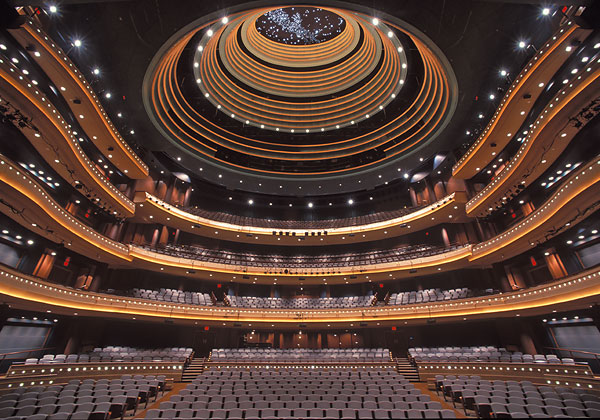
For an organization that depends heavily on ticket revenue and donor goodwill to stay afloat, a public strike would be catastrophic. It would alienate patrons, disrupt community outreach programs, and generate negative publicity that could take years to repair. Consequently, the threat of an imminent strike creates intense pressure on DPAA leadership to course-correct and engage in serious, good-faith negotiations before picket lines form outside the Schuster Center.
3. Mediation and the Path to Resolution
Ultimately, most labor disputes of this nature do not end in protracted federal litigation or ruinous strikes; they end at a mediated bargaining table. To achieve a breakthrough, both parties will likely need to bring in federal mediators from the Federal Mediation and Conciliation Service (FMCS) to bridge the divide.
A successful resolution will require DPAA leadership to:
- Restore Transparency: Open the books fully and transparently, providing the financial disclosures the union has requested since April.
- Empower Negotiators: Ensure that the individuals representing management at the table have the direct backing and authority of the board of trustees to make binding commitments.
- Respect Collective Bargaining: Roll back unilateral service cuts and negotiate any structural changes through the proper legal channels of mutual consent.
For the musicians of the Dayton Philharmonic, the goal remains singular and steadfast: securing a fair, sustainable contract that honors their artistic contribution, guarantees their professional livelihoods, and ensures that world-class symphonic music continues to resonate throughout the Miami Valley.
As federal investigators review the charges and the clock ticks down on the concert season, all eyes in the regional performing arts community remain fixed on Dayton. The outcome of this labor dispute will not only define the future of the Dayton Philharmonic Orchestra but will also serve as a critical bellwether for labor relations across the American classical music landscape.