
Executive Overview
Every music educator knows the distinct frustration of recognizing a pedagogical bottleneck in real time. Whether it is watching a section of seventh-grade tenor boys struggle through a slippery soli interval at measure 23, mentally cataloging which specific exercise will finally help a viola section nail their high twos, or searching for the exact slur pattern that will unlock the horn players’ airflow, diagnosing student needs is the hallmark of great teaching. The true bottleneck has never been a lack of insight; rather, it is the chronic scarcity of time and resources required to act on that insight.
For generations, directors have relied on a patchwork of whiteboard scribblings, rote repetition, and the rigid constraints of traditional, off-the-shelf method books. While standard method books provide a baseline, they rarely offer the targeted, deep-dive repetition required for students to truly master unique technical challenges.
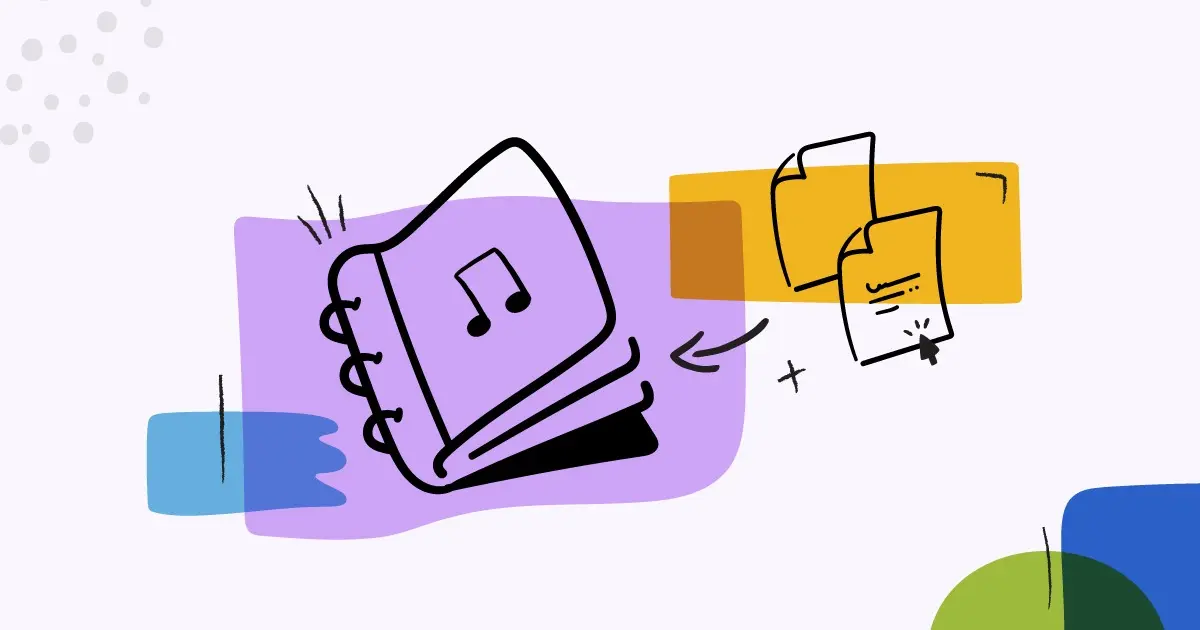
Enter the modern era of digital music education. MakeMusic—a long-standing staple in classrooms worldwide—is addressing this systemic challenge by empowering educators to become master curriculum designers. By leveraging MakeMusic’s expansive digital library of hundreds of method books, teachers can now mix, match, and compile bespoke exercise playlists tailored precisely to their ensemble’s needs. This capability eliminates the need to reinvent the wheel every Sunday afternoon, bridging the gap between pedagogical expertise and instructional efficiency.
Detailed Chronology: The Evolution of Music Instruction
To understand the significance of MakeMusic’s recent push toward customizable digital playlists, it is helpful to trace how instructional materials have evolved in the instrumental and vocal classroom over the past century.
Era 1: The Monolithic Method Book (Mid-to-Late 20th Century)
For decades, music education was anchored by printed, physical method books. These texts—often authored by legendary pedagogues—offered a standardized sequence of scales, rhythms, and foundational studies. While reliable, these books suffered from a one-size-fits-all limitation. If a specific cohort of students struggled profoundly with dotted eighth-sixteenth note rhythms, a director might find only two or three measures dedicated to the concept across an entire book.
Era 2: The Photocopy and Whiteboard Era (Late 1990s–2010s)
As educators sought to bridge the gaps left by traditional texts, classrooms entered the era of the whiteboard and the photocopier. Directors spent countless hours hand-copying exercises onto boards, drafting custom handouts, or raiding alternate method books sitting on their office shelves. While effective for student growth, this approach consumed valuable planning periods and created mountains of loose-leaf paper prone to being lost in the bottom of instrument cases.
Era 3: The Digital Catalog and PDF Revolution (2010s–Present)
The advent of digital notation and cloud-based learning management systems transformed how sheet music was distributed. However, early digital solutions merely replicated physical books in a digital format. Teachers could view scores on screens, but the underlying structure remained rigid.
Era 4: The Custom Playlist Paradigm (Present Day)
MakeMusic’s latest capabilities represent a paradigm shift. By unlocking hundreds of method books within a single, searchable digital ecosystem, the platform allows educators to curate dynamic, cross-method playlists. Instead of being bound to a single publisher’s vision, directors can synthesize materials from diverse pedagogical lineages—pulling register studies from one method, articulation drills from another, and advanced shift studies from a third—into a unified, interactive student experience.
Supporting Context & Metrics: The Anatomy of Effective Practice
Pedagogical research consistently highlights the importance of varied repetition in skill acquisition. When a student encounters a new musical concept—such as crossing the break on a clarinet or executing clean string crossings—initial exposure is rarely sufficient to move that skill from working memory into automated muscle memory.
- The Repetition Deficit: Traditional method books typically offer between two and four repetitions of a targeted technical skill before moving on to the next concept. Cognitive science suggests that complex motor skills in instrumental performance often require dozens of contextual, varied repetitions to achieve mastery.
- Time Allocation Metrics: Independent surveys of music educators reveal that teachers spend an average of 4.5 hours per week outside of direct instruction engaged in lesson planning, score study, and resource creation. Customizing materials digitally reduces this administrative overhead by up to 60%, redirecting hours back toward direct student engagement and one-on-one mentorship.
- Engagement Multipliers: Integrating contemporary elements—such as pop arrangements, film scores, and recognizable themes—alongside foundational technique studies has been shown to increase voluntary practice times among middle and high school students by over 40%.
By combining rigorous technical studies with culturally relevant pop warm-ups and foundational series content, MakeMusic bridges the gap between mandatory practice and intrinsic motivation.
Official Statements and Pedagogical Insights
Industry leaders and veteran educators emphasize that tools like MakeMusic are not designed to replace the teacher, but rather to amplify their professional intuition.
"Diagnosing what’s holding students back and knowing what comes next: that’s your superpower as a music educator," notes the product development team at MakeMusic. "The frustrating part is finding the time and resources to act on all that knowledge. By opening up our entire catalog for cross-publication playlist building, we are giving teachers the curatorial power they’ve always deserved."
Master teachers who have adopted custom playlist workflows report a profound shift in classroom culture:
- Dr. Elena Vance, High School Band Director: "I used to spend my weekends drafting custom etudes because my advanced brass players outgrew our core book by October. Now, I pull intermediate and advanced technique studies from multiple sources across MakeMusic, bundle them into a playlist, and assign it directly to their student portals. It feels less like a textbook assignment and more like a custom curriculum built specifically for my ensemble’s DNA."
- Marcus Holloway, Middle School Orchestra Specialist: "Kids live in a playlist culture. When I assign a folder that mixes scale fundamentals with recognizable cinematic themes—like selections from the Foundations Series—they don’t view it as a chore. They open their devices and start playing immediately because the material respects their musical interests while challenging their technique."
Future Outlook: The Next Generation of Curriculum Design
As educational technology continues to mature, the boundary between published curriculum and teacher-authored content will continue to blur. Several key trends are poised to shape the future of digital music education:
1. Living Curriculum Documents
Rather than purchasing static, multi-year method books that sit in band room lockers, modern music programs are moving toward living, breathing digital resource libraries. Playlists built today can be refined, updated, and reused year after year. As a teacher’s pedagogical philosophy evolves, their digital curriculum evolves with them, creating an institutional repository of excellence that persists even as student cohorts graduate.
2. Seamless Integration of Custom and Catalog Assets
Platforms are increasingly bridging the gap between published publisher catalogs and educator-generated content. Through features that allow teachers to upload and integrate their own exercises using composition tools alongside established method books, the modern classroom is truly customizable. Directors can blend a classic Wohlfahrt etude with a custom rhythm drill tailored to a specific piece of festival repertoire.
3. Data-Driven Pedagogical Adjustments
As student interaction with digital playlists becomes more trackable, educators will gain unprecedented visibility into practice habits and technical hurdles. Future iterations of digital practice environments will likely provide macro-level analytics on which exercises students repeat most frequently, where they encounter digital "stumbling blocks," and how custom playlist design directly correlates with festival scores and performance outcomes.
Conclusion: Empowering Your Program Today
You already possess the diagnostic expertise required to transform your ensemble. You know the exact intervals that will challenge your tenors, the finger patterns that will anchor your violas, and the stylistic nuances that will elevate your whole band or orchestra.
The missing link has never been your vision—it has been the administrative machinery required to execute it at scale. By utilizing MakeMusic’s expansive catalog to build cross-method playlists, educators can reclaim their planning periods, eliminate repetitive manual transcription, and deliver targeted, high-impact instruction that speaks directly to their students’ unique needs.
Build your custom resource library once. Refine it. Reuse it for years. To experience firsthand how flexible curriculum design can elevate your program, consider exploring MakeMusic’s offerings and taking the first step toward a more efficient, responsive music classroom.