
Executive Overview
The contemporary jazz ecosystem exists in a perpetual state of dynamic tension. On one hand, modern multi-instrumentalists and boundary-pushing ensembles continue to stretch the genre’s DNA by fusing traditional swing, bebop, and modal vocabularies with hip-hop, R&B, and classical idioms. On the other hand, the enduring allure of mid-century modernism exerts a gravitational pull, prompting ongoing reassessments of foundational recordings through the lens of modern audiophile culture.
This critical dispatch examines three disparate pillars of the jazz landscape:
- Skinny Hightower’s latest tour-de-force solo-driven project, Feels Like Destiny;
- The Tim Kliphuis Trio’s twenty-year milestone celebration through a radical reimagining of George Gershwin’s Rhapsody in Blue; and
- Waxtime’s vinyl reissue of Cannonball Adderley’s 1961 classic, Know What I Mean?, featuring pianist Bill Evans and the rhythm section of the Modern Jazz Quartet.
Synthesizing these works reveals a shared thematic thread: the pursuit of emotional resonance through supreme instrumental command. Whether Hightower is single-handedly constructing layered, high-definition funk-jazz grooves in a South Carolina studio, or Kliphuis is stripping away a century of academic varnish from American classical-jazz crossover repertoire, the overarching mandate remains unchanged—to honor the past while forcefully asserting contemporary relevance.
This comprehensive survey explores the technical mastery, historical contexts, production mechanics, and critical debates surrounding these releases, offering an authoritative guide for collectors, musicians, and dedicated connoisseurs of improvised music.
Detailed Chronology & Production Histories
Skinny Hightower: Feels Like Destiny (CastOver Records)
- Recording Location & Window: Truphonic Studios, Charleston, South Carolina; 2024–2025.
- Personnel: Skinny Hightower (piano, organ, Rhodes, clavinet, Wurlitzer, synthesizer, guitar, bass, drums, percussion); Charlotte Glasson (flute); Althea Rene (flute).
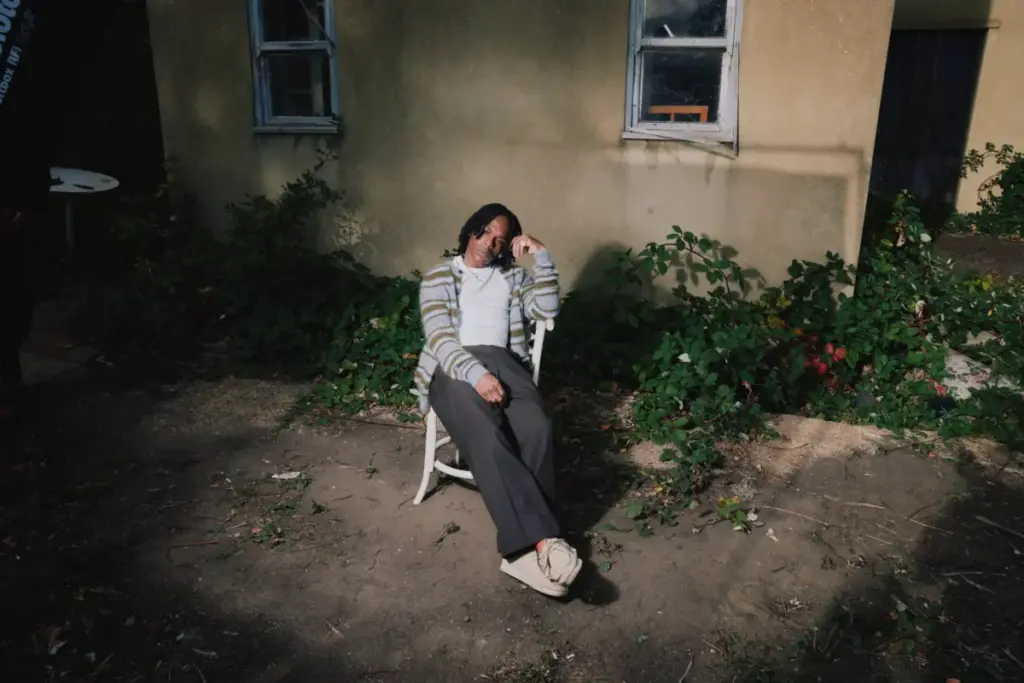
Born Jason Carroll in Wichita, Kansas, Skinny Hightower has steadily ascended the smooth-jazz and jazz-fusion charts since his breakout in 2016. With Feels Like Destiny, Hightower escalates his artistic ambitions by functioning as an almost entirely self-contained musical unit. Aside from strategic guest contributions on flute by Charlotte Glasson and Althea Rene, Hightower executes every single note across an expansive sonic palette encompassing acoustic piano, organ, Rhodes, clavinet, Wurlitzer, synthesizers, electric guitar, vibraphone, bass, and drums.
The recording sessions at Truphonic Studios in Charleston, South Carolina, reflect a meticulous, high-definition production ethos. Hightower deftly avoids the sterile coldness that often plagues bedroom-producer or one-man-band projects. By grounding his intricate arrangements in organic groove, infectious melodic hooks, and a deep reverence for 1970s funk and soul, he steps past the pitfalls of ego-driven instrumental self-indulgence.
The album’s tracklist reads like a masterclass in genre-blending, bridging the gap between dance-floor-oriented funk anthems (Devotion, Hypnotic), slick contemporary radio-ready cuts (Velour, Deeper Than You Think), and nods to post-bop and spiritual jazz (Strides). Furthermore, Hightower explicitly pays homage to his foundational influences—ranging from Steve Gadd’s Stuff and Tower of Power to Donny Hathaway and Ronnie Foster—by offering a soulful, modern reconstruction of Stevie Wonder’s 1970s classic Higher Ground under the banner Ridin’ High.
The Tim Kliphuis Trio: Rhapsody in Blue (Lowland Records)
- Recording Locations & Windows: Edinburgh (March 2024–2026); Dublin (April 10, 2026); Motherwell (April 22, 2026).
- Personnel: Tim Kliphuis (violin, guitar); Nigel Clark (guitar); Roy Percy (double bass).
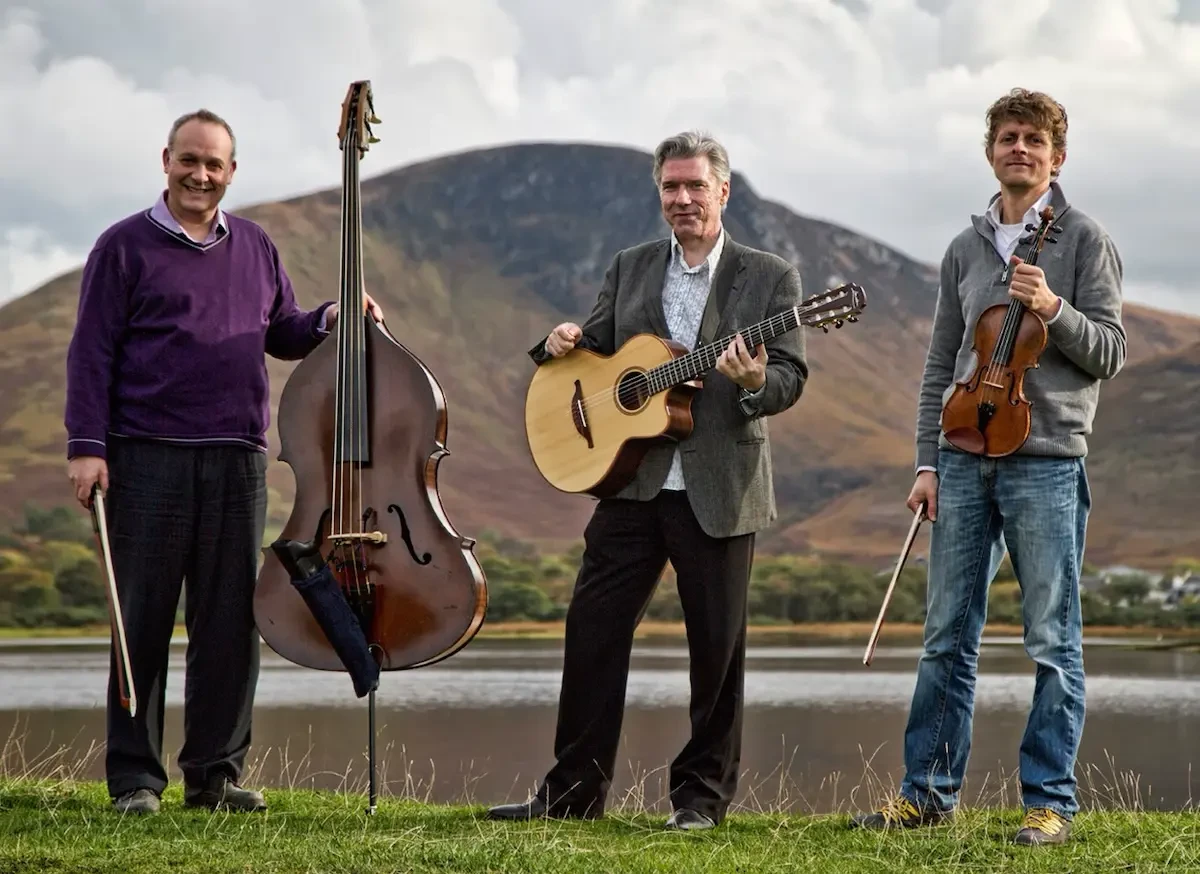
Few ensembles achieve the telepathic synchronicity that defines the Tim Kliphuis Trio, a transatlantic-leaning European outfit that has maintained its core lineup for two decades. Marking their 20th anniversary with their fourth official release, Dutch violinist Tim Kliphuis, Scottish guitarist Nigel Clark, and British bassist Roy Percy set out to deconstruct and rebuild George Gershwin’s immortal Rhapsody in Blue.
The recording process spanned multiple cities and sessions across the UK and Ireland between March 2024 and April 2026, culminating in a cohesive statement that defies easy categorization. Rather than treating Gershwin’s centennial masterpiece as a museum piece, the trio deploys a volatile mixture of baroque counterpoint, Spanish folk ornamentation, and driving gypsy jazz. The centerpiece 17-minute title track pulls every ounce of dramatic tension from the score, proving that instrumental virtuosity can serve structural narrative rather than mere pyrotechnics.
Cannonball Adderley: Know What I Mean? (Waxtime Reissue)
- Recording Dates & Venue: New York City; January 27, February 21, and March 27, 1961.
- Personnel: Julian "Cannonball" Adderley (alto saxophone); Bill Evans (piano); Percy Heath (bass); Connie Kay (drums).
To understand the genesis of Know What I Mean?, one must cast back to the extraordinarily fertile jazz landscape of New York City in early 1961. Alto saxophonist Julian "Cannonball" Adderley was riding an unprecedented career wave. Fresh off his historic contributions to Miles Davis’s modal masterwork Kind Of Blue, his own collaborative recordings with Davis (Something Else!), and the runaway crossover success of his high-spirited single This Here, Adderley occupied a towering position in modern jazz.
The sessions—tracked across three dates in early 1961—brought together two distinct aesthetic forces: the earthy, blues-drenched, church-infused swing of Adderley and the introspective, impressionistic, harmonic elegance of pianist Bill Evans. Having previously collaborated on Portrait of Cannonball, the duo sought a different stylistic texture here, deliberately steering away from aggressive hard bop. To achieve this fragile, balanced equilibrium, Adderley enlisted the rhythm section of the Modern Jazz Quartet—bassist Percy Heath and drummer Connie Kay—whose understated, chamber-jazz sensibilities provided a velvet cushion for the soloists.
Supporting Context & Metrics
To evaluate these releases comprehensively, we must analyze the structural metrics, stylistic lineages, and listening environments that frame their reception.
+-------------------------------------------------------------------------------------------------+
|                                     ALBUM METRICS COMPARISON                                    |
+---------------------------+-----------------------+---------------------+-----------------------+
| Metric                    | Skinny Hightower      | Tim Kliphuis Trio   | Cannonball Adderley   |
|                           | (Feels Like Destiny)  | (Rhapsody In Blue)  | (Know What I Mean?)   |
+---------------------------+-----------------------+---------------------+-----------------------+
| Primary Genre             | Jazz Fusion / R&B     | Gypsy Jazz / Classical| Cool Jazz / Chamber |
| Release / Reissue Format  | CD / Digital          | CD / Vinyl / Digital| 180g LP (Waxtime)     |
| Total Runtime             | 55 minutes, 16 sec    | 54 minutes, 36 sec  | 41 minutes, 11 sec    |
| Core Aesthetic            | Multi-instrumental    | Two-decade ensemble | All-star modal/bop    |
|                           | groove-heavy virtuoso | telepathy           | synthesis             |
+---------------------------+-----------------------+---------------------+-----------------------+
The Production Anatomy of Modern Self-Sufficiency
In Feels Like Destiny, Skinny Hightower highlights a modern economic and creative reality: the democratization of high-end studio production. By handling piano, organ, Rhodes, clavinet, Wurlitzer, synths, guitar, vibraphone, bass, and drums, Hightower eliminates the friction of traditional ensemble coordination.
However, this approach introduces unique challenges. In jazz, interaction is traditionally born from human imperfection and spontaneous communication. Hightower counters the risk of a sterile, over-quantized "loop" aesthetic by prioritizing live-feel drum programming, dynamic bassline phrasing—exemplified by the deeply funky interplay on Chain Reaction—and warm, analog-emulated keyboard textures. The absence of vocals further directs listener attention toward rhythmic pocket and harmonic movement, maintaining high engagement without relying on traditional lyrical hooks.
The Chamber-Jazz Blueprint of 1961
Conversely, the 1961 Adderley sessions captured by producer Orrin Keepnews represent the pinnacle of acoustic, collaborative enterprise. The pairing of Adderley’s searing alto saxophone with Bill Evans’s delicate piano voicings was inherently risky. Adderley was famous for rousing gospel-jazz crowds with infectious enthusiasm, whereas Evans was known for monastic introspection.
By inserting the Modern Jazz Quartet’s rhythm section (Heath and Kay), the project achieved what jazz critics often describe as a hybrid of "swamp mud and scholasticism"—earthy blues infrastructure married to refined intellectual architecture. Tracks like Waltz for Debby and Toy demonstrate how economy of means can yield maximum emotional impact.
Critical Analysis & Track-by-Track Evaluations
Skinny Hightower: Navigating the Groove
Hightower’s Feels Like Destiny rewards attentive listening while retaining accessibility for casual audiences.
- Chain Reaction: Easily one of the album’s standout cuts. It dives straight into the rhythmic machinery of funk, showcasing a tight, elastic conversation between synth-bass and acoustic percussion elements.
- Higher Ground / Ridin’ High: Hightower’s reconstruction of Stevie Wonder’s classic functions as a masterclass in modernizing 70s aesthetics. Rather than offering a carbon-copy cover, he deconstructs the clavinet-driven riffing and rebuilds it with contemporary jazz-funk propulsion.
- The Overall Sequencing: The omission of vocal tracks is a strategic triumph. It gives the groove unbridled command of the soundstage, leaving listeners eager for each successive tempo and mood shift.
The Tim Kliphuis Trio: Subverting Classical Tradition
The Tim Kliphuis Trio’s Rhapsody in Blue achieves the rare feat of making a warhorse composition feel entirely improvised and dangerous.
- The Title Track: Spanning 17 minutes, the rendition absorbs George Gershwin’s melodies and refracts them through Stephane Grappelli-esque violin phrasing on ballads (The Man I Love, Someone To Watch Over Me) and Django Reinhardt-inspired guitar clarity from Nigel Clark.
- Extracurricular Fusion: The clever splicing of Aaron Copland’s Hoedown and Fanfare for the Common Man (Hoedown For The Common Man) acts as a brilliant stylistic bridge, anchoring Kliphuis’s synthesis of earthy drive and academic precision.
- Sequencing Critique: The placement of Our Love Is Here To Stay immediately following the explosive Copland medley diminishes its impact, making a genuinely stellar performance feel slightly like an afterthought—a minor flaw in an otherwise glowing review.
Cannonball Adderley: The Archival Paradox of Know What I Mean?
Evaluating the Waxtime reissue of Know What I Mean? requires balancing historical brilliance against physical production realities.
- Musical Content: The performances are flawless. Adderley takes commanding control of Bill Evans’s Waltz for Debby, while Evans weaves luminous, endlessly inventive counterpoint around Clifford Jordan’s hip melody Toy. Earl Zindars’s Elsa remains a high watermark for emotional vulnerability in 1960s modern jazz.
- The Reissue Verdict: While the inclusion of a Toy outtake is a welcome bonus for completists, audiophiles must approach budget-label EU public-domain reissues with open eyes. The release suffers from faint, unintentional background tape hiss, the replacement or omission of original back-cover photography, and the removal of the historic Riverside Records branding due to legal licensing constraints. Consequently, this package remains strictly recommended for budget-conscious collectors seeking the music above all else.
Official Statements & Industry Perspectives
The reception of these distinct releases highlights broader philosophical divisions within the modern jazz community regarding preservation, innovation, and technological adaptation.
"When you strip away the safety net of a traditional touring band and shoulder every instrumental duty yourself, you take full responsibility for the heartbeat of the record. The groove cannot be faked; it has to be lived across every frequency, from the low-end bass thump to the highest vibraphone shimmer."
— Skinny Hightower, reflecting on the multi-instrumental production process behind Feels Like Destiny.
Industry analysts have noted that Hightower’s approach represents an increasingly viable economic model for independent contemporary jazz artists navigating streaming platforms. By retaining total control over composition, arrangement, performance, and mix engineering, artists bypass traditional studio gatekeepers—though purists occasionally debate the loss of spontaneous human interaction found in live-room ensemble tracking.
Conversely, classical-jazz crossover artists like Tim Kliphuis emphasize the communal, temporal aspect of ensemble longevity:
"After twenty years of playing together, notation becomes a mere suggestion. We don’t just play Gershwin or Copland; we inhabit their harmonic spaces as a unified organism. If a 17-minute arrangement of ‘Rhapsody in Blue’ works, it’s because two decades of shared listening taught us precisely when to breathe together."
— Tim Kliphuis, speaking on the collaborative chemistry behind the trio’s anniversary release.
In the archival sector, reissue labels face ongoing scrutiny from audiophile communities. While European public-domain labels like Waxtime provide affordable physical access to out-of-print jazz masterpieces like Know What I Mean?, master-tape historians continue to advocate for fully licensed, AAA (All-Analogue) audiophile reissues from original metal parts to preserve historical fidelity and visual packaging integrity.
Future Outlook
As the jazz landscape moves further into the digital age, the trajectory of the genre points toward two diverging yet mutually enriching futures:
- Hyper-Personalized Production & Genre Fluidity: Artists like Skinny Hightower demonstrate that modern technology empowers individual multi-instrumentalists to build complex, high-definition jazz-fusion worlds entirely on their own terms. Future developments in spatial audio, remote cloud collaboration, and advanced virtual instrumentation will likely accelerate this trend, challenging traditional notions of what constitutes a "jazz band."
- Deepening Archival Reassessments & Acoustic Purism: Simultaneously, the insatiable demand for tactile physical media—vinyl LPs and high-resolution digital master files—ensures that historical touchstones like Cannonball Adderley’s 1961 collaborations will continue to be studied, re-mastered, and debated. Ensembles like the Tim Kliphuis Trio prove that acoustic traditions, when reinterpreted with fierce imagination, can continually revitalize historical repertoires without falling into mere pastiche.
Ultimately, whether through the solitary studio wizardry of a Wichita-born multi-instrumentalist, the twenty-year synergy of a European string trio, or the ghostly analog echoes of New York City in 1961, improvised music remains wonderfully alive—constantly negotiating its past while fearlessly writing its future.