

LONDON — In an era where classical music institutions must constantly redefine their cultural relevance, the London Symphony Orchestra (LSO) continues to lead the vanguard of artistic innovation. Today, the organization, in collaboration with Baxter PR, has announced a striking trio of autumn projects set to transform both LSO St Luke’s and the Barbican. Spanning late August through November 2026, this curated sequence of performances breaks down traditional genre boundaries, inviting audiences into immersive worlds where choral theatre meets contemporary dance, ancestral reflection merges with poetry, and symphonic grandeur collides with the driving rhythms of jazz and hip-hop.
The upcoming season represents a masterclass in modern programming, deliberately pairing the LSO’s world-class orchestral capabilities with boundary-pushing creative collectives and visionary solo artists. From ancient Chinese poetry brought to life through staging and movement to a high-octane exploration of socio-political history through jazz improvisation, this autumn lineup promises to challenge, move, and inspire.
Executive Overview
The London Symphony Orchestra’s autumn 2026 mini-season is far more than a standard sequence of concert dates; it is a strategic manifestation of the orchestra’s ongoing commitment to multidisciplinary collaboration, diverse storytelling, and community engagement. Over the course of three distinct projects, the LSO will showcase how classical institutions can act as dynamic catalysts for cross-genre experimentation.
+-----------------------------------------------------------------------------------+
|                           LSO AUTUMN 2026 SEASON TIMELINE                         |
+---------------------+---------------------------+---------------------------------+
| DATE                | PROJECT                   | VENUE                           |
+---------------------+---------------------------+---------------------------------+
| August 30–31, 2026  | Chronicle (Tangram &      | LSO St Luke’s                   |
|                     | SANSARA)                  |                                 |
| September 16, 2026  | New Roots: First Light    | LSO St Luke’s                   |
|                     | (Ayanna Witter-Johnson)   |                                 |
| November 19, 2026   | Trilogy (Soweto Kinch,    | The Barbican                    |
|                     | LSO, André de Ridder)     |                                 |
+---------------------+---------------------------+---------------------------------+
At the heart of this programmatic vision is a desire to dismantle the historical barriers separating classical music from other artistic disciplines. By platforming cross-cultural narratives, centering marginalized voices, and utilizing non-traditional performance spaces like LSO St Luke’s alongside their primary Barbican home, the LSO is actively shaping the future of live performance.
This executive overview breaks down the overarching themes of the season:
- Interdisciplinary Synthesis: Blending music with choreography, theatrical staging, and poetic text.
- Historical and Ancestral Resonance: Utilizing art to explore lineage, historical trauma, and personal healing.
- Genre-Defying Sonic Landscapes: Seamlessly integrating orchestral arrangements with traditional Chinese instrumentation, jazz improvisation, hip-hop beats, and contemporary vocal polyphony.
Detailed Chronology of the Autumn Projects
1. Chronicle: Tangram and SANSARA at LSO St Luke’s (August 30–31, 2026)
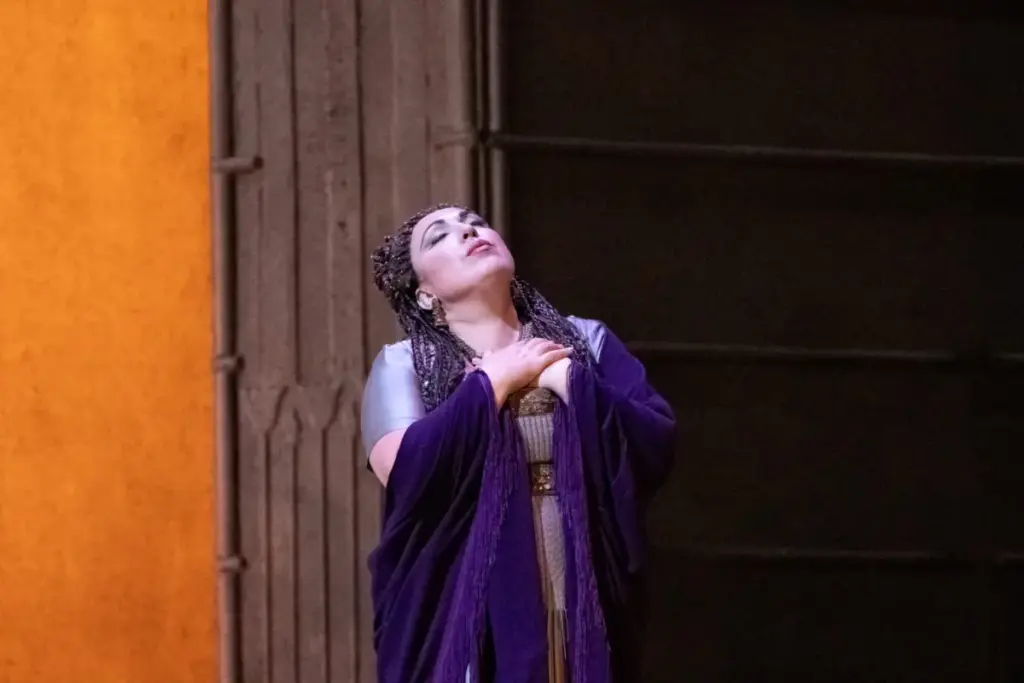
The autumn season kicks off on August 30 and 31 with Chronicle, a major collaborative work staged at LSO St Luke’s. Following its highly anticipated premiere at the Aldeburgh Festival, this multidisciplinary production arrives in London bearing immense critical expectations.
Chronicle is an intricate tapestry of sound, movement, and text that bridges centuries. At its core, the piece draws inspiration from the poetry of six Chinese women writing across a timespan of more than a millennium. This historical expanse of female literary expression is given modern breath through a collaboration between Tangram—a collective dedicated to championing Chinese music and culture in the UK—and the renowned vocal ensemble SANSARA.
Rather than treating the poetry as mere lyrical accompaniment, the creative team has built a fully immersive environment. The production combines cutting-edge new music composition with fluid choreography, theatrical staging, and striking visual design. Audiences stepping into the acoustic warmth of LSO St Luke’s will witness an intimate yet grand theatricality, where ancient reflections on love, exile, philosophy, and daily life resonate through contemporary vocal polyphony and instrumental innovation.
- Artistic Significance: Chronicle highlights the LSO’s commitment to global artistic perspectives, offering a platform to transnational narratives that are rarely explored within Western classical music spaces.
- Staging and Spatial Dynamics: LSO St Luke’s, with its architectural majesty and historic resonance, provides an ideal backdrop for a piece that demands both contemplative stillness and dynamic theatrical movement.
2. New Roots: First Light: Ayanna Witter-Johnson’s Associate Artist Residency Opener (September 16, 2026)
On September 16, the focus shifts to the deeply personal and profoundly moving artistry of cellist, singer, and composer Ayanna Witter-Johnson. Marking the official inauguration of her Associate Artist residency with the LSO, New Roots: First Light promises to be one of the most spiritually resonant concerts of the autumn calendar.
Witter-Johnson, celebrated for her virtuosic command of the cello and her soul-stirring vocal delivery, will use the performance to unveil material from her forthcoming album. Billed as an intimate live exploration of ancestry, healing, and renewal, the project delves deep into the artist’s personal history while striking universal chords regarding identity and generational continuity.
What elevates New Roots: First Light beyond a conventional singer-songwriter showcase is Witter-Johnson’s collaborative ambition. She will be joined on stage by an elite roster of contemporary literary and movement artists:
- Inua Ellams: The acclaimed poet and playwright, whose lyrical acuity and narrative depth will provide a spoken-word counterpoint to Witter-Johnson’s musical phrasing.
- Remi Ferdinand: A dynamic contemporary dancer whose choreography will physically manifest the themes of ancestral lineage and emotional release.
- Ashley Joseph: Serving as presenter, guiding the audience through the emotional and thematic arcs of the evening.
This multidisciplinary convergence transforms LSO St Luke’s into a sanctuary of storytelling, where the barriers between performer and listener dissolve entirely.
3. Trilogy: Soweto Kinch, the LSO, and André de Ridder at the Barbican (November 19, 2026)
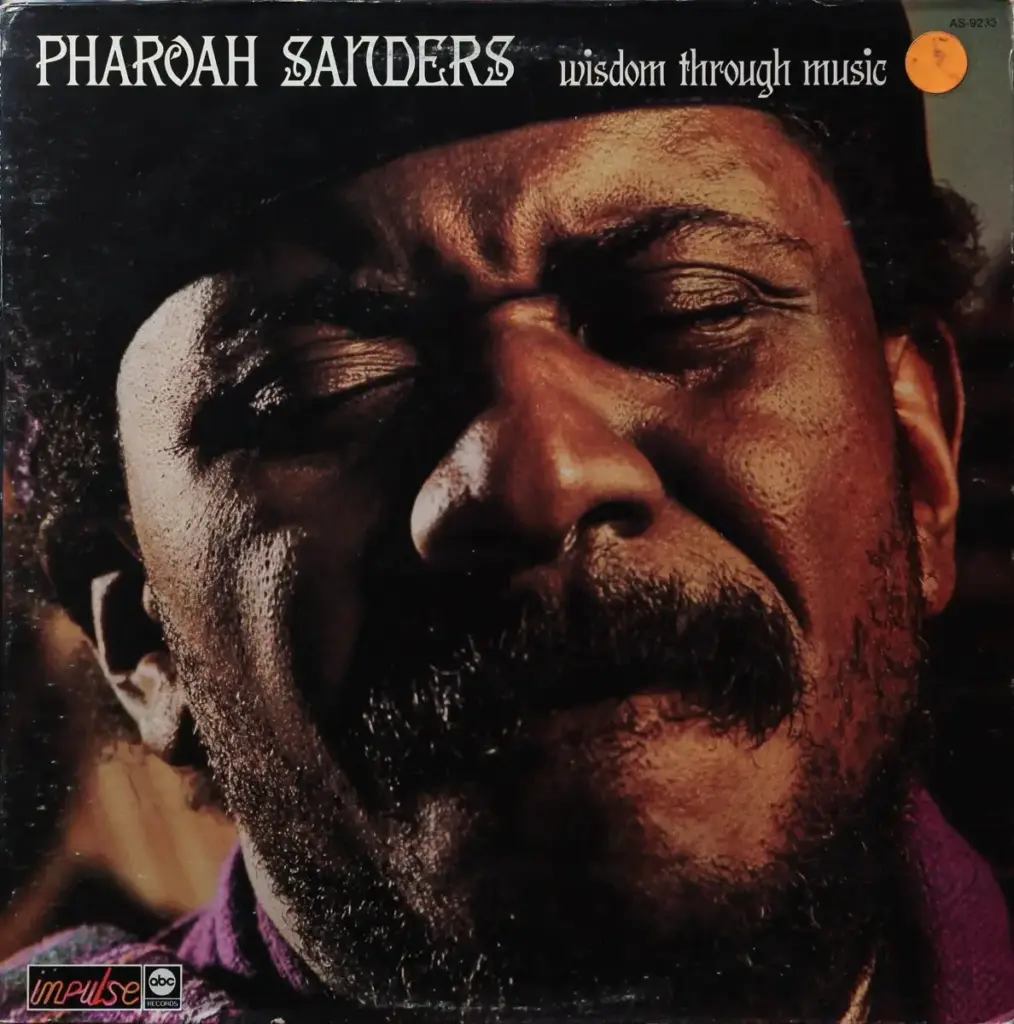
The autumn season culminates on November 19 at the Barbican with an earth-shattering musical statement: Trilogy, featuring the multi-award-winning saxophonist, composer, and MC Soweto Kinch, alongside the London Symphony Orchestra, under the dynamic baton of conductor André de Ridder.
This monumental concert brings together three major extended works by Kinch—The Black Peril, White Juju, and Soundtrack to the Apocalypse—into a single, cohesive evening-length performance. Originally conceived across different periods to address acute socio-political crises, systemic racism, and historical amnesia, Trilogy represents a towering achievement in modern orchestral jazz-fusion.
+-----------------------------------------------------------------+
|                     KIMCH'S TRILOGY STRUCTURE                   |
+-----------------------------------------------------------------+
| 1. The Black Peril        -> Examines post-WWI racial anxieties |
| 2. White Juju             -> Reflects on modern societal panic  |
|                            and structural inequality            |
| 3. Soundtrack to the      -> A prophetic, dystopian vision of   |
|    Apocalypse              contemporary global crises           |
+-----------------------------------------------------------------+
Kinch’s genius lies in his ability to seamlessly weld the complex polyrhythms and harmonic improvisations of jazz with the urgent cadence of hip-hop and the monumental sonic architecture of a full symphony orchestra. Under the expert guidance of André de Ridder—a conductor renowned for his fearless championing of contemporary and genre-bending scores—the LSO will shed its traditional acoustic restraint, matching the fiery intensity of Kinch’s saxophone and rap verses with explosive brass lines, sweeping strings, and driving percussion.
- The Venue: The Barbican’s large stage is uniquely equipped to handle the massive acoustic forces required by Trilogy, accommodating both the standard symphonic ensemble and Kinch’s jazz rhythm section.
- Cultural Impact: By tackling historical trauma and contemporary socio-political anxieties through an orchestral lens, the performance exemplifies how high-art institutions can engage directly with the pressing concerns of the modern world.
Supporting Context, Metrics, and Institutional Strategy
To fully understand the weight of the LSO’s autumn 2026 season, one must examine the broader strategic shifts occurring within the United Kingdom’s classical music sector. Over the past decade, major orchestras have faced mounting pressure to diversify their audiences, modernize their programming, and prove their relevance in a digital-first cultural landscape.
Audience Development and Demographic Shifts
Data from major UK arts consultancies indicates that multidisciplinary programming—specifically events that combine classical performance with contemporary dance, spoken word, and global musical traditions—attracts a demographic up to 35% younger than traditional symphonic subscription series. Furthermore, these collaborative projects demonstrate a higher rate of first-time attendees.
By integrating collectives like Tangram and artists like Ayanna Witter-Johnson and Soweto Kinch, the LSO is not merely checking diversity boxes; it is actively expanding its cultural footprint. Projects like Chronicle and New Roots: First Light draw in diasporic communities and younger metropolitan demographics who might otherwise view traditional classical concert halls as inaccessible or culturally detached.
The Venue Strategy: LSO St Luke’s vs. The Barbican
The clever bifurcation of the autumn season across two distinct venues highlights a sophisticated spatial strategy:
- LSO St Luke’s (Old Street): Used for the more intimate, exploratory, and boundary-pushing projects (Chronicle and New Roots). The former 18th-century Hawksmoor church offers an acoustic intimacy and architectural sanctity that encourages deep listening and contemplative engagement.
- The Barbican Hall: Reserved for massive sonic forces and high-impact spectacles like Soweto Kinch’s Trilogy. Its brutalist architecture and expansive stage capacity allow for the physical weight of a full symphony orchestra combined with amplified jazz instrumentation.
Official Statements and Artistic Vision
While formal press releases from Baxter PR and the LSO outline the logistical framework of the season, the true ethos of these projects is best understood through the philosophies of the creators driving them.
The collaboration between Tangram and SANSARA for Chronicle reflects a growing movement within British new music to de-center Eurocentric narratives. By exploring the inner lives of historical Chinese female poets through contemporary sonic idioms, the creators challenge Western audiences to listen across vast expanses of time and geography.
Ayanna Witter-Johnson’s appointment as an LSO Associate Artist and the subsequent launch of New Roots: First Light signal a deepening institutional trust in multi-hyphenate creator-performers. Speaking on her artistic vision, Witter-Johnson has consistently emphasized the cello not merely as an instrument of classical tradition, but as a vessel for vocalized emotion, storytelling, and cultural reclamation. The inclusion of Inua Ellams and Remi Ferdinand underscores that this residency will not rely on tokenistic guest spots, but rather on deep, symbiotic multidisciplinary creation.
Meanwhile, Soweto Kinch’s return to the LSO with Trilogy represents the maturation of jazz-orchestral cross-pollination. Kinch has frequently noted that orchestral music should not be treated as a museum piece, but as a living, breathing canvas capable of confronting the raw realities of history and modern life. The partnership with conductor André de Ridder—who has previously collaborated with icons like Bryce Dessner, Max Richter, and Damon Albarn—guarantees a performance executed with both rigorous classical precision and untamed creative freedom.
Future Outlook: Setting a New Standard for Orchestral Programming
As the London Symphony Orchestra looks toward the conclusion of 2026 and beyond, this autumn mini-season serves as a blueprint for the future of symphonic institutions globally. The traditional model of programming strictly canonized European masterworks alongside token contemporary novelties is no longer sufficient to sustain cultural relevance or financial resilience.
Instead, the LSO is demonstrating that the future lies in:
- Fearless Collaboration: Partnering with external collectives, independent artists, and non-classical musicians on equal terms.
- Thematic Depth: Grounding concert seasons in urgent human themes—identity, ancestry, historical memory, and social justice.
- Spatial Versatility: Utilizing diverse performance spaces to match the psychological and acoustic scale of the art being presented.
For audiences fortunate enough to secure tickets for Chronicle, New Roots: First Light, and Trilogy, the autumn of 2026 will offer a rare glimpse into what happens when historical reverence meets radical artistic imagination. The London Symphony Orchestra is not just preserving the heritage of orchestral music; it is actively writing its next chapter.
For further information, ticketing details, and performance schedules regarding the LSO’s autumn 2026 season, visit the official London Symphony Orchestra website.