
Executive Overview
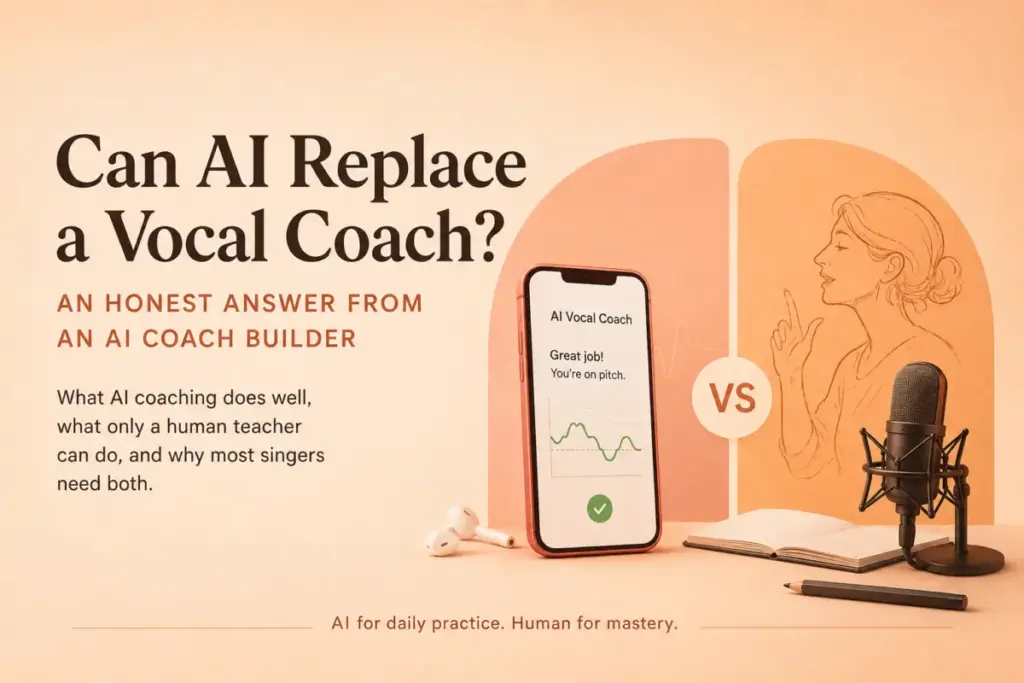
The landscape of vocal pedagogy is undergoing a profound technological transformation. For generations, aspiring singers faced a stark choice: invest in costly, one-on-one human instruction or navigate the treacherous waters of self-guided practice, which often leads to vocal strain and bad habits. The emergence of artificial intelligence (AI) vocal coaches has introduced a highly scalable, data-driven middle ground. However, as with any advanced educational technology, the efficacy of these digital tools depends entirely on user methodology.
A comprehensive analysis of user data from Singing Carrots, a prominent platform in the digital music education space, reveals a striking truth: the primary differentiator between rapid vocal improvement and skill stagnation is neither innate talent nor sheer practice volume. Instead, it is the structure, frequency, and interactive depth of the practice session.
This investigative report examines the mechanics of successful AI-assisted vocal training. By analyzing long-term user metrics, pedagogical theory, and practical implementation strategies, we outline the optimal blueprint for digital vocal practice. The findings demonstrate that a highly structured, interactive 15-to-20-minute session repeated three times a week yields vastly superior results to sporadic, marathon practice sessions. Furthermore, the integration of conversational AI interfaces allows these platforms to transition from passive feedback tools into active, adaptive coaching partners.
Detailed Chronology: The Anatomy of an Optimal AI Vocal Session
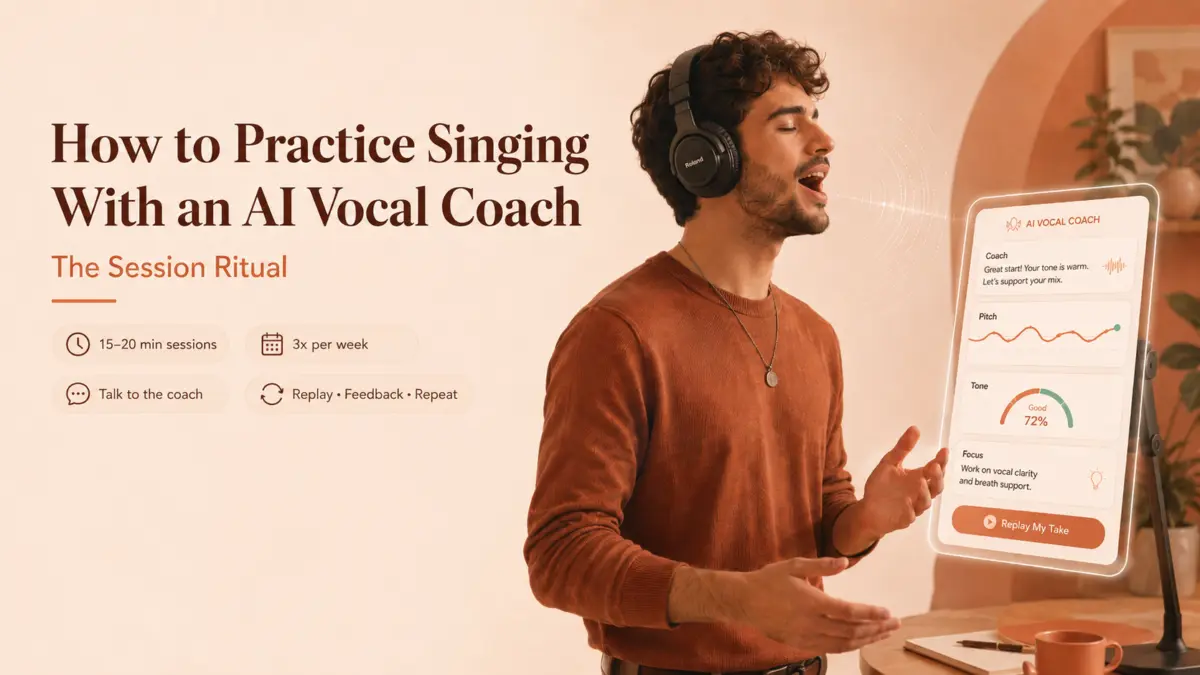
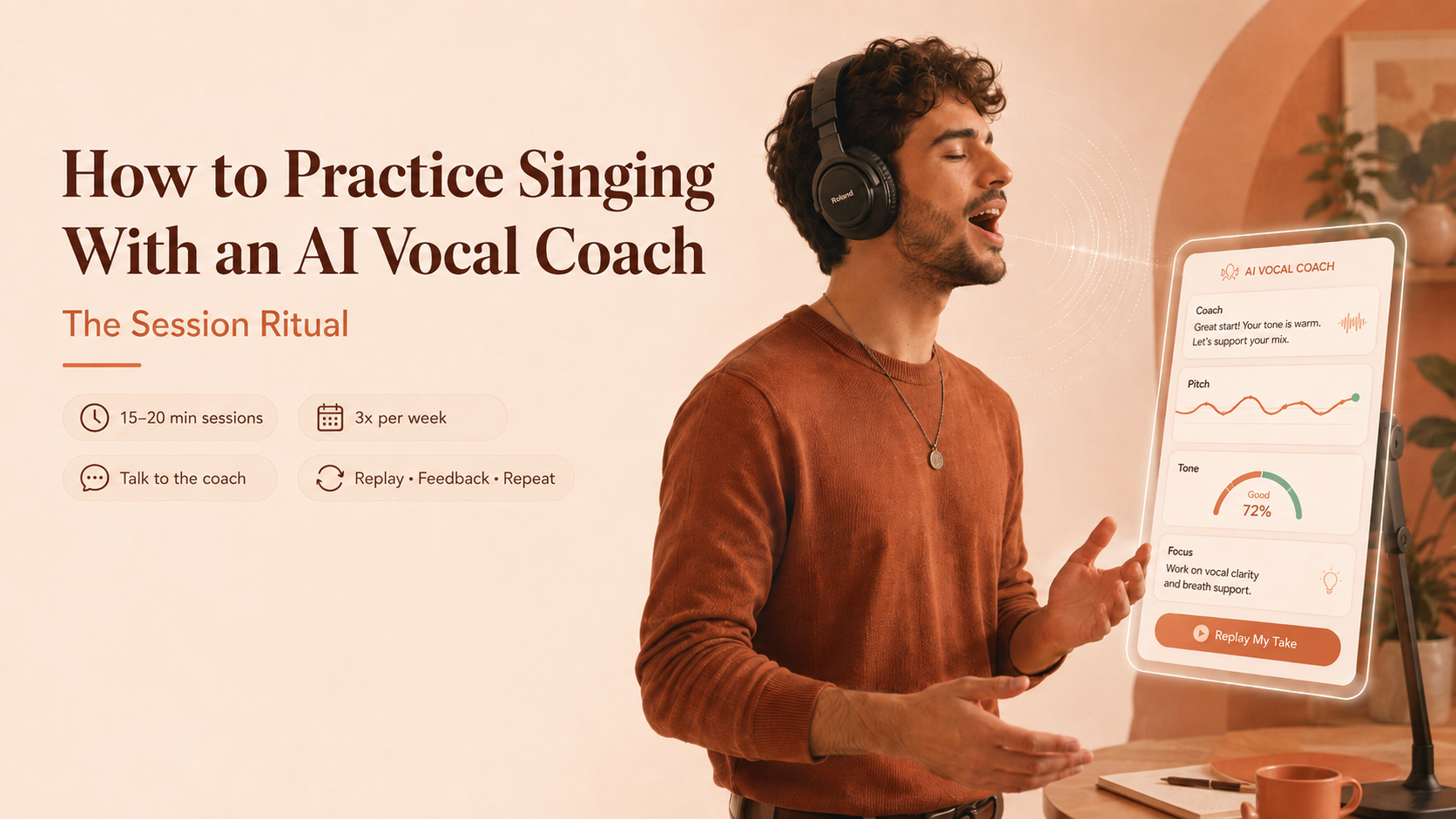
To understand how artificial intelligence facilitates physiological changes in the human vocal apparatus, one must examine the micro-steps of an optimized practice session. The data suggests that the most successful users follow a strict six-step ritual—divided into active preparation, real-time dialogue, and post-session analysis.
+-----------------------------------------------------------------------------+
|                       THE 6-STEP AI VOCAL PRACTICE RITUAL                    |
+-----------------------------------------------------------------------------+
|                                                                             |
|  [ BEFORE & DURING ]                                                        |
|  Step 1: Objective Declaration -> "Work on high notes without straining."   |
|  Step 2: Real-Time Dialogic Inquiry -> "Why are we doing this scale?"       |
|  Step 3: Dynamic Calibration -> Adjusting difficulty based on current fatigue. |
|                                                                             |
|  [ POST-SESSION (Often Skipped) ]                                           |
|  Step 4: Objective Audio Audit -> Replaying and analyzing a single take.    |
|  Step 5: Feedback Loop Integration -> Log rating and notes for the AI model.|
|  Step 6: Habitual Scheduling -> Instantly locking in the next session date. |
|                                                                             |
+-----------------------------------------------------------------------------+
Phase 1: Before and During the Session (Steps 1–3)
Step 1: Objective Declaration (The Intentional Prompt)
Before emitting a single note, the singer must establish a clear intent with the AI coach. Rather than launching directly into random warm-ups, successful users prompt the system with specific goals, such as "I want to work on my mixed voice today" or "Help me transition smoothly past my vocal break." This initial interaction allows the algorithm to customize the sequence of pitch, registration, and breath-control exercises.
Step 2: Real-Time Dialogic Inquiry
The most underutilized yet transformative feature of modern AI vocal coaches is the conversational interface. During training, highly successful singers do not practice in silence; they actively question the AI. Asking questions like "Why is this specific exercise helpful for my low register?" or "How should my jaw feel during this vowel?" prompts the system to provide immediate pedagogical context, reinforcing the cognitive understanding of vocal mechanics.
Step 3: Dynamic Calibration
Vocal cords are delicate muscle tissues subject to daily physiological fluctuations. During the active singing phase of the session, users must communicate their physical state to the AI. If an exercise feels too demanding, telling the coach to "make this exercise easier" or "lower the key" prevents vocal fatigue and reduces the risk of muscle tension dysphonia.
Phase 2: Post-Session Analysis (Steps 4–6: The Frequently Skipped Steps)
Step 4: Objective Audio Audit
Human perception of one’s own voice is notoriously distorted due to bone conduction. To bypass this, the ritual requires the singer to replay at least one recorded take from the session. Listening to the recording objectively allows the user to align their internal physical sensations with the actual acoustic output.
Step 5: Feedback Loop Integration
AI engines rely on reinforcement learning. By leaving explicit feedback at the end of a session—detailing what felt comfortable, what was too challenging, and where the user felt they excelled—the singer trains the algorithm to deliver highly personalized future lesson plans.
Step 6: Habitual Scheduling
The final step is behavioral. Rather than leaving the next practice session to chance, the user immediately schedules their next 15-to-20-minute block. This step leverages psychological trigger mechanisms to solidify practice consistency.
Supporting Context & Metrics: Why Frequency Beats Duration
The design of this practice ritual is not merely theoretical; it is supported by empirical data. In a landmark seven-month study published by Singing Carrots, researchers tracked the progress of hundreds of singers utilizing their AI Vocal Coach. The objective was to determine which variables—such as total practice time, session frequency, or user background—correlated most strongly with measurable vocal improvement.
The Semitone Gain Discrepancy
The most striking metric from the study involves range expansion, measured in semitones. The data revealed a clear threshold for skill acquisition:
- Low-Frequency Users (5 or fewer completed sessions): Experienced an average vocal range expansion of just 0.9 semitones.
- High-Frequency Users (6 or more consistent sessions): Achieved an average range expansion of 3.6 to 4.4 semitones.
VOCAL RANGE EXPANSION BY SESSION VOLUME (7-Month Study)
===================================================================
Low-Frequency (<=5 Sessions)   | [||||] 0.9 Semitones
-------------------------------------------------------------------
High-Frequency (6+ Sessions)   | [||||||||||||||||||||] 3.6 - 4.4 Semitones
===================================================================
This statistical leap highlights the compound interest effect of consistent practice. Singers who established a regular rhythm early in their training saw up to a 388% increase in range expansion compared to those who practiced sporadically.
The 3-Month Retention Metric
The study also monitored range retention. Singers who crammed their practice into occasional, lengthy sessions (e.g., one 60-minute session per week) showed significant regression when re-tested after three months of inactivity. Conversely, users who practiced for 15 to 20 minutes, three times a week, retained their range gains even after brief periods away from the platform.
This aligns with established principles of cognitive motor learning. The human larynx contains some of the fastest-reacting muscles in the body. Developing coordination in these muscles requires short, high-frequency stimulation intervals rather than prolonged, exhausting workouts that lead to compensatory muscle strain.
Official Statements: Industry Perspectives on AI and Human Integration
The rise of AI in music education has sparked intense debate among classical vocal instructors, tech developers, and musicologists. To understand how these two worlds coexist, we examine the perspectives of both pedagogical experts and software architects.
The Developer’s View: Democratization and Accessibility
Developers of AI vocal tools emphasize that their goal is not to replace human instructors, but to democratize access to vocal training. A spokesperson from Singing Carrots noted:
"The vast majority of people who want to sing better cannot afford the hundreds of dollars a month required for private lessons. Our data shows that when we provide an interactive, responsive AI interface, we aren’t just giving users exercises—we are giving them a structured habit-building environment. The conversation between the user and the coach is the single most underused tool, yet it is the one most closely linked to rapid, sustainable improvement."
The Pedagogical View: The Hybrid Practice Model
Traditional vocal coaches are increasingly embracing AI as a powerful supplementary tool. Rather than viewing the technology as a competitor, progressive educators use it to solve the "between-lesson gap."
Historically, a student would take a weekly 60-minute lesson, only to practice incorrectly at home for the remaining six days, cementing poor habits. By leveraging custom-instruction fields within AI platforms, students can bridge this gap.
THE HYBRID PRACTICE MODEL
+-----------------------------------------------------------------+
|                      HUMAN VOCAL INSTRUCTOR                     |
|  - Diagnoses complex physiological and artistic issues          |
|  - Sets specific practice goals and technical instructions       |
+-----------------------------------------------------------------+
                                |
                                v (Instructions entered into AI)
+-----------------------------------------------------------------+
|                         AI VOCAL COACH                          |
|  - Guides daily 15-20 minute sessions                           |
|  - Enforces correct pitch, rhythm, and structural pacing        |
|  - Prevents bad habits and vocal strain between lessons         |
+-----------------------------------------------------------------+
Under this hybrid framework, the human teacher remains the master architect of the singer’s voice, while the AI acts as a persistent, daily supervisor, ensuring that the student executes the teacher’s instructions with precision.
Future Outlook: The Next Frontier of Voice Technology
As artificial intelligence models evolve, the capabilities of AI vocal coaches will expand far beyond basic pitch detection and text-based feedback. Several emerging technologies are poised to redefine the digital practice room over the next three to five years.
Real-Time Physiological Modeling
Future iterations of AI vocal coaches will likely integrate computer vision and consumer-grade wearable sensors. By analyzing a singer’s posture, jaw tension, and shoulder movement via a standard smartphone camera, the AI will be able to offer real-time physical adjustments, such as: "I notice your shoulders rising on your high notes; focus on keeping your chest relaxed and breathing lower into your abdomen."
Multi-Modal Acoustic Analysis
Current AI coaches primarily analyze pitch and basic volume. The next generation of algorithms will assess complex acoustic properties such as vocal tract resonance (formants), vibrato rate, glottal closure, and subglottic pressure. This will allow the AI to offer highly nuanced feedback on tone quality, helping singers transition seamlessly between classical operatic resonance and contemporary belt styles.
Generative, Hyper-Personalized Warm-ups
Instead of relying on pre-recorded audio tracks, future AI systems will generate custom vocalizes on the fly. If the algorithm detects that a singer’s voice is slightly flat in the middle register on a Tuesday morning, it will instantly compose a unique series of exercises designed to correct that specific physiological imbalance in real time.
Ultimately, the democratization of voice science through AI means that elite vocal training is no longer confined to prestigious conservatories. By understanding the physics of the voice and adhering to a structured, interactive, and consistent practice ritual, anyone with an internet connection can unlock the full potential of their instrument.