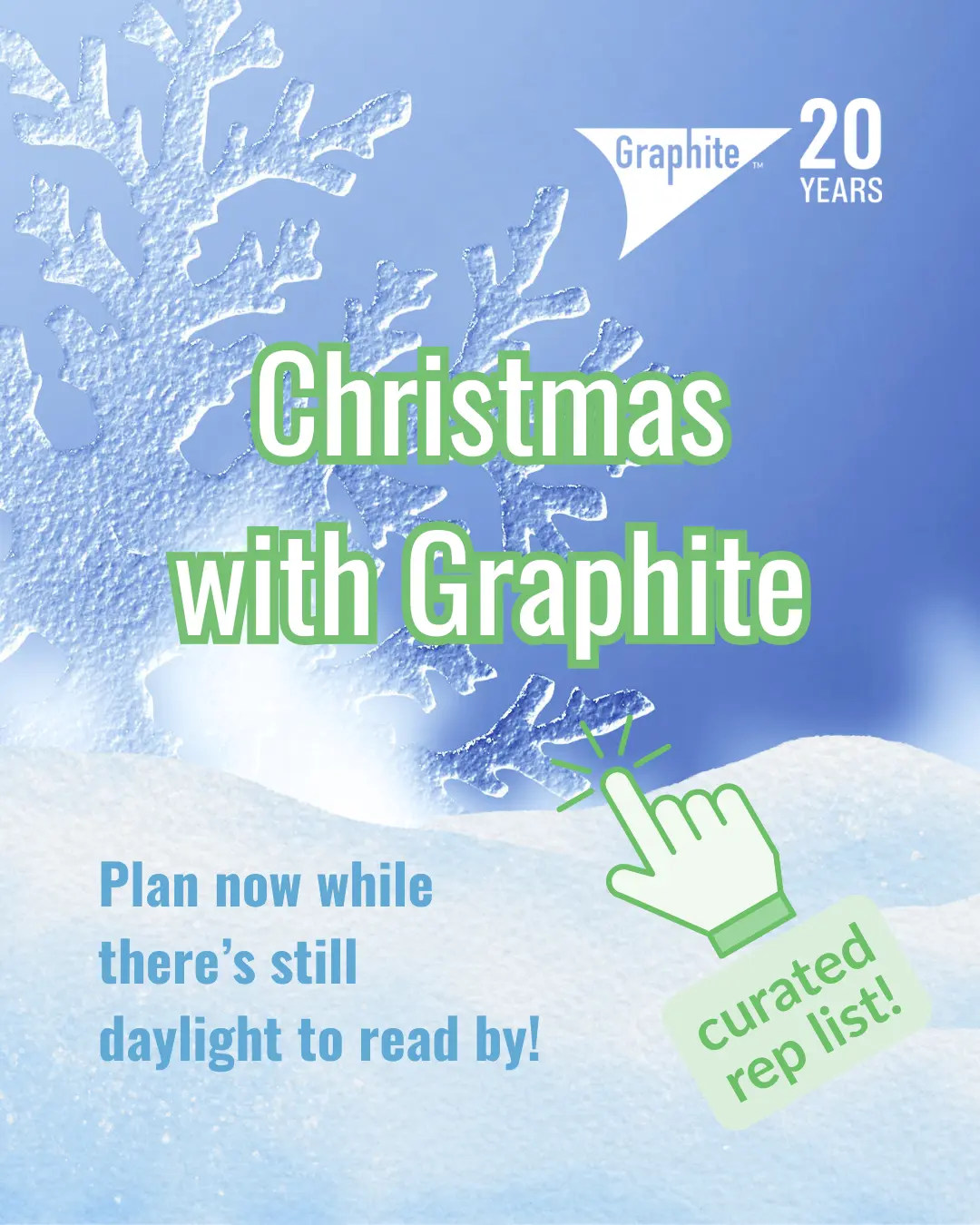
While high summer temperatures persist across much of the Northern Hemisphere in late August, an essential operational transformation takes place within the global performing arts sector. Choral directors, university music faculties, and community ensemble leaders quietly initiate the complex logistics of winter performance planning. On August 20, 2026, independent publisher Graphite Publishing released its annual seasonal catalog update, signaling the formal opening of the holiday score procurement period for the 2026–2027 performance calendar.
The early announcement underscores a fundamental operational reality of the music industry: high-caliber choral performances require four to six months of preparatory lead time. Behind the scenes of December’s candlelit processional concerts lies a multi-tiered supply chain involving composer commissions, copyright licensing, editorial curation, digital distribution, and intensive seasonal rehearsal schedules.
Graphite Publishing’s 2026 winter catalog update—promoted alongside its flagship digital publication, Take Note, and multi-platform media resources—highlights a broader paradigm shift within vocal music publishing. Moving beyond conventional Victorian carols and standard seasonal fare, modern holiday programming increasingly favors eclectic stylistic palettes, incorporating driving polyrhythms, unconventional percussion instrumentation, and contemplative, meditative text settings. Furthermore, as Graphite Publishing marks two decades of operation since its founding in 2006, its digital-first infrastructure exemplifies how contemporary independent publishers leverage audio streaming ecosystems and interactive perusal scores to streamline repertoire selection for conductors worldwide.
Detailed Chronology
The rollout of seasonal repertoire follows a strict annual timeline designed to align composer outputs with ensemble preparation constraints. The lifecycle of a holiday choral work, from conceptualization to concert stage, unfolds across a structured multi-month cadence.
+-----------------------------------------------------------------------------------------+
|                                ANNUAL PROGRAMMING LIFECYCLE                             |
+--------------------------+--------------------------+-----------------------------------+
| JAN – MAY                | JUNE – JULY              | AUGUST                            |
| Repertoire Curation &    | Recording, Editing &     | Formal Catalog Launch &           |
| Submission Review        | Media Compilation        | Repertoire Distribution           |
+--------------------------+--------------------------+-----------------------------------+
| SEPT – NOV               | DECEMBER                 | JAN (NEXT YEAR)                   |
| Ensemble Rehearsals &    | Concert Season           | Archival & Next Cycle             |
| Score Procurement        | Executions               | Conceptualization                 |
+--------------------------+--------------------------+-----------------------------------+
Phase I: Repertoire Curation and Editorial Selection (January – May)
The editorial process for winter compositions begins early in the calendar year. Independent composers submit manuscripts to publishers for peer review and editorial assessment. During this phase, publishers evaluate pieces not only for artistic integrity and vocal craftsmanship but also for practical feasibility across diverse performance settings, ranging from academic chambers to liturgical choirs.
Phase II: Media Production and Audio Curation (June – July)
Once scores are accepted, engraved, and licensed, publishers prepare multimedia support materials. In July 2026, Graphite Publishing compiled its annual promotional feature on its Take Note publishing platform. Simultaneously, studio reference recordings were curated into digital streaming platforms, culminating in tailored promotional tools such as the Snowfall and Starlight playlist on Spotify, which allows ensemble directors to evaluate full audio renditions prior to purchasing physical or digital octavos.
Phase III: The Mid-August Industry Launch (August 20, 2026)
Graphite Publishing officially issued its seasonal release announcement on August 20, 2026, directing conductors to its online score repository and specialized holiday listings. This period serves as the critical window for ensemble leaders to finalize concert themes, purchase print licenses, and order physical vocal scores before the commencement of autumn academic terms.
Phase IV: Procurement and Rehearsal Cycles (September – November)
Upon score acquisition in early autumn, ensembles enter an intensive 10- to 12-week rehearsal period. Conductors utilize audio references and perusal materials distributed during the August rollout to guide vocal sectionals, master rhythmic structures, and finalize instrumental accompaniment logistics.
Phase V: Performance Execution (December)
The process culminates in December, when winter concert programs are presented publicly. Concurrently, publishers archive performance data and analyze purchasing trends to inform the subsequent year’s commissioning strategies.
Supporting Context & Metrics
The timing of August repertoire releases is driven by operational and economic factors inherent to vocal ensemble management. The logistics of coordinating music distribution, rehearsal schedules, and public performances demand systematic planning months in advance.
===================================================================================
                       CHORAL PROGRAMMING OPERATIONAL METRICS
===================================================================================
  Metric                                Value / Lead Time
-----------------------------------------------------------------------------------
  Average Preparation Lead Time:        16 to 22 Weeks
  Peak Repertoire Selection Window:     August 15 – September 15
  Standard Rehearsal Allocation:        24 to 36 Total Hours (Over 3 Months)
  Digital Delivery Adoption Rate:       68% of Total Independent Score Sales
  Primary Style Diversification Index:  3 Core Textural Pillars:
                                        • Polyrhythmic/Percussive
                                        • Reflective/Meditative
                                        • Traditional/Stylistic Fusion
===================================================================================
Institutional Lead Times and Budget Cycles
Academic, municipal, and professional choirs typically operate under rigid fiscal and academic calendars. Budget allocations for sheet music purchases are generally unlocked at the start of the fiscal year (often July 1 or September 1). Furthermore, ensemble directors require significant lead time to evaluate vocal ranges (tessitura), accompaniment demands, and language requirements before distributing physical scores to choristers at the first September rehearsals.
Stylistic Diversification in Contemporary Repertoire
Analysis of recent repertoire trends reveals a shift away from standard holiday arrangements toward works featuring expanded instrumentation and diverse poetic sources. The 2026 Graphite winter listings highlight three distinct textural pillars currently dominating contemporary choral programming:
Dynamic and Rhythmic Works: Compositions utilizing hammering drums, frame percussion, and syncopated time signatures that energize the traditional holiday concert opening or finale.
Reflective Soundscapes: Minimalist, ambient, and highly harmonic works that emphasize theme-based meditation, secular winter imagery, and light-centered motifs suitable for solstice-focused programming.
Inclusive Seasonal Texts: A growing movement toward multicultural and secular winter poetry, allowing public school and secular university choirs to navigate non-sectarian programming requirements without compromising artistic depth.
The Rise of Digital-First Music Publishing
The conventional model of choral publishing relied heavily on physical sample octavos shipped through direct mail. Over the past two decades—coinciding with Graphite Publishing’s 20-year history—the industry has largely transitioned to digital score perusals and streaming integration.
Historical Model (Pre-2010)
Modern Digital Model (2026)
Physical mailings of printed sample score booklets
Digital score perusal systems embedded on web platforms
Audio demos distributed via CD samplers
Direct integration with Spotify playlists and YouTube video scores
Print-on-demand with multi-week shipping delays
Instant digital downloading and site-licensing permissions
Regional catalog exposure
Instant global accessibility for international conductors
Official Statements
The seasonal transition into winter music planning prompts reflection from industry leaders, publishers, and choral practitioners on the changing landscape of repertoire distribution.
In an official public communication accompanying the catalog launch, Graphite Publishing emphasized the foresight required by ensemble leadership during the late-summer transition:
"If you’re like us, you’re already planning for the fall—which includes forgotten words such as ‘Christmas,’ ‘holiday,’ ‘cold,’ and ‘winter.’ Here at Graphite, we are happy to make your planning a little easier by suggesting some fresh repertoire. The pieces featured offer a wide variety of styles, including joyfully dancing rhythms, hammering drums, and reflective meditation."
Musicologists and industry analysts note that this proactive outreach reflects a mature digital publishing strategy designed to lower friction for conductors under tight seasonal deadlines. Commenting on the strategic importance of mid-August catalog releases, Dr. Aris Thorne, Senior Research Fellow at the Institute for Choral Innovation, observed:
"The modern choral conductor is no longer merely choosing songs; they are curating a comprehensive audio-visual experience. When an independent publisher provides high-fidelity streaming playlists like ‘Snowfall and Starlight’ alongside synchronized score videos, they reduce the administrative friction of programming. A director can move from initial discovery to purchasing a site license in a matter of minutes, which is vital when operating under strict autumn production deadlines."
Reflecting on the evolution of holiday programming over the publisher’s 20-year history, Elena Ramos, Director of Choral Activities at the Midwest Vocal Conservatory, highlighted the shift in repertoire expectations:
"Two decades ago, a December concert program was largely predictable. Today, audiences and choristers demand dynamic contrasts—we need the high-energy impact of driving rhythm and world percussion juxtaposed against deeply introspective, quiet acoustic spaces. Independent catalogs are currently leading the way in providing works that satisfy both technical rigor and artistic freshness."
Future Outlook
As the vocal music industry looks toward the next decade, the methodologies governing seasonal repertoire production and procurement will continue to evolve alongside digital technologies and changing cultural paradigms.
Digital Licensing and Flexible Distribution Models
The traditional print-only sales model is increasingly being augmented by cloud-based subscription services and flexible site-licensing frameworks. Educational institutions and community organizations are seeking copyright arrangements that allow for legally compliant digital tablets usage in rehearsals, remote rehearsal track integration, and live-streaming performance permissions. Independent publishers that offer flexible digital rights management (DRM) options are positioned to capture an expanding share of the global ensemble market.
Blended and Inclusive Concert Curations
The traditional "Christmas Concert" is undergoing continuous thematic expansion. Conductors are increasingly constructing programs around broader, universal themes—such as celestial light, peace, environmental stewardship, and winter solstice reflections—that allow for the inclusion of varied sacred and secular traditions. This shift enables ensembles to engage broader community demographics while maintaining rich musical standards.
Data-Driven Repertoire Discovery
The integration of algorithmic curation and streaming analytics is changing how publishers spot emerging composition trends. By analyzing listening metrics on curated playlists like Snowfall and Starlight, publishers can gain real-time insight into which textural styles, vocal arrangements, and instrumentation setups resonate most strongly with conductors during the crucial August-to-October procurement window. This data-driven feedback loop promises to refine commissioning strategies, ensuring that future seasonal catalogs remain responsive to the evolving needs of the global choral community.