
ROME AND THE VATICAN — Marking a monumental milestone in the global calendar of classical and liturgical music, organizers have officially unveiled the program for the 25th edition of the Festival Internazionale di Musica e Arte Sacra. Set to unfold across four days—from November 21 to November 24, 2026—this silver jubilee edition promises to cement the festival’s enduring legacy as one of the world’s preeminent celebrations of sacred art, history, and transcendent vocal and instrumental performance.
Taking place within some of the most hallowed architectural and spiritual sanctuaries in Rome and Vatican City, the 2026 festival brings together legendary maestros, world-renowned orchestras, peerless choral ensembles, and an elite roster of international soloists. From the towering grandeur of St. Peter’s Basilica to the intimate, ornate acoustics of historic Roman churches, this year’s line-up is curated to reflect both historical reverence and contemporary interpretive brilliance.
Executive Overview: A Silver Milestone in Sacred Spaces
For a quarter of a century, the Festival Internazionale di Musica e Arte Sacra has served as a cultural bridge connecting historical sacred compositions with modern audiences, all within the breathtaking backdrop of Vatican City and Rome’s historic basilicas. As the festival enters its 25th year, its mission remains steadfast: to explore the profound intersections of faith, humanity, and high art through the universal language of classical music.
The 2026 edition is distinguished not only by its milestone anniversary but also by the extraordinary caliber of its participating artists. Opening with an eagerly anticipated collaboration between maestro Riccardo Muti and the legendary Wiener Philharmoniker, the festival spans centuries of sacred composition—from Wolfgang Amadeus Mozart and Claudio Monteverdi to lesser-known masterworks of the 19th and 20th centuries.
By utilizing iconic architectural marvels as its stages, the festival offers an immersive, multi-sensory experience where acoustic resonance and sacred architecture merge into a singular, deeply spiritual event. This comprehensive preview details the day-by-day chronology, examines the historical and cultural significance of the featured works, and highlights the institutional framework driving this landmark silver anniversary.
Detailed Chronology: Day-by-Day Festival Guide
Day 1: Saturday, November 21, 2026 – Grand Openings and Historic Echoes
The 25th-anniversary edition commences on November 21 with a dual opening that sets an exceptionally high artistic standard for the festival.
1. The Inaugural Masterpiece: Riccardo Muti and the Wiener Philharmoniker
- Performance Date: November 21, 2026
- Artists: Riccardo Muti (Conductor), Wiener Philharmoniker, Rosa Feola (Soprano), Nina van Essen (Mezzo-Soprano), Giovanni Sala (Tenor), Alexander Grassauer (Bass)
- Repertoire: W.A. Mozart – Messa dell’incoronazione (Coronation Mass) in C major, K. 317; W.A. Mozart – Ave Verum Corpus in D major, K. 618
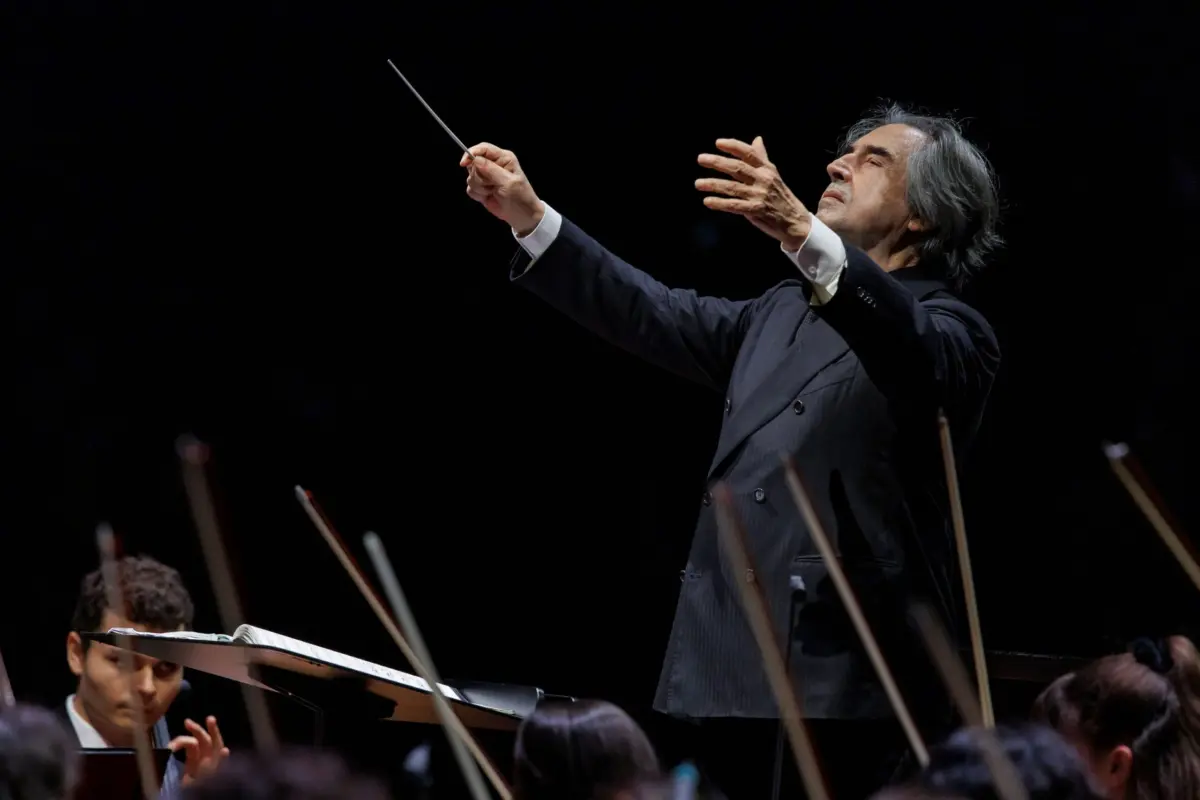
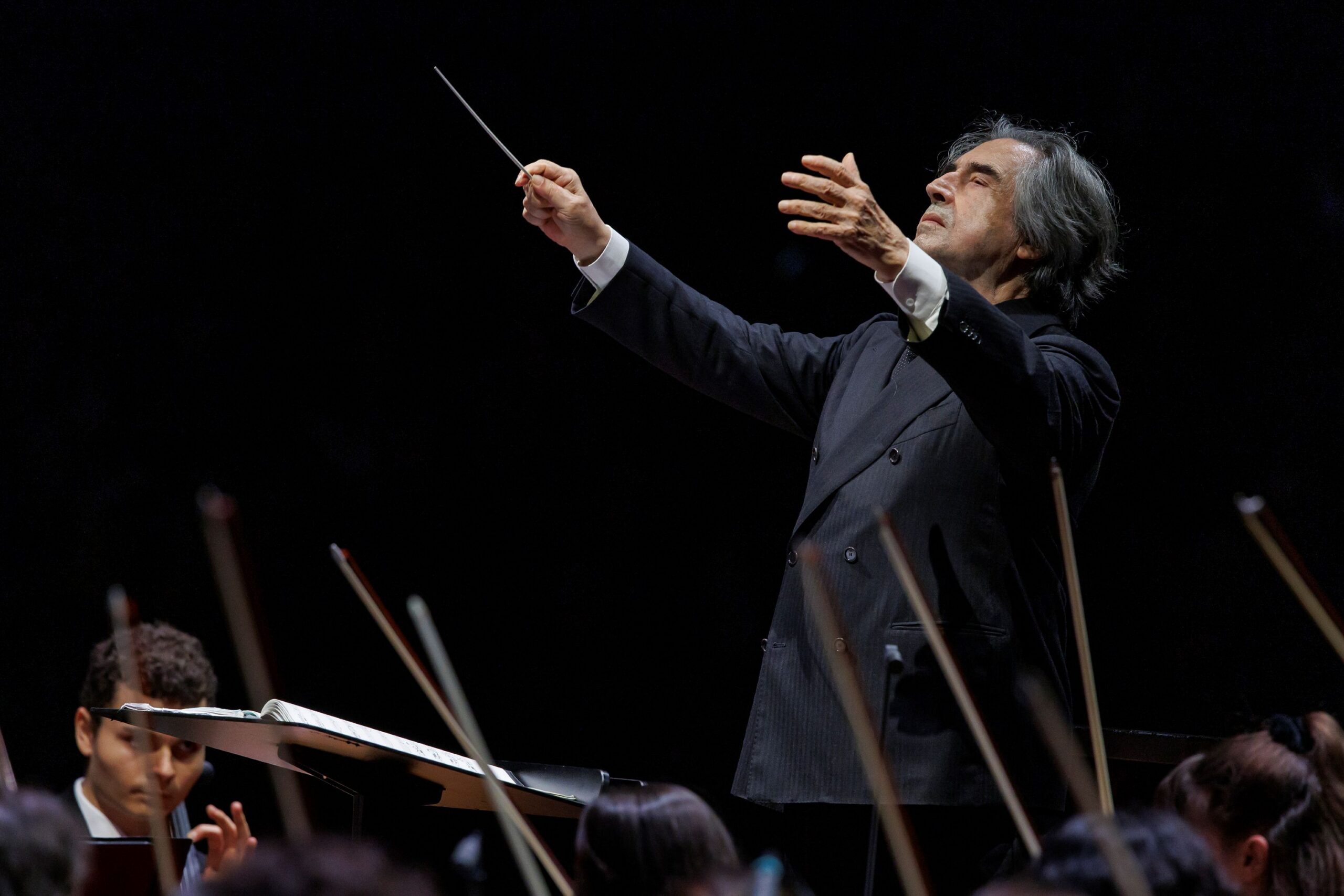
The festival’s inaugural evening is nothing short of historic. Maestro Riccardo Muti, one of the most revered conductors of our era, takes the podium to lead the world-renowned Wiener Philharmoniker (Vienna Philharmonic). The program is anchored by Wolfgang Amadeus Mozart’s luminous Coronation Mass (K. 317), a masterwork of classical sacred music known for its majestic choral writing, soaring lyrical lines, and profound theological depth. Composed in Salzburg in 1779, the mass balances courtly elegance with intimate devotion.
The concert will also feature Mozart’s sublime motet Ave Verum Corpus (K. 618). Though modest in scale—running just over 46 measures—this late-career masterpiece is widely regarded as one of the most emotionally devastating and harmonically pure expressions of Christian faith ever set to paper.
Muti is joined by a stellar quartet of vocal soloists:
- Rosa Feola (Soprano), whose crystalline tone and expressive nuance have graced the world’s leading opera houses, including Teatro alla Scala and the Metropolitan Opera.
- Nina van Essen (Mezzo-Soprano), celebrated for her rich timbre and commanding stage presence.
- Giovanni Sala (Tenor), a rising star renowned for his stylistic agility and lyrical warmth.
- Alexander Grassauer (Bass), bringing sonic anchor and resonant gravitas to the ensemble.
2. 19th- and 20th-Century Sacred Exploration: The Guillou Consort
- Performance Date: November 21, 2026
- Venue: Basilica Papale di San Pietro (St. Peter’s Basilica), Vatican City
- Artists: The Guillou Consort
- Repertoire: 19th- and 20th-century sacred music repertoire
Simultaneously, within the awe-inspiring expanses of the Basilica Papale di San Pietro in the Vatican, The Guillou Consort will present an afternoon/evening program dedicated to sacred music from the 1800s and 1900s. Known for their virtuosic interpretations and deep respect for liturgical context, the ensemble will explore how nineteenth-century Romanticism and twentieth-century modernism reinterpreted sacred forms. Performing inside St. Peter’s Basilica provides a peerless acoustic and spiritual framework for these later-era masterworks, highlighting the evolution of sacred composition away from classical restraint toward expansive emotional expression.
Day 2: Sunday, November 22, 2026 – Choral Splendor at St. Paul Outside the Walls
- Performance Date: November 22, 2026
- Venue: Basilica Papale di San Paolo fuori le Mura (Basilica of Saint Paul Outside the Walls)
- Artists: Coro dell’Escolanía del Escorial, José María Abad Bolufer (Conductor)
- Repertoire: Traditional and contemporary sacred choral music
On Sunday, November 22, the festival moves to the majestic Basilica Papale di San Paolo, one of Rome’s four ancient patriarchal basilicas. The vast nave and stunning golden mosaics of the basilica will resonate with the pristine harmonies of the Coro dell’Escolanía del Escorial from Spain.
Under the expert baton of conductor José María Abad Bolufer, the choir will present an intensive program of sacred music. Rooted in the rich choral traditions of the Spanish Renaissance and later centuries, the Escolanía del Escorial is internationally famed for its pristine vocal blending, ethereal treble tones, and rigorous stylistic discipline. This performance promises to offer a moment of profound meditative reflection within one of Christendom’s most storied shrines.
Day 3: Monday, November 23, 2026 – Baroque Brilliance with the Oxford Philharmonic
- Performance Date: November 23, 2026
- Artists: Oxford Philharmonic Orchestra and Choir, Marios Papadopoulos (Conductor)
- Repertoire: Claudio Monteverdi – Il Vespro della Beata Vergine (1610)
The festival’s third day shifts decisively into the early Baroque era with a performance of monumental proportions. Conductor Marios Papadopoulos leads the Oxford Philharmonic Orchestra and Choir in a presentation of Claudio Monteverdi’s revolutionary 1610 masterwork, Il Vespro della Beata Vergine (Vespers of the Blessed Virgin).
Monteverdi’s Vespers stands as a monumental bridge between Renaissance polyphony and the theatrical innovations of the early Baroque. Requiring massive vocal forces, double choirs, virtuoso instrumental obbligatos, and continuous shifts in texture and mood, the work is both an exercise in sonic architecture and an intensely dramatic spiritual journey. The collaboration between Papadopoulos, a celebrated champion of large-scale masterworks, and the Oxford Philharmonic guarantees a reading of immense intellectual rigor and emotional power.
Day 4: Tuesday, November 24, 2026 – Austrian Mastery and Closing Resonance
- Performance Date: November 24, 2026
- Venue: Chiesa di Sant’Ignazio di Loyola
- Artists: Stiftsmusik St. Peter, Ekaterina Krasko (Soprano), Peter Peinstingl (Conductor)
- Repertoire: Sacred masterworks from the Austrian choral tradition
The 25th Festival Internazionale di Musica e Arte Sacra draws its official close on November 24, 2026, at the breathtaking Chiesa di Sant’Ignazio di Loyola. Famed for its spectacular trompe-l’œil ceiling frescoes by Andrea Pozzo, the church provides a visually and acoustically stunning environment for the festival’s finale.
The concluding concert features Stiftsmusik St. Peter—the historic musical institution of the Archabbey of St. Peter in Salzburg—performing alongside soprano Ekaterina Krasko under the direction of conductor Peter Peinstingl. Bringing together Austrian monastic musical traditions with contemporary performance excellence, this closing program will celebrate the enduring vitality of sacred music, offering a fittingly contemplative and transcendent conclusion to the silver jubilee celebrations.
Supporting Context & Metrics: The Cultural Footprint of the Festival
To understand the magnitude of the 25th edition, one must examine the operational and cultural metrics that have sustained the Festival Internazionale di Musica e Arte Sacra over the past two and a half decades.
Architectural Synergy and Acoustics
Unlike standard concert halls, the venues utilized by the festival—St. Peter’s Basilica, the Basilica of Saint Paul Outside the Walls, and the Church of Saint Ignatius of Loyola—impose unique acoustic and logistical demands on performers. With reverberation times often exceeding six to eight seconds, musicians must adapt their articulation, tempo, and phrasing to ensure clarity within these vast marble caverns. This acoustic challenge transforms every performance into a site-specific creation, where the architecture actively participates in the music.
Global Outreach and Audience Demographics
Over 25 years, the festival has welcomed hundreds of thousands of attendees from across the globe, uniting musicologists, pilgrims, tourists, and classical music aficionados. By maintaining a policy of accessibility—frequently offering free admission to many of its events in houses of worship—the festival democratizes access to elite-tier classical performance, reinforcing Rome’s status as a living museum and active cultural capital.
Future Outlook: Looking Beyond the Silver Jubilee
As the Festival Internazionale di Musica e Arte Sacra looks toward November 2026, its organizers are already laying the groundwork for the next quarter-century. In an era marked by rapid digitalization and shifting cultural consumption habits, the festival proves that live, acoustic performance within sacred spaces retains a vital, irreplaceable role in human society.
The 25th edition serves as both a retrospective celebration of past triumphs—such as historic past appearances by leading international orchestras and historic collaborations with the Pontifical musical establishment—and a bold statement of artistic renewal. By pairing legendary figures like Riccardo Muti with specialized early music ensembles like the Oxford Philharmonic and the Guillou Consort, the festival ensures that the sacred canon continues to evolve, inspire, and challenge new generations of listeners.
Summary of Key Performance Dates at a Glance:
- November 21, 2026: Riccardo Muti & Wiener Philharmoniker (Mozart Coronation Mass) / The Guillou Consort (St. Peter’s Basilica)
- November 22, 2026: Coro dell’Escolanía del Escorial, cond. José María Abad Bolufer (Basilica of St. Paul)
- November 23, 2026: Oxford Philharmonic Orchestra & Choir, cond. Marios Papadopoulos (Monteverdi Vespers)
- November 24, 2026: Stiftsmusik St. Peter, Ekaterina Krasko, cond. Peter Peinstingl (Chiesa di Sant’Ignazio di Loyola)
Ticket allocation, seating guidelines, and liturgical access details for the November 2026 events will be released through the official festival channels in the coming months. As anticipation builds, the global classical music community turns its eyes toward Rome, where faith and art will once again speak with one voice.