For decades, the cultural architecture of American Christian music has been intrinsically tied to specific geographical footprints. Stereotypically, the heartbeat of the genre has been imagined in the sprawling expanse of the Bible Belt, within rural southern communities, or inside the packed, cavernous mega-arenas of Middle America. Yet, a monumental cultural shift is currently underway, and its epicenter is not Nashville, Atlanta, or Dallas—it is the heart of Los Angeles.
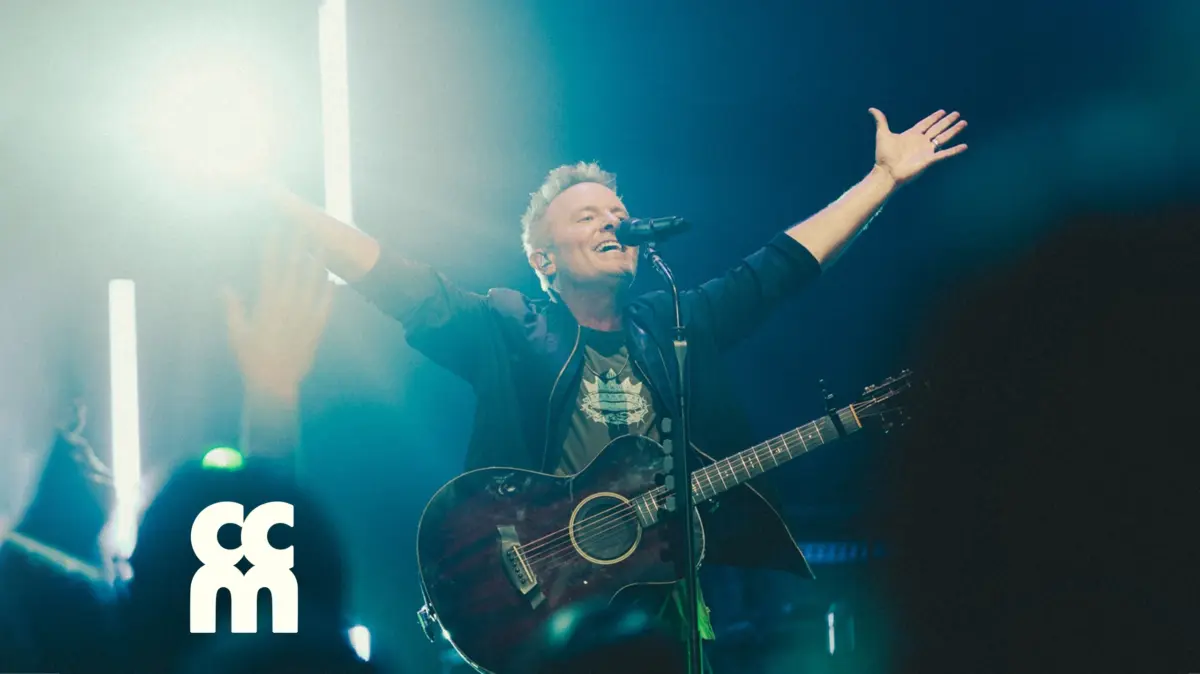
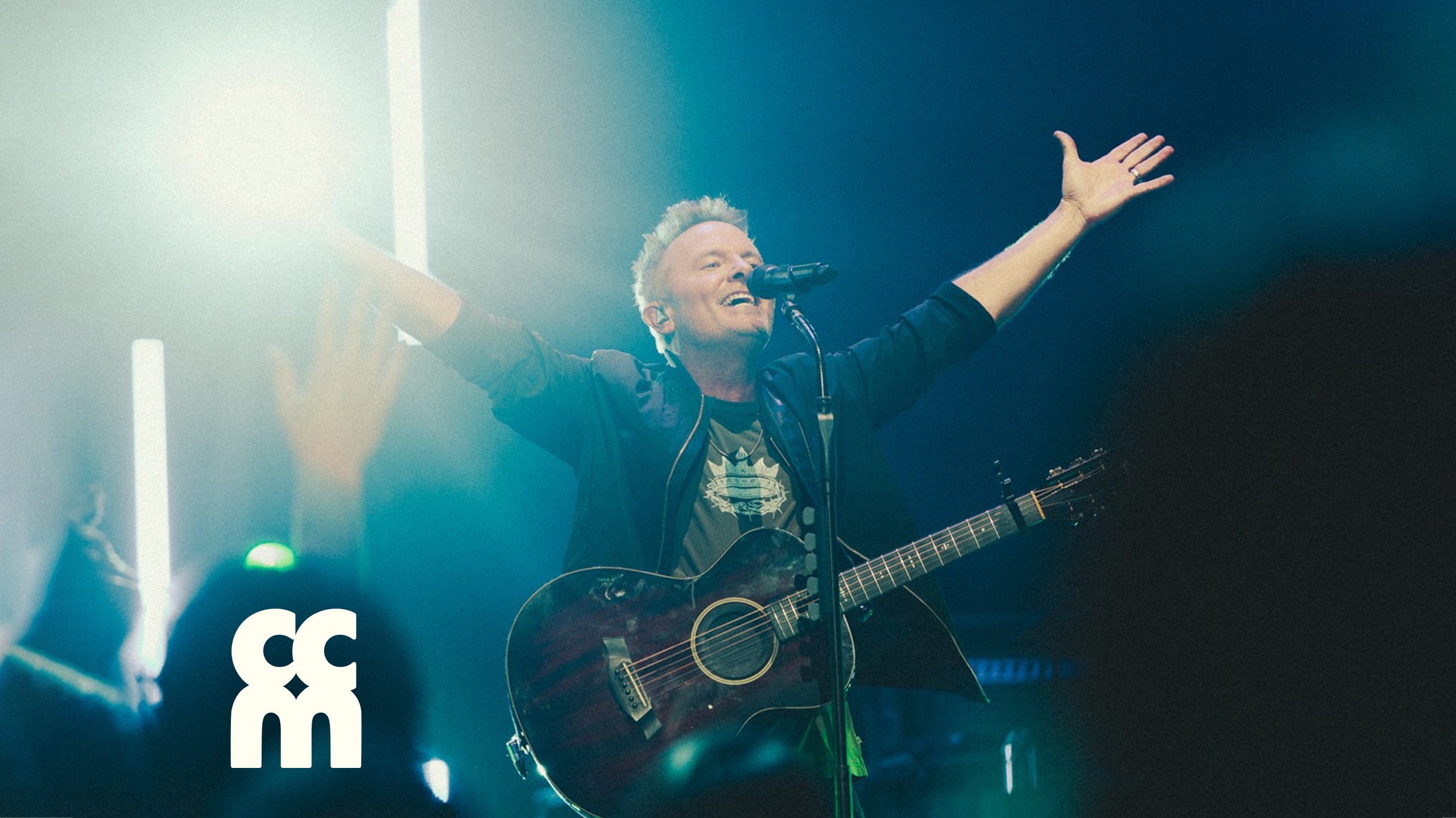
Grammy Award-winning artist and worship leader Chris Tomlin has officially achieved a rare and historic milestone: his upcoming Worship Under the Stars 2026 tour stop at the legendary Greek Theatre has completely sold out. This milestone is far more than a standard commercial success for a touring artist; it represents a watershed moment for contemporary Christian music (CCM) within the global capital of secular entertainment, media, and pop culture.
Bringing thousands of believers together under the Southern California night sky, Tomlin’s sold-out engagement at the Greek Theatre highlights the surging, borderless appeal of modern worship. Historically, secular entertainment hubs like Los Angeles have proven challenging terrain for faith-based artists aiming to fill iconic venues traditionally reserved for rock icons, pop royalty, and countercultural legends. However, Tomlin’s feat shatters outdated demographic assumptions. It proves that the yearning for collective, transcendent spiritual experiences transcends regional boundaries, finding a vibrant, deeply engaged audience just miles from the heart of Hollywood.
This comprehensive report examines the cultural gravity of Tomlin’s achievement, analyzing the venue’s historic relationship with faith-based performances, exploring the operational philosophy behind the Worship Under the Stars tour, and evaluating the broader implications of Christian music’s expanding footprint in metropolitan media capitals.
Detailed Chronology: The Road to a Historic L.A. Sellout
To truly understand the magnitude of the 2026 sellout at the Greek Theatre, one must trace the convergence of Chris Tomlin’s decades-long career, the strategic vision behind his outdoor tour curation, and the venue’s selective history regarding faith-based events.
The Evolution of Worship Under the Stars
The conceptual framework for Worship Under the Stars was never designed to mirror the traditional, indoor arena-rock production model that dominates modern touring. Instead, Tomlin and his production teams envisioned an organic, immersive environment that synthesizes natural beauty with communal worship. The core premise is brilliantly simple yet profoundly impactful: gather believers and seekers alike in some of the nation’s most visually breathtaking outdoor settings to worship beneath the night sky, celebrating the Creator while physically enveloped by His creation.
Outdoor venues offer a unique sensory dimension that enclosed arenas simply cannot replicate. The open-air acoustic profile, the shifting twilight, and the canopy of stars naturally foster a contemplative, expansive atmosphere. However, finding venues that successfully marry massive scale with intimate acoustics is a formidable challenge for any tour promoter. The historic Greek Theatre in Los Angeles sits comfortably on a very short, elite list of spaces capable of achieving this delicate balance. Nestled within the picturesque canyons of Griffith Park, the venue offers an enchanting, secluded ambiance while maintaining the production capabilities required for a world-class musical event. Furthermore, Southern California’s notoriously reliable, temperate evening weather provides an almost unmatched canvas for outdoor performance art.
Breaking the Los Angeles Barrier
Securing a full-capacity sellout at the Greek Theatre is a prestigious accomplishment for any artist, spanning any genre. For a Christian artist, however, it enters rare historical air. According to tour promoters and venue records, Tomlin’s 2026 engagement marks only the second time in recent memory that a Christian artist has completely sold out the iconic venue. The last occurrence of this scale dates back to 2018, when Hillsong made its landmark appearance at the amphitheater.
The scarcity of such events underscores the historical divide between traditional pop-culture markets and faith-based touring circuits. Los Angeles—synonymous with the film industry, secular hedonism, and trendsetting secular pop culture—has historically treated explicitly Christian touring acts as niche novelties rather than mainstream cultural forces. Tomlin’s ability to not only book the Greek Theatre but to completely exhaust its ticketing capacity weeks in advance signals a fundamental recalibration of the city’s demographic and spiritual appetite. It demonstrates that beneath the surface of the entertainment industry’s glamorous veneer exists a massive, highly mobilized community of faith eager to reclaim public cultural spaces for communal worship.
Supporting Context & Metrics: The Scale and Reach of Modern CCM
To contextualize Tomlin’s achievement at the Greek Theatre, it is essential to examine the broader economic, cultural, and demographic metrics driving the contemporary Christian music industry in the mid-2020s.
The Demographic Expansion of Faith-Based Audiences
For decades, industry analysts viewed Christian music through a constrained, localized lens. Market research historically pointed to core consumers residing in suburban and rural pockets of the American South and Midwest. However, streaming data, ticket sales analytics, and demographic surveys over the past ten years reveal a radically decentralized audience.
Urban centers—traditionally viewed as secular strongholds—now represent some of the fastest-growing markets for CCM consumption. Cities like Los Angeles, New York, Chicago, and Seattle house massive, multi-ethnic, and economically diverse faith communities. These urban believers are often disconnected from rural church models but are deeply engaged with global worship movements. When an artist like Chris Tomlin brings an event of this magnitude to Los Angeles, he is not merely drawing from a local pocket of traditional churchgoers; he is capturing a vast, metropolitan network of believers who resonate with modern worship’s unifying, contemporary aesthetic.
The Economics of Experiential Worship
The live music industry has undergone a seismic post-pandemic transformation, shifting heavily away from passive listening toward high-engagement, experiential events. Audiences are increasingly willing to invest time and financial capital into gatherings that offer a deep sense of community, shared purpose, and emotional resonance.
Worship Under the Stars capitalizes directly on this consumer shift. In an era marked by cultural polarization, digital isolation, and urban burnout, the prospect of thousands of individuals gathering in a natural amphitheater to lift their voices in unison offers a powerful antidote. The economic metrics supporting this tour model are robust: outdoor amphitheaters with elevated production values consistently outperform traditional indoor arenas in consumer satisfaction metrics, driven by the unique atmospheric synergy between the environment and the performance.
Official Statements and Industry Reflections
The convergence of Chris Tomlin’s legacy, his strategic vision for outdoor ministry, and the historic nature of the Los Angeles sellout has drawn commentary from industry leaders, cultural analysts, and Tomlin himself.
Reflecting on a Lifelong Ministry
In an exclusive retrospective interview with CCM Magazine, Chris Tomlin reflected on the long, winding journey that has shaped his approach to ministry, songwriting, and public leadership. Over a career spanning more than twenty-five years, Tomlin has penned a staggering catalog of songs—including “How Great Is Our God,” “Good Good Father,” “Holy Forever,” and “Our God”—that have become foundational anthems embedded in the weekly liturgy of churches worldwide.
Discussing the weight and privilege of seeing his compositions adopted on such a global scale, Tomlin emphasized that the longevity of his music is entirely secondary to the vertical objective of the gatherings:
"When you look out across a venue like the Greek Theatre, or any field, stadium, or arena anywhere in the world, you realize very quickly that this isn’t about any single person’s name on a marquee. The songs are just tools—milestones designed to point people upward. To watch thousands of individual lives, stories, and struggles melt into a single, unified voice of worship—there is simply nothing else on earth like it. That is the heartbeat of what we are called to do."
Industry Observers on the Los Angeles Milestone
Prominent booking agents and venue managers in the Southern California market have noted that Tomlin’s success at the Greek Theatre sets a new benchmark for how secular venues evaluate faith-based touring acts.
Jennifer Vance, an independent entertainment promoter based in West Hollywood, observed that the traditional boundaries separating secular and sacred performance spaces are rapidly dissolving:
"For a long time, major West Coast venues approached Christian tours with a degree of hesitation, worrying about ticket velocity and demographic alignment. What Chris Tomlin has done with this sellout is rewrite the playbook. He has proven that the audience in Los Angeles is hungry for authentic, large-scale spiritual experiences, and they will show up in droves when the production standard matches the magnitude of the message."
Future Outlook: What the Greek Theatre Sellout Means for the Future of Christian Touring
As the dust settles on the rapid sellout of Worship Under the Stars 2026, industry insiders, tour organizers, and faith leaders are already looking toward the horizon to assess the long-term ramifications of this milestone.
A New Template for Major Metropolitan Tours
The success of Tomlin’s Los Angeles engagement serves as an empirical case study for other major Christian artists, booking agencies, and production houses. Historically, routing a major CCM tour through coastal media capitals carried perceived financial risks. Promoters frequently shied away from high-overhead outdoor venues in cities like Los Angeles, San Francisco, or New York, opting instead for safer suburban arenas.
The swift sellout of the Greek Theatre will likely embolden tour planners to aggressively target premier, culturally significant outdoor and urban venues moving forward. By demonstrating that thousands of urbanites will enthusiastically fill an iconic Hollywood-adjacent amphitheater for an evening dedicated entirely to worship, Tomlin has paved the way for a new era of metropolitan faith-based events.
The Enduring Power of Collective Voice
Ultimately, the significance of Worship Under the Stars 2026 extends far beyond ticket sales, venue histories, or demographic metrics. At its core, the event underscores a timeless spiritual truth that has sustained Tomlin’s ministry for decades: the profound, transformative power of the human voice when united in praise.
In a city defined by transient fame, fleeting pop-culture trends, and the relentless pursuit of individual celebrity, the gathering at the Greek Theatre offers a stark, beautiful contrast. Under the vast expanse of the Southern California night sky, thousands of individuals will gather not to exalt an artist, but to participate in an ancient, communal act of devotion. As Tomlin continues to write new chapters in his storied career, this historic night in Los Angeles stands as a resounding testament to the fact that the message of modern worship knows no geographical boundaries, finding fertile soil—and roaring voices—in the very heart of the entertainment capital of the world.