The medical landscape of otolaryngology and vocal health reached a significant milestone with the convening of the 17th Phonosurgery Course and International Workshop, held on October 28 and 29, 2023. Designed as a pioneering hybrid event, the symposium bridged geographical divides by combining cutting-edge virtual lectures and live-streamed surgical demonstrations with intensive, hands-on laboratory sessions.
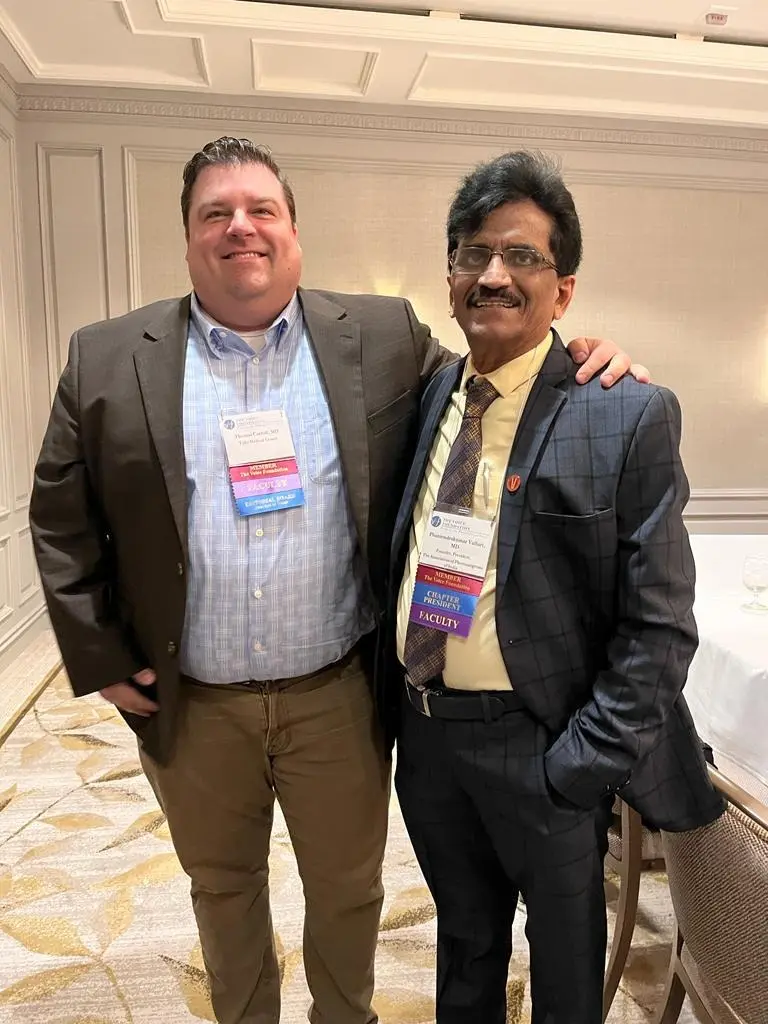
Hosted in Hyderabad, India—with practical training anchored at Century Hospital in Banjara Hills—the event drew esteemed national and international delegates, clinicians, speech-language pathologists (SLPs), and researchers. Spearheaded by Prof. V. Phaniendrakumar, Emeritus Professor of ENT, Organizing Chairman, and Course Director, the workshop carried forward a rich tradition of clinical excellence. Prof. Phaniendrakumar also serves as the Founder President of the Association of Phonosurgeons of India (APSI) and President of the India Chapter of The Voice Foundation (USA).
The primary objective of the 2023 symposium was to democratize access to advanced laryngological techniques, reduce travel burdens for busy medical professionals, and foster global collaboration in the specialized field of voice restoration and preservation. By integrating office-based laryngeal procedures, state-of-the-art phonomicrosurgeries, and complex open framework surgeries like thyroplasty into a streamlined two-day format, the event set a new benchmark for medical education in South Asia and beyond.
Detailed Chronology of the Symposium
Day 1: Virtual Academic Immersion and Live Surgical Demonstrations (October 28, 2023)
The first day of the symposium utilized a virtual platform (Zoom) to deliver a seamless, high-definition broadcast of theoretical knowledge and real-time surgical execution. This approach allowed participants from across the globe to engage directly with master surgeons without the logistical hurdles of international travel.
Morning Session: Inauguration and Global Perspectives
The event opened with welcoming remarks from Prof. V. Phaniendrakumar and key international figures, including Dr. Thomas Carroll—a prominent voice specialist whose collaboration with the Indian contingent was highlighted during the 52nd Annual Symposium of The Voice Foundation.
The academic agenda commenced with foundational lectures addressing diagnostic dilemmas in professional voice users, emerging trends in office-based laryngeal surgery, and the biomechanics of vocal fold vibration. Faculty members emphasized the paradigm shift toward minimally invasive procedures that preserve mucosal wave dynamics, which are critical for optimal phonation.
Afternoon Session: Live Surgical Demonstrations
The highlight of Day 1 was the transmission of live surgeries. Attendees witnessed two distinct categories of procedures:
Office-Based Laryngeal Surgeries: Performed under local anesthesia, these procedures showcased transnasal flexible endoscopy, laser-assisted removal of benign mucosal lesions, and awake laryngeal injections. The live broadcast demonstrated how modern clinical setups can safely and efficiently manage select vocal fold pathologies without the need for general anesthesia or operating room suites.
Phonomicrosurgeries: Conducted using high-precision surgical microscopes and rigid endoscopes, these operations illustrated the delicate micro-dissection required to treat conditions such as vocal fold polyps, Reinke’s edema, early-stage glottic malignancies, and sulcus vocalis. Experts narrated the steps in real-time, providing viewers with nuanced insights into instrument handling, tissue tension management, and hemostasis.
Day 2: Intensive Hands-On Practical Training (October 29, 2023)
Transitioning from digital observation to tactile mastery, Day 2 took place on-site at Century Hospital, Road No. 12, Banjara Hills, Hyderabad. This portion of the workshop was meticulously structured to give delegates supervised, practical experience using biological models.
Laboratory Session: Animal Model Dissection (Goat Larynx)
Recognizing the anatomical similarities and utility in surgical simulation, the training faculty utilized preserved goat larynges for hands-on sessions. Participants were divided into small, mentored groups to practice critical advanced techniques:
Thyroplasty with Arytenoid Adduction Technique: Delegates learned the precise measurements and implant placements required for medialization thyroplasty (Type I), designed to treat unilateral vocal fold paralysis. The addition of arytenoid adduction training allowed surgeons to tackle more severe posterior glottic gaps, a technique often challenging for practitioners early in their phonosurgical careers.
Injection Laryngoplasty: Attendees practiced transoral and percutaneous (transthyrohyoid and cricothyroid) approaches for injecting temporary and permanent augmentation materials (such as hyaluronic acid or calcium hydroxylapatite) into the paraglottic space.
Office-Based Laryngeal Procedures: Practical guidance was provided on setting up local anesthesia protocols, managing patient anxiety, and executing in-office interventions using channel-equipped scopes.
Supporting Context & Metrics: The Evolution of Phonosurgery
To fully appreciate the significance of the 17th Phonosurgery Workshop, one must examine the rapid evolution of laryngology over the past three decades. Phonosurgery—broadly defined as surgery designed to improve or restore voice production—has transformed from crude laryngeal interventions into a sophisticated subspecialty combining micro-optics, laser physics, regenerative medicine, and biomechanical engineering.
The Rise of Minimally Invasive Laryngology
Historically, vocal fold lesions were treated with aggressive instrumentation that frequently resulted in permanent scarring of the delicate lamina propria. The advent of phonomicrosurgery, championed globally by pioneers like the late Dr. Zeitels and domestically in India by leaders like Prof. Phaniendrakumar, emphasized the preservation of the superficial lamina propria.
The 2023 workshop placed significant emphasis on two modern trajectories in this field:
Office-Based Procedures: Moving procedures from the operating room to the outpatient clinic reduces healthcare costs, eliminates general anesthesia risks, and allows for real-time voice assessment by the patient during the procedure. According to recent clinical audits presented at international voice forums, office-based laser and injection procedures can cut direct medical costs by up to 60% compared to traditional OR-based micro-surgery.
Hybrid Medical Education Models: The dual-format approach adopted by the 2023 organizing committee addresses a major bottleneck in continuing medical education (CME). By decoupling theoretical lectures (delivered virtually) from practical laboratory training (delivered in-person), the course maximized learning efficiency. Delegates saved days of travel time while still gaining the essential muscle memory required for complex laryngeal surgeries.
Collaborative Institutional Framework
The success of the 17th Phonosurgery Course was amplified by its robust multi-organizational backing. The event was organized in official association with:
The Association of Phonosurgeons of India (APSI)
The India Chapter of The Voice Foundation (USA)
The Association of Otolaryngologists of India (AOI) – Telangana Branch
The Telangana State Speech-Language Pathologist (SLP) Association
The Sri Sathya Sai Institute of ENT and Melody Voice Clinic (Guntur & Hyderabad)
This multi-disciplinary coalition underscores a core tenet of modern voice care: optimal outcomes cannot be achieved by the surgeon alone. Voice restoration requires a tripartite alliance uniting otolaryngologists, speech-language pathologists, and singing voice specialists.
Official Statements and Leadership Vision
Reflecting on the milestone 17th iteration of the course, Prof. V. Phaniendrakumar articulated the core philosophy driving the initiative:
"With all our sincere efforts and your co-operation, we hope we can make this Course a memorable scientific event. Looking forward to your gracious participation. Probably this is the first dual or hybrid concept-based Phonosurgery workshop from India designed for the convenience of the delegates, saving their time and money."
Prof. Phaniendrakumar’s extensive career—spanning decades as an Emeritus Professor of ENT and director of specialized voice clinics in Guntur and Hyderabad—has been instrumental in placing Indian phonosurgery on the global map. His leadership within both APSI and the India Chapter of The Voice Foundation has fostered an environment of continuous learning, mentorship, and clinical innovation.
Furthermore, international guest faculty members echoed the sentiment that Indian surgical education is increasingly adopting global best practices while pioneering cost-effective, high-efficiency training modalities. The cross-pollination of ideas between Western institutions (such as The Voice Foundation in the US) and Indian medical centers has enriched both diagnostic protocols and surgical execution standards worldwide.
Future Outlook: The Next Era of Voice Care
As the curtains closed on the October 2023 workshop, the organizing committee and participating institutions immediately turned their focus toward the future of laryngology. Several key trends and strategic goals emerged from the panel discussions:
1. Integration of Regenerative Medicine and Stem Cell Therapy
Future iterations of the phonosurgery workshop are expected to feature modules on cellular therapies for vocal fold scarring (sulcus vocalis and vocal fold atrophy). With ongoing clinical trials investigating the efficacy of platelet-rich plasma (PRP), adipose-derived stem cells, and bio-engineered scaffolds to regenerate the lamina propria, surgeons must prepare to transition from purely mechanical reconstruction to biological tissue restoration.
2. Artificial Intelligence in Voice Diagnostics
The diagnostic pathway for voice disorders is rapidly incorporating artificial intelligence (AI) and machine learning. Acoustic analysis software capable of detecting minute perturbations in vocal cord vibration, coupled with advanced narrow-band imaging (NBI) during endoscopy, is transforming early cancer detection. Future training workshops will likely integrate AI-driven diagnostic simulations into their academic curricula.
3. Expansion of Hybrid CME Frameworks
The success of the 2023 hybrid model has proven that high-level surgical education does not require exhaustive, week-long travel commitments from delegates. Moving forward, the Association of Phonosurgeons of India and the India Chapter of The Voice Foundation plan to refine this dual-format approach, potentially rolling out modular, hybrid certification tracks for young otolaryngologists across Asia.
4. Strengthening Multidisciplinary Rehabilitation
Finally, the strong participation of speech-language pathologists at the 2023 symposium highlighted the indispensable role of voice therapy in both pre-surgical preparation and post-surgical rehabilitation. Future symposia aim to deepen joint training sessions where surgeons and SLPs train side-by-side, ensuring unified patient management from initial diagnosis through complete vocal recovery.
Conclusion
The 17th Phonosurgery Course and International Workshop stands as a testament to the resilience, innovation, and collaborative spirit of the global otolaryngology community. By breaking new ground with its hybrid educational model, providing rigorous hands-on laboratory training, and uniting diverse medical associations under a shared vision of excellence, the event has left an indelible mark on the field of voice care. Under the visionary leadership of Prof. V. Phaniendrakumar and his esteemed colleagues, the symposium has not only empowered a new generation of phonosurgeons but has also paved the way for a more accessible, advanced, and patient-centric future in vocal health management.