
Executive Overview
In an era dictated by endless digital scrolling and algorithmic conditioning, genuine intellectual resonance has become a rare commodity. Amidst the persistent pull of social media echo chambers, independent criticism and raw artistic expression occasionally cut through the digital static. Recently, a convergence of cultural commentary and musical innovation has brought to light the quiet, systemic anxieties defining contemporary youth culture, particularly under the pressures of late-stage capitalism.
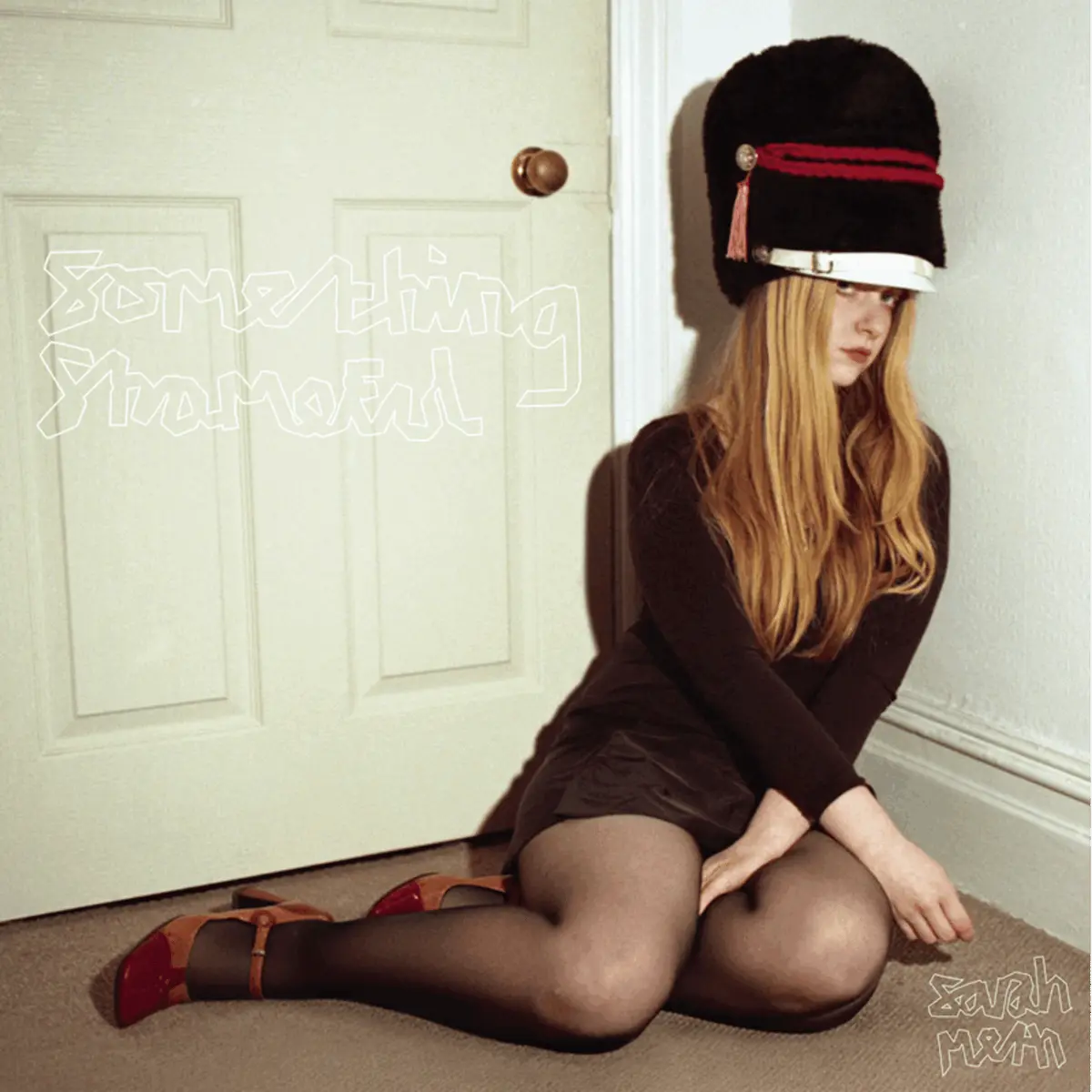
At the intersection of these reflections lies Erin Williams’s piercing Substack essay, The Cost of Casual Sex, and Something Shameful, the incisive, genre-defying debut LP from London-born artist, songwriter, and producer Sarah Meth. While Williams interrogates the exhausting double binds placed upon women navigating modern romance—where societal expectations demand effortless liberation coupled with emotional detachment—Meth translates this exact socio-emotional dissonance into a visceral auditory experience. Inspired by a fateful, paradigm-shifting encounter in New York, Meth’s record bridges the gap between Gen Z self-awareness and the rugged, melancholic sonic textures of early 1990s Seattle.
This review-feature examines the thematic architecture of Meth’s debut album, exploring how its intricate arrangements, historical musical nods, and lyrical candor reflect the modern crisis of intimacy. By examining the structural tensions of "casualness" in contemporary relationships alongside Meth’s grunge-inflected, folk-rooted, and synth-drenched compositions, we uncover a vital portrait of a generation trying to feel free in a system that monetizes connection.
Detailed Chronology and Artistic Evolution
The Literary Spark: Decoding the Modern Emotional Toll
The genesis of Something Shameful cannot be fully understood without examining the cultural discourse surrounding contemporary intimacy. Erin Williams’s The Cost of Casual Sex, published via her Critical Intimacies publication, articulates a silent epidemic of modern alienation. Williams argues that heterosexual casual encounters under late-stage capitalism are fraught with contradictory binaries. Women are culturally instructed to embody conflicting archetypes: they must be sexually liberated yet unbothered, easy-going yet invulnerable to the natural human fallout of physical closeness.
When intimacy is commodified and stripped of its relational context, the resulting emotional residue—often dismissed pejoratively as "catching feelings"—is treated as a personal failure rather than a predictable, entirely normal biological and psychological response. This tension produces a distinct, inarticulable sense of grief following a casual liaison.
It was precisely this conceptual framework that weighed heavily upon the creation of Sarah Meth’s debut LP. Having honed her craft across a series of self-assured, critically received EPs, Meth found herself navigating the dizzying, cosmopolitan casualness of metropolitan life following a pivotal journey to New York. Rather than shying away from the inherent contradictions of modern dating, Meth channeled this friction directly into her songwriting, resulting in an album that is as intellectually sharp as it is emotionally devastating.
From Folk Roots to Seattle Soundscapes: The Making of Something Shameful
Meth’s early creative identity was firmly anchored in the traditions of contemporary folk music—a genre built on storytelling, lyrical transparency, and acoustic warmth. However, Something Shameful marks a deliberate and radical departure from these acoustic origins. While the foundational songwriting sensibilities of folk remain intact, the production is heavily saturated in the sonic DNA of early-’90s grunge, alternative rock, and lo-fi bedroom pop.
The album serves as a chronological documentation of a young artist processing disillusionment. The sequencing of the tracks mirrors the stages of a modern relationship cycle: initial romantic idealism, physical surrender, the sudden onset of disillusionment, and the quiet, agonizing aftermath of self-reproach. Meth’s transition from delicate folk instrumentation to heavy, distorted guitar work and melancholic synth textures reflects the jarring reality of modern romance—where tender moments are frequently disrupted by systemic cynicism and emotional detachment.
Musical Architecture and Track Breakdown
The Opening Dichotomy: Title Track Analysis
Something Shameful immediately establishes its thematic and sonic parameters with its hypnotic title track. Opening the record, the song juxtaposes opposing musical eras to mirror the psychological contradictions explored in both Meth’s lyrics and Williams’s essays.
The track begins with a stark, lo-fi guitar arrangement that instantly recalls the haunting, stripped-down intimacy of Alice In Chains’ legendary MTV Unplugged session. This Seattle-sound influence provides a dark, brooding undercurrent, setting a tone of unease and vulnerability. Yet, as the track progresses toward its conclusion, it opens up into a shimmering, bohemian, 1960s-inflected outro reminiscent of The Beatles’ "Norwegian Wood."
This stylistic dichotomy—the radical personal liberation associated with the 1960s counterculture juxtaposed against the isolated, grunge-era alienation of the 1990s—encapsulates the central thesis of the record. Choices regarding romance and identity are made with utmost earnestness by today’s youth, yet they yield confusing, often alienating results. The title track does not offer easy resolutions; instead, it invites the listener into the very ambiguity that defines modern dating.
Sonic Diversions: "Cheek," "Sonic," and the Grunge Revival
As the album progresses into tracks like "Cheek" and "Sonic," Meth completely casts off her remaining folk sensibilities, diving headfirst into the heavy, distorted aesthetics of late-20th-century alternative rock.
"Sonic" stands as a masterclass in modern pastiche, drawing distinct stylistic touchstones from The Cranberries’ politically charged and emotionally raw masterpiece "Zombie." The track utilizes biting guitar fuzz and driving percussion to mirror the frantic, overstimulated nature of contemporary urban romance. Conversely, "Cheek" introduces a swampy, subterranean bassline that echoes the iconic playing style of Nirvana bassist Krist Novoselic, grounding the track in a heavy, hypnotic groove that commands physical attention.
In a surprising yet cohesive pivot, Meth also incorporates electronic elements into the tracklist with "He’s Not My Baby He’s Nepo’s" and "Care." These songs are anchored by an undercurrent of what can best be described as "Sunday scaries bedroom pop"—a genre-spanning mood that captures the anxious dread of impending workweeks and social obligations.
Particularly striking is Meth’s vocal delivery on "Nepo’s." Rather than adopting the typical breathy, hushed tone common in modern bedroom pop (often utilized to avoid disturbing apartment housemates), Meth croons with the authority of a classic jazz vocalist. Her performance evokes the timeless melancholy of standard torch songs like Frank Sinatra’s "One For My Baby (And One More For The Road)," bridging the gap between classic cabaret despair and contemporary Gen Z nihilism.
The Core Conflict: Unpacking "Fun"
Perhaps the most potent ideological thesis of the record is articulated on the track "Fun." Here, Meth offers a level of insight and unsparing honesty that elevates the album from a standard indie-pop release to an important cultural artifact.
Revisiting the core arguments of Erin Williams’s essay, "Fun" explores the agonizing dissonance between wanting to be perceived as "fun"—effortless, unburdened, and always game—while internalizing the deep-seated societal pressures and gendered expectations that actually generate feelings of shame. In modern hookup culture, the promise of personal freedom and no-strings-attached romance frequently comes with a massive, unacknowledged emotional tax.
Meth demonstrates a profound understanding of this dynamic. She recognizes that the mandate to perform perpetual enjoyment in romantic spaces often forces individuals to suppress their authentic emotional needs. By laying these contradictions bare, "Fun" serves as a defiant rejection of emotional sanitization, asserting that vulnerability is not a weakness, but an essential component of human dignity.
Supporting Context & Cultural Metrics
The Gen Z Landscape of Intimacy
To fully appreciate the cultural resonance of Something Shameful, one must examine the broader socio-economic and technological landscape shaping Gen Z relationship dynamics. Several key cultural and psychological metrics define this era:
- The Application of Marketplace Logic: Sociological studies on modern dating apps reveal that younger generations increasingly approach romance through the lens of late-stage capitalist consumption—treating potential partners as interchangeable commodities to be swiped, evaluated, and discarded.
- The Loneliness Epidemic: Despite being the most hyper-connected generation in human history, contemporary youth report unprecedented levels of chronic loneliness. According to mental health watchdogs, the prevalence of casual, uncommitted sexual encounters has not correlated with increased emotional fulfillment; rather, it has frequently exacerbated feelings of isolation.
- The Performance of Ease: Cultural analysts note a pervasive cultural pressure among young adults to suppress emotional needs in order to remain "low maintenance" partners. This suppression directly fuels the internal conflict between public liberation and private grief documented by both Williams and Meth.
Musical Influences and Hybridity
Meth’s ability to weave disparate musical traditions into a unified artistic statement speaks to the eclectic consumption habits of modern creators. By merging the acoustic storytelling of traditional folk, the aggressive melodic melancholy of early-’90s Seattle grunge, and the intimate bedroom-pop production techniques of the digital age, Something Shameful captures the fragmented attention span and historical awareness of a generation raised on streaming algorithms and digital archives.
Future Outlook
As Sarah Meth steps into the spotlight with Something Shameful, her debut LP establishes her not merely as a talented singer-songwriter, but as a vital cultural chronicler of her generation. By refusing to shy away from the contradictions of modern intimacy, Meth has carved out a distinct artistic space that bridges raw emotional confession with sharp social critique.
Looking ahead, the critical and commercial reception of Something Shameful points toward a growing appetite for art that interrogates the hidden costs of modern digital and romantic life. As audiences become increasingly fatigued by hyper-curated, sanitized pop narratives, artists like Meth—who combine rigorous sonic experimentation with uncompromising lyrical honesty—will undoubtedly lead the charge in defining the future of alternative music.
Ultimately, Something Shameful reminds us that acknowledging our emotional wounds, rather than burying them beneath a facade of effortless cool, remains the first and most crucial step toward authentic human connection.