

Executive Overview
In his poignant final film role—lending his weary, gravelly drawl to the animated sheriff Wylie Burp in An American Tail: Fievel Goes West—the legendary actor Jimmy Stewart offered a line of folksy wisdom that would quietly define his entire existence: "Maybe a real hero is the last one to hear about it."
Nearly thirty years after his passing, a new cinematic project is poised to remind global audiences of that profound truth. Jimmy, a feature film directed by Aaron Burns and produced by Papaian Studios, strips away the nostalgic veneer of late-night talk show poetry readings, comedian impressions, and holiday broadcast traditions to examine the harrowing, formative crucible that shaped one of America’s most beloved cultural icons.
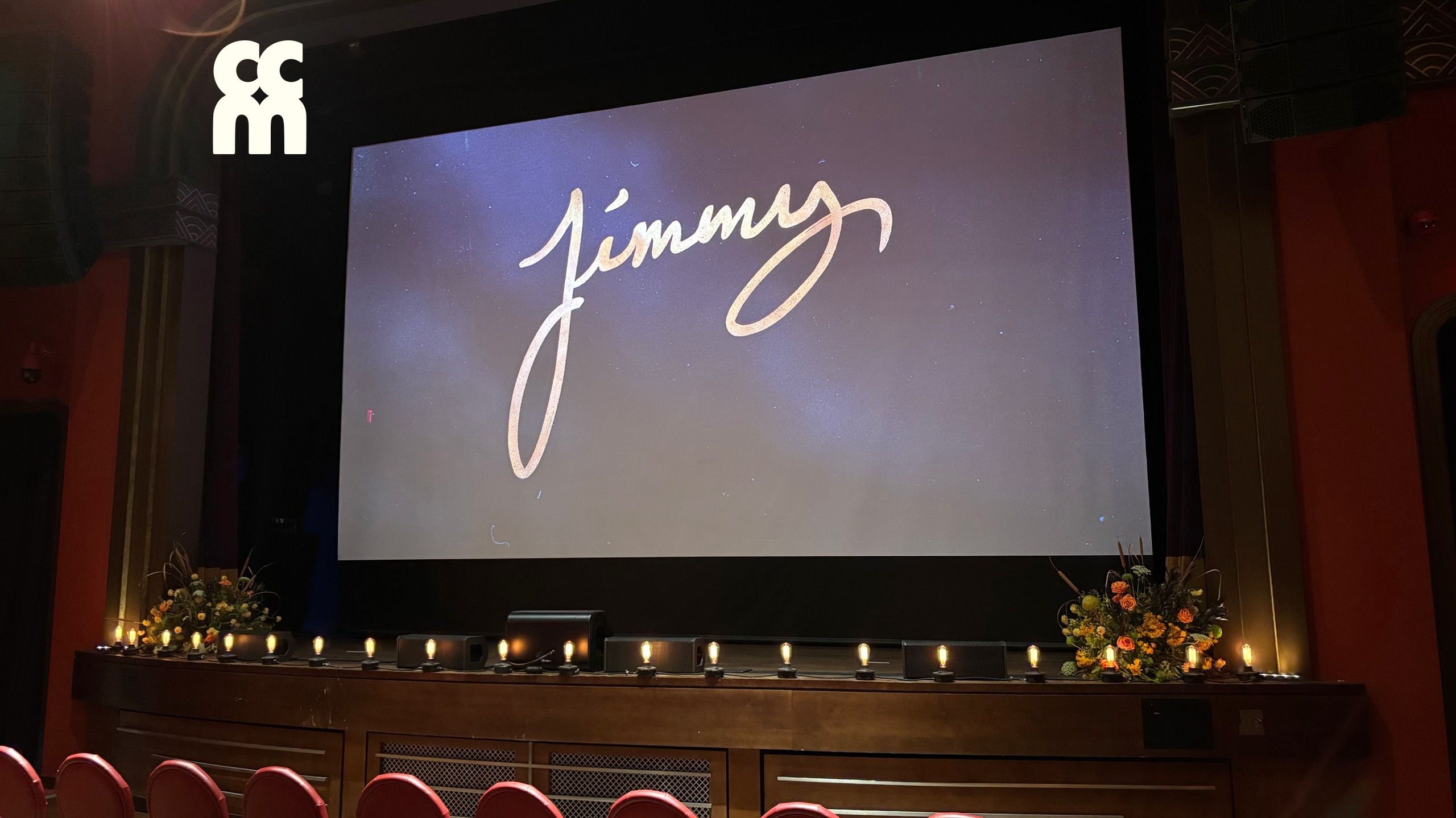
Scheduled to hit theaters nationwide on Friday, November 6, Jimmy deliberately departs from the standard cradle-to-grave biopic formula. Instead of rushing through youthful theatrical ambitions or cataloging decades of box office triumphs, Burns’ film zeroes in on a single, transformative epoch of Stewart’s life: the moment a Hollywood megastar walked away from the zenith of Tinseltown glamour to pilot heavy bombers over Nazi-occupied Europe during World War II.
Featuring a standout lead performance by KJ Apa (Riverdale) and an ensemble cast featuring industry veterans and fresh faces alike, the film explores the heavy psychological toll of combat, the faith that sustained Stewart through the darkest hours of aerial warfare, and the grueling internal battle to reclaim his humanity—and his art—upon returning to a changed world. At a cultural juncture marked by deep cynicism and a desperate search for authentic leadership, Jimmy arrives not merely as a historical retrospective, but as a timely cultural touchstone.
Detailed Chronology: From Hollywood Heights to the Skies Over Europe
To understand the weight of the narrative depicted in Jimmy, one must first comprehend the immense trajectory of James Maitland Stewart’s early life. By the early 1940s, Stewart was already a darling of the American cinema. Having secured an Academy Award for Best Actor for The Philadelphia Story (1940) and cemented his everyman persona in Frank Capra’s classic Mr. Smith Goes to Washington (1939), he possessed the kind of untouchable cultural capital that modern celebrities can scarcely fathom.
Yet, long before he stepped onto a soundstage, Stewart was captivated by aviation. Holding a commercial pilot’s license and logging hundreds of flight hours, his passion for the skies was more than a hobby—it was a calling. When the gathering clouds of World War II threatened global stability, Stewart did not seek the safe harbor of entertainment branch tours or stateside bond drives, paths frequently traveled by his contemporaries. Instead, driven by a fierce sense of civic duty and a deep-seated patriotism instilled by his father, he sought active-duty enlistment in the United States Army Air Corps.
Jimmy captures the tension of this unprecedented pivot. At the peak of his career, when cinematic immortality was entirely within his grasp, Stewart traded his bespoke tailoring for an olive-drab uniform. Commissioned as a second lieutenant, his journey took him from training fields across the American Midwest to the brutal, high-altitude skies of East Anglia, England, where he ultimately commanded the 703rd Bombardment Squadron of the 445th Bombardment Group.
Flying perilous daylight bombing raids in B-24 Liberators over heavily defended German industrial targets, Stewart faced near-constant peril. The film details how these harrowing combat missions profoundly fractured his mental and emotional well-being. Unlike the clean, tidy resolutions of Hollywood scripts, Stewart’s reality was defined by freezing temperatures, flak-filled skies, the loss of comrades, and the agonizing responsibility of ordering young men into mortal danger.
When the war finally drew to a close, Lieutenant Colonel Stewart returned to the United States bearing invisible wounds. Like millions of returning veterans, he was engulfed by severe post-traumatic stress—though the term was not widely used at the time. Plagued by nightmares, profound fatigue, and a deep alienation from the superficial glitz of Los Angeles, Stewart seriously considered abandoning acting altogether. He wondered aloud whether a man who had witnessed the industrialized slaughter of humanity could ever again pretend for a living. The journey of how he ultimately found his way back to the camera, guided by faith, enduring friendships, and visionary directors like Frank Capra, forms the emotional heartbeat of Papaian Studios’ cinematic achievement.
Supporting Context & Metrics: Cast, Crew, and Creative Execution
The success of Jimmy hinges on its delicate balance of biographical fidelity and raw emotional vulnerability. Director Aaron Burns has assembled a stellar cast capable of breathing life into some of the most influential figures of 20th-century American culture.
At the center of the production is KJ Apa, whose transformation into the titular icon avoids the trap of mere caricature. Rather than relying solely on vocal impersonations, Apa delves into the internal isolation of a man trapped between public adoration and private trauma. In a particularly telling scene within the film, studio mogul Louis B. Mayer casually pitches a motion picture about Jimmy Stewart—starring Jimmy Stewart—highlighting the bizarre commodification of identity in the Golden Age of Hollywood.
That mogul is brought to vivid life by Jason Alexander (Seinfeld, Pretty Woman), who portrays Mayer’s formidable, domineering corporate authority with sharp precision. Meanwhile, Christopher McDonald (Happy Gilmore) delivers a brief yet staggering masterclass in his portrayal of legendary actor Lionel Barrymore, grounding the cinematic world in theatrical authenticity.
The supporting narrative is anchored by rich interpersonal dynamics:
- Lara Kilmer (Chicago Fire) commands the screen as Lady Julia, a compassionate British widow who befriends Stewart during his wartime deployment in England, offering a quiet harbor amidst the storm of military life.
- Jen Lilley (Days of Our Lives) shoulders the immense responsibility of portraying Gloria Hatrick McLean, the woman who would become the love of Stewart’s life and help him navigate the turbulent aftermath of his combat experiences.
- Max Casella, celebrated for his diverse career spanning Doogie Howser, M.D., Broadway’s The Lion King, and The Sopranos, delivers a career-best turn as visionary director Frank Capra. Casella captures the creative synergy and deep personal bond between the director and his signature leading man, illustrating how their collaborative genius helped heal a broken veteran.
Beyond the performances, the auditory landscape of Jimmy plays a critical role in bridging eras. Composer Grant Fonda has crafted a sweeping score that seamlessly marries the brassy, big-band sounds of the 1940s with modern cinematic orchestration.
The crown jewel of the soundtrack is the original theme song, "Home to Me," performed by acclaimed contemporary Christian artist Moriah. The track achieves a rare artistic feat: it is at once modern enough to command contemporary radio airplay and authentic enough to sound like a vintage classic sung by a 1940s chanteuse before a live band, evoking images of Hollywood’s elite swaying across polished dance floors in white tuxedo jackets and flowing evening gowns.
Official Statements and Production Insights
The genesis of Jimmy reflects a growing appetite within the entertainment industry for stories that prioritize moral courage and psychological resilience over hollow spectacle. In press statements surrounding the project’s rollout, producers and creative leads have emphasized the deliberate choice to focus on Stewart’s military service rather than his box-office accolades.
"We didn’t want to make a highlight reel of iconic movie quotes," notes a production representative close to Papaian Studios. "James Stewart’s filmography speaks for itself. What the world has largely forgotten—or never truly understood—is the terrifying price he paid for his country, and the quiet, agonizing grace it took for him to walk back onto a movie set after facing the abyss of war."
The thematic emphasis on faith and quiet perseverance is a cornerstone of the film’s narrative arc. Stewart’s private life was notoriously guarded; he rarely spoke of his wartime experiences in interviews, preferring to let his service stand in quiet dignity. Director Aaron Burns approached the script with deep reverence for this humility, aiming to honor the actor’s own ethos: that true heroism rarely announces itself with fanfare.
Industry analysts have noted that Jimmy arrives at an opportune cultural moment. As contemporary audiences navigate a landscape oversaturated with cynical anti-heroes and hyper-stylized action blockbusters, the portrayal of a genuinely decent man grappling with real moral weight offers a refreshing alternative. By highlighting Stewart’s internal struggles with PTSD and his reliance on faith, the film humanizes a bronze-age Hollywood legend, transforming him from a distant, black-and-white icon into a relatable brother, commander, and survivor.
Future Outlook: Legacy, Release, and Cultural Impact
As Jimmy prepares for its theatrical debut on Friday, November 6, anticipation within both film and faith-based entertainment circles continues to mount. The strategic release window positions the film perfectly for the autumn prestige season, appealing to mature audiences seeking substantive storytelling while drawing multi-generational crowds eager to explore the man behind the legendary cinematic voice.
The film’s broader cultural impact may well lie in its ability to spark renewed conversations regarding veteran care and invisible trauma. By drawing a direct line between the psychological burdens carried by a B-24 bomber pilot in 1945 and the universal struggles of modern combat veterans, Jimmy transcends traditional biopic boundaries. It transforms a historical Hollywood retrospective into a timeless exploration of healing, resilience, and identity.
Ultimately, Jimmy serves as an urgent reminder of what James Stewart represented both on and off the screen: integrity, steadfast courage, and an unassuming dedication to a greater good. As audiences leave theaters this November, they will likely carry with them not only a renewed appreciation for a cinematic giant, but also the enduring resonance of his final animated admonition:
"I think one day you’ll find that you’re the hero you’ve been looking for."
With Jimmy, a new generation will finally hear the story of an accidental hero who never sought the spotlight, yet illuminated the silver screen—and the American spirit—for decades to come.