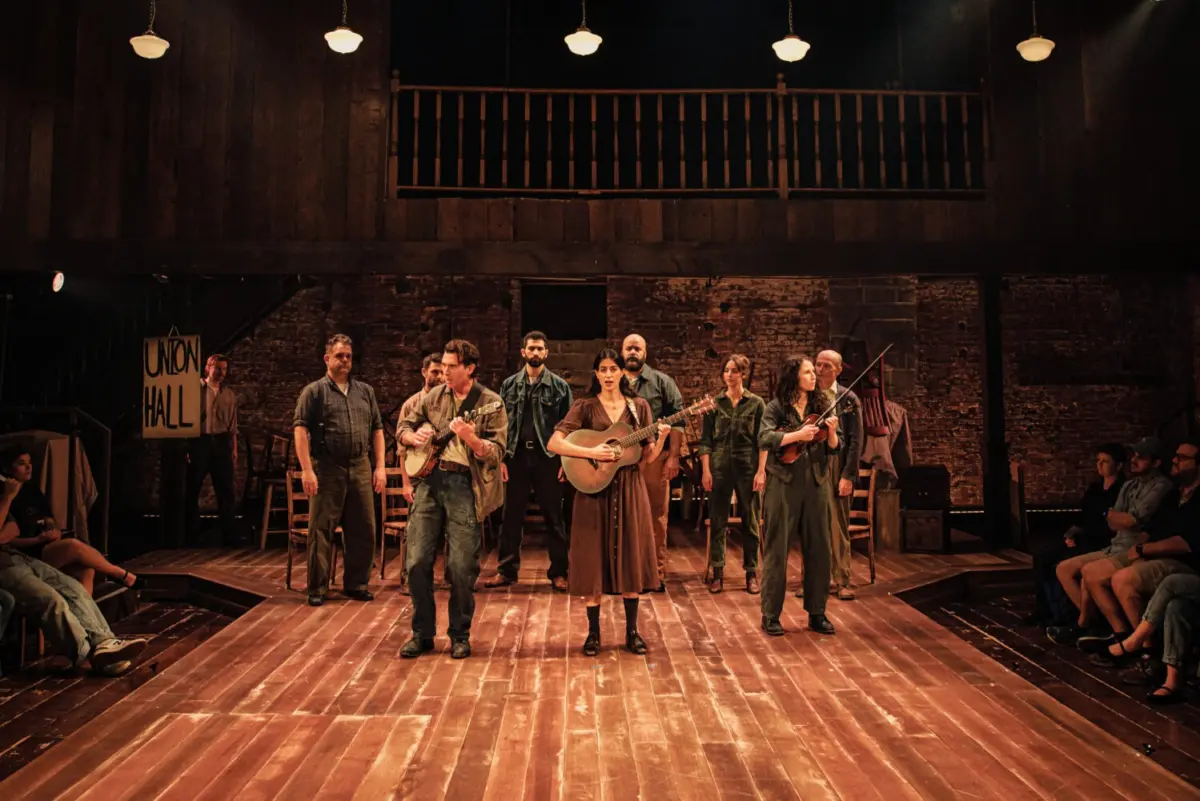
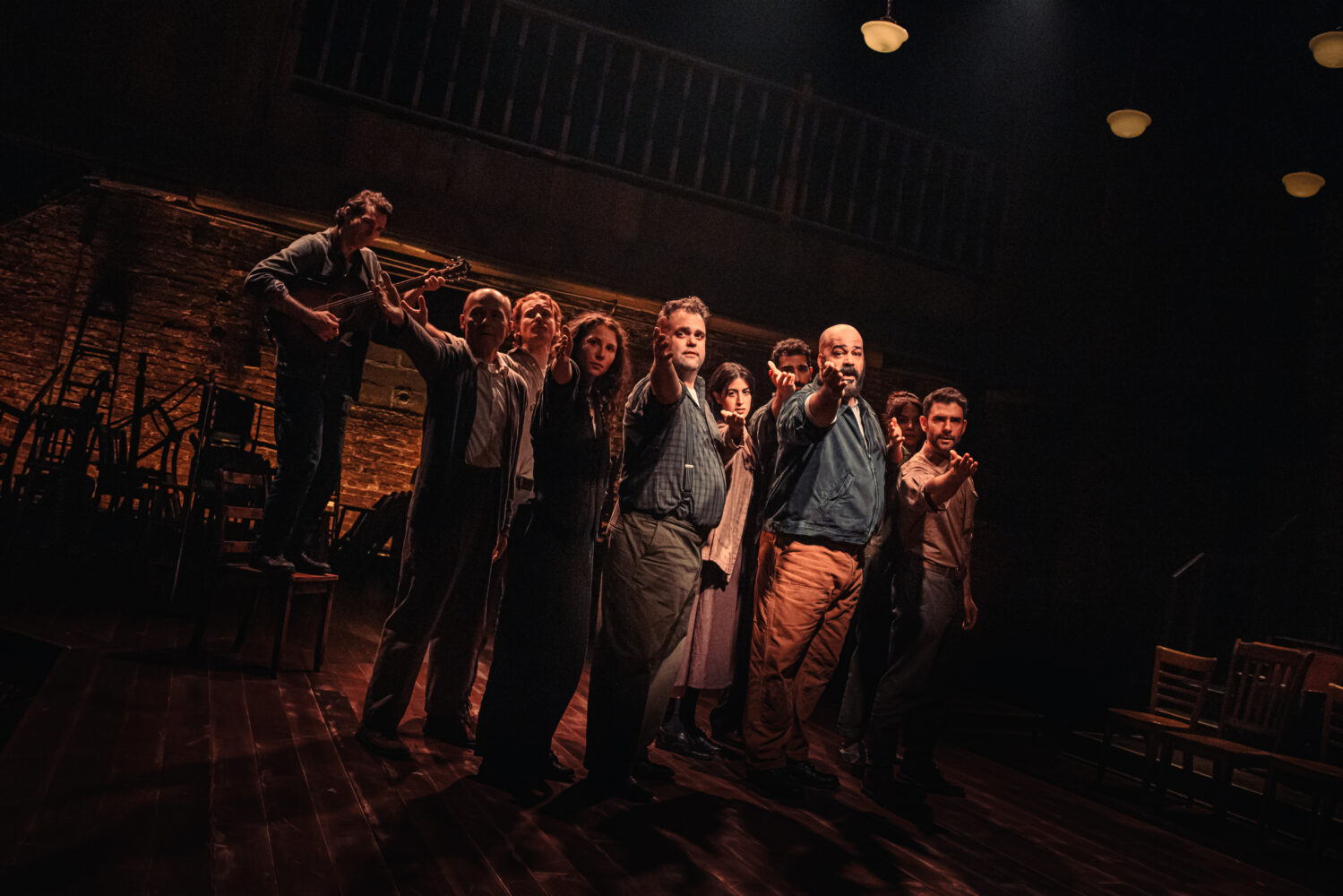
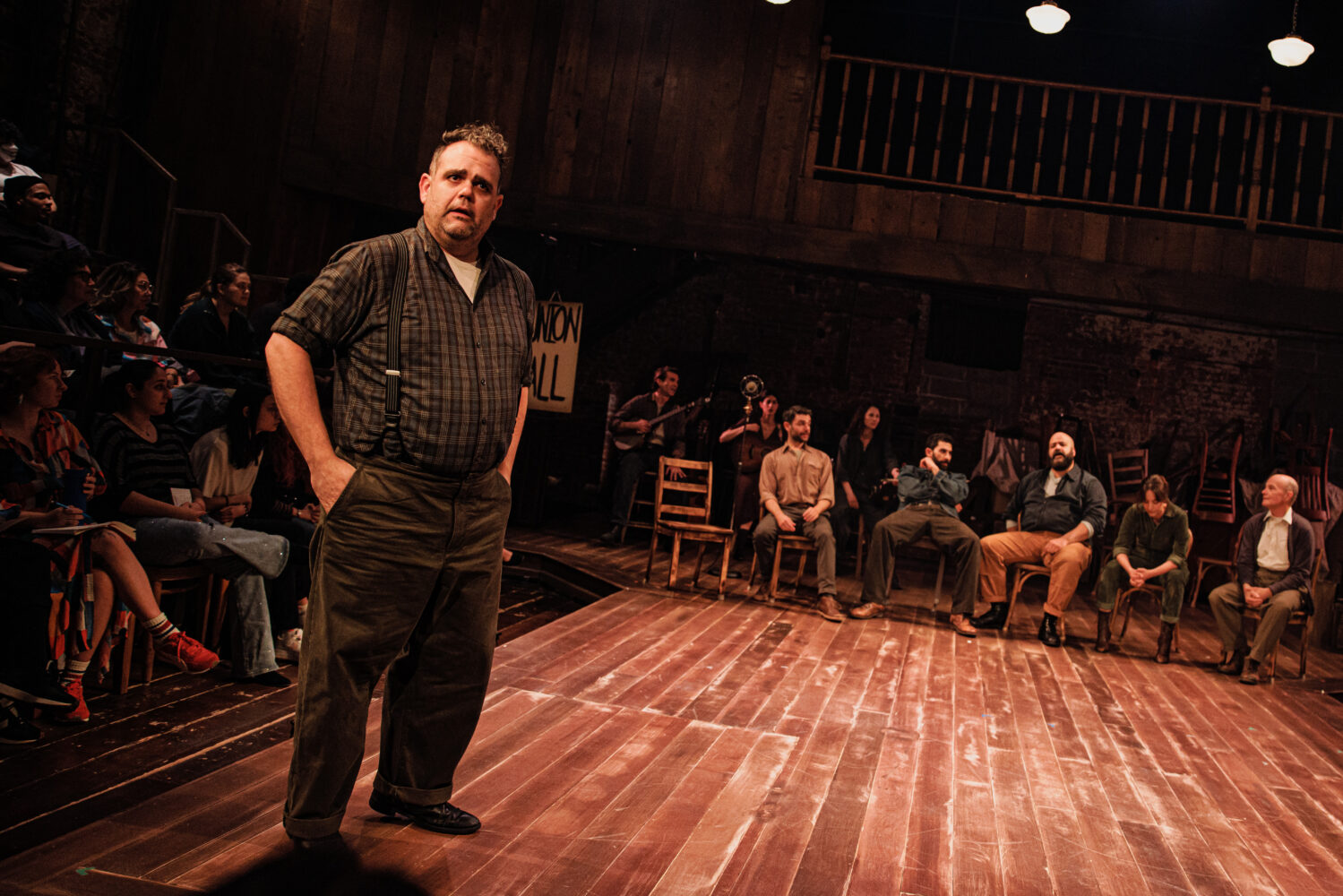
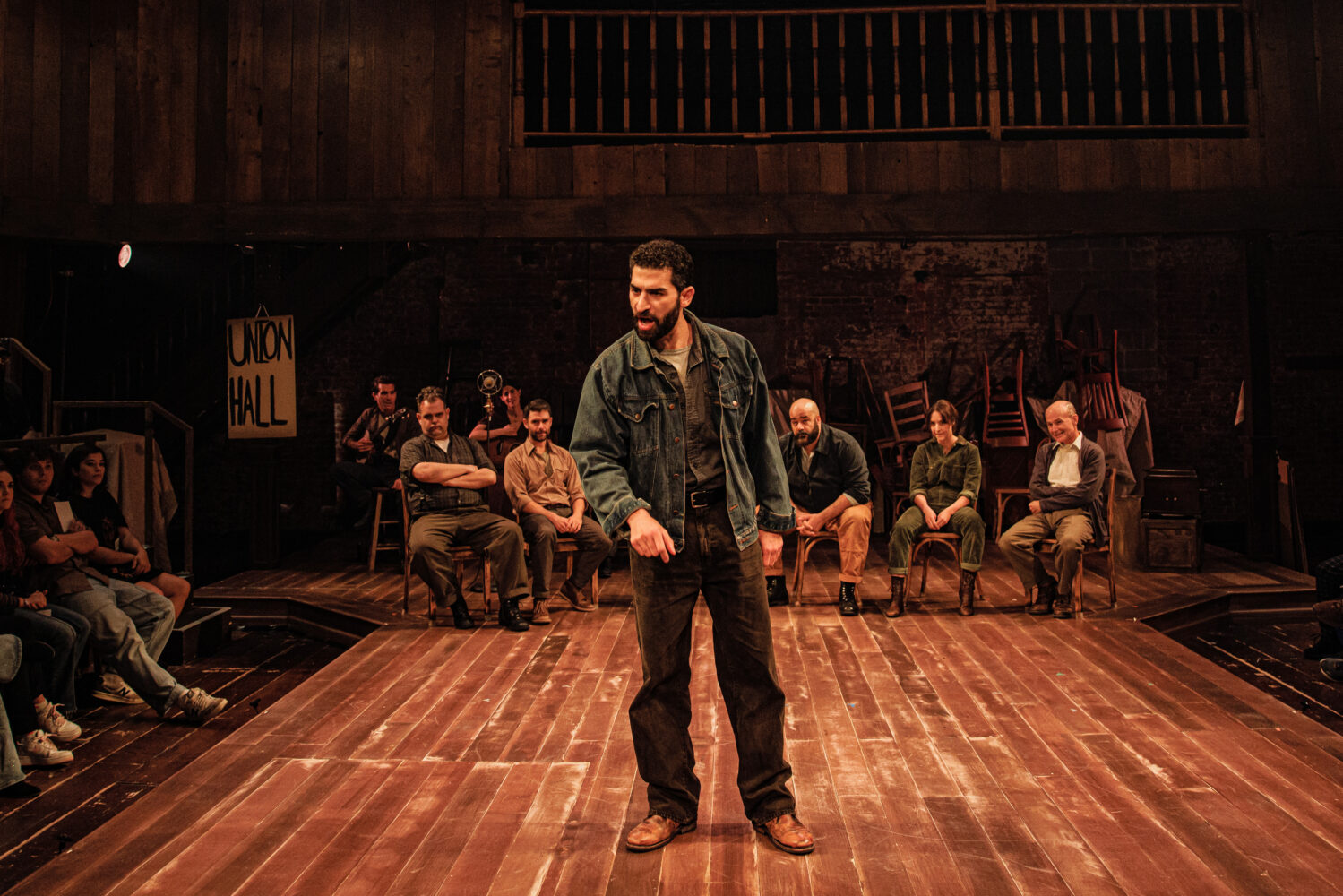
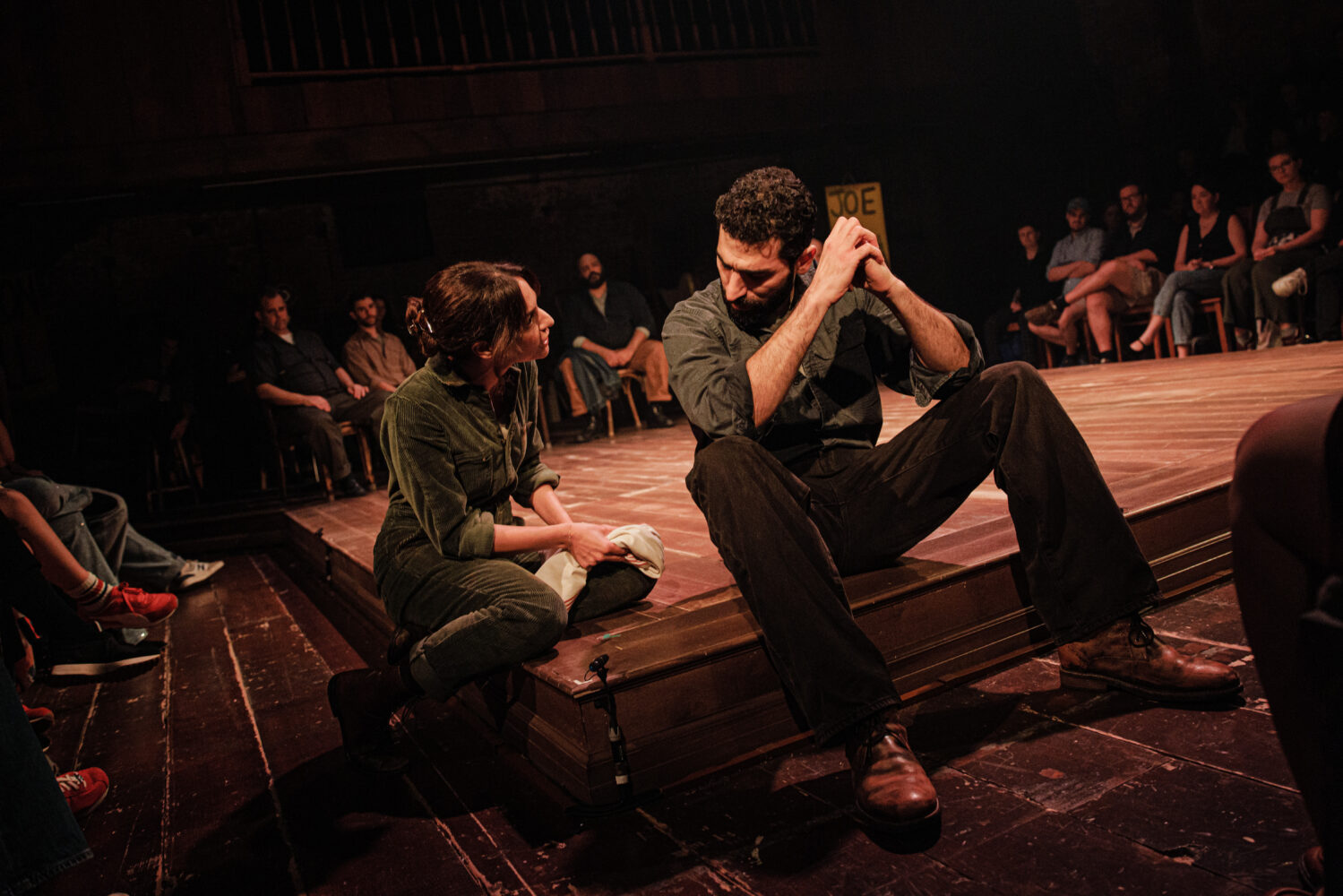
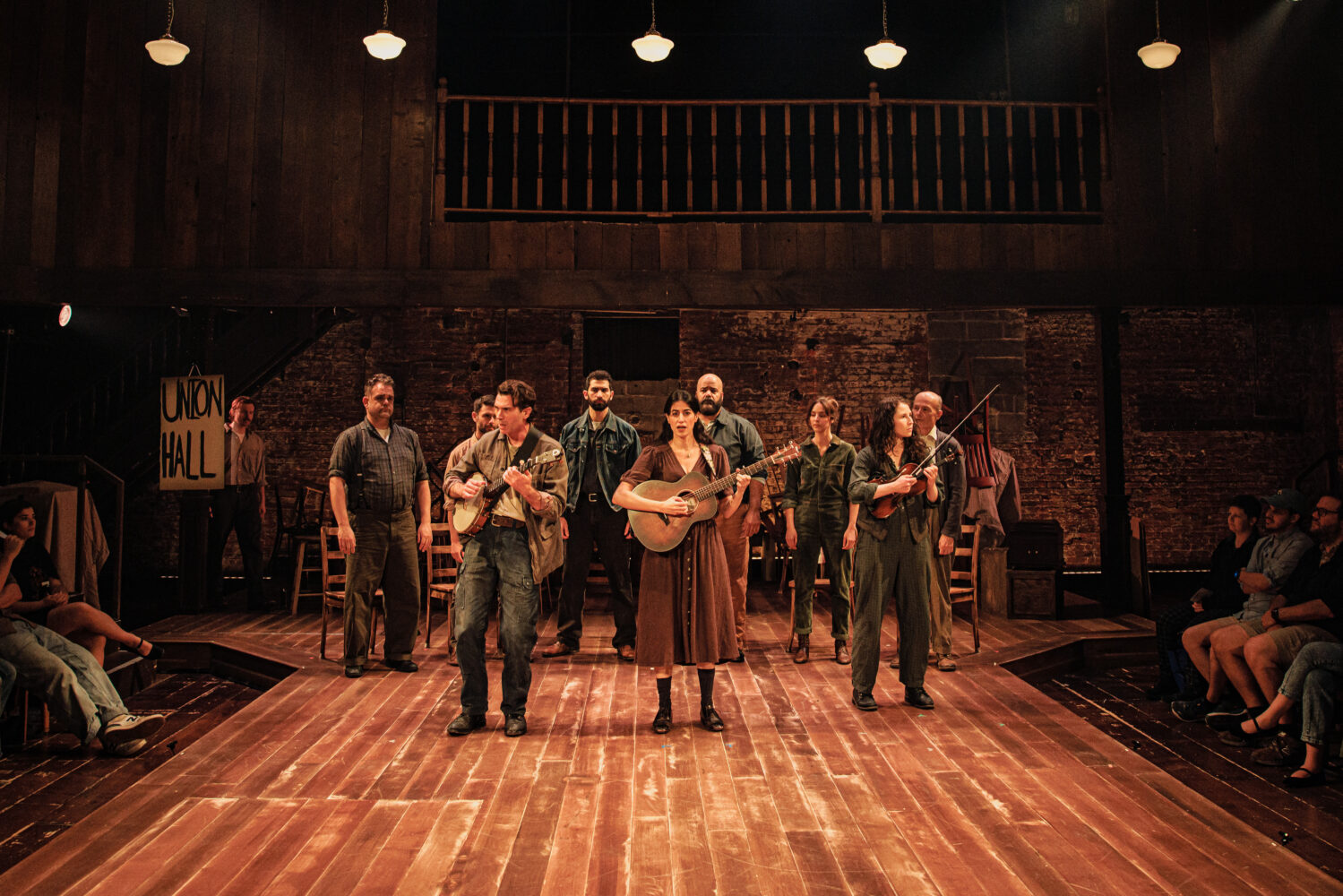
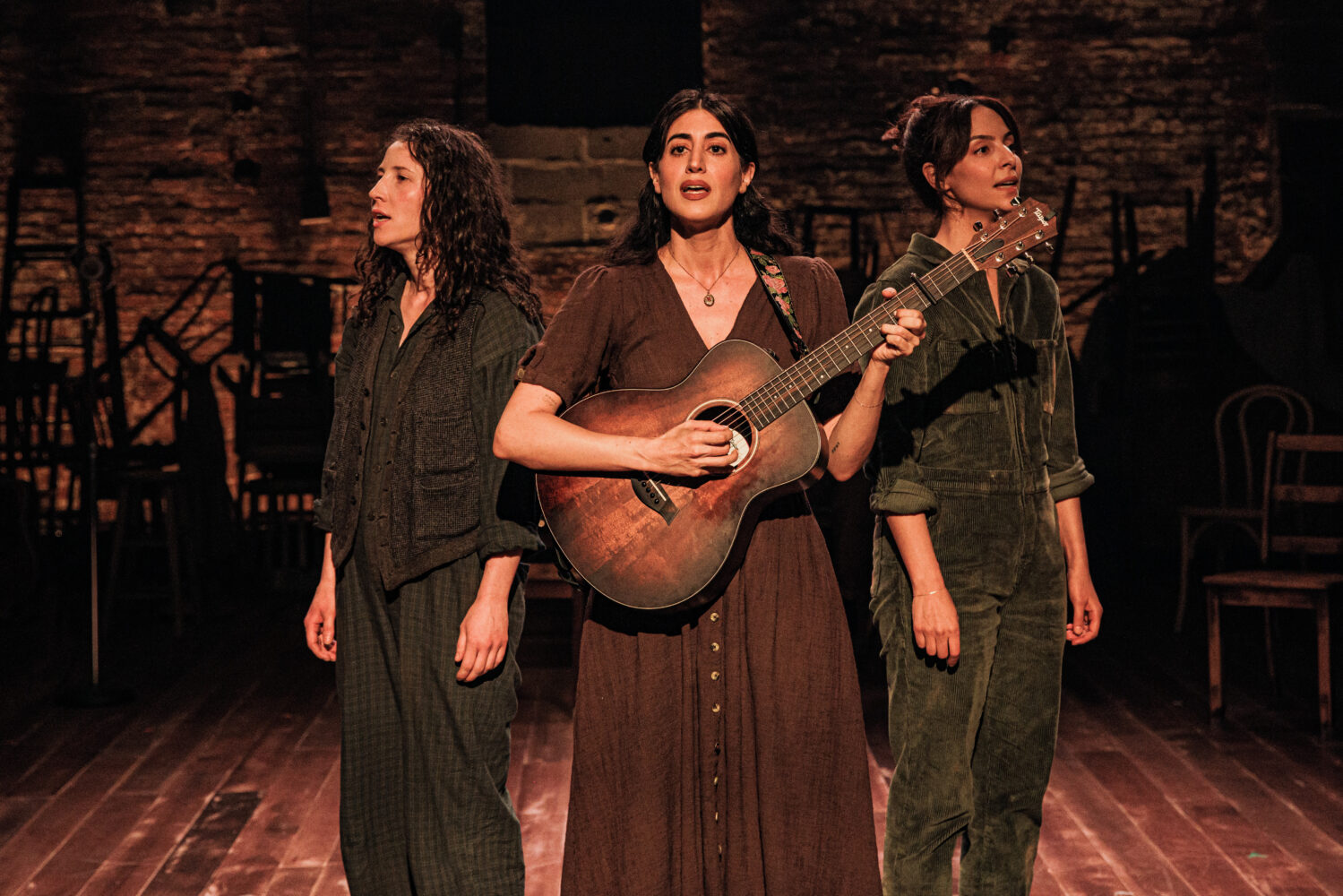
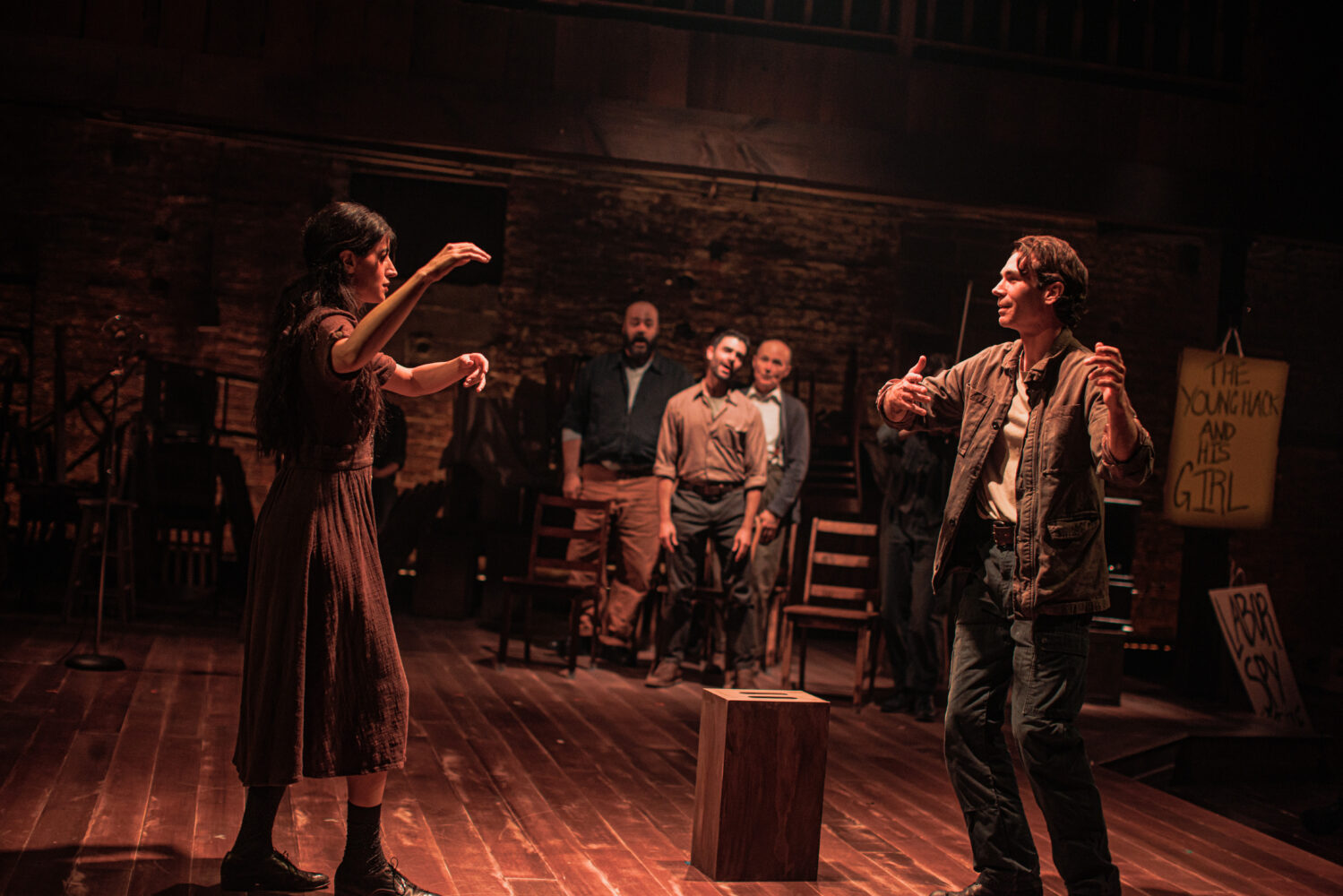
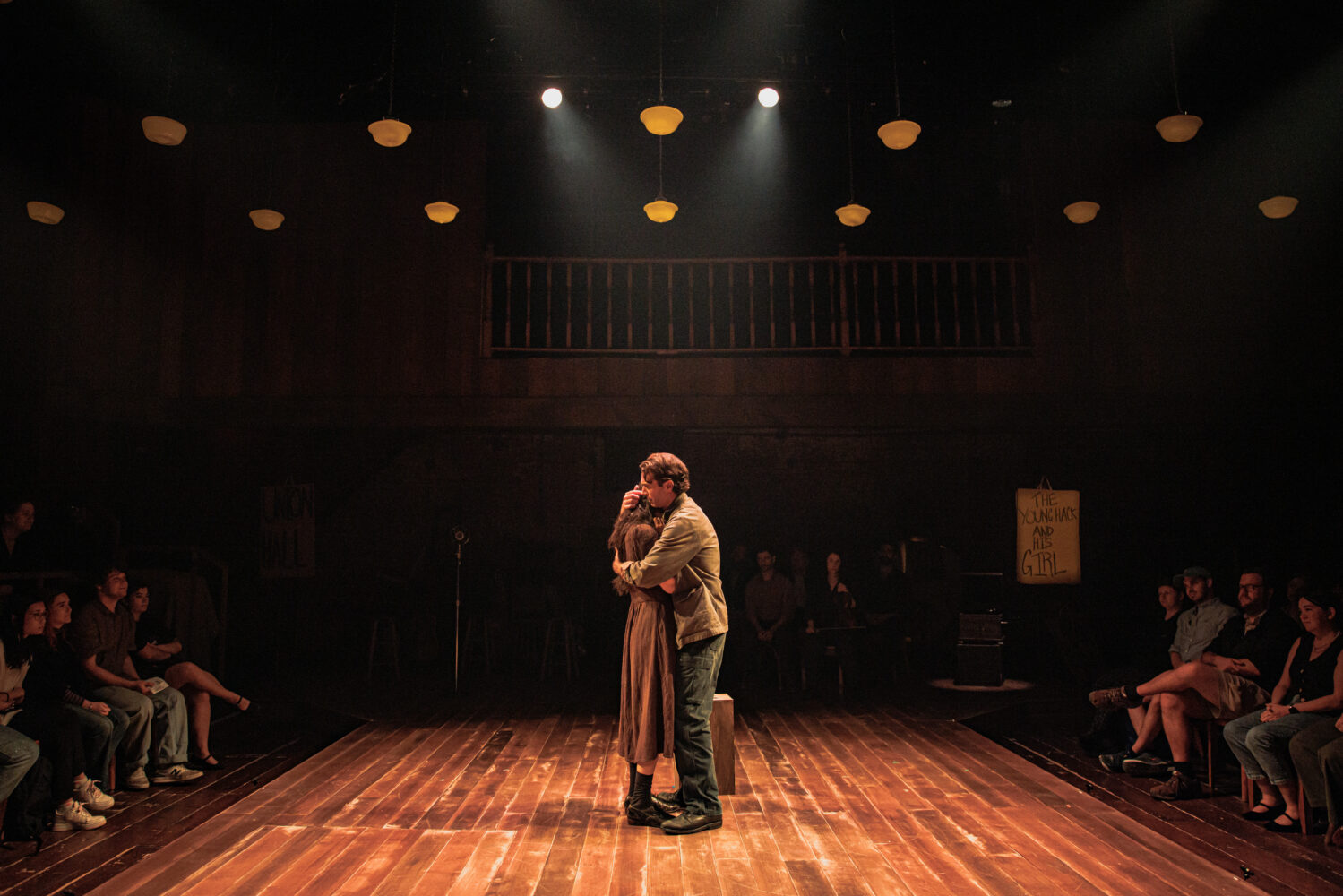
The Off-Broadway theatrical season has been electrified by a vital, multidisciplinary revival of Clifford Odets’ 1935 sociopolitical masterwork, Waiting for Lefty. Officially opening on November 2 at the Classic Stage Company’s (CSC) Lynn F. Angelson Theater, this ambitious new mounting is directed by Steven Pasquale. Far from a conventional historical recreation, Pasquale’s vision reimagines the historic text as an immersive, high-stakes union hall experience complete with original music, dynamic choreography, and an ensemble cast of theatrical heavyweights.
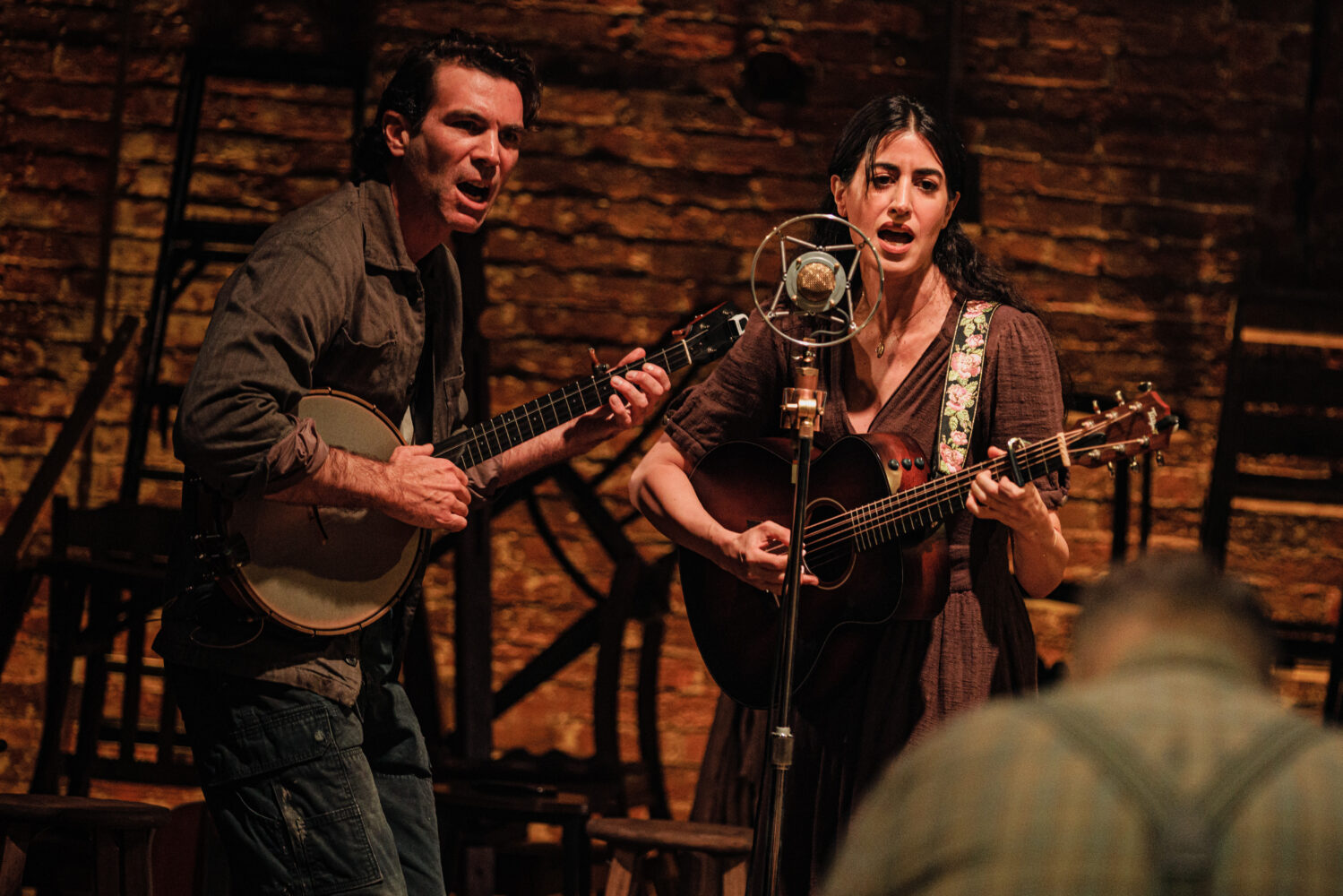
Originally written as a rapid response to the economic despair of the Great Depression, Odets’ play focuses on a group of exhausted New York City taxi drivers gathering to make a life-changing, collective choice. In Pasquale’s hands, the production stretches the boundaries of the source material—traditionally a brisk, single-act agitprop piece—into a full, immersive evening of Brechtian theater. Featuring original compositions by Yeller Tooth (Sahar Milani and Cameron Scoggins) and movement direction by Susan Misner, the production invites audiences not merely to observe history, but to inhabit it. Running through November 29, the revival has quickly established itself as a must-see cultural touchstone, driven by a stellar cast that includes Tony nominee Tala Ashe, Adam Kantor, Greg Hildreth, and Henry Stram, among others.
Detailed Chronology: From 1935 Agitprop to 2026 Immersive Revival
The Historical Genesis: Clifford Odets and the Group Theatre
To understand the weight of the Classic Stage Company’s current revival, one must look back to January 5, 1935, when Waiting for Lefty premiered at the Longacre Theatre on Broadway under the auspices of the New Theatre League. Written by a young Clifford Odets—an actor and founding member of the legendary Group Theatre—the play was born out of real-world struggle: specifically, the New York City taxi strike of 1934.
Odets structured the play as a series of gritty, interconnected vignettes interspersed with meetings of union workers. The framing device is simple yet profound: a group of rank-and-file cab drivers waiting for their union leader, Lefty Costello, to arrive so they can vote on whether to strike against wage cuts and corporate exploitation. As they wait, various drivers share flashbacks of the economic pressures, familial strains, and systemic corruption that have pushed them to the absolute brink. The play famously breaks the fourth wall in its final moments, with characters and audience members alike chanting the rallying cry, "Strike, strike, strike!"
Development and Rehearsal of the CSC Revival
The journey toward the 2026 Classic Stage Company revival began with Steven Pasquale’s desire to tackle a classic text through a contemporary, multidisciplinary lens. Recognizing that the socio-economic anxieties of the 1930s mirror contemporary cultural pressures, Pasquale sought to build an ensemble of theatrical "shapeshifters."
In the weeks leading up to the November 2 opening, the creative team—including scenic designer Scott Adam Davis, costume designer Márcion Talán de la Rosa, lighting designer Mextly Couzin, and sound designer Palmer Hefferan—collaborated closely to transform the intimate confines of the Lynn F. Angelson Theater. Under the watchful eye of production stage manager Buzz Cohen, rehearsals blended traditional table work with physical movement workshops led by Susan Misner and musical sessions with Yeller Tooth.
Opening Night and Critical Reception
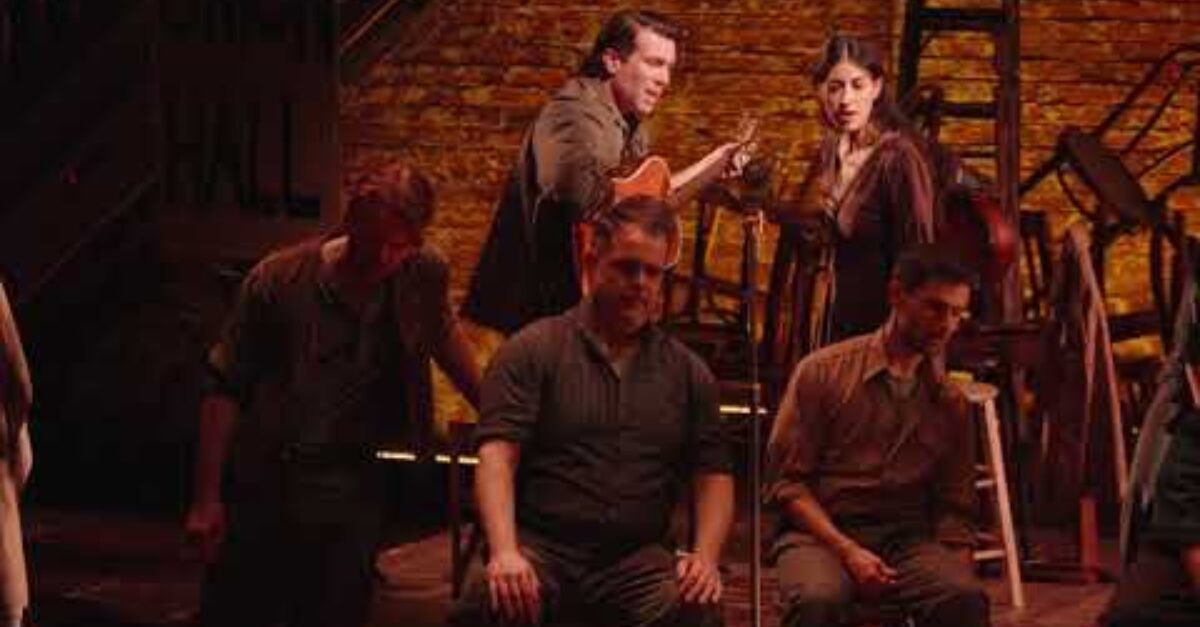
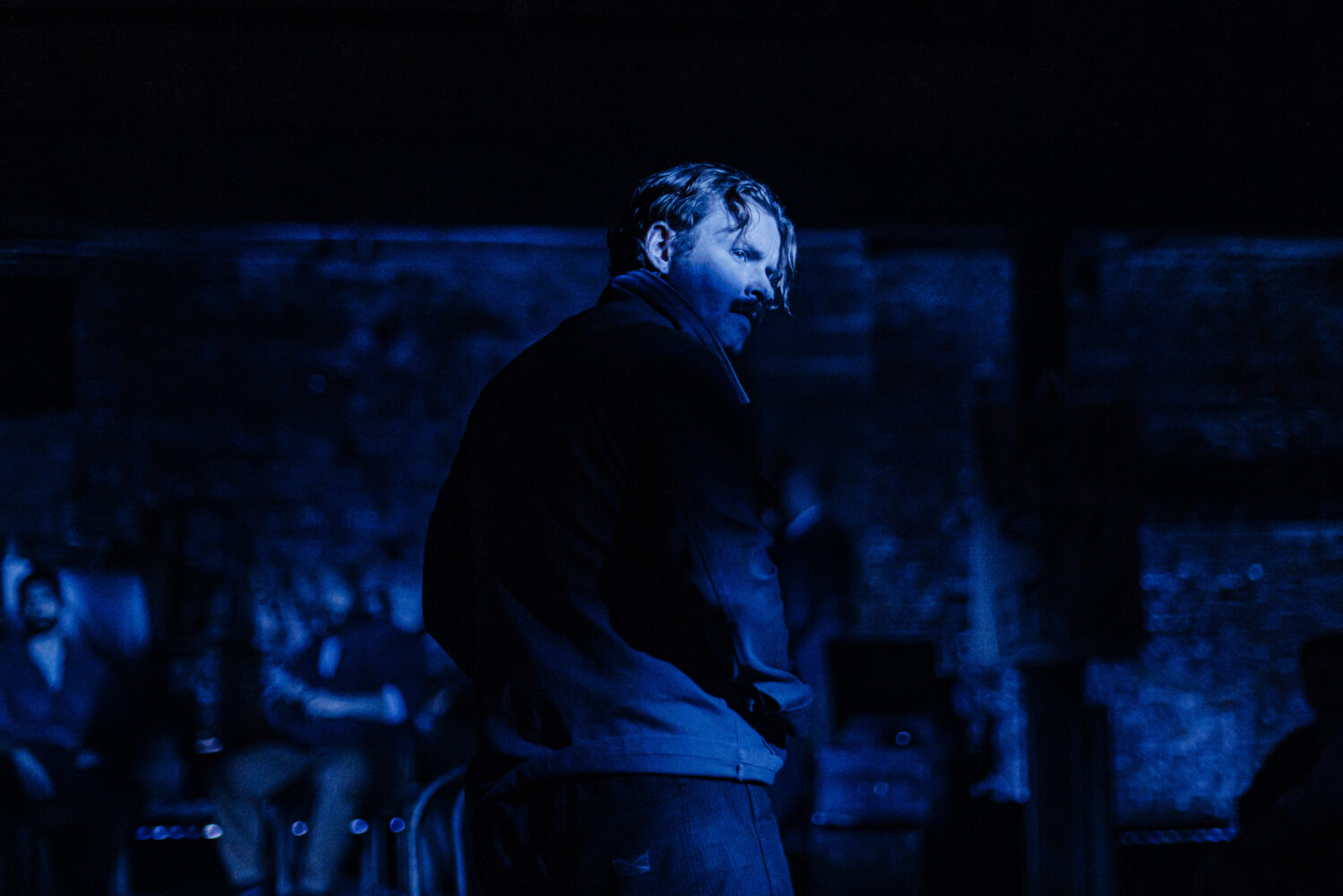
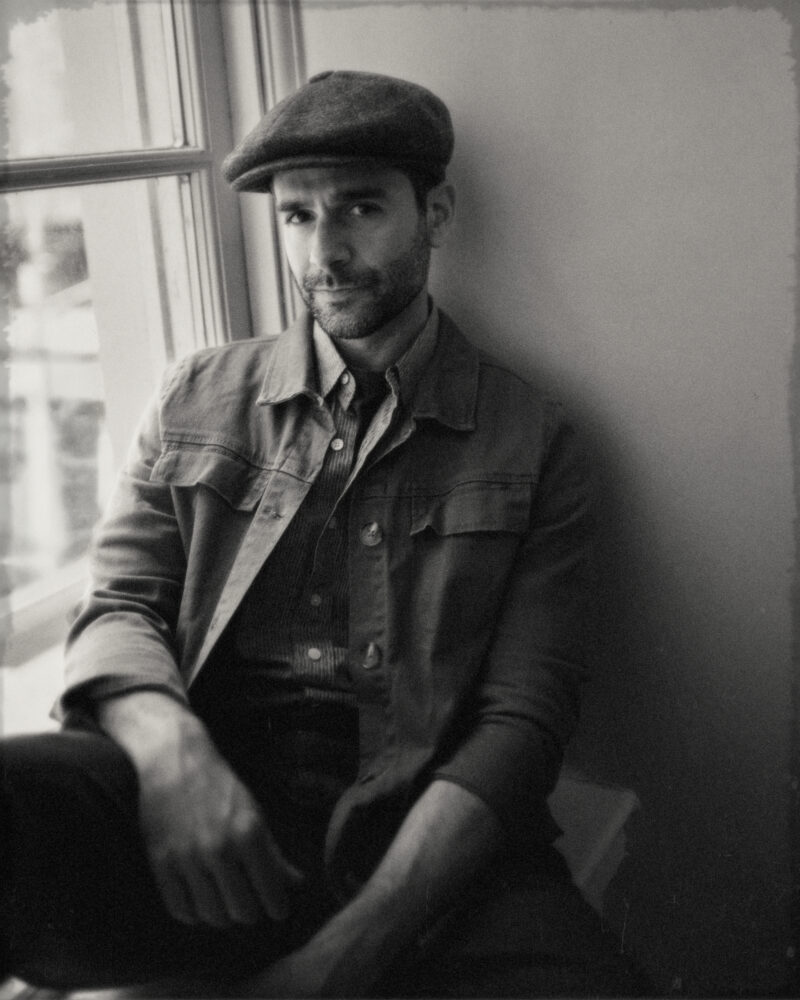
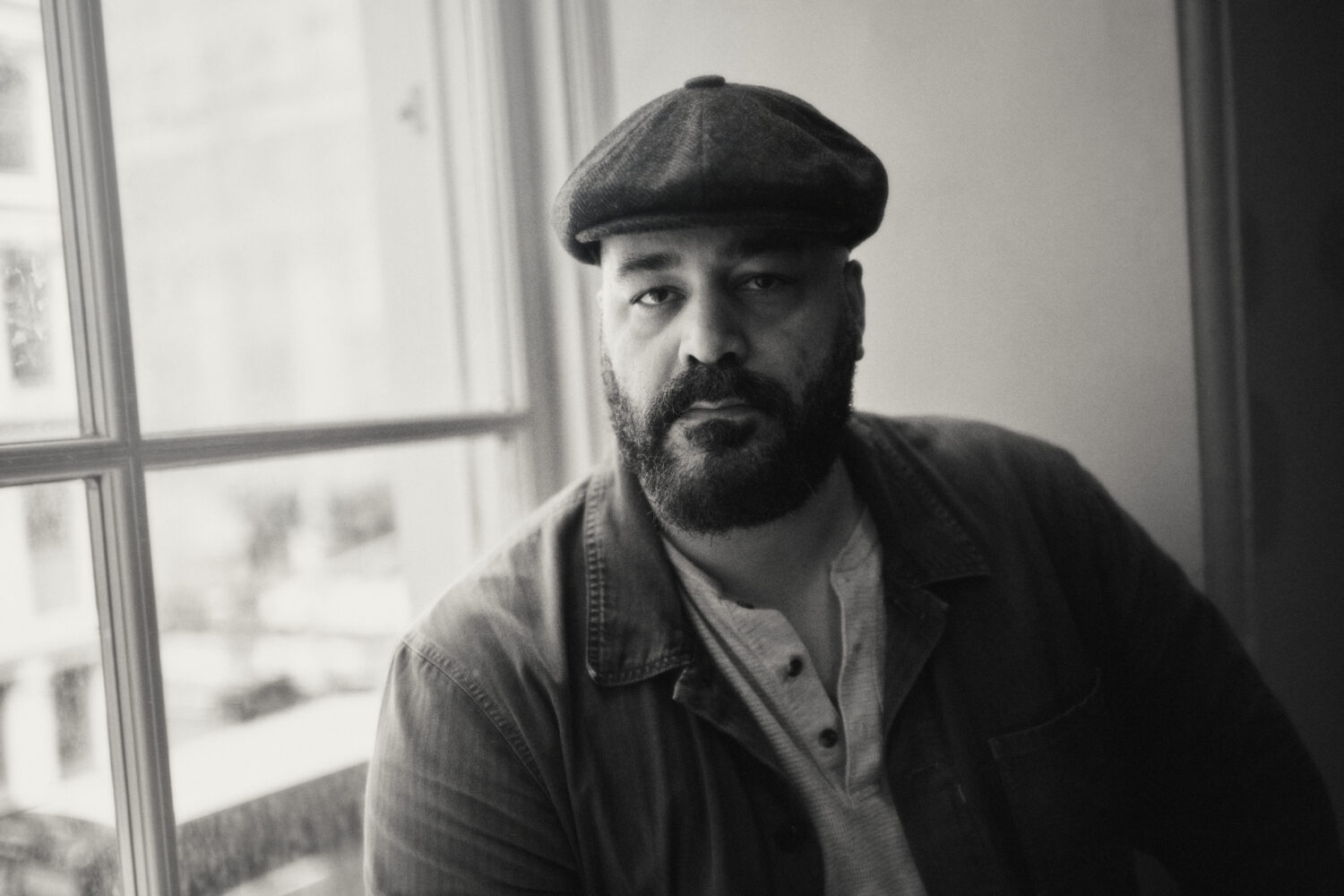
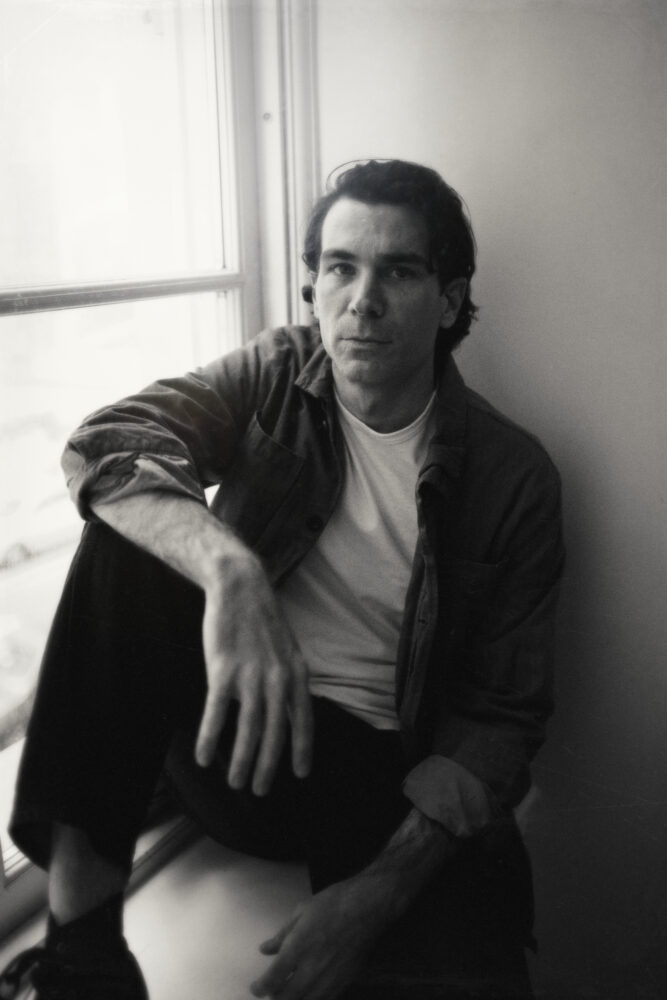
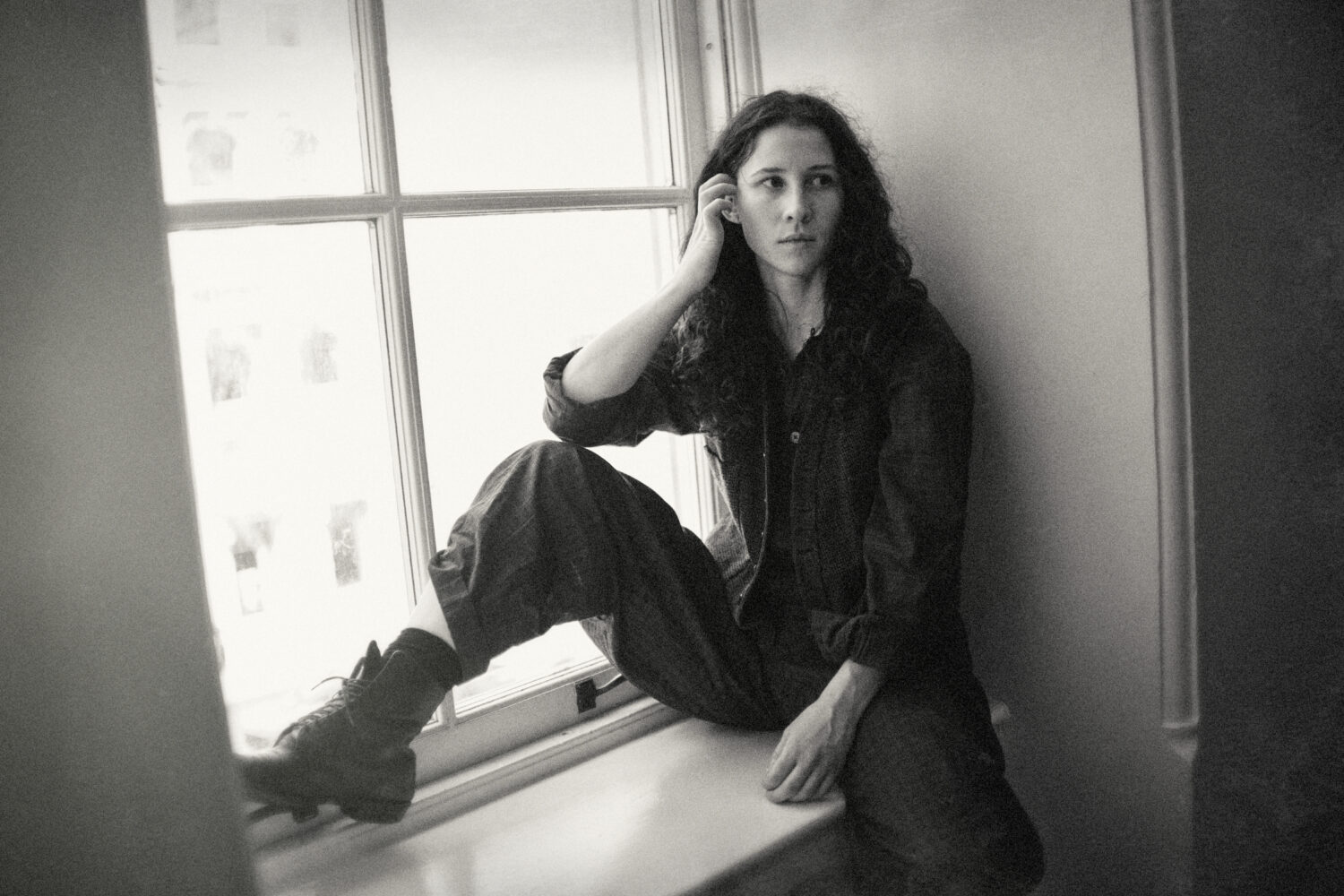
Following a rigorous preview period, Waiting for Lefty officially opened its doors on November 2, 2026. The production immediately drew attention for its bold departure from standard revival formats. Critics and audiences alike praised how the production successfully expanded a traditionally brief, half-evening piece into a fully realized, sensory-rich theatrical event. Through gripping performances captured brilliantly in production photography by Marc J. Franklin and striking promotional portraits by Valerie Terranova at the Gibney: Agnes Varis Performing Arts Center, the revival cemented its status as a high-water mark for Off-Broadway political theater.
Supporting Context & Metrics
Cast and Creative Roster
The success of the revival rests heavily on its meticulously curated ensemble. The production brings together actors renowned for their versatility across musicals, straight plays, and television:
Tala Ashe: Tony nominee recognized for her poignant work in English.
Raffi Barsoumian: Returning to CSC following acclaimed turns in Macbeth and Les Liaisons Dangereuses.
Austin Durant: Bringing powerhouse energy from Moulin Rouge! The Musical.
Greg Hildreth: A CSC regular known for I Can Get It For You Wholesale and Chicago.
Adam Kantor: Celebrated star of The Band’s Visit.
Doireann Mac Mahon: Acclaimed for her work in The Honey Trap.
Zach McNally: Bringing dynamic stage presence from West Side Story.
Sahar Milani: Co-founder of Yeller Tooth and star of Hound Dog.
Cameron Scoggins: Dual-threat artist contributing original music and fresh off The Hills of California.
Henry Stram: Veteran stage and screen actor seen in Network.
Production Metrics and Run Details
Venue: Classic Stage Company (Lynn F. Angelson Theater), located in New York City.
Official Opening Date: November 2, 2026.
Closing Date: November 29, 2026.
Original Source: Clifford Odets’ 1935 one-act classic.
Musical Contributions: Original music by Yeller Tooth (Sahar Milani and Cameron Scoggins).
Movement Direction: Susan Misner.
Visual Documentation: Production photography by Marc J. Franklin; promotional portraiture by Valerie Terranova at Gibney: Agnes Varis Performing Arts Center.
Official Statements and Artistic Vision
In an exclusive interview with Playbill prior to the opening, director Steven Pasquale articulated his precise artistic goals for the production, shedding light on how he assembled such a formidable cast:
"I wanted to do a Brechtian, full evening of Waiting for Lefty that feels multidisciplinary, and so I wanted to gather some of the city’s great shapeshifters, actors, mover, players, musicians, singers, comedians, dramatists, to take a really big swing and make a full evening out of what is traditionally a half of an evening. And so that’s how we ended up with this world-class room of people."
Pasquale further emphasized the organic nature of the casting process and the timeliness of the material:
"Nutshell? I basically just asked some of my favorite actors, and they all jumped at the chance to do this play at this moment in this country."
By framing the piece through a Brechtian lens—utilizing songs, direct addresses, and heightened physical movement—Pasquale ensures that the audience remains intellectually and emotionally engaged, viewing the historical plight of the taxi drivers through a lens that speaks directly to modern labor struggles and systemic economic disparity.
Future Outlook and Cultural Legacy
As Waiting for Lefty continues its limited run at the Classic Stage Company through November 29, its impact on the contemporary theatrical landscape is already palpable. By demonstrating that agitprop theater from the 1930s can be successfully reimagined as a vibrant, multidisciplinary event, Pasquale and his team have unlocked a new blueprint for reviving mid-century political drama.
The production proves that classic texts do not need to be sterilized or updated with heavy-handed modern references to feel relevant; rather, when paired with innovative staging, striking original music (courtesy of Yeller Tooth), and deeply committed performances from a world-class ensemble, the inherent truth of the text shines through.
Looking ahead, theatre practitioners and educators will likely study this mounting of Waiting for Lefty as a masterclass in ensemble-driven adaptation. For New York audiences fortunate enough to secure a ticket before the November 29 curtain falls, the production offers a rare, visceral reminder of theater’s power to unify, provoke, and inspire collective action.