
Executive Overview
In the hyper-accelerated ecosystem of modern music, the allure of the algorithmic shortcut remains a powerful siren song for emerging artists. The prevailing narrative often suggests that a single viral moment on TikTok, a sudden placement on a major streaming editorial playlist, or an unexpected algorithmic surge can instantly transform a bedroom producer into a global superstar. However, industry veterans who have spent decades navigating the shifting tides of the global music market recognize this phenomenon not as a golden ticket, but as a potential trap.
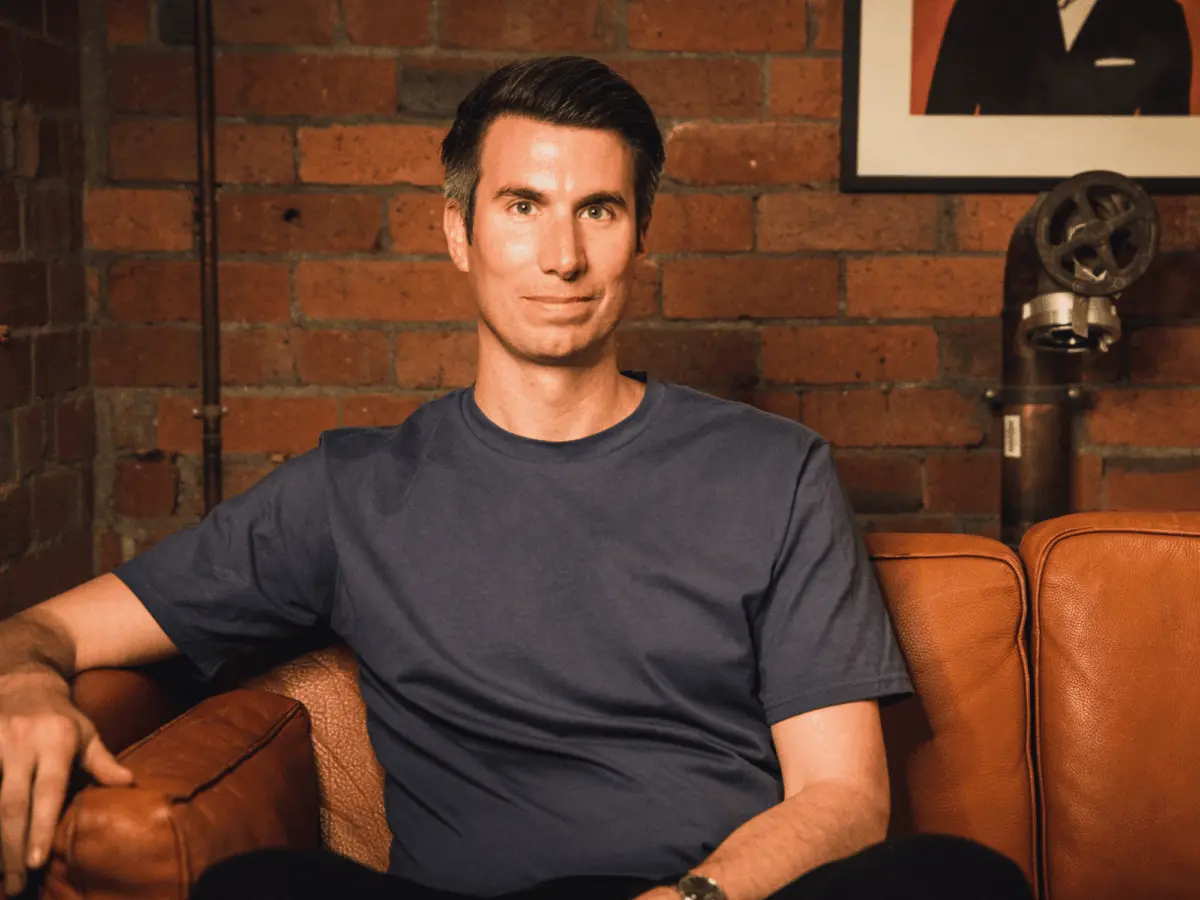
Jaddan Comerford, the founding CEO of Unified Music Group—an influential powerhouse responsible for helping numerous Australian acts break onto the international stage—is challenging the fast-growth ethos that dominates contemporary artist development. In a recent, in-depth interview with Artist Ally, Comerford dismantled the myth of instant, digital-first success, advocating instead for a return to foundational, long-term career building.
According to Comerford, the obsession with short-term metrics like streams and algorithmic placement often obscures the fundamental pillars of a lasting music career: authentic artistry, dedicated live performance, and deep, tactile connections with a core audience. As digital fatigue sets in among listeners bombarded by an endless stream of content, Comerford’s philosophy highlights a counter-intuitive yet proven roadmap for longevity: slow down, focus on the real world, and embrace the power of scarcity.
Detailed Chronology: The Evolution of Music Discovery and the Trap of the Quick Fix
To fully understand the weight of Comerford’s advice, it is essential to trace how the mechanics of music discovery have evolved over the past two decades.
The Era of Physical Gatekeepers (Pre-2010s)
Before the democratization of digital distribution, breaking an artist required navigating a strict hierarchy of gatekeepers. Record labels, radio programmers, physical record store buyers, and music journalists held the keys to the kingdom. While this system was notoriously difficult to penetrate, it naturally forced artists to hone their craft, build local followings, and develop robust live performance skills before ever reaching a national or international stage. Success, when it came, was usually built on a foundation of physical sales and tangible community engagement.
The Streaming and Algorithmic Gold Rush (2010s–Early 2020s)
As streaming services like Spotify and Apple Music revolutionized consumption, the traditional gatekeepers were largely replaced by algorithms, data-driven playlist curation, and social media virality engines. Suddenly, the barrier to entry evaporated. Anyone with a laptop and a distribution deal could upload a track to a global audience.
This democratization birthed a new gold rush. Artists and management teams shifted their primary focus toward "hacking the algorithm"—optimizing tracks for short attention spans, chasing playlist slots, and tailoring music specifically for social media hooks. Yet, as Comerford points out, this hyper-focus on digital metrics frequently created a house of cards: massive streaming numbers backed by zero real-world engagement, leaving acts unable to sell tickets, merchandise, or sustain a career once the algorithm moved on to the next trend.
The Post-Digital Fatigue and the Return to Roots (Present Day)
Today, the industry is experiencing a cultural correction. Consumers are increasingly exhausted by the relentless, algorithm-driven digital noise. Audiences are signaling a strong desire for authenticity, tactile experiences, and genuine community. It is within this modern context that Comerford’s recent advisory comments to emerging artists arrive—serving as a timely reminder that the old rules of artist development, rooted in patience and community, remain the most reliable predictors of career longevity.
Supporting Context & Metrics: The Reality of Modern Artist Development
Comerford’s warnings are backed by broader economic and consumer trends shifting across the global music landscape. Understanding why his advice resonates requires looking at the actual metrics of fan engagement versus passive consumption.
The Illusion of Streaming Numbers
Streaming analytics can often be deceiving. An artist can accumulate millions of streams via automated playlist placement or short-form video trends without building a loyal fanbase. In the language of the modern music business, "passive listeners" do not convert into "active buyers."
- Conversion Rates: Industry data consistently shows that artists who build their audiences organically through live performance and community building enjoy significantly higher conversion rates when selling concert tickets, vinyl, and high-margin merchandise.
- The Attrition Rate: Acts that experience sudden, algorithmic virality without a foundational fanbase often experience massive statistical drop-offs with subsequent releases. Without a deeply invested core audience to catch them, they fade from the cultural consciousness just as quickly as they arrived.
The Rise of Physical Media and Tactile Engagement
Paradoxically, in an era dominated by cloud storage and streaming, physical formats—particularly vinyl records and CDs—have experienced a remarkable resurgence. Music consumers are actively seeking physical artifacts that represent a deeper connection to the artist. Comerford’s recommendation to leverage physical scarcity taps directly into this consumer psychology. When fans can hold a tangible piece of music that only a few hundred other people own, the perceived value of that art skyrockets far beyond a digital stream that costs fractions of a cent.
Official Insights: Key Takeaways from Jaddan Comerford
In his dialogue with Artist Ally, Comerford outlined several core principles that every emerging artist and independent manager should consider. Below is a detailed breakdown of his primary advisory pillars:
1. Rejecting the Urge to Rush
The temptation to seek immediate validation is understandable in a world obsessed with overnight success stories. However, Comerford warns against the psychological trap of equating rapid metrics with artistic security.
"This feeling of, ‘If only I could go viral,’ or, ‘If only I could get on a playlist, everything would be okay.’ These sorts of things can be great, but without building foundations, those things can often be very short-lived," Comerford stated.
2. Prioritizing Authenticity and Live Performance
True career sustainability starts in the rehearsal room and on the stage. Comerford challenges artists to evaluate the core viability of their product before seeking global scale:
"Are you making music that you believe in, that you can authentically sell, and perform live, and convince people? Can you then build audience? Can you take that audience on a journey? These things take time, and things that take time are generally the things that last longer."
3. Escaping the Algorithm Treadmill
For artists burnt out by the constant pressure to feed social media recommendation engines, Comerford suggests stepping away from the feed and engaging in hyper-local, offline marketing initiatives. Ideas such as hosting pop-up performances in local parks, collaborating with regional peers on grassroots showcases, and stripping away digital saturation can create deeper, more memorable impressions on listeners.
4. Embracing Creative Scarcity
In an industry where infinite digital availability is the default, Comerford champions the power of intentional limitation. Recounting advice he recently gave to an emerging act, he suggested leaning into physical exclusivity:
"Release the first songs just on a CD, and just sell them to your 50 fans, or 100 fans… and make it limited, and make it scarce."
Acknowledging that this is hardly a novel invention, Comerford emphasized its renewed psychological power:
"It’s not an incredibly original idea — it’s been done forever. But fans increasingly want these experiences as we just get maybe slightly fatigued with all the various things coming at us digitally."
Future Outlook: What the Industry Can Expect Moving Forward
As the music business looks toward the horizon, the philosophy championed by leaders like Jaddan Comerford is poised to become a blueprint for independent success. The pendulum is swinging away from mass-scale, automated artist acquisition and swinging back toward boutique development, community-led marketing, and long-term career nurturing.
- The Decentralization of Success: Independent artists will increasingly realize that a massive global footprint is not a prerequisite for a lucrative and fulfilling career. Building a dedicated, highly engaged micro-community of 1,000 true fans who buy tickets, merch, and physical products can provide a far more stable income than millions of passive streams.
- The Return of Grassroots Marketing: Expect to see a renaissance in localized, physical promotional tactics. Pop-up shows, limited-edition physical runs, local scene collaborations, and direct-to-fan engagement will transition from nostalgic novelties back into essential industry strategies.
- A Shift in Label Services: Progressive independent labels and management firms—much like Unified Music Group—will increasingly focus on incubation rather than immediate exploitation, helping artists construct durable careers designed to weather the inevitable shifts in technology and consumer taste.
Ultimately, Comerford’s message serves as both a caution and an encouragement. While the digital age has democratized access to the global stage, it has not rewritten the fundamental laws of human connection. Art that lasts is still built on patience, authenticity, and the willingness to look your audience in the eye—one real fan at a time.