
Executive Overview
The intersection of high-fidelity live music recording and celluloid filmmaking has long produced some of the most enduring artifacts in popular culture. From Stop Making Sense to The Last Waltz, the marriage of a visionary director’s eye with a singular musical artist’s live performance creates a permanent cultural touchstone. Continuing this rich tradition, a major new cinematic and sonic project has been officially announced, bridging the worlds of indie-auteur cinema and contemporary alternative music.
This multi-faceted release pairs an anticipated live album with a striking companion concert film shot entirely on traditional 35mm and 16mm film stocks. The announcement follows last week’s revelation of the accompanying live audio record, produced and engineered by industry heavyweight Ariel Rechtshaid, whose extensive production credits include monumental work with global icons like Adele and alternative mainstays Vampire Weekend.
Behind the lens and across the production desks is a powerhouse roster of creative talent. The film was captured under the watchful eye of acclaimed filmmakers who were previously spotted embedded in the staging and crowds of intimate live performances, sending fan communities into a frenzy of speculation. Co-produced by renowned filmmaker and actor Benny Safdie—celebrated for his visceral, high-tension storytelling in modern classics such as Uncut Gems and the upcoming Marty Supreme—alongside a seasoned production team comprising Sara Murphy, Erica Frauman, and Maggie Ambrose, the project is shaping up to be one of the most visually arresting music-film crossovers of the decade.
To showcase the tactile beauty of its analog origins, the film is scheduled to hit North American theaters via an exclusive 35mm roadshow-style tour. Commencing this November in New York City, the itinerary will carve a path through major cultural hubs including Los Angeles, Washington D.C., San Francisco, Atlanta, Nashville, and several other select markets. With tickets slated to go on sale to the general public on September 17, and additional city dates promised in the weeks to follow, anticipation has reached a fever pitch. This comprehensive report delves into the anatomy of the project, exploring its genesis, the creative heavyweights involved, the tactile format choices, the tracklist offerings, and what this convergence means for the future of cinematic music distribution.
Detailed Chronology: From Intimate Stages to the Silver Screen
The genesis of this collaborative venture reads like a masterclass in guerrilla-style artistic creation, unfolding quietly in front of unsuspecting audiences before breaking into the public consciousness.
The Live Incubation Period
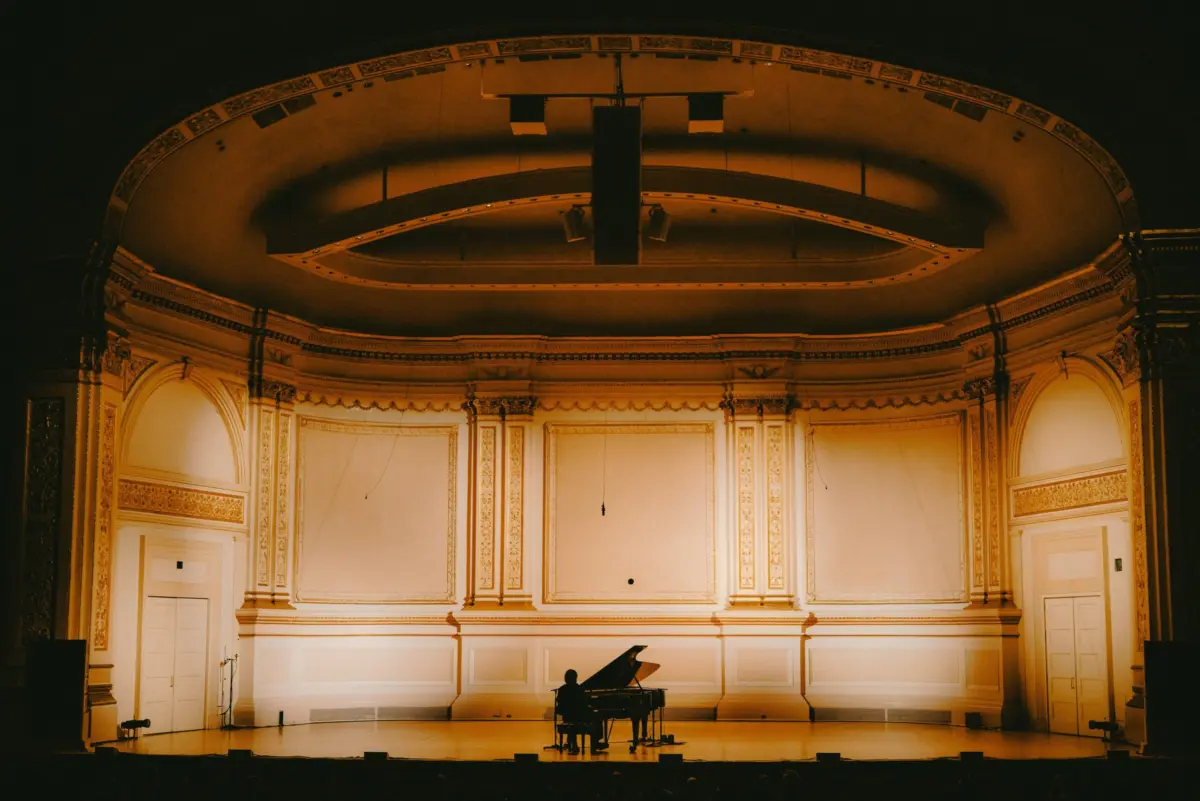
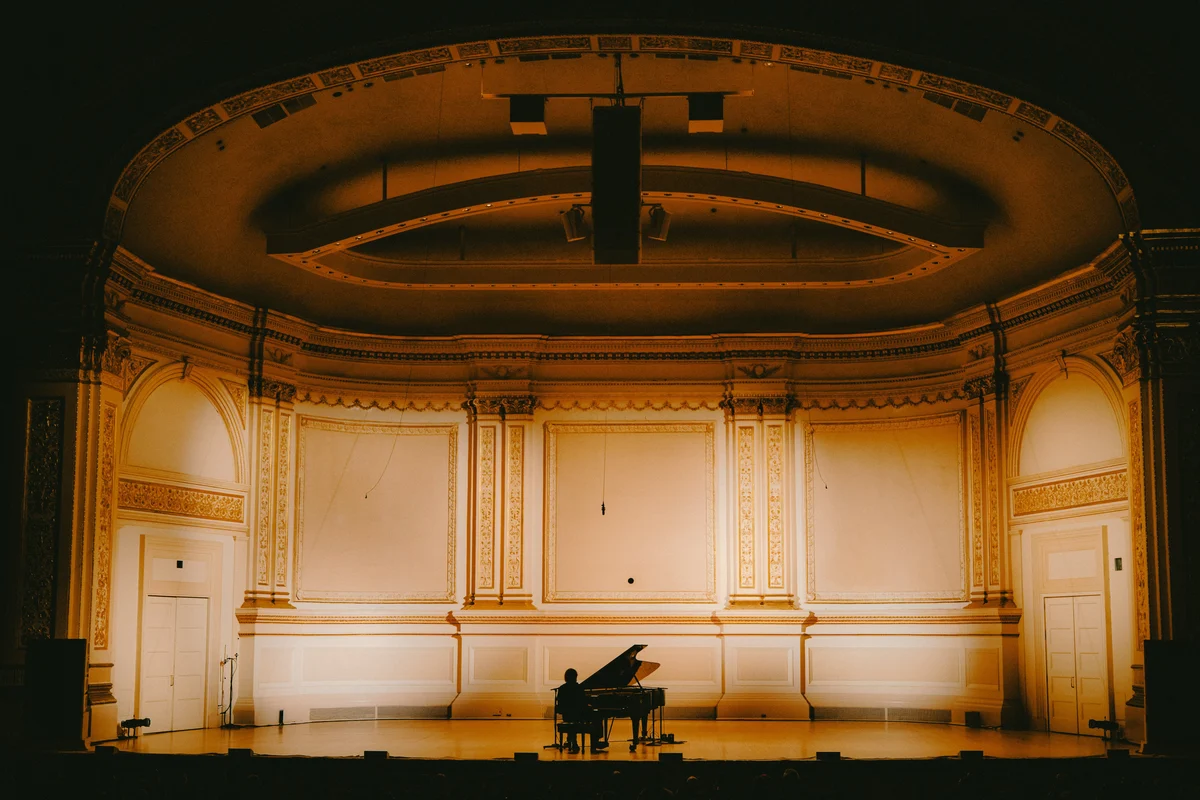
Months prior to any official press release, whispers began circulating within devoted music circles. During an intimate run of solo performances by alternative artist Winter, keen-eyed fans spotted prominent directors and film crews mingling with the crowd and operating directly onstage. Reports quickly flooded social media platforms detailing sightings of acclaimed filmmakers capturing raw, unvarnished footage from vantage points usually reserved for roadies and backing musicians.
At the center of this visual capture was a dedicated team utilizing physical film stocks—specifically 35mm and 16mm cameras. In an era dominated by hyper-digital, clean, and clinical 4K streaming capture, the decision to rely on the organic grain, dynamic range, and physical limitations of celluloid signaled an artistic ambition far beyond a standard concert video.
The Audio Foundation
While the visual elements were being meticulously framed on vintage film stocks, the sonic architecture of the project was taking shape under the guidance of producer Ariel Rechtshaid. Last week’s announcement of the companion live album shed light on the massive scale of the audio production. Rechtshaid, known for his ability to blend organic instrumentation with forward-thinking production aesthetics, was tasked with translating the raw energy of Winter’s live performances into an immersive auditory journey.
The live album is confirmed to feature standout performances spanning the breadth of Winter’s catalog. Fans can expect soaring renditions of tracks from the acclaimed debut album Heavy Metal, alongside beloved standalone singles and, crucially, three previously unreleased tracks that have only ever been experienced within the ecosystem of these live shows.
The Rollout Strategy
Following the dual announcements of the audio and visual components, the distribution strategy has emerged as a major talking point. Rather than opting for an immediate, ubiquitous streaming release—the default model for modern media consumption—the creative team has chosen a deliberately tactile and exclusive rollout.
Beginning in November, the film will embark on a dedicated 35mm theatrical tour. The choice to project physical film prints in select art-house and prestige cinemas underscores a commitment to preserving the communal, ritualistic experience of going to the movies. New York City will host the world premiere engagement, serving as the launchpad for a multi-city tour that will subsequently touch down in Los Angeles, Washington D.C., San Francisco, Atlanta, Nashville, and additional markets to be unveiled soon. General ticket sales for these highly anticipated screenings are scheduled to commence on September 17.
Supporting Context & Metrics: The Anatomy of a Modern Analog Production
To fully appreciate the weight of this release, one must examine the production pedigree, the choice of physical media, and the broader commercial landscape of cinematic music distribution.
The Creative Heavyweights
The project derives an immense amount of its cultural capital from its collaborators. Ariel Rechtshaid’s involvement ensures that the sonic landscape of the live album will meet the highest standards of contemporary production. Rechtshaid’s resume includes crucial contributions to some of the most critically lauded pop and alternative records of the 21st century. His ability to capture the spontaneity of a live room without sacrificing sonic clarity makes him the ideal partner for a project rooted in the unscripted magic of a live performance.
On the visual side, the presence of Benny Safdie as co-producer injects the enterprise with the gritty, authentic kinetic energy that defined Uncut Gems and Good Time. Alongside producers Sara Murphy, Erica Frauman, and Maggie Ambrose, the production team represents a formidable coalition of contemporary independent cinema powerhouses. Murphy, known for her work on critically acclaimed narrative features, brings structural rigor to the chaotic, beautiful world of live concert capture.
Celluloid in a Digital Age: The 35mm and 16mm Commitment
In an entertainment industry obsessed with high-frame-rate digital capture, algorithmic color grading, and frictionless home streaming, the decision to shoot and project exclusively on 35mm and 16mm film is a radical artistic statement.
- Texture and Atmosphere: Film stock captures light in a chemical, organic manner that digital sensors often struggle to replicate. The natural grain of 16mm brings an intimate, documentary-style immediacy to close-up shots of the performers, while the wider latitude and sharper resolution of 35mm provide sweeping cinematic scale to the stage design and audience reactions.
- The Theatrical Mandate: By routing the film through an exclusive 35mm theatrical tour, the creators are directly rebelling against the passive-consumption habits fostered by modern streaming platforms. Audiences will not be viewing this project on compressed smartphone screens or laptop monitors; they will be sitting in darkened auditoriums, enveloped by the literal mechanical clatter of a film projector and the physical warmth of celluloid light hitting a silver screen.
Tracklist Composition and Artistic Evolution
The accompanying live album is not merely a greatest-hits package packaged for a cash grab; it is a curated document of artistic evolution. By focusing heavily on material from Winter’s foundational debut album Heavy Metal, the record honors the body of work that established the artist’s core audience. However, the inclusion of fan-favorite singles alongside three entirely unreleased tracks elevates the release to essential listening status. These new compositions, road-tested and refined in front of live audiences, capture the artist at a transitional moment, hinting at the stylistic directions yet to come.
Official Statements & Industry Reception
While formal press releases have outlined the logistical milestones of the project, the broader cultural reaction has been shaped by the pedigree of those involved and the hushed excitement of industry insiders.
The Safdie Influence on Music Visuals
Benny Safdie’s transition into this collaborative project highlights a growing trend of narrative filmmakers bringing their distinct visual grammars to the realm of live music. Known for crafting nerve-wracking cinematic experiences that pull audiences directly into the claustrophobic reality of his characters, Safdie’s approach to music documentary filmmaking promises to eschew the polished, sanitized aesthetic of traditional concert films. Instead, early indicators suggest a visceral, high-contrast, and deeply immersive portrait of performance art.
Industry analysts have noted that the unexpected nature of the production—marked by unannounced on-stage sightings during Winter’s tour stops—was a calculated, highly effective marketing strategy. Rather than relying on traditional teaser trailers dropped months in advance, the production relied on organic word-of-mouth, fan photographs, and the mystique of independent cinema to build an aura of exclusivity.
Bridging Two Worlds: The Fan Base Intersection
The project successfully bridges two distinct cultural demographics: cinephiles devoted to physical media and auteur-driven independent cinema, and alternative music fans invested in the raw, uncompromised output of artists like Winter and producers like Rechtshaid.
Critics have pointed out that this cross-pollination is increasingly necessary in an era where traditional album cycles struggle to capture public imagination. By framing the music within a cinematic universe—complete with a theatrical roadshow and analog provenance—the release elevates a standard concert recording into a major cultural event.
Future Outlook: The Road Ahead and Beyond September 17
As the entertainment world looks toward the official ticket launch on September 17 and the subsequent theatrical rollout in November, several key questions remain regarding the long-term trajectory of the project.
Expanding the Footprint
While the initial theatrical tour targets major cultural capitals such as New York, Los Angeles, Washington D.C., San Francisco, Atlanta, and Nashville, the producers have explicitly confirmed that more cities will be announced in the coming weeks. This phased rollout strategy is designed to build localized demand and ensure that the limited 35mm print runs can be efficiently routed between participating independent cinemas and art-house theaters. Fans outside these initial hubs are eagerly watching for announcements regarding secondary and tertiary markets.
The Streaming Horizon vs. Physical Preservation
A central point of discussion among collectors and enthusiasts is the long-term distribution of the film and album after the theatrical roadshow concludes. While the live album has a secured audio release path backed by Ariel Rechtshaid’s production muscle, the exclusive nature of the 35mm theatrical tour suggests that home video or streaming options for the film may be deliberately delayed to preserve the theatrical exclusivity. For purists, this scarcity model is a welcome return to an era where experiencing art required physical presence and punctuality.
A Blueprint for Future Collaborations?
The success of this venture could well serve as a blueprint for future collaborations between narrative filmmakers and alternative musicians. By treating a live music performance not as a routine promotional obligation, but as a narrative canvas worthy of 35mm celluloid and top-tier independent production talent, Winter, Safdie, Rechtshaid, and their team have redefined what a concert film can achieve.
As September 17 approaches and ticket portals prepare for the rush, one thing is abundantly clear: the convergence of this sonic and cinematic vision is poised to be one of the defining cultural moments of the autumn season. Whether experienced in the warm glow of a New York art-house cinema or through the speakers of a high-end stereo system spinning Rechtshaid’s pristine live mix, audiences are about to witness the rare alignment of uncompromising artistic vision.