
Executive Overview
In the contemporary Christian music (CCM) landscape, standard single releases are a dime a dozen. Industry publications routinely navigate a ceaseless tide of radio-friendly pop tracks, worship ballads, and format-tailored anthems designed for seamless terrestrial broadcast. Yet, every so often, an artist breaks the mold, introducing a project so sonically unexpected and visually bold that it halts industry insiders in their tracks.
Enter Colton Dixon and his October single, “Bones.”
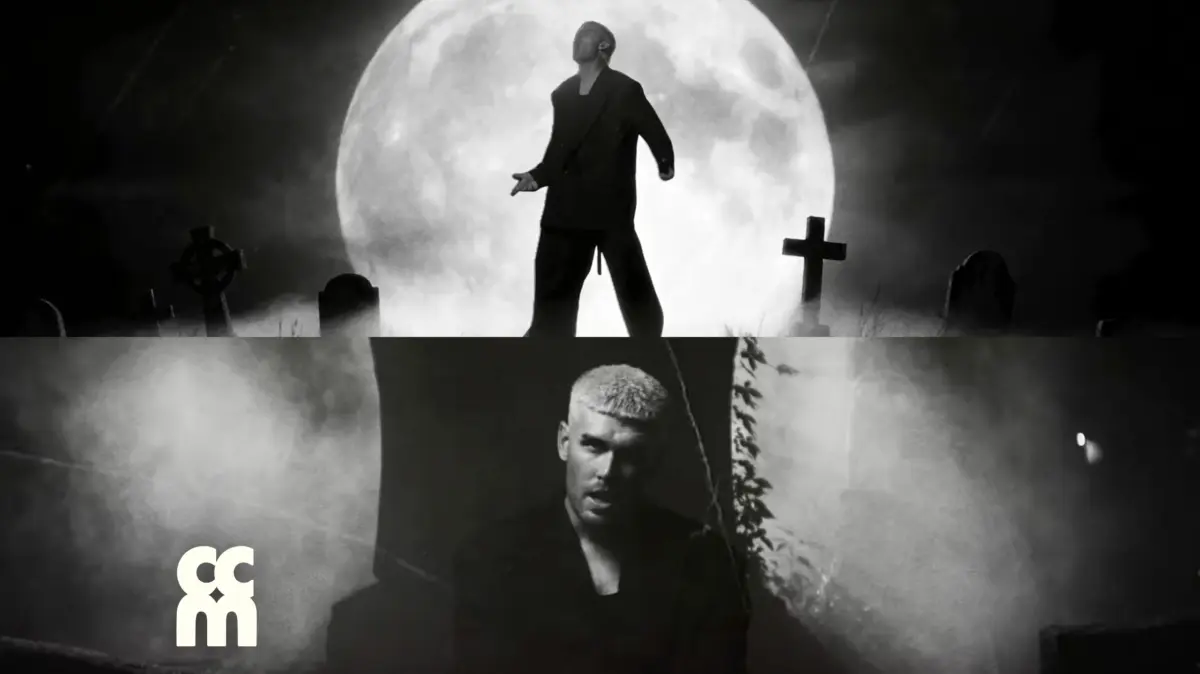
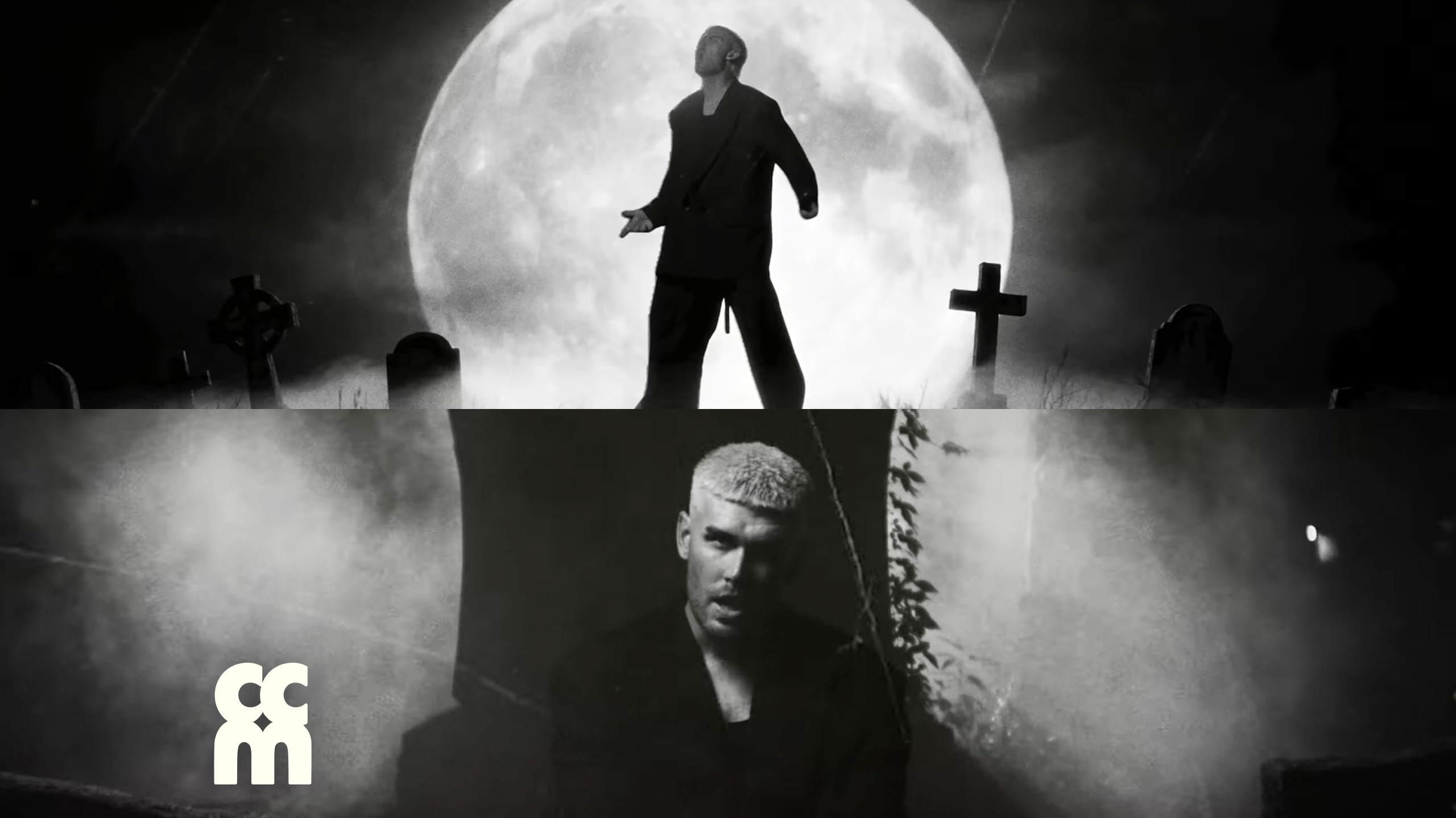
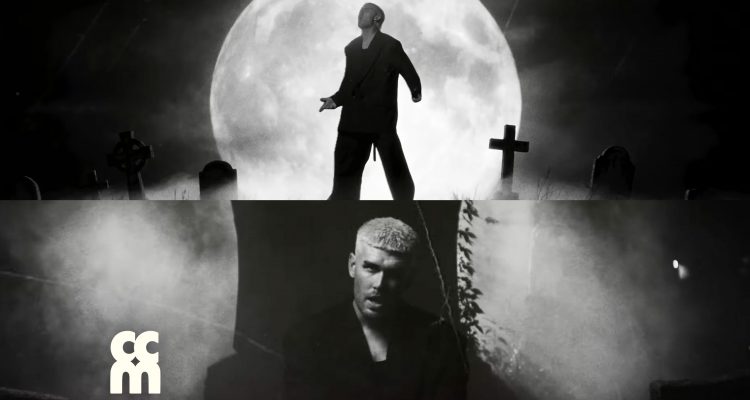
Stepping away from the hyper-polished pop sensibilities that have long defined his chart-topping career, Dixon has leaned hard into his rock roots. Complete with a cinematic music video featuring a gloomy cemetery, skeletal imagery, and a tongue-in-cheek gravestone reading “Here Lies Colton Dixon,” the track has quickly captured the imagination of fans, critics, and ministry leaders alike.
Far from a mere holiday gimmick, “Bones” serves as a deeply theological, high-energy response to the cultural noise surrounding the autumn season and Halloween. Drawing inspiration from the vivid prophetic imagery of Ezekiel 37—the famous biblical account of the valley of dry bones—Dixon uses the sonic power of modern rock to deliver a message of profound spiritual authority: speaking life into dead situations, battling chronic illness, overcoming despair, and witnessing miraculous restoration.
In this comprehensive feature, we examine the genesis of Dixon’s new track, his strategic return to a heavier rock sound, the theological framework connecting biblical prophecy to autumn imagery, and the broader conversation within the modern Christian community regarding how believers navigate the fall season.
Detailed Chronology
The journey to “Bones” did not happen overnight. It represents the culmination of fan demand, personal artistic evolution, and a deliberate creative pivot that Dixon began hinting at earlier in the year.
February 2026: Planting the Seeds with "The Love I Have For You"
The shift in Dixon’s musical trajectory first became apparent during the rollout of his earlier 2026 projects. When speaking with industry media outlets, including a headline feature as CCM Magazine’s February Cover Story, Dixon premiered the single “The Love I Have For You.”
For longtime followers who had tracked Dixon’s journey since his days on American Idol and his subsequent electronic-tinged pop releases, the track felt like a breath of fresh air. It featured a grittier edge and an expansive dynamic range, laying the groundwork for a broader sonic transition. Behind the scenes, Dixon was listening closely to a persistent refrain from his core fanbase: “Bring back the rock.”
October 2026: The 2026 Dove Awards and Red Carpet Revelations
The momentum reached a fever pitch during the red carpet festivities at the 2026 Dove Awards in Nashville, Tennessee. Amidst the flurry of industry networking and celebration, Dixon provided a sneak peek into his creative mindset, confirming that his upcoming releases would continue to satisfy fans craving heavier arrangements.
"I have a lot of fans who still to this day, they’ll comment on social media. They’re like, bring back the rock, you know?" Dixon shared during a red carpet interview. "I feel like ‘The Love I Have For You’ was kind of a step in that direction. And ‘Bones’… is another step in that direction. Not saying we’re full sending [yet]."
While Dixon teased more rock-infused anthems on the horizon, he kept the true thematic and visual scope of his upcoming release under wraps—specifically, his embrace of childhood Halloween nostalgia combined with profound biblical narrative.
October 9, 2026: The Official Release of “Bones”
On October 9, 2026, Dixon officially unleashed “Bones” onto streaming platforms, accompanied by a high-concept music video. The visual accompaniment immediately generated buzz across Christian media circuits. Featuring skeletal motifs, graveyard settings, and a humorous nod to his own demise via a personalized tombstone, the video defied traditional expectations for mainstream Christian pop music.
Simultaneously, interviews with specialized outlets like ChurchLeaders and DeWayne Hamby’s Reel Faith podcast revealed the deeper theological and personal motivations driving the track. What began as a childhood affinity for elaborate costumes and theatrical fall festivities evolved into a profound meditation on spiritual revival, culminating in one of the most talked-about crossover singles of the autumn season.
Supporting Context & Metrics: The Evolution of CCM Rock and Seasonal Outreach
To fully understand the impact of “Bones,” one must analyze the broader landscape of contemporary Christian music and the unique sociological position Christians occupy during the month of October.
The Revival of Rock in Contemporary Christian Music
Over the past decade, CCM radio has largely favored polished pop, atmospheric worship, and synth-driven melodies. While these subgenres have successfully connected with mass audiences and Sunday morning liturgies, a vocal segment of the fanbase has consistently advocated for a return to guitar-driven, high-energy rock—a style that historically defined foundational CCM acts in the 1990s and 2000s.
Dixon’s strategic pivot acknowledges this market demand without entirely alienating his commercial base. When pressed about whether his radio-friendly pop days were entirely behind him, Dixon offered a characteristically pragmatic and lighthearted response:
"That’s right. We got to pay the bills."
By balancing commercial viability with artistic catharsis, Dixon has managed to satisfy legacy rock enthusiasts while maintaining the melodic accessibility required for modern chart success.
Reclaiming the Cultural Space of October
Beyond the music industry, “Bones” taps into an ongoing cultural and theological debate within Western Christianity: how believers should approach the Halloween season.
Historically, responses within the church have spanned a wide spectrum. Some communities embrace alternative harvest festivals or trunk-or-treat events, while others completely disengage from the holiday due to concerns over its darker thematic elements and cultural associations with fear and mortality.
However, a more nuanced pastoral perspective has gained traction in recent years—one that views October 31 not as a date to be feared, but as a unique sociological anomaly. As ministry leaders frequently note, Halloween remains the single night of the year when complete strangers—neighbors who might never step foot inside a church building—voluntarily approach residential front doors.
By transforming traditional spooky imagery—skeletons, graves, and dry bones—into a metaphor for divine resurrection, Dixon’s “Bones” provides a bridge. It meets the culture on its own seasonal terms while subverting the narrative of death with an unmistakable message of ultimate hope.
Official Statements & Theological Framework
The thematic core of “Bones” is rooted not in secular horror tropes, but in one of the most vivid prophetic texts of the Old Testament: Ezekiel 37.
The Biblical Inspiration: Ezekiel 37 and the Valley of Dry Bones
During his press rounds at the 2026 Dove Awards, Dixon detailed the lightbulb moment that sparked the song’s creation. Reflecting on his lifelong affinity for Halloween—dating back to his childhood days of wearing intricate costumes and utilizing fake blood—Dixon noted how his appreciation for the season matured alongside his faith.
While reading through the biblical account of the prophet Ezekiel standing in a valley filled with dry, sun-bleached bones, Dixon experienced a humorous yet profound realization.
"I remember reading that passage," Dixon joked in an interview with ChurchLeaders. "I’m like, dude, I’m pretty sure this means that zombies were in the Bible. I’m just saying."
Beneath the humor, however, lies a serious theological premise. In Ezekiel 37, God asks the prophet if the dry bones scattered across the valley can live again. When Ezekiel responds, "O Sovereign Lord, you alone know," God commands him to prophesy over the bones, commanding breath and life to enter them. Instantly, the bones assemble, flesh covers them, and a vast army stands up, representing the restoration of Israel.
Prophesying Over Dead Situations
Expanding on this theme in his conversation with DeWayne Hamby on Reel Faith, Dixon explained how the ancient text applies directly to contemporary struggles. The song is designed to serve as an active catalyst for believers facing seemingly impossible circumstances.
"If you’re looking at this dead thing in your life… whether you can’t get pregnant, you’ve got this sickness that’s hanging on you, whatever it is—speak to it, prophesy over it," Dixon explained. "And I believe that you’ll see dead things come to life."
This perspective shifts the song from a seasonal novelty into a declarative anthem of spiritual warfare and resilience. Whether listeners are battling chronic illness, marital breakdown, financial ruin, or deep-seated despair, “Bones” directs attention away from permanent decay and toward the resurrection power of God. It treats the imagery of death not as an end, but as a canvas upon which divine restoration can be painted.
Future Outlook
As “Bones” continues to gain momentum across streaming platforms, terrestrial radio, and digital video channels, its long-term impact on Colton Dixon’s career is becoming increasingly clear.
- A Blueprint for Future Releases: By successfully bridging the gap between heavy rock instrumentation and profound theological depth, Dixon has established a winning formula. Fans can anticipate future projects to lean further into the guitar-driven sound they have clamored for, without sacrificing the lyrical integrity that defines his ministry.
- Shifting Seasonal Playlists: “Bones” is uniquely positioned to secure a recurring spot on Christian alternative and rock playlists every autumn. By creating a track that leans into the cultural mood of October while maintaining a strictly redemptive message, Dixon has carved out a distinct seasonal niche.
- Redefining Community Outreach: The conversation sparked by the single—encouraging believers to view seasonal cultural touchpoints as opportunities for hospitality, light, and engagement rather than isolation—resonates strongly with modern church leadership. As believers prepare their front porches for trick-or-treaters, anthems like “Bones” serve as a reminder that hope can be projected boldly into the darkness.
Ultimately, Colton Dixon has delivered much more than a catchy seasonal single. With “Bones,” he has proven that rock music still has a vital pulse within contemporary Christian culture, and that even the driest, most forgotten bones can—and will—live again.