
By Francisco Salazar
Published by OperaWire / Special to Performing Arts Journal
Executive Overview
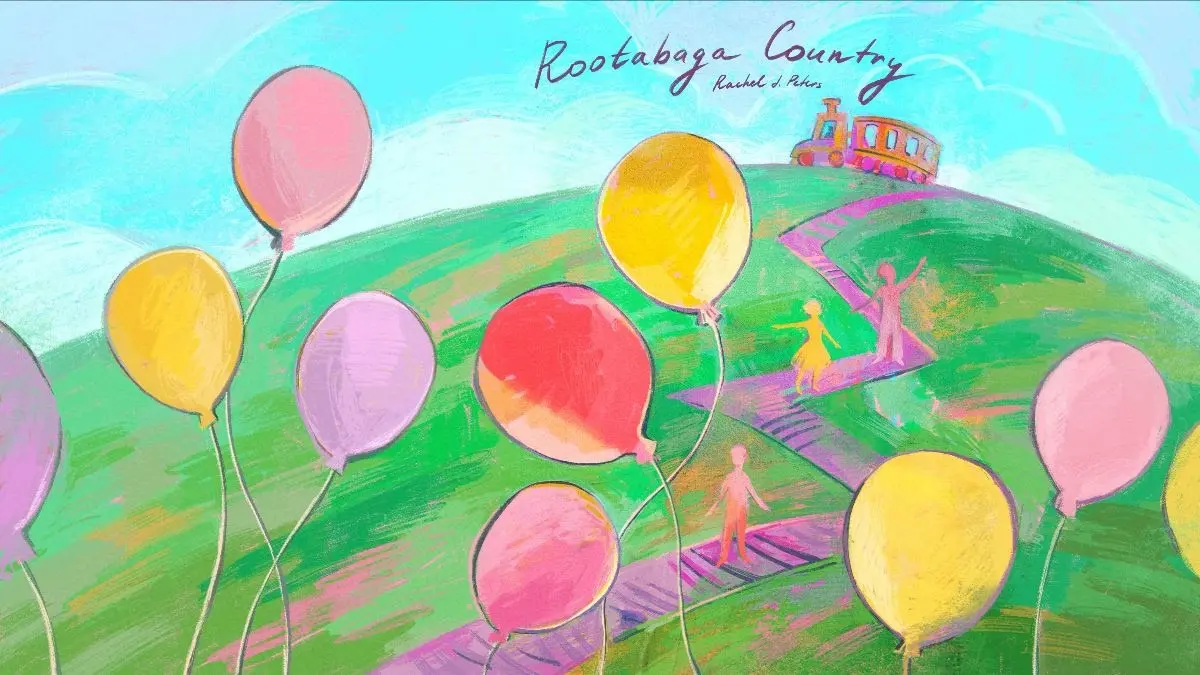
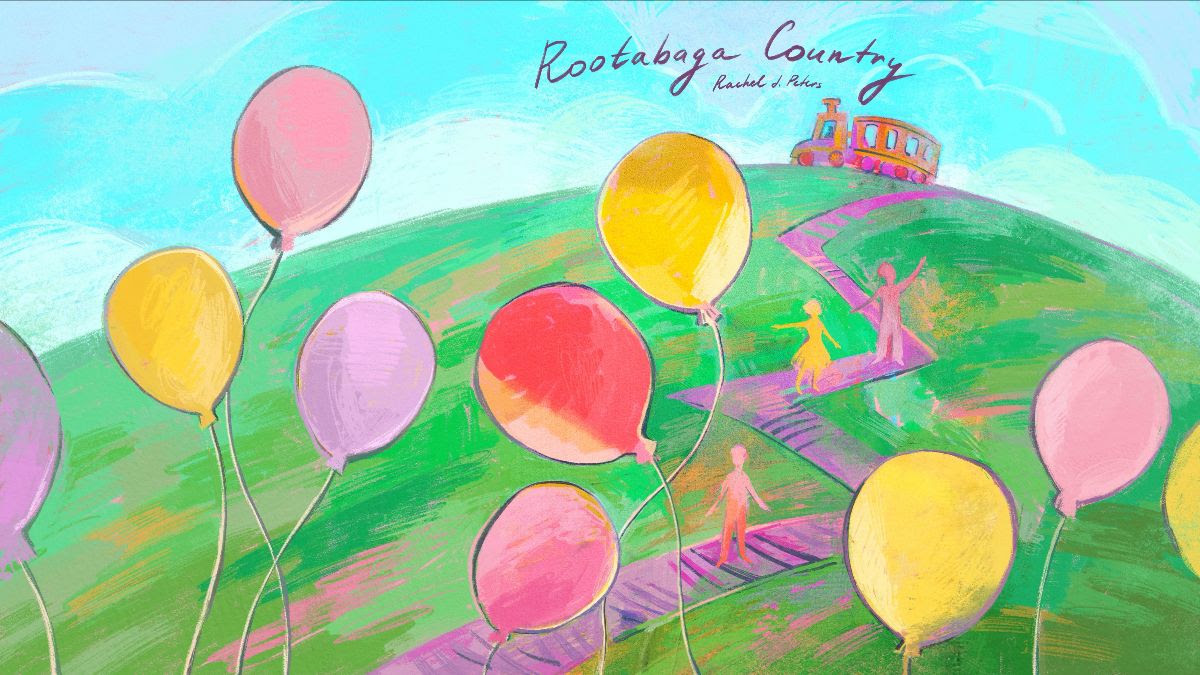
The Sarasota Youth Opera, widely recognized as a premier national institution for youth vocal education and theatrical training, has officially announced its upcoming production of Rootabaga Country, a whimsical and enchanting one-act opera composed by Rachel J. Peters. Scheduled for performances on November 7 and 8, 2026, the production promises to be a landmark event for the renowned company, blending contemporary operatic composition with the raw, unbridled talent of some of the country’s most promising young artists.
At the helm of this artistic endeavor is a formidable creative team. The production will be conducted by maestro Jessé Martins and directed by veteran opera director Martha Collins. The cast features rising professionals alongside exceptional young talent, including tenor Dylan Schang, baritone Riley Findley, and twelve-year-old soprano Abril Sanchez-Rodriguez in her debut leading role.
Since its establishment in 1984, the Sarasota Youth Opera Program has operated under the philosophy that young people are capable of executing complex, full-scale operatic works with professional rigor. By commissioning and staging contemporary pieces like Rootabaga Country, the organization continues to bridge the gap between classical heritage and modern storytelling. This forthcoming production not only underscores the enduring vitality of youth arts education in the United States but also highlights Sarasota’s unique role as an incubator for the future stars of the lyric stage.
Detailed Chronology: The Path to the 2026 Premiere
The journey toward the November 2026 premiere of Rootabaga Country is the result of years of careful artistic planning, institutional growth, and collaborative vision between the Sarasota Opera leadership and contemporary composers.
The Evolution of Sarasota Youth Opera
To understand the significance of the 2026 production, one must examine the trajectory of the Sarasota Youth Opera program. Founded four decades ago, the program was envisioned not merely as an after-school choir, but as a comprehensive training ground encompassing all facets of operatic performance—including vocal technique, dramatic interpretation, stage movement, and language coaching. Over the decades, the program has grown exponentially, serving hundreds of young people annually and earning praise from critics, educators, and major figures in the classical music world.
The decision to schedule Rootabaga Country for the late fall of 2026 represents the culmination of a multi-year strategic plan aimed at expanding the organization’s contemporary repertoire. While standard youth opera programming often relies on simplified arrangements of historical masterpieces or whimsical adaptations with modest orchestral demands, Sarasota has consistently pushed the envelope by introducing young performers to complex contemporary idioms.
Production Development and Rehearsal Milestones
Planning for a high-level youth opera production requires a synchronized timeline that accounts for the academic schedules of the student performers, the availability of visiting professional artists, and the intricate technical demands of modern stagecraft.
- Early Planning Phase (2024–2025): The artistic leadership at Sarasota Opera, led by general director Victor DeRenzi and supported by educational coordinators, selected Rachel J. Peters’ Rootabaga Country for its unique blend of literary charm and vocal accessibility. Rights acquisitions, score evaluations, and preliminary design concepts were finalized during this period.
- Casting and Creative Integration (Spring–Summer 2026): Auditions for principal roles and chorus positions took place across the region, identifying exceptional talents such as twelve-year-old Abril Sanchez-Rodriguez. Concurrently, conductor Jessé Martins and director Martha Collins began mapping out the musical and spatial dynamics of the production.
- Intensive Rehearsal Period (Fall 2026): As the performance dates of November 7 and 8 approach, the young artists enter a rigorous rehearsal schedule. This phase focuses on integrating the student chorus with professional guest artists Dylan Schang and Riley Findley, ensuring a seamless musical dialogue across generations of performers.
- Tech Week and Premiere (November 2026): The final week leading up to the weekend performances involves full orchestral integrations, lighting cue refinements, and costume fittings on the main stage of the Sarasota Opera House.
Supporting Context & Metrics: The Sarasota Youth Opera Model
The success of productions like Rootabaga Country is not accidental; it is built upon a robust administrative framework, community engagement initiatives, and rigorous educational metrics that have set the gold standard for youth opera in North America.
Educational Infrastructure and Methodology
The Sarasota Youth Opera is built upon a multi-tiered curriculum designed to accommodate varying levels of experience while maintaining high artistic standards. The program is divided into several sections:
- The Youth Chorus: Open to students of various ages, focusing on basic vocal health, ensemble singing, and musical literacy.
- Main Stage Participation: Advanced students are integrated directly into the professional Sarasota Opera season, performing alongside international artists in grand-scale productions such as Carmen, La Bohème, and Tosca.
- Specialized Workshops: Masterclasses led by visiting directors, vocal coaches, and principal artists provide students with insights into the realities of a professional singing career.
Institutional Impact: By the Numbers
Quantifying the impact of the Sarasota Youth Opera reveals an organization of remarkable scale and longevity:
- 42 Years of Excellence: Established in 1984, the program has continuously operated for over four decades, outliving many regional arts initiatives.
- Thousands of Alumni: Over the course of its history, the program has trained thousands of young people, many of whom have gone on to pursue professional careers in music, theater, arts administration, and education.
- National Recognition: Sarasota Youth Opera is frequently cited by Opera America and other national arts advocacy organizations as a pioneering model for youth engagement, having even commissioned and premiered several youth-focused operas of its own.
The Significance of Contemporary Repertoire
Staging works like Rootabaga Country by Rachel J. Peters serves a dual purpose. First, it introduces young audiences to the distinct stylistic language of contemporary classical music, breaking down the misconception that opera is an ossified museum art form. Second, it provides young performers with texts and musical motifs that reflect modern sensibilities while drawing upon rich literary traditions. Peters’ work, known for its rhythmic drive, melodic inventiveness, and theatrical verve, provides an ideal vehicle for developing the nuanced musicianship required of 21st-century vocalists.
Official Statements and Artistic Perspectives
The announcement of the Rootabaga Country production has elicited enthusiastic responses from both the creative team and the young performers who will bring the work to life on stage.
The Voice of Youth: Abril Sanchez-Rodriguez
At the center of the production’s emotional core is twelve-year-old soprano Abril Sanchez-Rodriguez, who steps into her first major leading role. Reflecting on the opportunity, Sanchez-Rodriguez shared her excitement and profound connection to the material:
"This is my first main role, and it is amazing to be in the center of the story. I love everything about this magical opera. I hope the audience will feel what I feel and be uplifted by the beautiful music."
Her perspective highlights the transformative power of the program. For a young artist, carrying the emotional weight of a narrative on a professional stage builds invaluable poise, empathy, and artistic discipline—skills that extend far beyond the boundaries of the theater.
Leadership and Creative Vision
Director Martha Collins, whose extensive career spans regional houses and academic institutions alike, emphasizes the collaborative nature of working with youth artists. According to Collins, the goal of directing a youth opera is never to "water down" the theatrical experience, but rather to empower young performers to discover their own authentic emotional responses to the text.
Similarly, conductor Jessé Martins brings a wealth of experience to the orchestral pit, ensuring that the instrumental textures of Peters’ score support and elevate the youthful voices without overwhelming them. The inclusion of seasoned professionals like tenor Dylan Schang and baritone Riley Findley creates a vital mentorship dynamic on stage, allowing the students to absorb professional stagecraft through direct, real-time collaboration.
Future Outlook: The Horizon of Youth Opera in America
As the cultural landscape continues to evolve in the face of shifting economic realities and technological disruptions, institutions like the Sarasota Youth Opera serve as crucial bastions for the preservation and renewal of the performing arts.
Cultivating Tomorrow’s Audiences and Artists
The long-term viability of opera as an art form depends entirely on early exposure and active participation. By engaging children not merely as passive spectators in the audience, but as active creators and interpreters on stage, the Sarasota Youth Opera ensures that the next generation holds a deep, personal stake in the future of the art form. Graduates of the program often become lifelong patrons, donors, and advocates for classical music, regardless of whether they pursue professional performance careers.
Expanding the Canon of Youth-Centric Works
The upcoming production of Rootabaga Country signals a broader industry trend toward expanding the repertoire specifically written for young voices. For decades, composers and librettists largely ignored the unique vocal capacities and dramatic interests of adolescents and children, forcing youth groups to rely on awkward transpositions or overly simplistic children’s musicals. Today, the emergence of sophisticated contemporary works by composers like Rachel J. Peters demonstrates that young performers are fully capable of handling complex harmonies, intricate rhythms, and sophisticated dramatic themes.
Looking Ahead to November 2026
As preparations intensify for the November 7 and 8, 2026 performances, anticipation within the Sarasota community and the broader classical music world continues to build. The convergence of a visionary creative team, a celebrated contemporary score, and the boundless enthusiasm of young artists guarantees that Rootabaga Country will be a defining moment in the artistic season.
Ultimately, the production stands as a shining testament to the visionaries who founded the Sarasota Youth Opera four decades ago. By continuing to invest in the artistic potential of young people, the institution does more than stage successful theatrical works—it helps shape the future of culture itself, ensuring that the rich tradition of the lyric stage remains vibrant, relevant, and alive for generations to come.