
Executive Overview
For modern music educators, the official job description rarely captures even half of the daily reality. Beyond teaching core musical concepts, directors serve as counselors, mediators, mentors, coaches, cheerleaders, schedule-jugglers, and, on some days, miracle workers. They pour their time, passion, and expertise into their students, their music programs, and their broader school communities every single day.
Yet, in an era marked by shifting educational landscapes, tightening budgets, and increased administrative demands, the last thing an educator needs is a digital tool that adds complexity to an already overflowing plate. What music teachers truly deserve is a reliable, intuitive partner that helps them work smarter—streamlining operations from the nervous excitement of the first week of school all the way through the high-stakes spring concert season and beyond.
Enter MakeMusic, a comprehensive digital platform designed from the ground up to alleviate administrative burdens and elevate instructional quality. Far more than a simple digital sheet music repository, MakeMusic functions as an end-to-end curriculum planning ecosystem. By bridging the gap between repertoire selection, daily practice, assessment, and student engagement, the platform empowers directors to focus on what matters most: inspiring the next generation of musicians. This report examines how MakeMusic is transforming curriculum planning, supporting holistic program development, and driving long-term student retention in music education.
Detailed Chronology: Navigating the Academic Year with MakeMusic
Effective music education is rarely improvised; it is the result of deliberate, forward-looking planning. To maximize instructional impact, MakeMusic advocates for a systematic approach to the academic calendar, structured around key developmental milestones.
Phase 1: Pre-Planning & Goal Setting (Summer / Early Fall)
Great teachers always plan backwards, and there is no better place to start the academic year than by defining clear, actionable goals for festival evaluations, contests, and major performances.
- Defining the Target: Whether an ensemble is chasing a superior rating at a state evaluation, tackling a ambitious cornerstone piece, or simply working to rebuild a post-pandemic program by boosting morale and sparking joy, these objectives serve as the North Star for the entire curriculum.
- Mapping the Path: MakeMusic allows directors to align their pedagogical goals with appropriate repertoire before the school year even begins. By establishing clear endpoints, the day-to-day journey of the ensemble becomes infinitely easier to navigate with intention and precision.
Phase 2: Repertoire Integration and Daily Rehearsals (Fall / Winter)
Once the overarching goals are set, the focus shifts to daily execution. Repertoire choice is the heartbeat of any music program, and MakeMusic provides access to an expansive library designed to do far more than merely check a box on a contest list.
- Engaging the Ensemble: Beyond standard contest titles, the platform hosts exclusive, modern content engineered to genuinely excite students. By introducing diverse genres, contemporary arrangements, and dynamic warm-ups, educators can keep practice engagement high both inside and outside the classroom.
- Fostering Independent Growth: During the winter months—often characterized by fatigue and routine—MakeMusic’s interactive practice tools give students immediate, actionable feedback. This independent reinforcement ensures that rehearsal time is spent refining artistry rather than simply correcting basic note and rhythm errors.
Phase 3: Evaluation, Festival Season, and Spring Concerts (Spring)
As winter transitions into spring, the focus shifts toward formal assessments, adjudication, and final showcase performances.
- Targeted Differentiation: No two students learn at the exact same pace. MakeMusic equips directors with differentiated tools to reach every learner efficiently—from the ambitious section leader seeking advanced challenges to the struggling student still finding their footing.
- Refining Performance Standards: With precise assessment metrics and comprehensive sight-reading resources, directors can accurately gauge their ensemble’s readiness for festival evaluations, ensuring students walk onto the stage with absolute confidence.
Supporting Context & Metrics: The Science of Student Retention
While concert ratings and festival plaques are visible markers of a program’s success, the true longevity of a music program relies heavily on student retention and recruitment.
The Psychology of Program Culture
Industry insights and educational research consistently demonstrate that the way students feel in a music program is directly tied to their decision to re-enroll year after year.
- The Word-of-Mouth Network: Happy students talk to their friends, and satisfied parents talk to their neighbors—many of whom have younger children deciding which elective courses or extracurricular activities to join for the upcoming fall semester.
- The Power of Presence: An educator’s positive, energizing presence in a school community has a far greater impact on program growth than any single competition score.
Long-Lasting Memories vs. Temporary Trophies
Years after graduation, students rarely remember the exact measure where they made a mistake at a spring festival or the numerical score awarded by a judge. Instead, they remember:

- How they felt walking into the rehearsal room every single day.
- Whether they felt challenged, valued, and supported by both their director and their peers.
- Whether they experienced genuine personal growth as musicians and individuals.
- Whether they felt proud to be part of something significantly larger than themselves.
By streamlining the logistical and administrative hurdles of teaching, MakeMusic frees educators to invest more emotional and relational energy into their students, cultivating an inclusive, thriving ensemble culture that naturally drives high retention rates.
Official Insights & Platform Ecosystem
To understand how MakeMusic achieves this delicate balance between administrative efficiency and artistic inspiration, it is essential to examine its comprehensive feature set. The platform is structured to support every facet of a robust music program through three primary pillars:
1. Curricular Repertoire and Sight-Reading Engines
MakeMusic provides access to a vast, highly curated database of music, paired with powerful generation tools. Features like the Sight-Reading Generator offer infinite, customizable exercises that ensure students develop genuine literacy rather than simply memorizing performance pieces by rote.
2. Specialized Pedagogical Resources
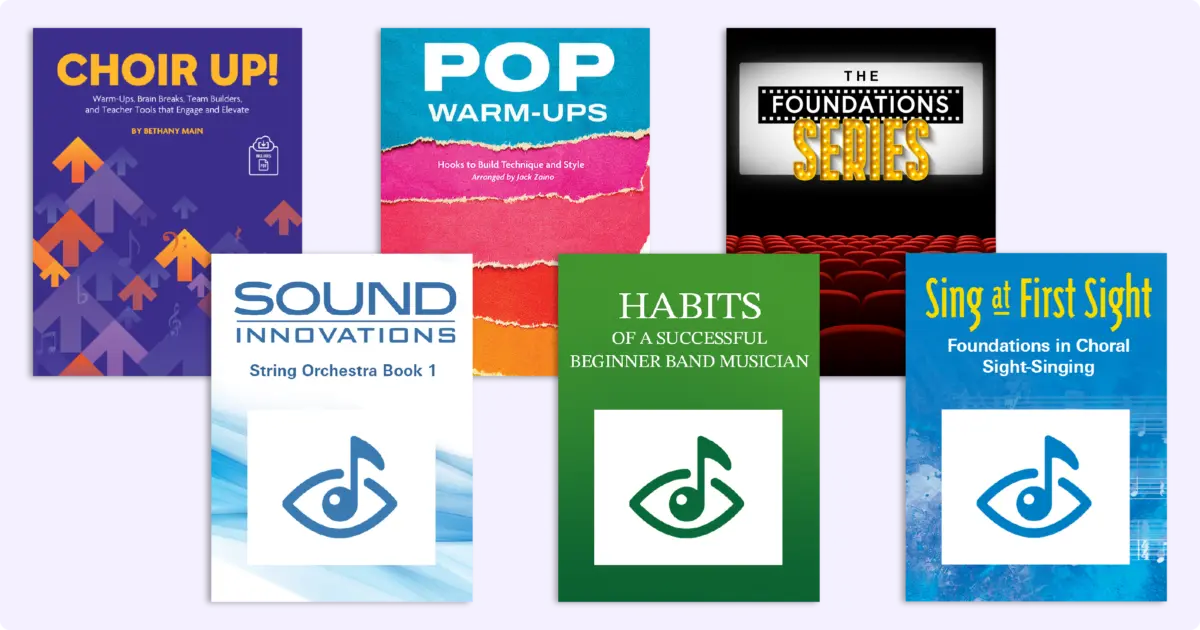
Recognizing that ensembles require diverse skill-building materials, the platform includes specialized suites such as:
- Choir Up! and vocal-specific training modules.
- Pop Warm-Ups and contemporary technical studies designed to bridge traditional technique with modern musical tastes.
- Foundations and structured method book integrations that provide a seamless continuum of learning across various instruments.
3. Comprehensive Supplemental Support
Beyond interactive sheet music, a MakeMusic subscription unlocks a suite of ancillary supports that are easily integrated into daily lesson plans. These tools reduce the time educators spend hunting for worksheets, practice records, and theory quizzes, consolidating preparation into a single, cohesive hub.
Future Outlook: The Future of Connected Music Education
As music education continues to evolve in the digital age, the role of technology must shift from a disruptive novelty to an invisible, seamless infrastructure. The goal of platforms like MakeMusic is not to replace the human element of teaching—the empathy, ear-training, and artistic passion that only a human director can provide—but rather to protect and amplify that human element.
By minimizing the hours spent on rote grading, repertoire searches, and logistical curriculum mapping, MakeMusic gives time back to the educator. When teachers are less overwhelmed by paperwork and administrative friction, they are better positioned to mentor, inspire, and connect with their students on a human level.
Ultimately, intentional, differentiated pedagogical support is what transforms a standard scholastic music program into an extraordinary community fixture—one that students actively choose to be a part of, year after year.
Ready to make this upcoming academic year your most organized, connected, and musically effective term yet? Start your free MakeMusic trial today to experience firsthand how streamlined curriculum planning feels when you have a dedicated digital partner in your corner.