
Executive Overview
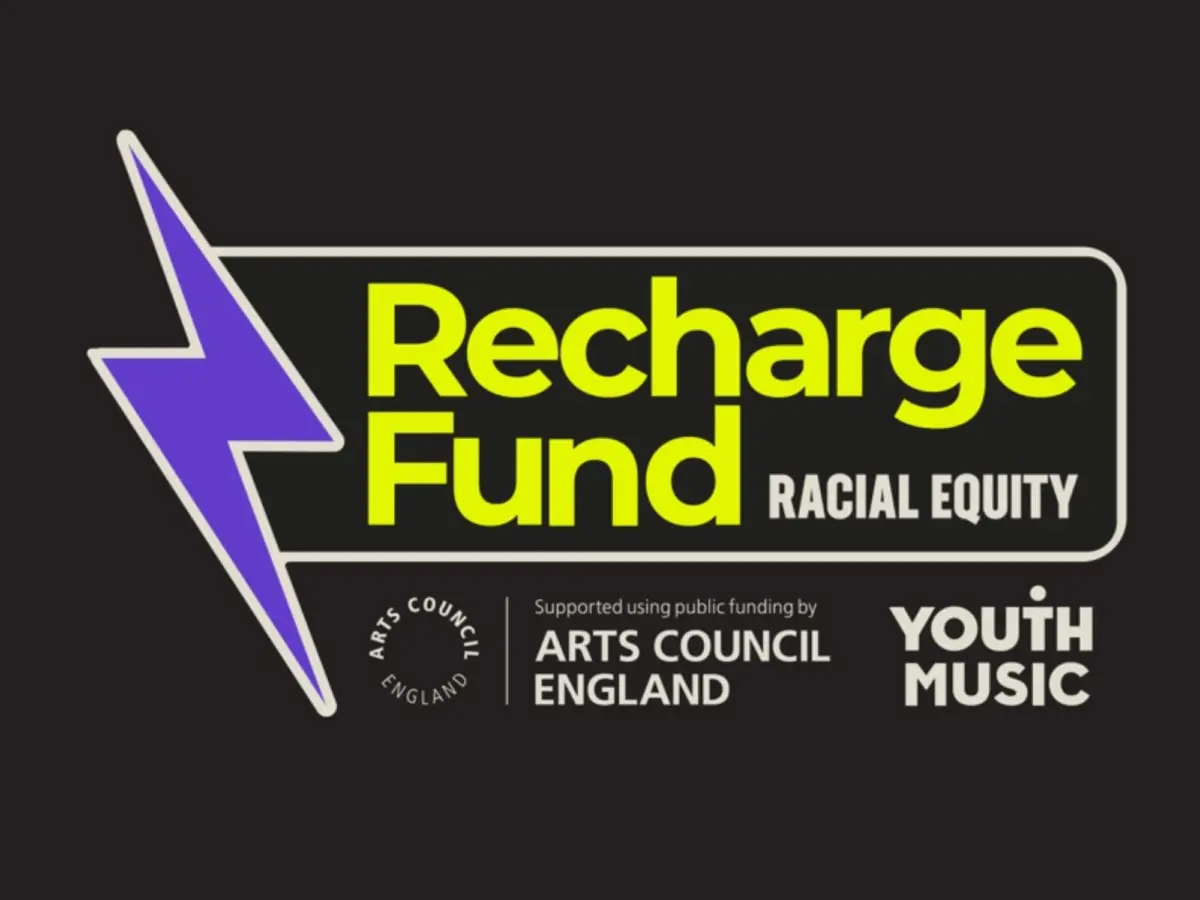
In a decisive move to address persistent systemic disparities within the British creative industries, the renowned UK charity Youth Music has officially launched The Recharge Fund: Racial Equity. Backed by a substantial £2.4 million financial commitment, this ambitious initiative aims to dismantle barriers, foster inclusion, and directly confront racial inequity across the arts and music sectors.
Over the next four years, the fund will provide vital financial lifelines to approximately 20 grassroots organisations. Grants of up to £120,000 will be distributed to non-profits and community groups that are dedicated to driving racial equity and opening doors for underrepresented young creative talent.
This intervention comes at a critical juncture for the cultural landscape of the United Kingdom. Recent research has exposed stark, systemic prejudices within institutional funding models—most notably, a finding that 76% of creative organisations led by Black, Asian, or ethnic-minority directors believe they have faced funding rejections explicitly due to racial bias. By channeling targeted capital directly into community-led initiatives, Youth Music hopes to reverse these alarming statistics, ensuring that the future of the British creative economy is as diverse as the society it represents.
Detailed Chronology: The Road to the Recharge Fund
Recognizing the Structural Deficit
The genesis of The Recharge Fund: Racial Equity is rooted in years of mounting evidence pointing toward systemic exclusion within the UK arts funding ecosystem. While mainstream cultural institutions frequently pay lip service to diversity, equity, and inclusion (DEI), grassroots organizations operating on the front lines of diverse communities have long reported facing insurmountable hurdles when seeking institutional support.
For decades, small-scale music projects operating in multicultural urban centers have served as incubators for talent, wellness, and social mobility. Yet, these organizations have historically been subjected to rigorous, often prohibitive bureaucratic criteria that disproportionately favor white-led, legacy institutions.
Gathering the Data: The Catalyst for Change
The tipping point for Youth Music came following comprehensive research and sector-wide consultations that laid bare the lived experiences of ethnically diverse arts leaders. The data painted a grim picture: three-quarters (76%) of Black and minority-led creative organizations strongly suspected or had clear indicators that their funding applications were denied because of the racial or ethnic identity of their leadership teams.
Faced with this undeniable empirical evidence, Youth Music’s leadership initiated planning for a dedicated financial mechanism. Rather than offering generic grant renewals, the charity recognized the need for a specialized fund designed to address the unique socio-economic vulnerabilities faced by ethnically diverse arts pioneers.
The Official Launch and Rollout
Announced in late 2026, The Recharge Fund: Racial Equity represents a structural pivot for Youth Music. Rather than a short-term cash injection, the £2.4 million initiative is structured as a multi-year commitment. By mapping out a four-year implementation window, Youth Music has ensured that recipient organizations can plan for sustainable growth, retention of personnel, and long-term community programming.
The rollout process has been designed to be as accessible as possible, minimizing the administrative burdens that often lock smaller grassroots entities out of major funding streams. As applications open, anticipation within the UK’s community arts sector is exceptionally high.
Supporting Context & Metrics: The Scale of the Challenge
To fully understand the significance of Youth Music’s £2.4 million intervention, one must examine the broader socioeconomic and institutional landscape of the UK arts and entertainment sector.
The Funding Disparity Crisis
The creative industries contribute tens of billions of pounds to the UK economy annually. However, the distribution of public and private arts funding has historically skewed heavily toward metropolitan, traditional institutions. According to various cultural sector audits:
- The 76% Reality: As highlighted by Youth Music, the statistic that over three-quarters of Black and minority-led organizations feel marginalized by funding panels exposes a profound trust deficit within the sector.
- The Grassroots Void: While major concert halls, symphony orchestras, and national galleries receive the lion’s share of taxpayer-funded grants, grassroots organizations working with at-risk youth in disadvantaged neighborhoods often operate on a shoestring budget.
- Talent Pipelines: Grassroots music spaces are frequently where genres are born, experimentation thrives, and marginalized youth find their voice. Without sustainable funding, these crucial neighborhood hubs risk collapse, directly threatening the future talent pipeline of the commercial and independent music industries.
The Role of Grassroots Organizations
Grassroots music projects do much more than teach young people how to play instruments or produce beats. They function as community anchors. In many urban environments, these spaces provide:
- Mental Health Support: Safe environments where young people can process trauma and express themselves creatively.
- Economic Mobility: Practical pathways into the creative industries, demystifying careers in audio engineering, artist management, production, and performance.
- Cultural Preservation: Platforms that celebrate diverse musical traditions, ranging from UK drill and Afrobeats to South Asian fusion and contemporary global genres.
By focusing grants of up to £120,000 on these specific organizations, Youth Music is targeting the exact points of the ecosystem where financial aid can yield the highest transformative impact.
Official Statements and Leadership Vision
The launch of The Recharge Fund has garnered widespread attention and praise from cultural leaders, policy advocates, and youth workers across the United Kingdom.
Addressing the media and sector stakeholders, Youth Music CEO Adam Jolla articulated the philosophical and practical imperatives driving the new fund:
"We believe that organisations rooted in these communities are often best placed to nurture that talent, create opportunities and help young people imagine a future in the creative industries. That’s why it’s crucial these organisations can survive and thrive."
Jolla’s remarks underscore a fundamental paradigm shift: shifting the power dynamic from top-down paternalistic philanthropy to community-led empowerment. Instead of outsiders dictating what diverse communities need, funding is being handed directly to leaders who intimately understand the cultural nuances, socioeconomic challenges, and immense creative potential of the youth they serve.
Industry commentators have similarly lauded the initiative for moving past performative allyship into tangible financial redistribution. In an arts sector historically plagued by "tick-box" diversity initiatives, a four-year, £2.4 million commitment sends an unmistakable message that structural reform requires sustained investment.
Future Outlook: Building a More Equitable Creative Economy
As The Recharge Fund: Racial Equity enters its operational phase, the ultimate measure of its success will lie in its long-term legacy.
Expected Outcomes Over the Next Four Years
- Financial Stabilization: Securing the operational futures of approximately 20 frontline organizations, protecting them from inflationary pressures and post-pandemic economic fallout.
- Talent Amplification: Empowering thousands of young people from Black, Asian, and ethnic-minority backgrounds to break through industry barriers, secure employment, and launch sustainable careers in music and the arts.
- Setting a New Industry Standard: Proving that targeted, equity-focused grant-making is not only viable but essential. Youth Music hopes to set a benchmark that other major arts councils, philanthropic foundations, and corporate sponsors will emulate.
A Call to Action for the Broader Industry
While Youth Music’s £2.4 million injection is a monumental step forward, experts emphasize that dismantling racial inequity across the entire creative sector requires a collective effort. Record labels, streaming platforms, publishing houses, and public funding bodies must look critically at their own internal pipelines, boardrooms, and grant criteria.
The launch of The Recharge Fund serves as both a lifeline for grassroots pioneers and a challenge to the wider entertainment industry: true creative innovation cannot flourish while systemic barriers remain intact. By backing the vision of ethnically diverse arts leaders today, Youth Music is laying the groundwork for a more vibrant, inclusive, and equitable musical future for the UK.