
Twenty-five years after the unimaginable tragedy of September 11, 2001, the cultural landscape of that era remains indelibly stamped by the art that helped a grieving nation articulate its profound sorrow. In times of historic crisis, society frequently turns to music not merely for entertainment, but for a shared language capable of bridging the chasm between unspeakable loss and collective survival.
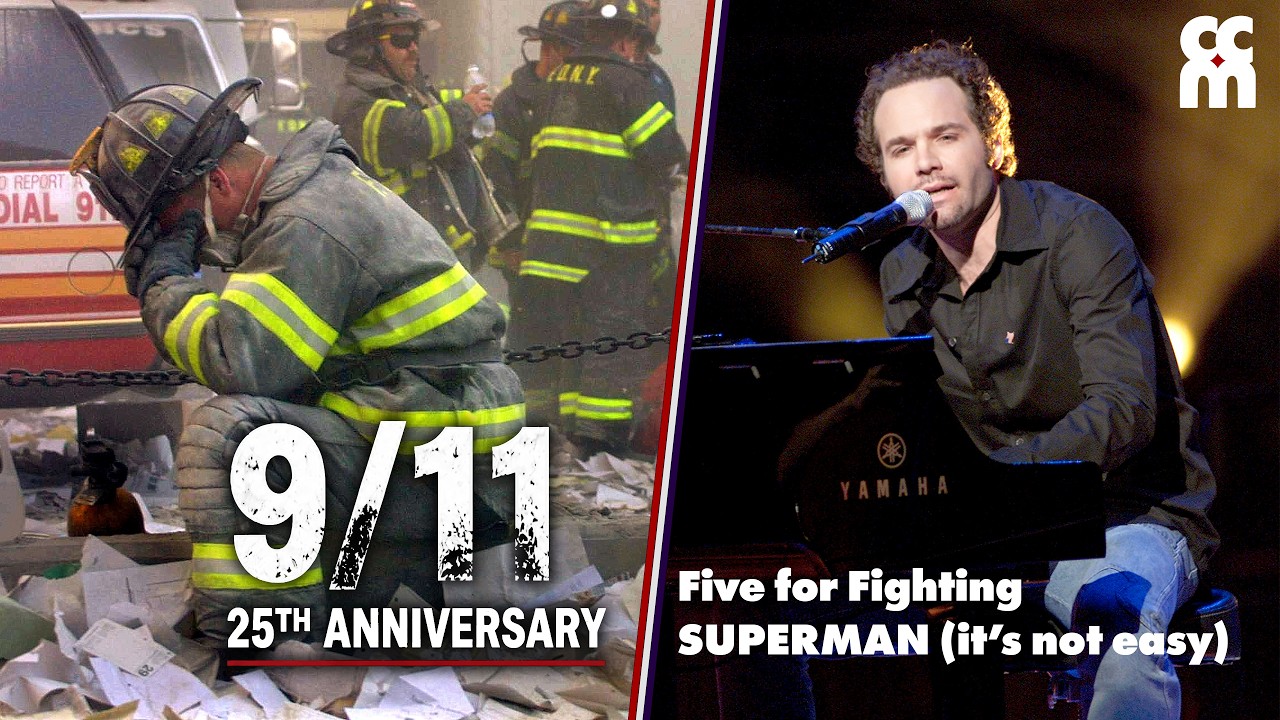
While numerous tracks formed the acoustic backdrop of America’s post-9/11 resilience, few became as inextricably linked to the national psyche as Five for Fighting’s haunting piano ballad, “Superman (It’s Not Easy).” Written by John Ondrasik as a meditation on the heavy psychological toll of expected invulnerability, the song was initially a difficult sell to a record label fixated on the era’s dominant boy bands and grunge acts. Yet, history had other plans.
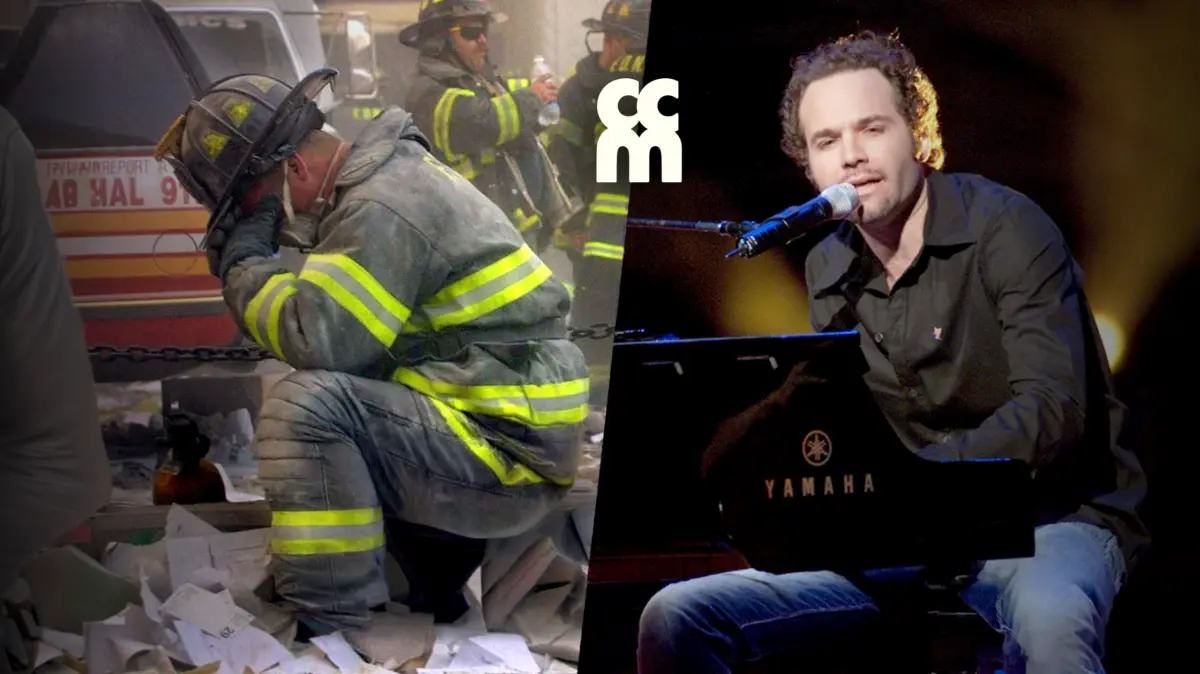
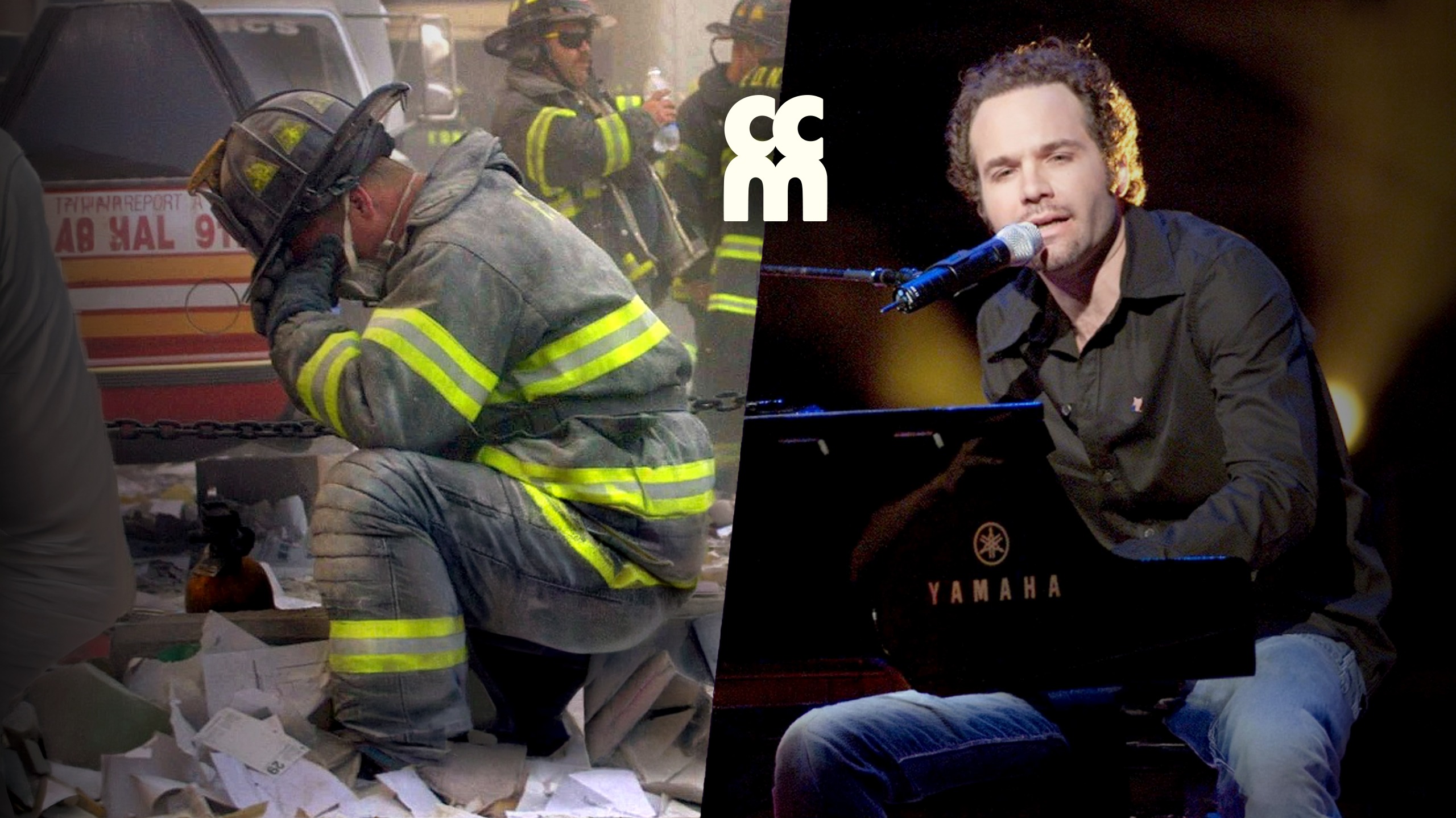
Without orchestration from publicists or premeditated design from its creator, "Superman" was organically adopted by television networks, radio stations, and the American public. It became a solemn, soaring tribute to the first responders—the firefighters, police officers, and emergency medical technicians—who ran toward danger when every human instinct dictated otherwise.
In a recent retrospective interview with media personality and cultural commentator Logan Sekulow ahead of the 25th anniversary of the attacks, Ondrasik reflected on how this unexpected cultural alignment permanently altered the trajectory of his career and the life of his composition. From performing alongside living legends at The Concert for New York City at Madison Square Garden to playing in the crucible of modern geopolitical conflict in Israel and aboard the historic aircraft carrier USS Nimitz, Ondrasik’s masterwork has transcended its origins as a commercial single. It has transformed into a living, global testament to human endurance, culminating in a miraculous full-circle moment alongside freed Israeli hostage and gifted pianist Alon Ohel.
Detailed Chronology: From Studio Skepticism to Global Anthem
The Accidental Genesis and Label Resistance
Before it became an anthem for national mourning and resilience, “Superman (It’s Not Easy)” was simply a personal piano-driven project by a young singer-songwriter named John Ondrasik, performing under the moniker Five for Fighting. Following the moderate success of his track "Easy Tonight," Ondrasik was given a narrow window by his record label to deliver a follow-up hit. The musical ecosystem of the late 1990s and early 2000s was dominated by high-energy pop acts and heavy alternative rock; a melancholic, introspective piano ballad about a struggling, vulnerable superhero did not fit neatly into corporate marketing forecasts.
Recalling the friction with his label, Ondrasik noted, "It’s funny, I had a song called Easy Tonight that was a moderate hit, and the record company said, you get one more swing… And I’d seen Superman’s reaction in shows and people forget, you know, it wasn’t 1977 with the piano all over the radio. It was little boy bands, grunge music."
Refusing to back down, Ondrasik staked his commercial future on the track, famously declaring to his executives that if he was going to sink his chances with the label, he would do so with “Superman.” The gamble began to pay off as the track slowly climbed domestic and international charts, notably hitting Number One in the Philippines—a surprise milestone that signaled the song’s broadening global resonance.
September 11, 2001: The World Shifts in London
By the late summer of 2001, Ondrasik was abroad in London, aggressively promoting the single across Europe. On the morning of September 11, the rhythm of his promotional tour was shattered forever.
"And of course, when the first plane hit, I got calls, turn on the TV, and then, like everybody else, when the second plane hit, I just started calling everybody I knew in New York City and was in shock and it took ten days to get back to the States," Ondrasik shared with Sekulow.
While Ondrasik remained stranded across the Atlantic, unable to secure immediate passage back to a grounded America, his musical creation underwent an instantaneous and profound metamorphosis. The song’s core thesis—examining the ordinary, fragile human being hidden beneath the cape of expected strength—suddenly mirrored the grim reality unfolding across the Manhattan skyline and the fields of Shanksville, Pennsylvania.
The Organic Adoption by Media and Public
In the days following the attacks, newsrooms, radio programmers, and television producers sought a tonal anchor to process the cascading national grief. Without input, permission, or orchestration from Ondrasik, media outlets began pairing "Superman" with searing, poignant montages of firefighters, police officers, and ordinary citizens sifting through the smoking rubble of Ground Zero.
Upon returning to the United States, Ondrasik experienced a profound sense of disorientation. The track he had written as an introspective character study was now functioning as a collective elegy.
"I didn’t really realize till I got back how many news organizations have been using Superman to recognize those heroes that ran into those buildings," Ondrasik recalled. "And for a young guy who just got used to hearing his song on the radio, it was pretty overwhelming."
Supporting Context & Metrics: The Magnitude of The Concert for New York City
The physical and emotional gravity of the post-9/11 recovery period coalesced on October 20, 2001, inside Madison Square Garden for The Concert for New York City. Designed to honor first responders, raise funds for victims’ families, and project metropolitan defiance in the face of terror, the benefit concert featured a generational gathering of rock and pop royalty.
The backstage and staging hierarchy presented a daunting psychological hurdle for a relatively new artist. Ondrasik, who had recently been playing isolated side stages, suddenly found himself thrust into an elite circle of musical giants.
A Staggering Lineup
- Rock Icons: Paul McCartney, The Who, David Bowie, Eric Clapton, Mick Jagger, and Keith Richards.
- Songwriting Legends: Elton John, Billy Joel, James Taylor, and Sting.
- Contemporary Hitmakers: Bon Jovi, John Mellencamp, and Destiny’s Child.
Ondrasik humorously recalled leafing through the event’s physical show itinerary backstage, assuming his name would appear quietly near the bottom of the opening acts. Instead, as he turned the final pages, he found himself positioned shoulder-to-shoulder with the absolute titans of the industry.
Yet, the true weight of the evening transcended the star-studded roster. It stemmed from direct, prolonged exposure to the individuals who had sacrificed everything. Ondrasik spent extensive time behind the scenes with grieving families and exhausted firefighters who had spent upwards of thirty continuous days digging through toxic debris at Ground Zero.
"These weren’t anonymous faces watching a benefit concert on television," Ondrasik noted, emphasizing how the crucible of Madison Square Garden permanently rewired his artistic worldview. "It changed, frankly, kind of the rest of my career because I saw how music truly matters… I saw how music can really change the world and do things nothing else can."
Official Statements and Reflections
The quarter-century milestone of September 11 has prompted deep philosophical reflections from creators who lived through the cultural shift. In his conversation with Logan Sekulow, Ondrasik articulated the heavy, sacred responsibility that accompanies writing a piece of art that outgrows its author.
On the Burden and Privilege of the Song
"It’s hard to wrap my head around it. Music, as you mentioned, was very critical at that time. And songs have a way of providing solace, recognizing amazing people who do heroic things, something we can all sing together."
On the Evolution of the Track’s Emotional Weight
"Every time we get around to this time of year, we’re typically out with my string quartet. And as we get closer and closer to 9/11, the song carries more weight."
On the Intersecting Tragedies of History
Ondrasik has consistently refused to let his music exist in a vacuum, extending the thematic umbrella of "Superman" to other geopolitical flashpoints where societies face existential terror. Reflecting on the aftermath of the October 7, 2001 equivalent in Israel, he noted the striking parallels in national trauma:
"And I thought Superman would be a good way to remind folks that for our Jewish friends, October 7th is their 9/11."
Future Outlook: A Miraculous Full-Circle Journey
The journey of "Superman (It’s Not Easy)" did not conclude in the smoke of Lower Manhattan, nor in the hallowed halls of Madison Square Garden. Decades after its release, the song has continued to intercept global history in unforeseen ways, most notably through its association with the plight of Israeli hostages.
From Hostage Square to the USS Nimitz
Following the atrocities of October 7, Ondrasik was approached by the mother of Alon Ohel, a young Israeli hostage who had endured harrowing captivity. Seeking a global platform to refocus public attention on the captive individuals, she asked if music could once again serve as a bridge for the voiceless.
Collaborating on a specialized iteration of "Superman," Ondrasik wove the campaign into his live touring schedule, regularly dedicating the song to Alon—a talented pianist—with a repeated public prayer: "I hope and pray for the day when I can sit down and play Superman with Alon, who’s a fantastic piano player."
Against long odds, that prayer materialized. Alon returned home safely from captivity. In a breathtaking display of historical symmetry, Ondrasik and Alon Ohel recently sat side-by-side on the deck of the historic aircraft carrier USS Nimitz to perform "Superman" in celebration of the United States’ upcoming 250th anniversary.
Describing the experience, Ondrasik discarded complex analysis in favor of simple, profound gratitude: "It was a miracle. And I can’t say anything more. You know, miracles do exist. And that was a miracle… Alon would not be alive without America, so I thought having him sitting on that deck of the historic USS Nimitz playing with me spoke to a lot of people and was very significant."
Continuing the Mission: Fall Tour 2025
As society marks the solemn 25th anniversary of September 11, John Ondrasik remains active on the front lines of cultural remembrance. He is slated to participate directly in commemorative events in New York City alongside firefighters, first responders, and Gold Star families.
Immediately following these solemn remembrances, Five for Fighting, accompanied by a dynamic string quartet, will launch their extensive Fall Tour beginning September 19, 2025. For tour dates, ticketing information, and ongoing updates regarding Ondrasik’s musical and humanitarian endeavors, fans and supporters can visit the official Five for Fighting Tour Portal.
Ultimately, the enduring legacy of "Superman" serves as a permanent reminder of a foundational artistic truth: while songwriters craft the notes and pen the lyrics, history ultimately decides what a song means to humanity. When words fail in the wake of tragedy, music remains our most enduring, unifying voice.