
Bristol has long held a reputation as a city uniquely hospitable to the strange, the out-there, and the avant-garde. Within the vibrant pantheon of British metropolitan music scenes, it arguably stands alone at the apex of sonic eccentricity. This unique cultural geography was thrown into sharp relief this weekend as festival-goers navigated the thickest, greyest pea-souper fog of the year to reach the city. The rolling hills framing the South West’s largest urban center were completely blanketed by dense, hazy brumes, transforming the GWR stopping service into something resembling the atmospheric, liminal rail journey straight into the zone in Andrei Tarkovsky’s Stalker. Yet, for those heading toward Bristol’s beloved Simple Things festival, this obscured, dystopian transit was merely business as usual.
Simple Things is far more than a standard single-day festival; it has matured into a foundational cultural institution for the city. Compared to other metropolitan festivals of its scale, it fairly oozes character, utilizing a sprawling footprint of diverse, unconventional spaces. The main stages command the Bristol Beacon—the city’s premier multi-venue arts center—while secondary and late-night programming spills out into gritty indie havens like Strange Brew, the clandestine confines of disused police station-turned-venue The Island, and perhaps most thrillingly, Shredenhams, an abandoned department store repurposed into a makeshift skate park.
The lineup reflects a remarkably broad church, treating every micro-genre with equal curatorial reverence. Avant-garde heavyweights rub shoulders with hyperpop disruptors, while experimental rock bands in every conceivable configuration fill the gaps with jagged textures and intricate rhythms. This year’s iteration introduced a novel, highly successful curatorial twist: alongside performing their own main-stage sets, post-rock innovators Squid, saxophone virtuoso Shabaka, and spiky Swedish electropop luminary Cobrah were invited to co-curate vast swathes of the program, alongside Turner Prize-winning artist Jeremy Deller. There is an inherent thrill in catching your favorite artist live; however, bearing witness to your favorite band preceded on the bill by their favorite bands elevates the live music experience into something truly transcendent.
Detailed Chronology: A Day in the Sonic Twilight Zone
The Curtain-Riser: Early-Afternoon Resonance
Operating as a high-intensity single-day event, Simple Things leaves no room for hesitation, plunging audiences directly into the deep end from the opening bell. The early afternoon featured a devastating trio of foundational performances that set a high-water mark for the rest of the day.
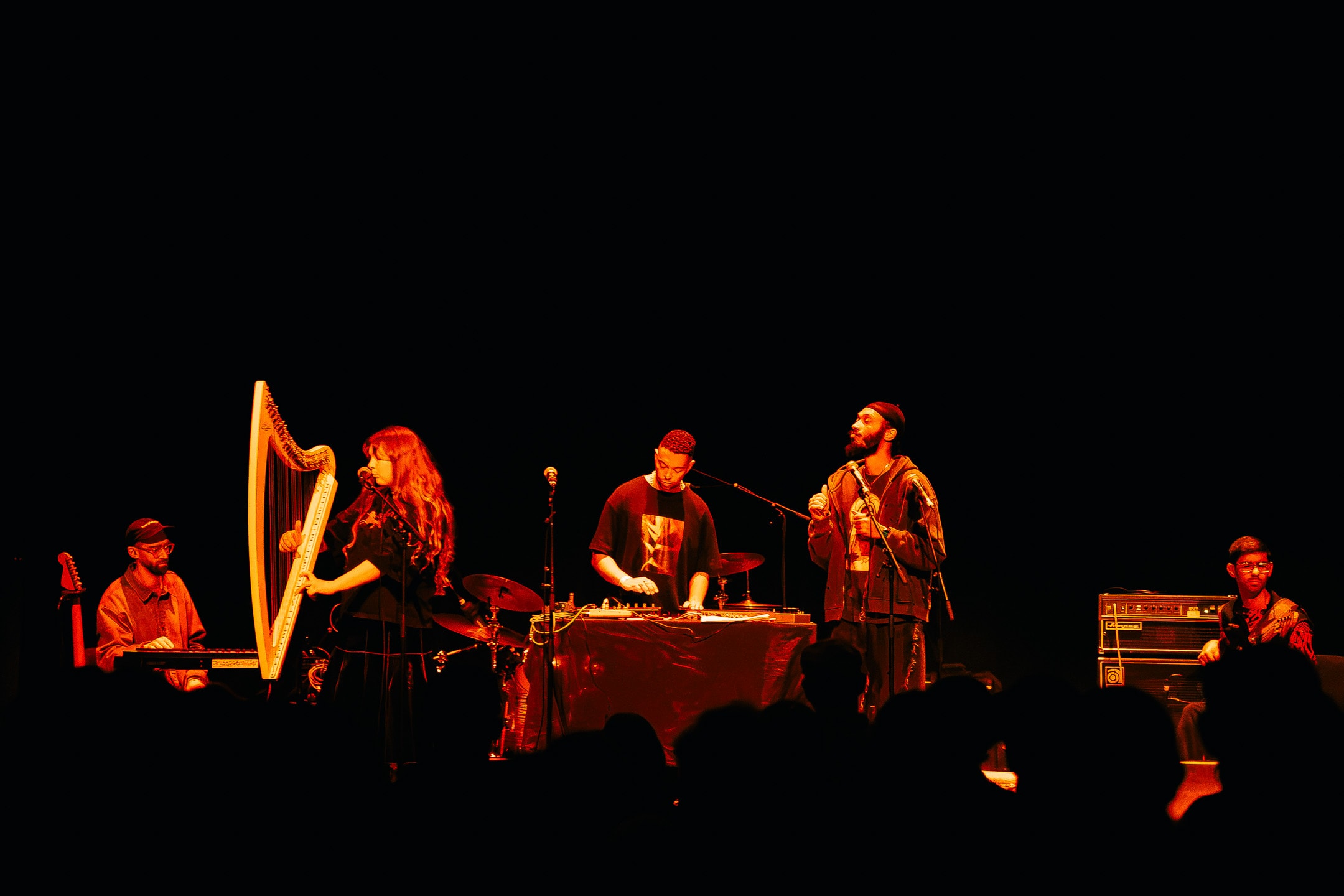
First to captivate the crowd was DIALS, a Bristol underground supergroup pulling psychedelic R&B earworms directly out of ultra-hazy, immersive soundscapes. Straddling the city’s illustrious trip-hop heritage and its bleeding-edge experimental present, the ensemble featured poet Eldon Somers and harpist Bethany trading vocal blows over swampy, dusty beats. Multi-instrumentalist William Yates (recording as Memotone) countered with freewheeling, genre-fluid solos shifting effortlessly between analog synth, guitar, and clarinet.
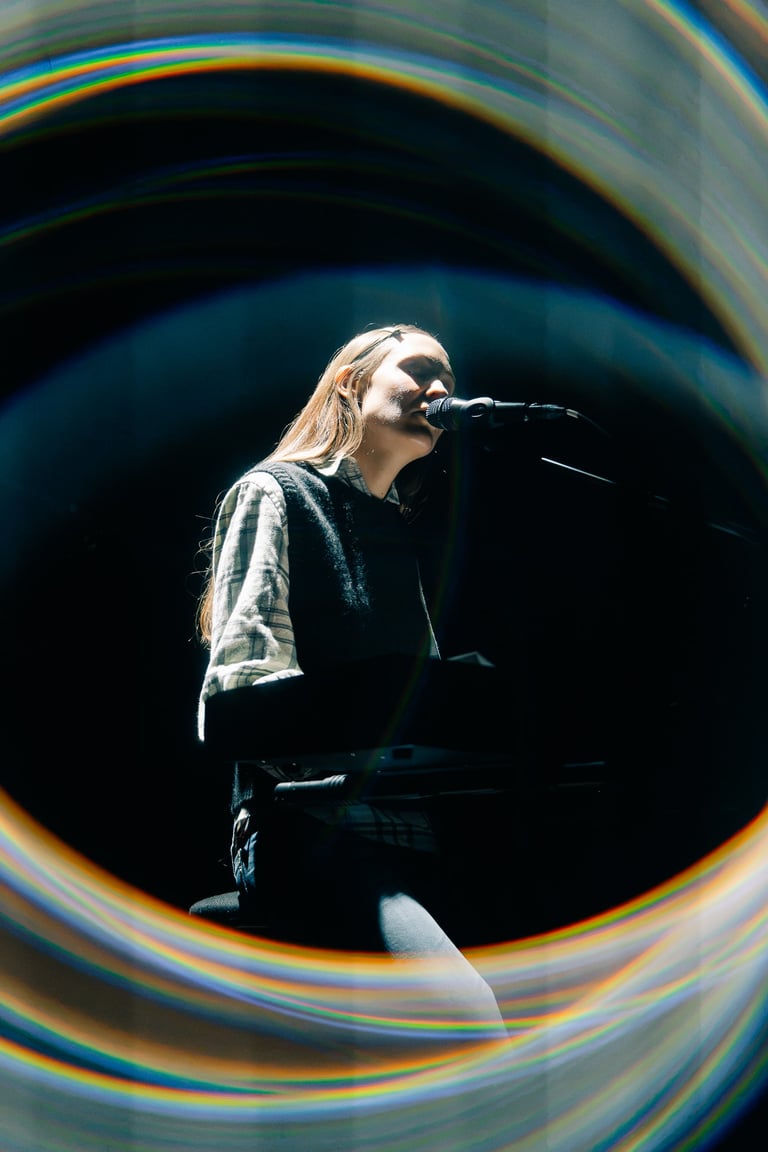
Copenhagen alt-pop auteur Fine followed immediately, tapping into a complementary sonic ethos heavily informed by her sophomore release, Jazz Dreams. Fine’s compositions evoke discovered jazz standards filtered through a miasma of echo-drenched synth lines and organic string drones—echoing the spectral intimacy of Bristol’s own Tara Clerkin Trio. Despite the venue reaching absolute capacity, the audience maintained a reverent silence so profound during the quieter bridges that the venue’s floorboards could be heard creaking beneath their feet.
Rounding out the afternoon triumvirate was London octet Caroline, a band embraced by Bristol as a spiritual home given its status as Britain’s de facto post-rock capital. Their "cut it up and stitch it back together again" approach to rock composition found an instantly adoring audience. During a breathtaking rendition of "Coldplay Cover"—where the ensemble splits into two four-piece units, playing acoustic arrangements directly into a single shared microphone—the room watched open-mouthed as the band transmuted raw musical sketches into a rich, sweeping oil painting in real time.
The Squid Takeover at The Island
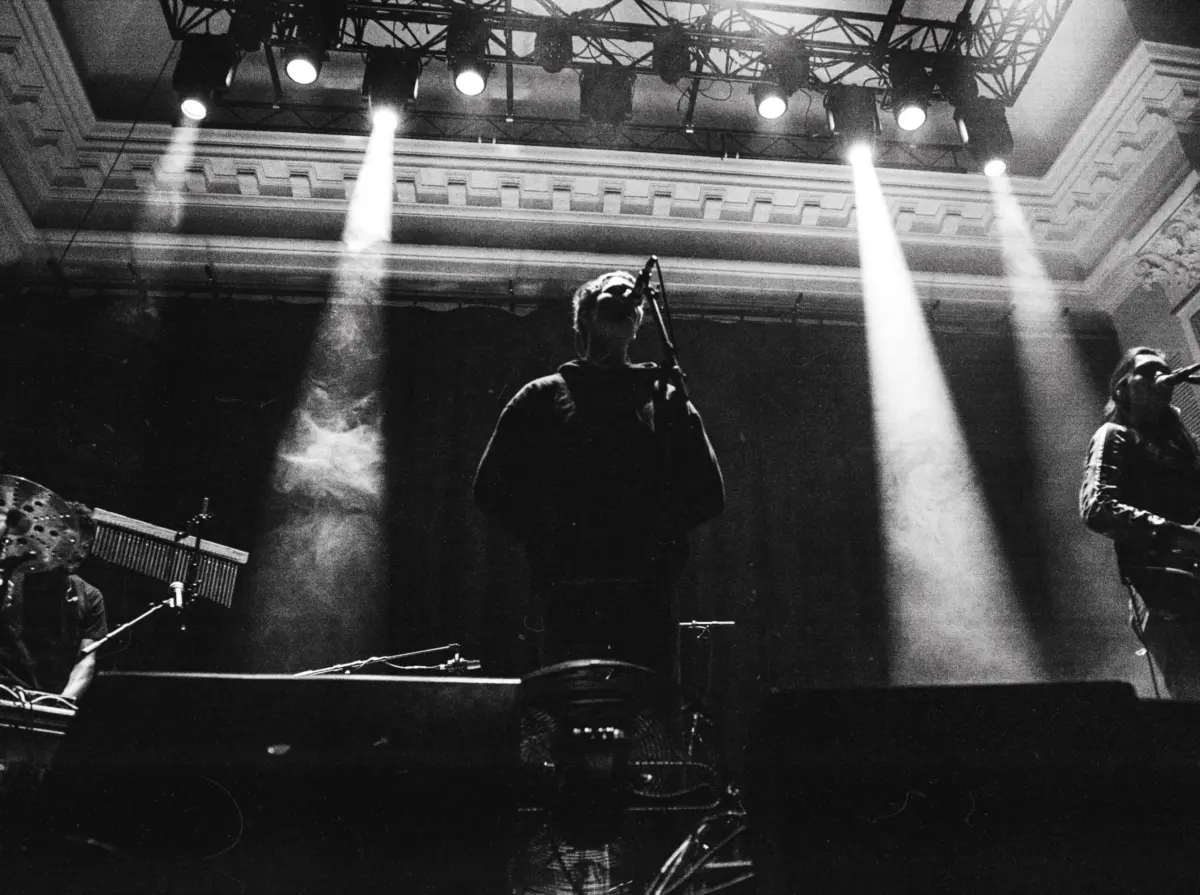
As Caroline plunged into the abrasive, cathartic noise of "Total Euphoria," parallel programming unfurled across the city at The Island, curated entirely by Squid. Guitarist Louis Borlase and synth architect Arthur Leadbetter served as guides for the afternoon, charting a course through experimental European underground curiosities.
Proceedings opened with Squid guitarist Anton Pearson performing an intimate ambient solo set featuring minimalist compositions from his acclaimed record Driving Through Belgium.
"You had to be there," reflected Borlase backstage. "Everything felt temporary. It was a testament to what Anton is like as a person: really measured, taking his time."
Leadbetter expanded on the personal significance of the showcase:
"We’ve all known each other so long, having met at university. Anton used to do these ambient sets with his guitar. To see him up there, running through three amps, playing to a captivated crowd of 200 people… it was profoundly special."
The takeover continued at a breakneck pace, featuring Bristol sprechgesang disruptors Minor Conflict and Berlin avant-rock outliers 13 Year Cicada (whom Borlase fondly recalled opening for them in Berlin during "one of the best shows ever!"). Following a joyfully discordant, high-octane set from Glasgow electro-punks Comfort, the entire Squid contingency scrambled down Nelson Street to prepare for their massive, quasi-homecoming performance in the Bristol Beacon’s main hall.
The Main Stage and Late-Night Explorations
Before the headliners took over the Beacon, a quick detour to Shredenhams provided a potent booster shot of Moor Mother’s quantum-futurist poetry, laid bare over post-industrial blastscapes, alongside BIG|BRAVE’s swelling, tactile drone metal.
Returning to the Beacon, Squid delivered a masterclass in boundless psychedelic free-rock. Dispensing with any self-indulgent "head-scratchers," the quintet thundered through fan favorites "Narrator" and "Pamphlets," with drummer/vocalist Ollie Judge howling lyrics in sheer, visceral anguish. Tracks like "GSK" and "Undergrowth" saw every member stepping away from their primary instruments to pick up woodblocks and cowbells, driving massive, infectious polyrhythmic grooves. New compositions like "Nitrates" and "Cyndi" stretched out into the ether, proving these art-punks are fearlessly exploring vast, cinematic worlds of lush synthesizer textures.
As the feedback wall subsided at the close of "Pamphlets," the night was still in its absolute infancy. The foyer of the Bristol Beacon—dubbed "The Bridgehouse"—transformed into a crucible of punk-rock id channeled by Mykki Blanco, quickly followed by Manchester firestarters SILVERWINGKILLER, who brilliantly located the stylistic sweet spot between The Fall and peak-era electroclash.
Nearby, RIP Magic delivered a brilliantly deadpan traversal of their debut album, 1,2,3, obscured beneath heavy hoodies and snapbacks without making a single point of eye contact with the audience. Their sound successfully warped Massive Attack’s classic trip-hop through murky, industrial-strength Nine Inch Nails floor-fillers. They were succeeded by the equally enigmatic Chanel Beads: New York cloud-rock upstarts utilizing violin-assisted arrangements, soaring emo vocals, and effect-drenched acoustic guitars that sliced effortlessly through the sonic haze.
Back on the main stage, Cobrah offered a striking masterclass in direct, industrial-strength minimalism. Eschewing ambient fuzz and heavy reverb, her masked DJ deployed an arsenal of aggressive, leathery techno-pop beats while Cobrah commanded the space with a freight-train vocal delivery and contorting stage presence. Towering, 30-foot body-horror visuals framed her twitching performance of underground anthems "Hush" and "Excusez Moi," culminating in a scintillating collaborative rendition of "Wizz" alongside French producer Coucou Chloe.
Berlin-based Texan Europop savant Alex Wilcox maintained the manic momentum in the foyer with a set drawing equal parts inspiration from Devo, Mika, and John Maus, before Australian plunderphonics pioneers The Avalanches stepped up to deliver a watershed headline closing set.
Approaching their thirtieth anniversary, the legendary duo still sounded utterly futuristic. Performing against a backdrop of hyper-real, psychedelic visual art for every track, they tore through crowd-pleasers like "Frontier Psychiatrist" and "Since I Left You," alongside material from their expansive record No Bad Memories. If any city on Earth possesses the cultural literacy to fully comprehend and fiercely love The Avalanches, it is undoubtedly Bristol.
Supporting Context & Metrics
| Festival Metric / Detail | Description & Context |
|---|---|
| Primary Venues | Bristol Beacon (Main Hall & Foyer), Strange Brew, The Island, Shredenhams. |
| Curatorial Collaborators | Squid, Shabaka, Cobrah, Jeremy Deller. |
| Prominent Early Acts | DIALS, Fine, Caroline, Anton Pearson, Minor Conflict, 13 Year Cicada, Comfort. |
| Late-Night Headliners | Mykki Blanco, SILVERWINGKILLER, RIP Magic, Chanel Beads, Cobrah, Alex Wilcox, The Avalanches. |
| Regional Ecosystem | Renowned as the UK’s de facto post-rock and trip-hop capital, boasting exceptional grassroots music infrastructure. |
Official Statements & Curatorial Insights
The intentionality behind Simple Things 2024 was defined by its artist-led curation. Rather than relying on standard booking agencies to dictate the bill, the festival invited its musical architects to build bespoke micro-worlds within the wider ecosystem.
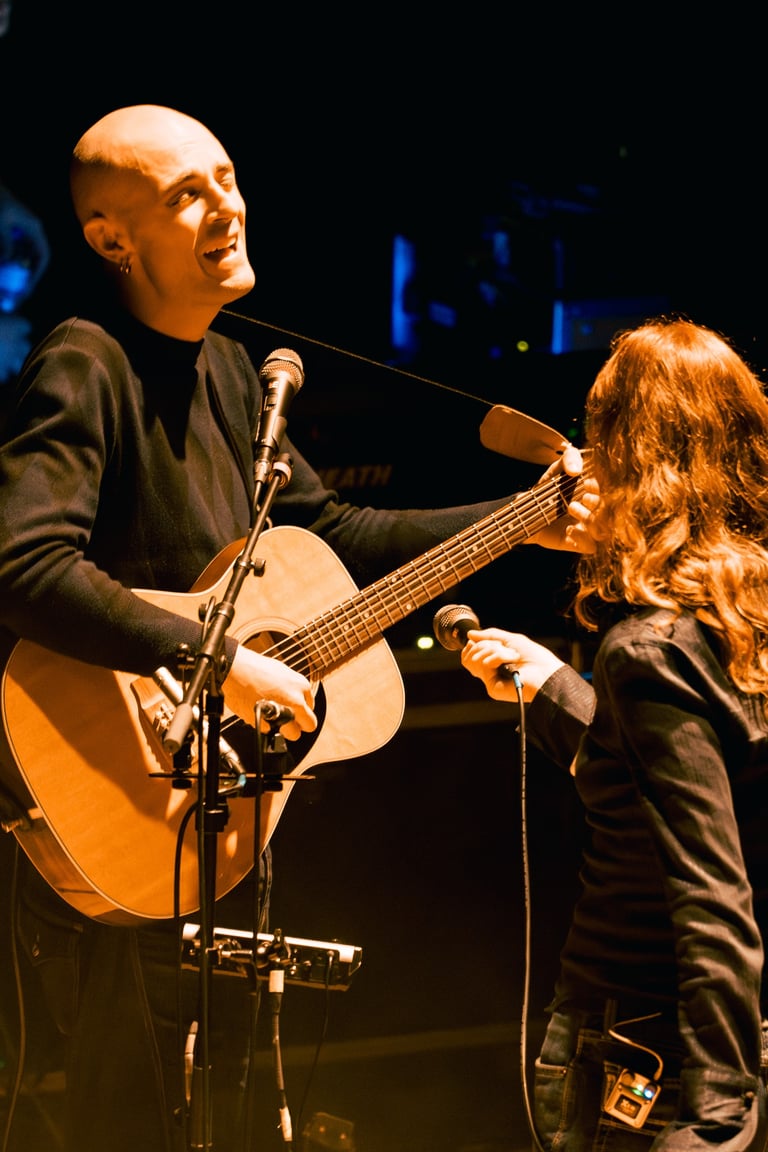
Reflecting on the responsibility of curating The Island stage, Squid guitarist Louis Borlase emphasized the gravity of the undertaking:
"It’s a big responsibility. You have this massive bearing on everyone who comes to see the music—we took curating the stage very seriously. We wanted our stage to reflect how we go about our music. We’re not cohesive in our music: it’s a splurge of each member’s own interests and expressions. We wanted to reflect that, rather than just say, do our version of the ambient tent at Glastonbury."
Arthur Leadbetter added historical context to the band’s curation choices, noting how organic the process felt:
"We’ve all obviously known each other so long, but we all met at uni. To see Anton up there, with three amps, playing to a crowd of 200 people… it was so special because we’ve watched these solo explorations evolve over years of collaboration."
Future Outlook: The Blueprint for Inner-City Festivals
Simple Things 2024 reaffirmed a vital truth about modern music curation: scale and commercial homogenization are not prerequisites for festival success. While Bristol possesses a fiercely insular, highly sophisticated local scene—with post-rock, improvisation, and experimental electronics thriving in underground pockets that weren’t even fully tapped by this year’s lineup—the sheer capacity of the city to embrace such a radically eclectic bill speaks volumes about its musical community.
There is currently no better inner-city multi-venue festival in the United Kingdom dedicated to exploratory and avant-garde music. The massive, adoring crowds packing out rooms for some of the most difficult, uncompromising sonic textures available today prove conclusively that there is no better city for it than Bristol. Supported by robust urban infrastructure, highly innovative and unorthodox venue selections, and an eye-watering curatorial vision, Simple Things proves that when you leave the complex, unusual choices to the music, success naturally follows.