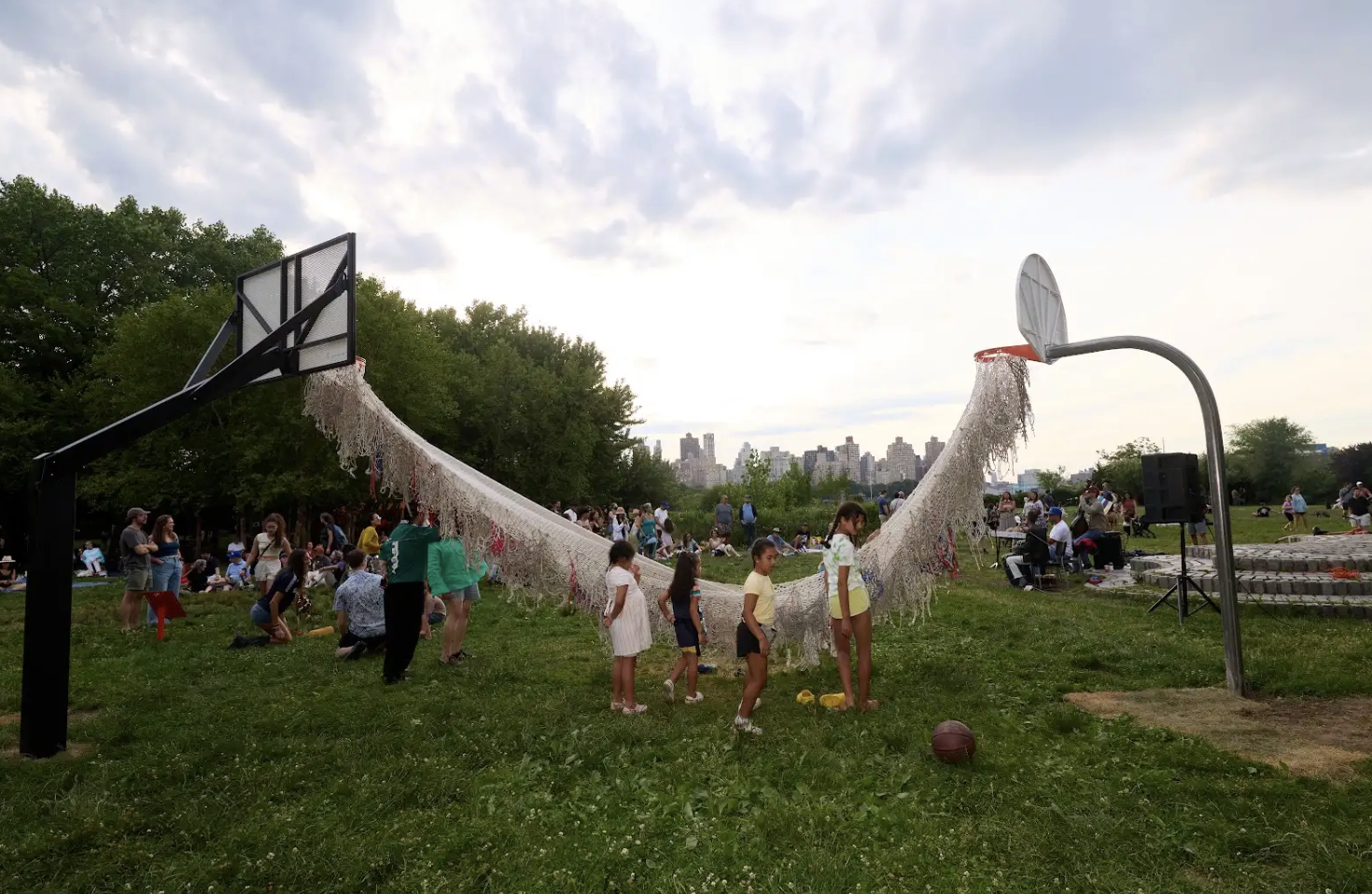
Long before the sun dips below the Manhattan skyline and casts a golden amber hue over the East River, the manicured green lawns of Astoria, Queens, hum with an unmistakable civic energy. Blankets unroll across the grass like a colorful patchwork quilt, wicker baskets pop open to reveal family dinners, and neighbors mingle amidst the gentle rustle of wind-swept trees. On a typical summer evening, the atmosphere is electric with anticipation—not just for the cinematic projection about to light up the night sky, but for the shared communal ritual taking place beneath the open air.
As the opening frames of Meriem Bennani’s acclaimed film Bouchra illuminate the outdoor screen, the gathered crowd sits on grounds that tell a far more rugged story than their current serenity implies. Barely four decades ago, this exact expanse of waterfront was a neglected, rubble-strewn illegal dumpsite—a physical manifestation of urban decay and municipal abandonment.
Today, this five-acre sanctuary is known universally as Socrates Sculpture Park: a pioneering, boundary-pushing outdoor museum and public park that operates 365 days a year without admission fees, physical gates, or exclusionary barriers. As the institution marks its milestone 40th anniversary, it stands not merely as a repository for monumental contemporary art, but as a living testament to the radical proposition that culture, nature, and civic agency belong unequivocally to the public. In a metropolis where physical space is increasingly commodified and cultural institutions often hide behind intimidating financial and architectural thresholds, Socrates remains a rare, defiant counter-narrative. By intertwining ambitious artistic fabrication with grassroots environmental stewardship, the park has redefined what an urban cultural institution can—and should—be for its community.
Detailed Chronology: From Abandoned Wasteland to Cultural Beacon
To understand the enduring DNA of Socrates Sculpture Park, one must rewind to 1986, an era when New York City’s outer-borough waterfronts were largely written off by city planners and real estate speculators alike. The land that now hosts internationally celebrated site-specific installations was then an abandoned, debris-choked landfill on the Astoria shoreline, accumulating industrial waste, discarded vehicles, and urban blight.
Amidst this urban decay, a coalition of local artists and neighborhood residents—spearheaded by visionary sculptor Mark di Suvero—refused to accept the status quo. In a remarkable act of community reclamation, these artists and activists picked up shovels, hauled away tons of jagged rubble, cleared out overgrown brush, and audaciously declared that an abandoned, trash-filled slice of the East River waterfront would henceforth belong to the people.
This initial act of neighborhood reclamation was far more than a simple cleanup effort; it established a foundational culture of collective action, resourcefulness, and creative risk-taking that continues to define the park’s operational philosophy today. Rather than waiting for municipal intervention or corporate sponsorship, the founders carved out a physical space for artistic experimentation through sheer sweat equity and communal resolve.
Over the subsequent decades, the park evolved from a grassroots squat into a globally respected institution. It pioneered the concept of the park-as-studio, inviting sculptors and installation artists to fabricate massive, site-specific works directly on-site. As Astoria underwent waves of demographic shifting, industrial transition, and rapid real estate development, Socrates stood firm against the tide of privatization. Through strategic partnerships with NYC Parks and continuous grassroots advocacy, the institution gradually secured its physical boundaries as permanent public parkland, ensuring that successive generations of New Yorkers could experience world-class contemporary art without encountering financial or physical barriers.
Supporting Context & Metrics: Preserving Open Access on a Changing Waterfront
In contemporary New York City, the intersection of real estate pressures and cultural accessibility represents a perpetual crisis. As neighborhoods undergo rapid gentrification, rising housing costs and shifting demographics frequently threaten to displace longtime residents, cutting them off from the cultural life of their own communities. Simultaneously, traditional indoor museums and galleries often project an aura of quiet intimidation—surrounded by high admission fees, security checkpoints, and unwritten codes of conduct that alienate working-class families and urban youth.
Socrates Sculpture Park directly dismantles these systemic barriers by embedding contemporary art into the natural fabric of everyday life. Operating with an annual footprint that welcomes more than 200,000 visitors, the institution proves that high art does not require white walls and hushed indoor galleries to be profound. Because the park’s exhibitions exist entirely outdoors, visitors encounter monumental, large-scale contemporary works organically while walking their dogs, pushing strollers, or jogging along the waterfront.
This radical accessibility is maintained through a deliberate operational model:
Zero Admission Fees: The park is entirely free to the public 365 days a year, ensuring that economic status never dictates cultural access.
Open-Air Integration: By removing physical gates and walls, the institution invites seamless transitions between recreational park use and high-art engagement.
Demographic Reach: Serving a culturally diverse population in Queens, the park’s programming directly mirrors the rich heritage of its surrounding neighborhoods, bridging the gap between local residents and the global contemporary art world.
Beyond its artistic offerings, Socrates functions as a vital environmental refuge along the East River. As climate change accelerates the threat of severe weather events and rising sea levels, the park has prioritized ecological resilience. The ongoing development of The Point—a newly expanded waterfront green space designed in tandem with NYC Parks’ shoreline reconstruction initiative—exemplifies this dual commitment. By engineering robust natural barriers against future storms while simultaneously creating fresh public gathering areas, Socrates demonstrates that environmental stewardship and cultural vitality are inextricably linked.
Official Statements: Voices from the Park
The operational philosophy of Socrates Sculpture Park is rooted in empowerment, collaboration, and a deep respect for the agency of its constituents. Rather than functioning as a top-down administrative body, the park operates as a collaborative ecosystem where artists, youth, and neighbors co-create the cultural landscape.
Reflecting on the transformative power of these educational and community initiatives, Deputy Director Jonathan Gardenhire highlights the unique developmental impact the park has on its youngest visitors:
"Through our workshops and youth programs, students develop creative confidence, curiosity, collaboration, and a stronger connection to the natural and built environment around them," Gardenhire shares. "Working in a public park also asks young people to consider place, community, and responsibility. They begin to see how art can shape a neighborhood, surface stories that might otherwise be overlooked, and help communities imagine different futures. We want them to leave seeing themselves not only as students, but as artists, stewards, and contributors to public life."
This ethos is vividly brought to life through programs like Socrateens, where local teenagers step past the role of passive observers to become active creative collaborators. Working directly alongside professional artists-in-residence, these students explore the complex intersections of contemporary sculpture, environmental justice, and urban public space. They learn that ambitious creative work requires trial, error, structural adaptation, and a willingness to embrace experimentation—lessons that resonate far beyond the park’s physical borders.
Furthermore, the park’s artist fellowship program acts as an essential engine for the New York arts community. By functioning as an active outdoor fabrication studio rather than a static display ground, Socrates supports creators through every arduous phase of engineering, material testing, and installation required to mount monumental works in an open-air environment. Participating artists receive critical production grants, financial honorariums, and hands-on technical guidance, empowering them to realize ambitious projects that would be impossible within the financial constraints of traditional indoor galleries.
Future Outlook: Sustaining the Spirit of Experimentation for the Next 40 Years
As Socrates Sculpture Park looks toward its fifth decade, its leadership, artists, and surrounding community remain fiercely committed to preserving the rebellious, experimental spirit that birthed the institution in 1986. In an urban landscape increasingly dominated by sterile commercial developments and digital isolation, physical spaces that foster genuine human connection and shared civic imagination are more precious than ever.
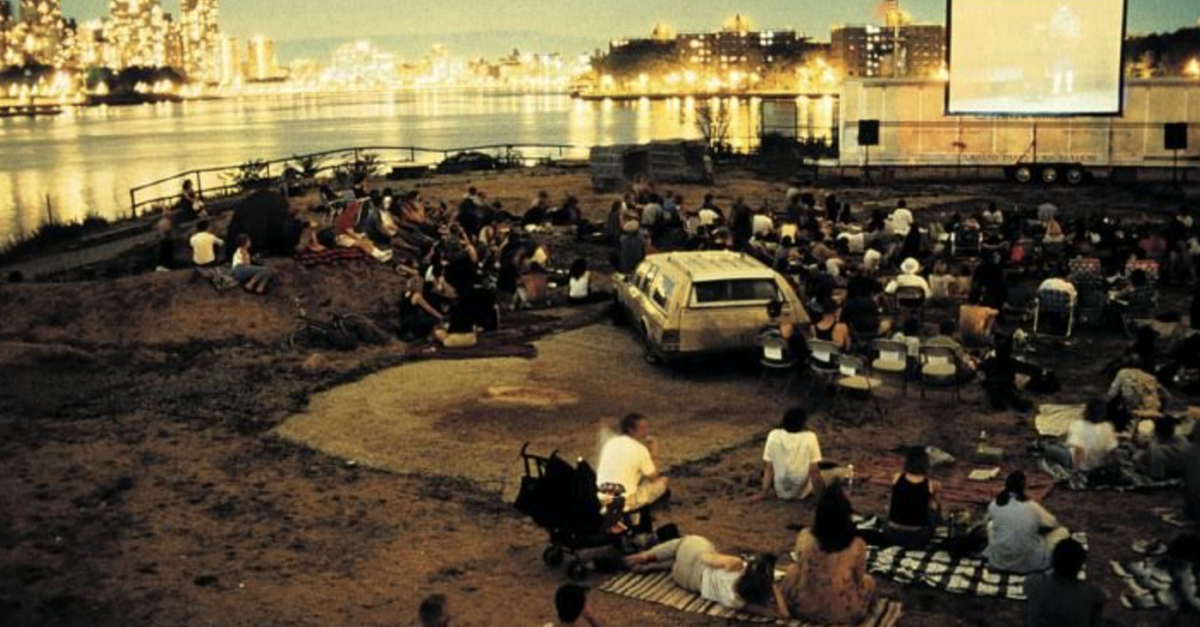
The path forward for Socrates involves a deepening integration of ecological restoration, expanded artist investments, and community-led programming. Initiatives such as the annual Outdoor Cinema series—a cherished neighborhood staple established in 1998 that curates international film screenings alongside live performances, local food vendors, and culturally diverse musical acts—will continue to serve as a vital anchor for community cohesion.
At the same time, the institution’s commitment to depth of engagement remains paramount. Whether it is a high school student welding steel alongside a master sculptor in the outdoor studio, a teenager passionately debating the political implications of an installation on the lawn, or a multi-generational family sharing a meal during a summer festival, these micro-interactions form the bedrock of a resilient civil society.
By refusing to compromise on its core founding principles—free public access, uncompromising artistic experimentation, and radical community inclusion—Socrates Sculpture Park ensures that the Astoria waterfront will remain a living, breathing laboratory for creative possibility. As the park embarks on its next forty years, it stands as a shining blueprint for how public spaces can transform urban blight into cultural radiance, proving that when communities take their environment into their own hands, the results can alter the landscape forever.