
Executive Overview
The shifting landscape of jazz in the mid-1960s remains one of the most contentious eras in the genre’s history. As commercial pressures mounted and popular music shifted decisively toward rock, soul, and pop, record labels faced an existential dilemma: adapt to the changing marketplace or risk financial obsolescence.
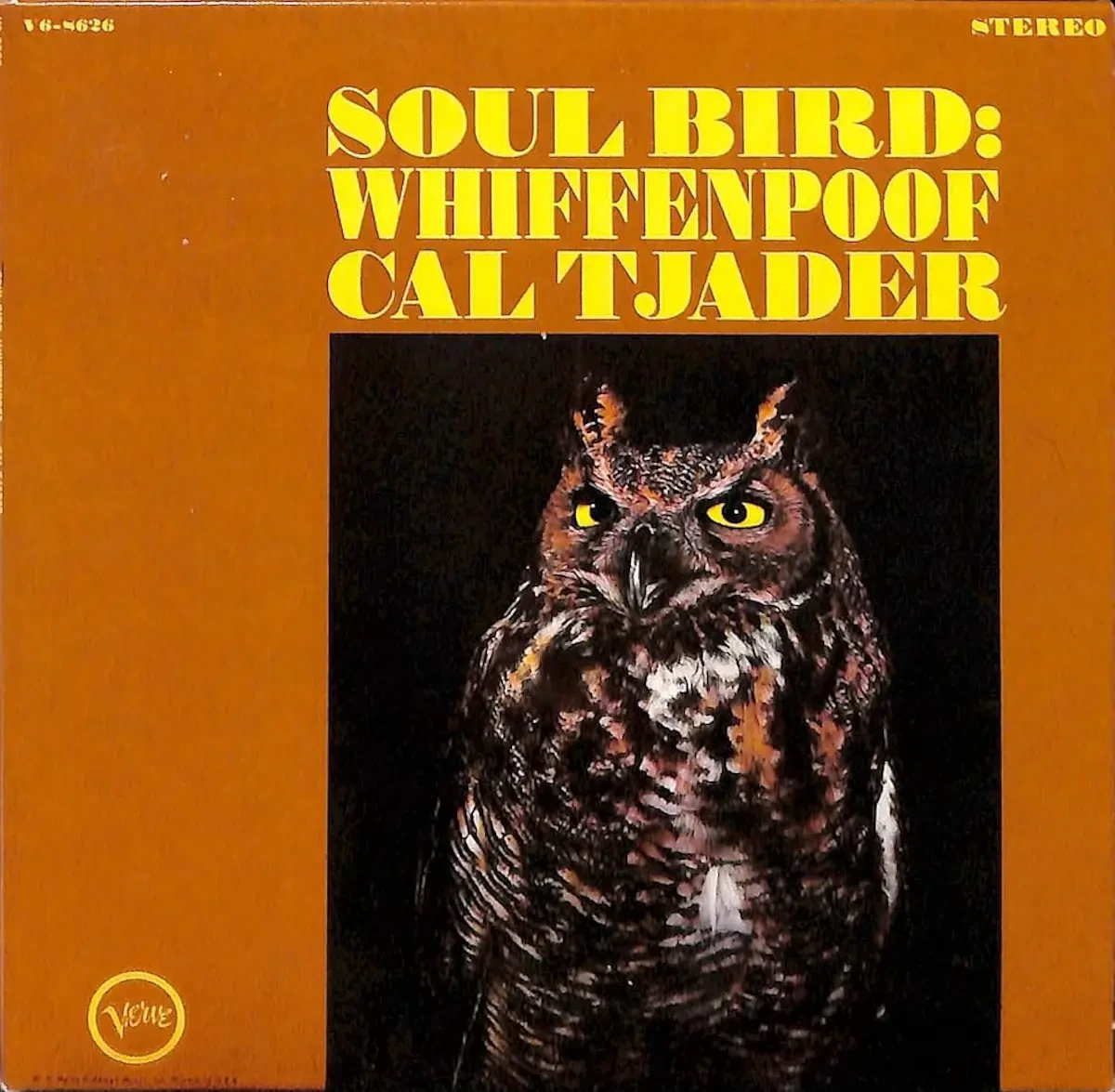
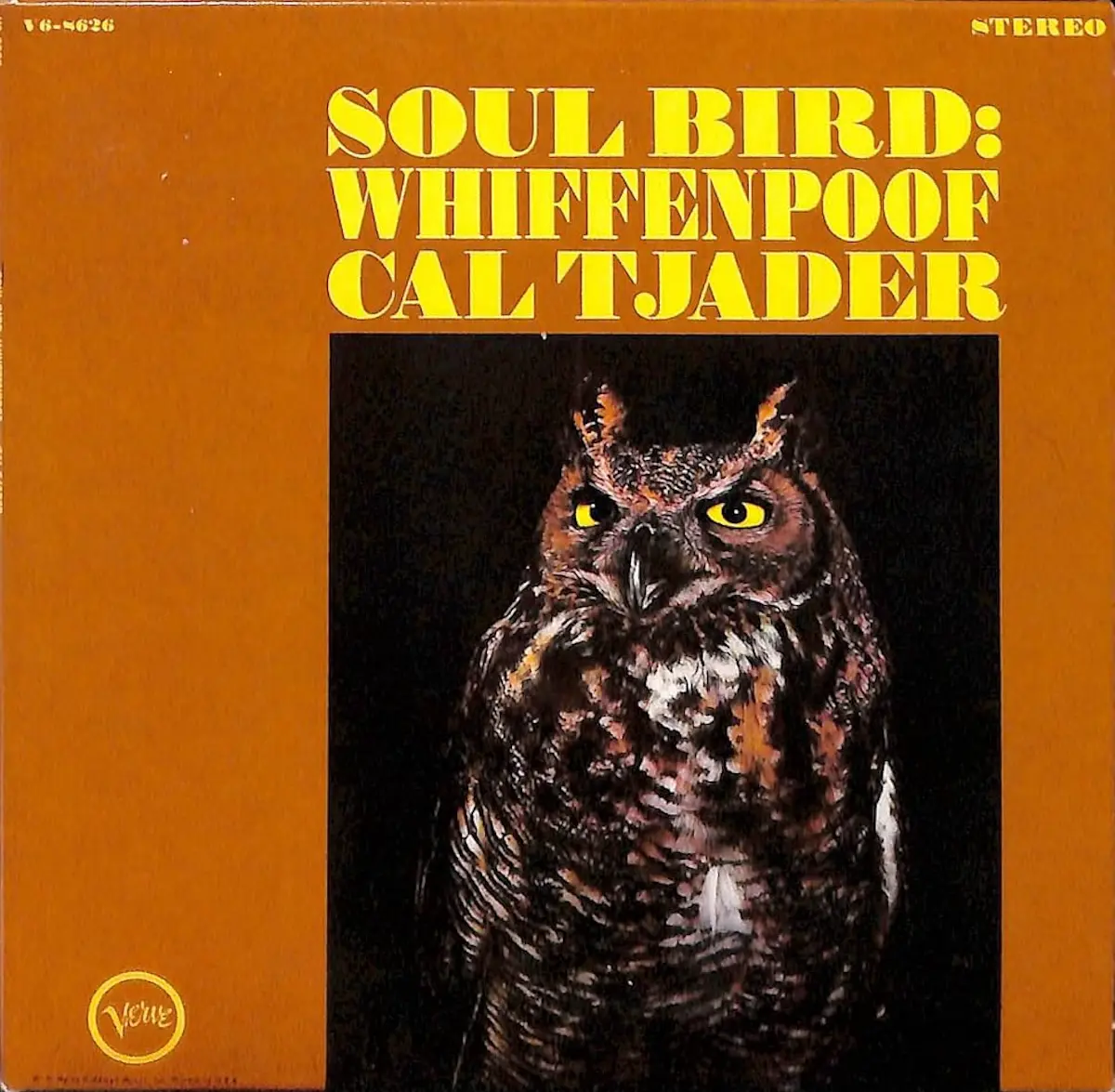
In October 1966, Jazz Journal critic Michael Shera published a review that captured the raw anxiety and purist backlash of this transition. Taking aim at vibraphonist Cal Tjader’s album Soul Bird (Verve VLP 9136), Shera did not merely review a record; he launched a scathing indictment of a burgeoning commercial phenomenon. He targeted the Latin-soul grooves, dismissed the music as "harmless" background noise, and laid the blame squarely at the feet of legendary A&R executive Creed Taylor.
Shera’s review serves as a vital historical artifact. It exposes the ideological friction between traditional jazz criticism—which prized uncompromising artistic exploration, harmonic complexity, and intellectual rigor—and the burgeoning "pop-jazz movement," which prioritized accessibility, rhythmic vitality, and commercial viability. This retrospective examines the historical weight of Shera’s 1966 critique, exploring the motivations of Creed Taylor at Verve Records, the artistry of Cal Tjader, and how time has profoundly altered our perception of the mid-1960s crossover canon.
Detailed Chronology: The Anatomy of a Crossover Backlash
The Mid-1960s Crisis of Jazz Purism
By 1965 and 1966, the traditional jazz market was contracting. The explosion of beat music, epitomized by the British Invasion and the dominance of Motown, had upended the American popular music industry. Jazz labels that had built their reputations on selling uncompromising bebop, hard bop, and avant-garde explorations suddenly found their core demographic aging and their sales figures dwindling.
To survive, record executives had to innovate. Labels like Verve Records, under the stewardship of Creed Taylor, began championing a hybrid sound. By fusing jazz improvisation with infectious Latin rhythms, pop melodies, and contemporary soul grooves, these producers hoped to capture a younger, broader audience that found standard jazz too esoteric.
However, this commercial pivot triggered an aggressive defense mechanism among contemporary critics. For writers like Michael Shera, jazz was an art form that demanded active, intellectual listening. Music designed to function as "pleasant background to almost anything" was viewed as an existential threat to the integrity of the genre.
The Genesis of Soul Bird (1965–1966)
The recording sessions for Cal Tjader’s Soul Bird took place across two distinct locations and timeframes, reflecting the fluid, assembled nature of many mid-1960s Verve productions.
- New York City Sessions (June 1–2, 1965): Tjader entered the studio backed by an elite rhythm section featuring Paul Griffin on piano, Richard Davis on acoustic bass, and a dual-drummer setup comprising Sol Gubin and Grady Tate. Percussionist Armando Peraza provided the essential Afro-Cuban rhythmic foundation that underpinned Tjader’s entire aesthetic.
- Englewood Cliffs, New Jersey Sessions (July 21–22, 1965): Moving to Rudy Van Gelder’s legendary studio, some personnel shifts occurred. Pianist Lonnie Hewitt, bassist Terry Hilliard, and drummer John Rae stepped in for select tracks, including the tune "Reza," blending West Coast coolness with East Coast punch.
When the album was finally released in late 1965 and reviewed in British publications like Jazz Journal by October 1966, it became a lightning rod for broader industry debates. The tracklist featured a mix of contemporary pop-soul tunes and jazz standards, including "The Whippenpoof Song," "Soul Bird," "How High The Moon," "That’s All," "Soul Motion," "Reza," "The Prophet," "Sonny Boy," "Doxy," "Samba De Orfeu," "Shiny Stockings," and "Daddy Wong Legs."
Supporting Context & Metrics: Creed Taylor, Verve Records, and the Economics of Pop-Jazz
The Visionary and the Villain: Creed Taylor’s A&R Strategy
To understand Michael Shera’s fury, one must examine the architect of the movement he detested: Creed Taylor. Appointed to head Verve Records in 1961 by Metro-Goldwyn-Mayer (MGM), Taylor revolutionized the label’s output. He understood that the days of releasing straight-ahead jazz albums to modest audiences were no longer sustainable on a major-label budget.
Taylor’s masterstroke was the marriage of jazz with bossa nova (most famously with Stan Getz and Charlie Byrd’s Jazz Samba in 1962), followed by excursions into Latin-soul, pop covers, and cinematic themes. Taylor possessed a rare commercial instinct. He paired elite jazz musicians with lush arrangements, crisp production values (often courtesy of engineer Rudy Van Gelder), and highly marketable packaging.
To commercial ears, Taylor was a genius who kept Verve solvent and introduced jazz-adjacent sounds to millions of listeners worldwide. To purist critics like Shera, however, Taylor was a corporate meddler who orchestrated the systematic dilution of major jazz artists. In Shera’s view, directing virtuosos like Cal Tjader, Kai Winding, and Stan Getz to record pop-oriented material was an artistic tragedy driven solely by the pursuit of "big sales, no matter who is sacrificed."
Cal Tjader: Bridging Latin and Jazz Worlds
Cal Tjader occupied a unique and often misunderstood space in jazz history. A classically trained percussionist and vibraphonist who gained widespread prominence playing with Dave Brubeck and later launching his own Latin-jazz ensembles, Tjader was a pioneer of the West Coast sound.
Tjader’s commitment to Afro-Cuban rhythms predated the mainstream bossa nova craze by years. He genuinely loved Latin music and dedicated his career to synthesizing it with modern jazz. However, by the mid-1960s, the boundary between authentic Latin jazz and commercial pop-soul had blurred.
Albums like Soul Bird leaned heavily into accessible grooves, infectious backbeats, and recognizable pop-culture melodies. While Tjader’s vibraphone work remained technically accomplished and structurally sound, the material lacked the harmonic tension and improvisational danger that jazz critics expected. For Shera, Tjader had allowed himself to become a ringleader of a commercialized movement, trading artistic depth for chart potential.

Official Statements and Contemporary Critical Perspectives
The ideological war between commercial survivalism and artistic purism in the 1960s generated starkly contrasting viewpoints across the music industry.
The Purist Critique (Michael Shera, Jazz Journal, October 1966)
Shera’s review remains a masterclass in unapologetic critical gatekeeping. His core arguments can be distilled into three primary assertions:
- Irrelevance to True Jazz Fans: Shera bluntly declared that Soul Bird was "not of the slightest concern to readers of Jazz Journal," effectively excommunicating the record from the canon of legitimate jazz discourse.
- The Commodification of Art: By describing the music as "quite harmless… [and] a pleasant background to almost anything," Shera weaponized what modern listeners might consider a compliment. In 1966, "background music" was an insult, signaling a failure to demand the listener’s full intellectual engagement.
- Corporate Manipulation: Shera’s direct attack on Creed Taylor highlighted a deep distrust of executive interference. He accused management of prioritizing profit margins over artistic legacy, suggesting that brilliant instrumentalists were being reduced to recording "musical rubbish."
The Counter-Perspective: The Pragmatic Producer’s Defense
While executives like Creed Taylor rarely engaged directly with every negative review in the music press, their philosophy was defended by commercial realities and artist testimonies. Producers argued that:
- Audience Expansion: Crossover records acted as a gateway drug. Millions of listeners who bought pop-jazz albums eventually discovered hard bop, modal jazz, and avant-garde recordings through the same artists.
- Artist Financial Sustainability: Major label backing allowed musicians to maintain high standards of living, employ top-tier session players (such as Richard Davis and Grady Tate), and fund more esoteric projects when market conditions allowed.
- Genre Evolution: Music is inherently fluid. The fusion of Latin grooves, soul rhythms, and jazz improvisation was not a degradation of the art form, but a natural evolution responding to the cultural zeitgeist of the 1960s.
Future Outlook: Reevaluating the "Pop-Jazz" Canon Today
Looking back across a span of six decades, the cultural distance between 1966 and the modern era offers a fascinating lens through which to re-examine Michael Shera’s critique.
The Rehabilitation of Mid-Century Pop-Jazz
Time has been remarkably kind to the recordings that purists once condemned. Today, crate-diggers, hip-hop producers, electronic musicians, and contemporary jazz aficionados look back at Verve’s 1960s output—and Cal Tjader’s catalog in particular—with immense reverence.
- The Groove Aesthetic: What Shera dismissed as "harmless background music" is now celebrated for its sophisticated arrangements, impeccable musicianship, and rich sonic textures. The rhythmic interplay between Armando Peraza’s percussion and Tjader’s vibraphone on Soul Bird is recognized as a masterclass in feel and pocket.
- Sampling and Crate-Digging Culture: In the decades following the release of Soul Bird, hip-hop producers scoured thrift stores and bargain bins for these exact Latin-soul grooves, using them as foundational breakbeats and melodic loops for seminal rap tracks.
- The Death of Genre Borders: Modern music consumption has dismantled the rigid tribalism that defined 1960s music criticism. Contemporary listeners effortlessly cross boundaries between jazz, soul, latin, and pop, rendering the purist anxieties of critics like Shera culturally obsolete.
Conclusion
Michael Shera’s October 1966 review in Jazz Journal will forever stand as a monument to a specific moment of artistic friction. It encapsulates the genuine fear that commercialism would consume the soul of jazz. Yet, history has proven that art and commerce can coexist in complex, beautiful ways.
While Cal Tjader’s Soul Bird may not have satisfied the rigorous, avant-garde demands of mid-century purists, it represents an era of vibrant cross-pollination. Today, we can appreciate Shera’s passionate defense of artistic integrity while simultaneously celebrating the timeless, infectious brilliance of the very "musical rubbish" he so fiercely condemned.