
Executive Overview
In the sprawling landscape of modern alternative rock, few guitarists have achieved the sonic singularity and textural reverence of Ed O’Brien. As a foundational pillar of Radiohead—an outfit that continuously redefines the parameters of popular music—O’Brien has spent decades trading traditional guitar heroism for a deeply atmospheric, ethereal approach to the instrument. His contributions go far beyond standard six-string duties; they form the very weather systems and atmospheric pressure that undergird some of the most influential records of the past thirty years.
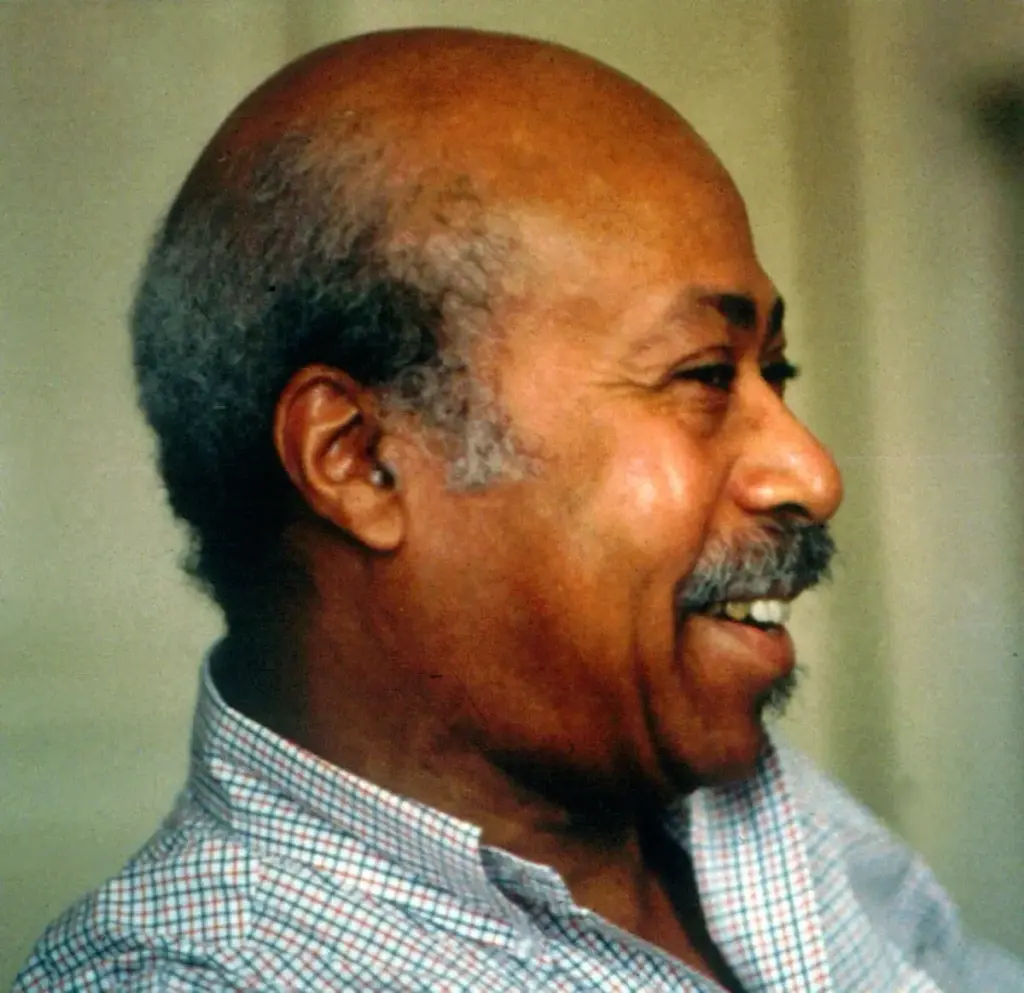
Recently, host Geoff Stanfield sat down with O’Brien for a wide-ranging, deeply revealing conversation on the Tape Op Podcast (Episode 122). Speaking remotely from his home in Wales, O’Brien pulled back the curtain on a career defined by relentless sonic exploration. The discussion traverses his formative musical awakenings, the early days of crafting Radiohead’s identity amidst the turbulence of the 1990s music industry, his unique philosophy on his role within the band’s collective chemistry, and the mystical, organic processes behind his recent musical venture, Blue Morpho.
More than just a nostalgic retrospective, this conversation serves as a masterclass in modern audio production, guitar experimentation, and the intersection of art and spirituality. For producers, engineers, and musicians alike, O’Brien’s insights offer a rare glimpse into the mind of an artist who views sound not merely as notes on a fretboard, but as a living, breathing landscape of emotion, texture, and magic.
Detailed Chronology: From Oxfordshire Classrooms to Welsh Sanctuaries
Formative Years and Early Sonic Awakenings
Every artist’s journey begins with a spark of inspiration, and for Ed O’Brien, that spark was ignited long before the stadium lights of Radiohead’s global tours ever flickered to life. During the conversation with Geoff Stanfield, O’Brien reflected on his early musical influences—a tapestry woven from the post-punk dynamism, classic rock grandeur, and burgeoning indie movements of the 1970s and 1980s.

Unlike guitarists who were strictly consumed by technical flashiness or speed, O’Brien found himself drawn to the architects of mood and space. He spoke candidly about how listening to records as an adolescent felt less like passive entertainment and more like an immersive portal into alternative realities. This early fascination with how records were made—the reverb tails, the delay feedback loops, and the interplay between rhythm and resonance—laid the subconscious groundwork for his future contributions to Radiohead.
The Fledgling Days of Radiohead and Image-Making
Formed initially under the moniker On A Friday while attending Abingdon School in Oxfordshire, the group that would become Radiohead faced the typical hurdles of young musicians trying to find their footing in a rapidly shifting British music scene. O’Brien shared humorous and reflective memories of the band’s fledgling days, particularly concerning the awkward convergence of artistic identity and the corporate expectations of the 1990s music industry.
In an era dominated by Britpop machismo and grunge cynicism, Radiohead’s cerebral, emotionally exposed, and sonically adventurous approach did not always fit neatly into a prefabricated marketing box. O’Brien detailed the trials of navigating early press cycles, photo shoots, and the anxiety of image-making. Rather than adopting a manufactured persona, the band ultimately chose to anchor their identity in relentless sonic evolution. This commitment to artistic integrity allowed them to survive the overnight phenomenon of "Creep" and reinvent themselves as structural innovators on masterpieces like OK Computer and Kid A.
Finding a Voice within a Collective
One of the most revealing segments of the interview centers on O’Brien’s role within Radiohead’s internal ecosystem. In a band featuring Thom Yorke’s unmistakable vocals, Jonny Greenwood’s multifaceted multi-instrumental brilliance, Colin Greenwood’s melodic basslines, and Philip Selway’s precision percussion, defining one’s space requires immense discipline and humility.

O’Brien discussed the psychological shift required to move away from traditional guitar roles. Instead of fighting for sonic real estate with standard riffs and solos, he began to treat his guitar as an ambient synthesizer, a sound-design tool capable of generating sustained pads, eerie swells, and textural counter-melodies. This philosophy transformed him from a conventional rhythm guitarist into an indispensable sonic architect, proving that sometimes the most powerful contribution an artist can make is knowing precisely when to hold back and when to flood the sonic canvas with color.
The Creation of Blue Morpho
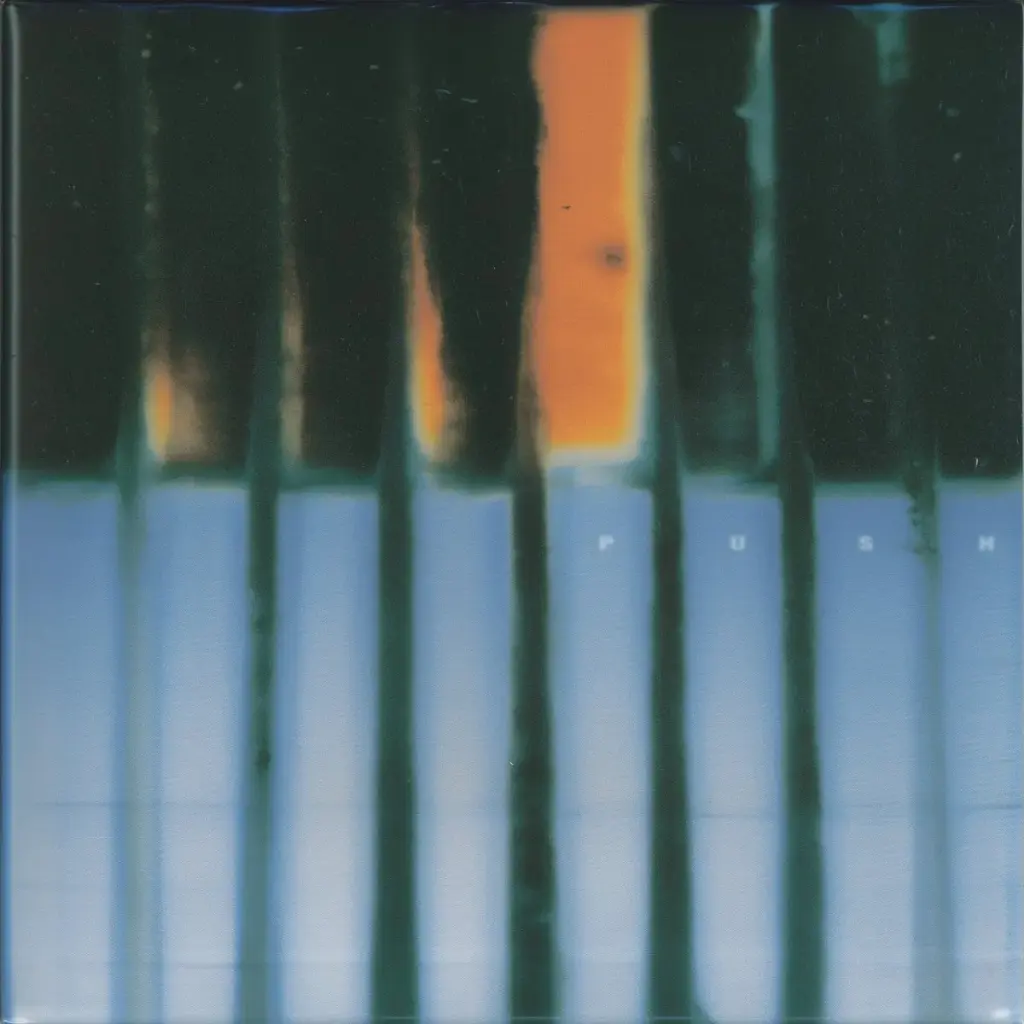
Transitioning from group dynamics to solo artistry is no small feat, especially when coming from a band as globally revered as Radiohead. O’Brien discussed the genesis and execution of his recent release, Blue Morpho, shedding light on the technical and spiritual processes that brought the project to life.
Working primarily from his sanctuary in Wales, O’Brien approached Blue Morpho with a sense of liberation and playful discovery. Freed from the sometimes agonizing self-editing process of a collective band dynamic, he allowed the music to flow organically, blending hypnotic rhythms, organic instrumentation, and his signature spatial guitar work. The record stands as a testament to his artistic evolution, merging the discipline learned over decades in professional studios with the raw, unfiltered joy of spontaneous creation.
Supporting Context & Metrics: The Architecture of O’Brien’s Sound
To fully appreciate the insights shared in Episode 122, it is essential to examine the technical and cultural context surrounding Ed O’Brien’s career and the platform hosting the conversation.

The Tape Op Ecosystem
The conversation was hosted by Geoff Stanfield for the Tape Op Podcast, an offshoot of Tape Op Magazine, which has served as the bible for independent audio recording since its inception in 1996 by Larry Crane. Known for its down-to-earth, engineer-to-engineer approach, Tape Op bypasses the sterile corporate lens of mainstream music journalism, focusing instead on the passion, gear, philosophy, and trials of making great audio.
Having an artist of O’Brien’s stature sit down for an in-depth, craft-focused conversation highlights the publication’s unique standing in the professional audio community. It bridges the gap between high-art performance and the nuts-and-bolts reality of studio engineering.
The Gear and Sonic Philosophy
O’Brien’s approach to the guitar has inspired countless gear tutorials, pedalboard rundowns, and imitation attempts. Over the years, his rig has evolved from a standard setup into a sophisticated mobile laboratory of delay units, harmonic generators, and looping stations (culminating in his Fender signature EOB Stratocaster, equipped with a Sustainiac driver).
In the podcast, O’Brien emphasizes that gear is merely a conduit for emotion. Whether discussing vintage tube preamps, digital signal processors, or the acoustic properties of a room in Wales, his core thesis remains unchanged: technology should serve the emotional truth of the performance. This philosophy resonates deeply with the core readership of Tape Op, who understand that the magic of a record rarely lies in the price tag of the equipment, but rather in the intentionality of its deployment.

Official Statements & Key Takeaways
Throughout the interview, several profound themes emerged regarding the nature of creativity, music production, and artistic longevity. Below are synthesized key takeaways reflecting O’Brien’s philosophical stance:
- On the Nature of Sound: "You’re not just playing notes; you’re shifting air and shaping emotion. Every frequency choice is an emotional decision." O’Brien stresses that guitarists must think like producers and soundscapers rather than mere technicians.
- On Band Dynamics and Ego: Survival in a legendary band for over three decades requires checking one’s ego at the studio door. O’Brien’s willingness to subordinate his instrument to the greater good of the song is a masterclass in collaborative artistry.
- On Music and Magic: True creative breakthroughs cannot be forced entirely through intellectual rigor. O’Brien frequently touches upon the mysterious, almost mystical elements of the creative process—allowing accidents, environmental influences, and subconscious impulses to guide the work.
- On the Importance of Place: Relocating from the urban hustle of London and international touring circuits to the tranquil, rugged landscape of Wales profoundly influenced O’Brien’s recent output, proving that an artist’s physical environment directly bleeds into their sonic palette.
Future Outlook: The Continuing Evolution of an Icon
As the music industry continues to grapple with the rapid digitization of production, the rise of artificial intelligence, and the fragmentation of listener attention spans, the artistic trajectory of figures like Ed O’Brien offers a vital anchor.
O’Brien’s work on Blue Morpho and his ongoing explorations demonstrate that there is no substitute for authentic human curiosity, acoustic experimentation, and emotional depth. As listeners and creators look toward the future, the lessons imparted in Episode 122 of the Tape Op Podcast serve as an enduring roadmap. They remind us that music is, at its core, an act of translation—converting the invisible currents of human experience, memory, and magic into sound waves that connect us across distances.
Whether teasing future musical projects, contemplating the endless possibilities of guitar synthesis, or simply reflecting on the journey from an Oxfordshire classroom to the global stage, Ed O’Brien remains an unyielding champion of the artistic frontier. For producers, musicians, and devoted fans alike, tuning into his conversation with Geoff Stanfield is not merely an entertaining diversion; it is an invitation to listen closer, think deeper, and embrace the magical unknown of sound.